
Understanding the Core Distinction: Design vs. Development
As a startup founder, you’re constantly bombarded with decisions, each vying for your precious resources. Among the most critical early choices is how to establish your online presence. You’ve heard the terms “website design” and “website development” thrown around, often interchangeably, but understanding their fundamental differences is crucial for strategic investment. Think of it this way: design is the blueprint, the aesthetics, the user experience – it’s about what your website looks like and how it feels to interact with. Development, on the other hand, is the construction, the engineering, the functional backend – it’s about how your website works and what it can do.
The Art of Website Design
When you talk about website design, you’re delving into the visual and interactive aspects that captivate your audience. This isn’t just about picking pretty colors; it’s a strategic process aimed at creating a memorable and intuitive user experience (UX) and user interface (UI). A well-designed website instills trust, communicates your brand identity, and guides users effortlessly towards your desired actions, whether that’s making a purchase, signing up for a newsletter, or requesting a demo.
User Experience (UX) Design: The Invisible Hand
UX design is the strategic foundation of your website. It’s about anticipating user needs and creating a seamless, enjoyable journey. You need to consider how easy it is for a user to find what they’re looking for, how intuitive the navigation feels, and how quickly they can complete a task. This involves extensive research into your target audience, understanding their pain points, and mapping out user flows. A good UX designer will conduct usability testing, analyze user behavior, and iterate on designs to ensure optimal engagement. For a startup, a positive UX is paramount. If your users struggle to understand your offering or navigate your site, they’ll simply leave, regardless of how innovative your product or service might be. This initial impression is often the only chance you get to convert a visitor into a lead or customer.
User Interface (UI) Design: The Visual Language
UI design is the tangible manifestation of your UX strategy. It’s what your users actually see and interact with – the buttons, menus, typography, imagery, and overall layout. A strong UI is not just aesthetically pleasing; it’s functional and consistent, reinforcing your brand identity. It dictates the visual hierarchy, ensuring that important information stands out and guides the user’s eye. For a startup, a professionally designed UI instills credibility and professionalism. It helps you stand out in a crowded market and communicate your brand’s personality effectively. Think about the emotional response you want to evoke in your users. Is your brand playful and innovative, or serious and authoritative? Your UI design should reflect that.
The Engineering of Website Development
While design sets the stage, development builds the performance. This is where the code is written, the databases are structured, and the functionalities are brought to life. Without robust development, even the most beautiful design remains a static image. Development ensures your website is responsive, secure, scalable, and performs efficiently under varying loads. It’s the engine that powers your digital presence, making sure all the intricate parts work together harmoniously.
Front-End Development: Bringing Design to Life
Front-end development is the bridge between your design concepts and a functional, interactive website that users can see and interact with in their browsers. This involves using languages like HTML, CSS, and JavaScript to translate your UI/UX designs into actual web pages. HTML provides the structure, CSS styles the appearance, and JavaScript adds interactivity and dynamic elements. A skilled front-end developer ensures that your website is responsive, meaning it adapts seamlessly to different screen sizes (desktops, tablets, mobile phones), and that all interactive elements, such as forms, animations, and navigation menus, function flawlessly. For a startup, a responsive front-end is no longer a luxury, it’s a necessity. A significant portion of your target audience will likely access your website from mobile devices, and a poor mobile experience can be a significant deterrent.
Back-End Development: The Invisible Powerhouse
Back-end development is the unseen engine that powers your website. It deals with the server-side logic, databases, and application programming interfaces (APIs) that allow your website to function dynamically. This includes handling user authentication, processing form submissions, managing e-commerce transactions, storing data, and integrating with other services. Languages like Python, Ruby, PHP, and Node.js are commonly used in back-end development. For a startup, a robust and scalable back-end is critical for future growth. As your user base expands and your feature set evolves, your back-end needs to be able to handle increased traffic and complex operations without compromising performance or security. Investing in a well-architected back-end early on can save you significant headaches and costly reworks down the line.
When considering the intricacies of Website Design vs Website Development, startups must also take into account the broader landscape of web hosting, which plays a crucial role in their online presence. An insightful article that delves into this topic is titled “US Data Centers Dominating 2025 Web Hosting Market.” This piece explores the evolving trends in web hosting and how they can impact the performance and scalability of a startup’s website. For more information, you can read the article here: US Data Centers Dominating 2025 Web Hosting Market.
Strategic Allocation of Resources: Where to Invest First?
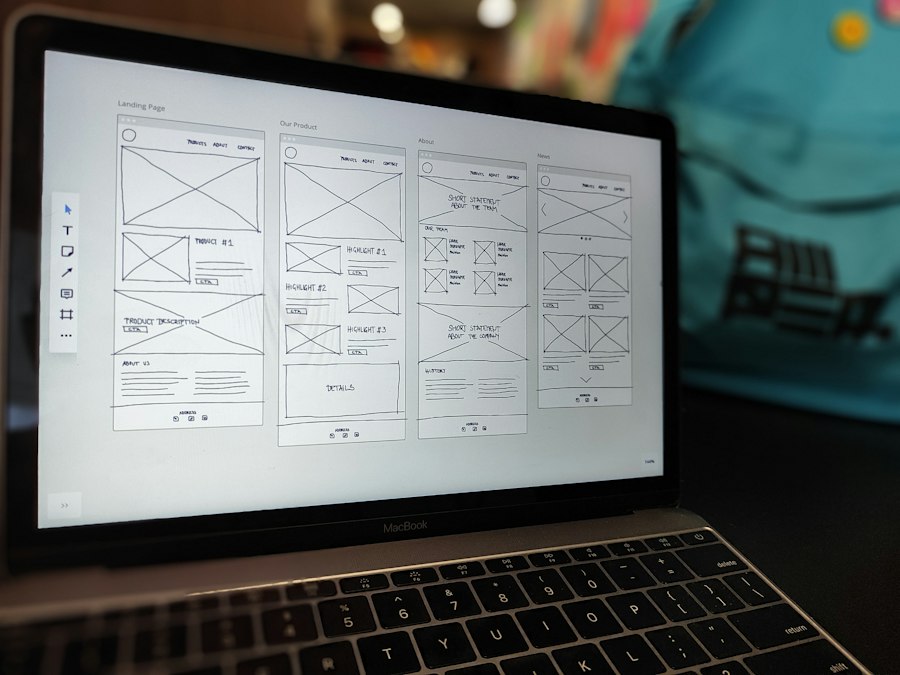
Now that you understand the distinct roles, the crucial question for a startup is: where do you direct your limited resources? The answer isn’t a simple “design” or “development.” Instead, it’s a strategic blend, prioritizing based on your immediate goals, product stage, and available budget. For many startups, the early stages demand a strong emphasis on validation and user acquisition, which heavily influences your investment strategy.
Minimum Viable Product (MVP) Considerations
When you’re launching a startup, the concept of a Minimum Viable Product (MVP) is paramount. An MVP is a version of your product with just enough features to satisfy early customers and provide feedback for future product development. The goal is to get something functional into the hands of your target audience quickly, test your core hypothesis, and iterate based on real-world usage.
Prioritizing Core Functionality for Your MVP
For an MVP, your primary focus should be on developing the core functionalities that deliver your unique value proposition. This means investing in the back-end and front-end development necessary to make your core features work reliably. If your startup offers a project management tool, the ability to create tasks, assign them, and track progress is core functionality. The flashy animations or highly customized reporting dashboards can come later. You need to identify the absolute minimum set of features that prove your concept and solve a genuine problem for your target users. This often means making tough decisions about what to cut from your initial release to ensure speed to market.
The Role of Design in an MVP
Even with an MVP, design shouldn’t be entirely neglected. While you might not invest in highly polished, bespoke UI/UX from day one, you absolutely need a clean, intuitive, and functional design that doesn’t alienate users. A clunky or confusing interface, even with revolutionary functionality, can quickly lead to user abandonment. Think of it as investing in “good enough” design rather than “perfect” design. This means ensuring basic usability, clear navigation, and a consistent, albeit simple, visual identity. The goal is to present your core functionality in a way that is easy to understand and use, allowing users to focus on the value you provide, not struggle with the interface.
The Impact of Business Model and Industry
The ideal investment balance between design and development also heavily depends on your specific business model and the industry you operate in. Different industries have different expectations and requirements for their online presence.
Visual-Centric Industries
If your startup operates in a highly visual industry – think e-commerce, fashion, interior design, photography, or even art – then a significant investment in website design, particularly UI/UX, is non-negotiable from the outset. Your website is your storefront, and its aesthetic appeal directly impacts consumer trust and purchasing decisions. High-quality imagery, intuitive product showcases, and a seamless checkout experience are paramount. Here, design isn’t just about looking good; it’s a direct driver of sales and customer satisfaction. You need to create an immersive and appealing visual experience that reflects the quality and style of your offerings.
Functionality-First Industries
Conversely, if your startup is in a highly technical or functionality-first industry – perhaps a SaaS platform for developers, a data analytics tool, or a complex B2B service – then the robustness and reliability of your back-end development might take precedence. While a clean and usable interface is still important, users in these industries often prioritize performance, security, and specific features over elaborate visual design. They need the tool to work flawlessly and efficiently. Their primary concern is whether your solution effectively solves their technical problem. For example, a developer using an API management platform will care more about the documentation, the API’s reliability, and its performance than they will about custom fonts or intricate animations.
The Long-Term Vision: Scalability and Brand Identity
While initial investments might be driven by immediate needs, a successful startup must also consider its long-term vision. This involves thinking about scalability – how your website will grow with your business – and how your brand identity will evolve and be reinforced through your online presence. Neglecting these aspects early on can lead to significant technical debt and brand inconsistencies down the road.
Building for Scalability and Future Growth
Scalability is about ensuring your website can handle increasing traffic, more complex functionalities, and expanding content without breaking down or becoming prohibitively expensive to maintain. It’s a key consideration during the development phase.
Architectural Planning for Development
Investing in sound architectural planning during the development phase is crucial for long-term scalability. This means choosing the right technology stack, designing a modular and flexible codebase, and anticipating future feature additions. A poorly structured back-end can become a tangled mess as your business grows, making it difficult and expensive to add new features or handle increased user load. Consider aspects like database design, server infrastructure, and the ability to integrate with third-party services. A well-architected system might cost more upfront but will save you immense time and money in the long run by allowing for seamless expansion and reduced maintenance efforts. This also involves thinking about cloud infrastructure and how you’ll manage your servers and data as your user base expands globally.
Design Systems for Consistent Evolution
From a design perspective, investing in a design system early on can significantly aid scalability. A design system is a comprehensive set of standards, components, and guidelines that ensures consistency across all your digital products. This includes typography, color palettes, iconography, button styles, and even interaction patterns. While creating a full-blown design system might be too much for an MVP, establishing basic design principles and reusable components from the start will make it easier to add new features and pages while maintaining a cohesive brand experience. It also streamlines the design and development process, making it faster and more efficient for teams to collaborate as your company grows. This ensures that every new feature or page you add feels like a natural extension of your existing brand, rather than an afterthought.
Reinforcing Brand Identity and Trust
Your website is often the first, and sometimes only, impression potential customers have of your brand. It’s a critical tool for building trust and communicating your brand’s unique identity.
Design as a Brand Ambassador
Strategic website design acts as a powerful brand ambassador. The visual elements, user experience, and overall aesthetic communicate your brand’s values, personality, and professionalism. A well-designed website instills confidence and positions your startup as a credible and trustworthy entity. Conversely, a haphazard or outdated design can quickly erode trust, making your startup appear unprofessional or unreliable. Investing in high-quality design is an investment in your brand’s reputation and its ability to attract and retain customers. It’s about crafting an emotional connection with your audience through every visual and interactive element.
Development for Brand Reliability
Beyond aesthetics, the underlying development also plays a crucial role in brand perception. A website that is slow, buggy, or frequently crashes undermines trust and frustrates users, regardless of how beautiful its design. Reliable performance, robust security, and seamless functionality are essential for demonstrating your commitment to quality and professionalism. If your website repeatedly fails to deliver on its promises, users will quickly lose faith in your brand. Investing in solid development ensures that your brand is perceived as reliable, competent, and trustworthy, which is particularly vital for startups trying to establish themselves in a competitive market. This also extends to how your website handles data privacy and security, as these are increasingly important aspects of building consumer trust.
The Iterative Process: Design and Development in Harmony
It’s important to understand that website design and development are not discrete, one-time events. They are intertwined and iterative processes that evolve as your startup grows and learns more about its users and market. The most successful startups embrace a continuous loop of feedback, analysis, and refinement.
Agile Methodologies and Continuous Improvement
Adopting agile methodologies is particularly beneficial for startups. This approach emphasizes flexibility, collaboration, and incremental development. Instead of attempting a massive, all-encompassing launch, agile encourages breaking down projects into smaller, manageable sprints, allowing for frequent testing and adjustments.
User Feedback Loops
A critical component of continuous improvement is establishing robust user feedback loops. This involves actively soliciting input from your target audience through surveys, interviews, usability testing, and analytics. How are users interacting with your website? Where are they getting stuck? What features do they wish they had? This feedback directly informs both design and development decisions. It allows you to validate assumptions, identify pain points, and prioritize future enhancements. For a startup, this direct engagement with early adopters can be invaluable for refining your product-market fit.
Iterative Design and Development Sprints
In an agile environment, design and development work in tandem. Designers create mockups and prototypes, which developers then build. These features are then tested, feedback is gathered, and the process repeats. This iterative approach allows you to make small, informed adjustments rather than large, risky overhauls. It mitigates the risk of building something that users don’t want or need. Each sprint refines both the design and the underlying code, leading to a more robust, user-centric product over time. This also means that both designers and developers need to be involved in the entire process, fostering a collaborative environment where ideas are exchanged and refined continuously.
When considering the differences between website design and website development, startups often face the dilemma of where to allocate their budgets effectively. A related article that delves into the technical aspects of online infrastructure is available at this link, which discusses dedicated servers and their importance in ensuring a robust online presence. Understanding these elements can help startups make informed decisions about their website needs and overall digital strategy.
Making the Investment Decision: Practical Steps for Startups
| Aspect | Website Design | Website Development | Startup Considerations |
|---|---|---|---|
| Primary Focus | Visual aesthetics, user interface, branding | Functionality, coding, backend integration | Design attracts users; development ensures usability |
| Typical Cost Range | 500 – 5,000 | 1,000 – 10,000+ | Budget allocation depends on project complexity |
| Time to Complete | 1 – 4 weeks | 2 – 12 weeks | Design usually precedes development |
| Key Deliverables | Wireframes, mockups, style guides | Functional website, CMS, APIs | Both needed for a complete website |
| Importance for Startups | High – first impression and branding | High – ensures site works as intended | Balance spending based on goals |
| Recommended Starting Point | Design to establish look and feel | Development after design approval | Startups should prioritize design first |
So, how do you practically navigate this decision as a startup founder? It boils down to a clear understanding of your immediate needs, your long-term vision, and how to effectively leverage external expertise.
Assessing Your Current Stage and Goals
Before you even think about hiring, take a hard look at your startup’s current stage and your most pressing goals.
Early Stage: Validation and Acquisition
If you’re in the very early stages, focused on validating your core idea and acquiring your first users, then your investment strategy should reflect that. You need a functional website that clearly communicates your value proposition and allows users to perform the key actions that validate your business. This might mean prioritizing solid back-end development for core features and a clean, easy-to-use front-end design over elaborate visual flair. The goal is to prove your concept and gather initial data, not to build a fully polished, enterprise-grade solution. Think about a landing page with a clear call to action and a simple signup process, backed by the minimum necessary development to make it work.
Growth Stage: Optimization and Expansion
As your startup moves into a growth stage, with validated product-market fit and a growing user base, your investment priorities will shift. You’ll likely need to optimize your website for better conversion rates, introduce new features, and potentially scale your infrastructure to handle increased traffic. This often requires a more balanced investment in both design (to refine the UX/UI and improve conversion funnels) and development (to build new functionalities and enhance performance/scalability). At this stage, you might start investing more heavily in custom features, integrations, and a more sophisticated brand experience.
Leveraging Freelancers vs. Agencies vs. In-House
Once you have a clear understanding of your needs, you’ll need to decide how to get the work done. Each option has its own set of advantages and disadvantages for a startup.
The Flexibility of Freelancers
Hiring freelancers for specific design or development tasks can be a cost-effective solution for startups, especially for an MVP or specific projects. You can tap into specialized expertise without the overhead of full-time employees. However, managing multiple freelancers can be time-consuming, and ensuring consistent quality and communication requires active oversight. This option is ideal if you have a clear scope of work and are comfortable with project management. You might hire a UX designer for wireframes, a UI designer for visual mockups, and then a front-end developer to build it.
The Comprehensive Approach of Agencies
A web design and development agency offers a full-service solution, providing teams of designers, developers, project managers, and strategists. This can be beneficial if you lack in-house expertise or prefer a hands-off approach. Agencies bring a wealth of experience and can deliver polished, integrated solutions. However, they are typically more expensive than freelancers, and communication can sometimes be less direct. This option is often best for startups with a slightly larger budget who need a comprehensive solution and want to minimize their internal management burden.
The Control of In-House Teams
As your startup grows and your website becomes increasingly central to your operations, building an in-house design and development team offers the most control and deep institutional knowledge. An in-house team can foster a strong company culture, respond quickly to changing needs, and deeply understand your product and users. However, this is the most significant investment, requiring salaries, benefits, and ongoing management. For early-stage startups, building a full in-house team is usually not feasible, but it’s a long-term goal for many successful companies as their digital presence becomes their core product. You might start with a single in-house developer or designer once you have recurring revenue and a clear roadmap.
Ultimately, the decision of where to invest – design or development – isn’t about choosing one over the other. It’s about finding the right balance for your startup’s unique stage, goals, and resources. Prioritize wisely, embrace an iterative approach, and remember that both exceptional design and robust development are essential ingredients for a thriving online presence.
FAQs
What is the difference between website design and website development?
Website design refers to the visual aesthetics and user experience aspects of a website, including layout, color schemes, typography, and overall look and feel. Website development, on the other hand, involves the technical aspects of building a website, including coding, programming, and database management to ensure functionality and performance.
Why should startups invest in both website design and development?
Startups should invest in both website design and development to create a cohesive online presence. A well-designed website attracts users and enhances user experience, while effective development ensures that the site functions properly, loads quickly, and is secure. Together, they contribute to higher engagement, better conversion rates, and overall business success.
How much should startups budget for website design and development?
The budget for website design and development can vary widely based on the complexity of the project, the expertise of the professionals involved, and the specific needs of the startup. Generally, startups can expect to spend anywhere from a few thousand dollars for basic sites to tens of thousands for more complex, custom solutions.
Can startups use templates for website design and development?
Yes, startups can use templates for website design and development, which can significantly reduce costs and time. Many platforms offer customizable templates that provide a professional look without the need for extensive design or coding skills. However, relying solely on templates may limit customization and scalability as the business grows.
What are the key factors to consider when choosing between website design and development services?
When choosing between website design and development services, startups should consider their specific goals, target audience, and budget. It’s important to assess whether the primary need is for a visually appealing site or a robust, functional platform. Additionally, evaluating the expertise and portfolio of potential service providers can help ensure the best fit for the startup’s needs.







Add comment