

The emergence of data centers in the United States can be traced back to the early days of the internet, but their rapid proliferation began in the late 1990s and early 2000s. As businesses increasingly recognized the importance of digital presence, the demand for reliable and scalable data storage solutions surged. This led to the establishment of numerous data centers across the country, particularly in regions with favorable climates and robust infrastructure.
States like Virginia, Texas, and California became hotspots for data center development due to their access to high-speed internet, low energy costs, and proximity to major population centers. The rise of cloud computing further accelerated the growth of US data centers. Companies like Amazon Web Services (AWS), Microsoft Azure, and Google Cloud Platform transformed the landscape by offering scalable solutions that allowed businesses to offload their IT infrastructure.
This shift not only democratized access to powerful computing resources but also spurred investment in data center facilities. As a result, the US became home to some of the largest and most advanced data centers in the world, equipped with cutting-edge technology to meet the ever-increasing demands of data processing and storage.
Key Takeaways
- US data centers have significantly expanded, becoming central hubs in the web hosting market.
- They play a critical role in supporting global internet infrastructure and connectivity.
- Technological innovations in US data centers drive efficiency, security, and performance improvements.
- Economic contributions of US data centers include job creation and growth within the web hosting industry.
- Environmental sustainability and regulatory compliance remain key challenges and focus areas for future development.
The Impact of US Data Centers on the Web Hosting Market
US data centers have had a profound impact on the web hosting market, fundamentally changing how businesses approach their online presence. The availability of high-performance data centers has enabled web hosting providers to offer a range of services, from shared hosting to dedicated servers and cloud solutions. This diversification has allowed businesses of all sizes to find hosting solutions that fit their specific needs, leading to increased competition among providers and ultimately benefiting consumers.
Moreover, the geographic distribution of US data centers has enhanced redundancy and reliability in web hosting services. With multiple facilities located across various states, hosting providers can implement failover strategies that ensure uptime even in the event of localized outages. This level of reliability is crucial for businesses that rely on their online presence for revenue generation.
As a result, many companies have shifted from traditional on-premises hosting solutions to cloud-based services offered by US data centers, further solidifying their role in the web hosting market.
The Role of US Data Centers in Global Internet Infrastructure
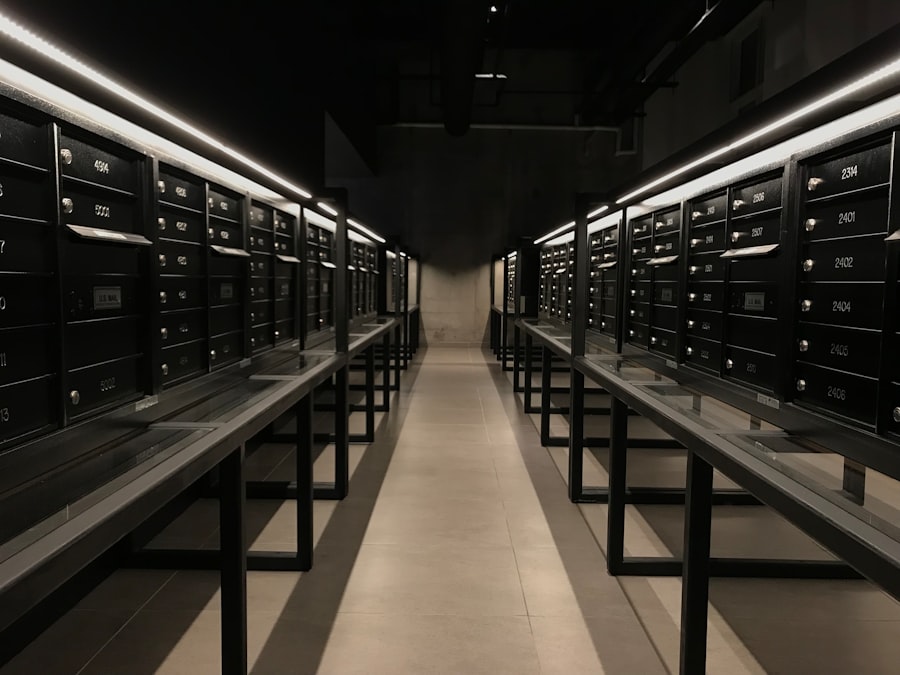
US data centers play a pivotal role in the global internet infrastructure, serving as critical nodes that facilitate data exchange across borders. The United States is home to a significant portion of the world’s internet traffic, with many international companies relying on US-based data centers for their operations. This centrality not only enhances the speed and efficiency of data transfer but also positions US data centers as key players in global connectivity.
Furthermore, the interconnection between US data centers and international networks fosters collaboration among businesses worldwide. Many data centers are strategically located near major internet exchange points, allowing for seamless communication between different networks. This interconnectedness is essential for multinational corporations that require reliable access to their data and applications regardless of geographical location.
As such, US data centers are not just local assets; they are integral components of a global digital ecosystem.
The Technological Advancements in US Data Centers
Technological advancements have been at the forefront of the evolution of US data centers, driving improvements in efficiency, performance, and scalability. Innovations such as virtualization have revolutionized how resources are allocated within data centers, allowing for better utilization of hardware and reduced operational costs. By enabling multiple virtual machines to run on a single physical server, virtualization has significantly increased the density of computing resources available within data centers.
In addition to virtualization, advancements in cooling technologies have also played a crucial role in enhancing the performance of US data centers. Traditional cooling methods often proved inefficient and costly, leading to increased energy consumption. However, modern data centers are now employing innovative cooling solutions such as liquid cooling and free-air cooling systems that optimize temperature management while minimizing energy usage.
These technological strides not only improve operational efficiency but also contribute to the overall sustainability of data center operations.
The Economic Influence of US Data Centers in the Web Hosting Industry
| Metric | Value | Notes |
|---|---|---|
| Global Web Hosting Market Size (2025) | 120 Billion | Projected market value in USD |
| US Data Center Market Share | 35% | Percentage of global web hosting market |
| Growth Rate of US Data Centers (2020-2025) | 12% CAGR | Compound annual growth rate |
| Average Uptime of US Data Centers | 99.99% | Industry-leading reliability |
| Customer Trust Index (US vs Global) | 85 vs 70 | Survey score out of 100 |
| Energy Efficiency Improvement (2019-2025) | 25% | Reduction in power usage effectiveness (PUE) |
| Number of US Data Centers | 2,500+ | Operational facilities as of 2025 |
| Percentage of Global Data Traffic Handled by US | 40% | Reflects infrastructure capacity |
The economic influence of US data centers extends beyond their immediate role in web hosting; they are significant contributors to local economies and job creation. The construction and operation of data centers require substantial investment, leading to job opportunities in various sectors including engineering, construction, and IT services. According to industry reports, thousands of jobs are created for every new data center built, providing a boost to local economies and fostering community development.
Moreover, US data centers have catalyzed growth in ancillary industries such as cybersecurity, network management, and cloud services. As businesses increasingly rely on digital solutions, there is a growing demand for specialized services that support data center operations. This has led to a flourishing ecosystem around data centers, where companies offering complementary services can thrive alongside hosting providers.
The economic ripple effect generated by US data centers underscores their importance not only within the web hosting industry but also across broader economic landscapes.
The Environmental Sustainability of US Data Centers
As concerns about climate change and environmental sustainability grow, US data centers are increasingly focusing on reducing their carbon footprint. The energy-intensive nature of data center operations has prompted many companies to adopt green practices aimed at minimizing environmental impact. Initiatives such as utilizing renewable energy sources—solar, wind, and hydroelectric power—are becoming more common among leading data center operators.
In addition to sourcing renewable energy, many US data centers are implementing energy-efficient designs and technologies. For instance, advanced power management systems help optimize energy consumption by dynamically adjusting power usage based on real-time demand. Furthermore, initiatives like heat recovery systems allow excess heat generated by servers to be repurposed for heating nearby facilities or even residential areas.
The Security Measures in US Data Centers
Security is paramount in the operation of US data centers, given the sensitive nature of the information they handle. To safeguard against potential threats—both physical and cyber—data center operators employ a multi-layered security approach that encompasses various strategies and technologies. Physical security measures include biometric access controls, surveillance cameras, and security personnel stationed at facilities to prevent unauthorized access.
On the cybersecurity front, US data centers implement robust protocols designed to protect against hacking attempts and data breaches. This includes firewalls, intrusion detection systems (IDS), and regular security audits to identify vulnerabilities within their infrastructure. Additionally, many operators adhere to industry standards such as ISO 27001 or SOC 2 compliance, which provide frameworks for managing sensitive information securely.
By prioritizing security at every level, US data centers instill confidence among clients regarding the safety of their critical data.
The Future of US Data Centers in the Web Hosting Market
Looking ahead, the future of US data centers in the web hosting market appears promising yet challenging. As digital transformation accelerates across industries, the demand for reliable hosting solutions is expected to continue its upward trajectory. However, this growth will necessitate ongoing investments in infrastructure and technology to keep pace with evolving customer needs.
Emerging trends such as edge computing are likely to shape the future landscape of US data centers significantly. By bringing computing resources closer to end-users, edge computing reduces latency and enhances performance for applications requiring real-time processing. As more businesses adopt this model, traditional centralized data centers may need to adapt by establishing smaller edge locations or integrating edge capabilities into existing facilities.
The Competition and Collaboration Among US Data Centers
The landscape of US data centers is characterized by both competition and collaboration among various players in the market. While numerous companies vie for market share by offering competitive pricing and innovative services, there is also a growing trend toward partnerships that enhance service offerings and expand capabilities. For instance, some data center operators collaborate with telecommunications companies to improve connectivity options for clients or partner with cloud service providers to deliver integrated solutions.
This duality fosters an environment where competition drives innovation while collaboration enables companies to leverage each other’s strengths. As businesses increasingly seek comprehensive solutions that encompass hosting, storage, and networking services, partnerships between data center operators can lead to more robust offerings that meet diverse client needs.
The Regulatory and Policy Landscape for US Data Centers
The regulatory landscape governing US data centers is complex and continually evolving as technology advances and societal concerns shift. Data privacy regulations such as the General Data Protection Regulation (GDPR) in Europe have prompted discussions around similar frameworks within the United States. While there is no federal equivalent yet established, various states have begun implementing their own privacy laws that impact how data is stored and managed within data centers.
Additionally, regulations surrounding energy consumption and environmental impact are becoming increasingly relevant as sustainability becomes a priority for both consumers and governments alike. Data center operators must navigate these regulations while ensuring compliance without compromising operational efficiency or service quality. Staying abreast of regulatory changes will be crucial for US data centers as they strive to maintain competitive advantages while adhering to legal requirements.
The Challenges and Opportunities for US Data Centers in 2025
As we look toward 2025, US data centers will face a myriad of challenges alongside emerging opportunities that could reshape their operations significantly. One major challenge will be addressing the growing demand for bandwidth driven by advancements in technologies such as 5G and IoT (Internet of Things). Data centers will need to invest heavily in infrastructure upgrades to accommodate increased traffic while maintaining performance standards.
Conversely, this demand presents an opportunity for innovation within the sector. Companies that can develop solutions addressing bandwidth challenges—such as advanced networking technologies or more efficient storage systems—will likely find themselves at a competitive advantage. Additionally, as businesses continue prioritizing sustainability initiatives, there will be opportunities for data center operators who can demonstrate leadership in environmental responsibility through green practices and renewable energy adoption.
The 2025 Web Hosting Market Report highlights the growing trust in US data centers, which is crucial for businesses looking to enhance their online presence. For e-commerce websites, understanding the advantages of dedicated servers can significantly impact performance and reliability. To learn more about this topic, you can read the article on the advantages of dedicated servers for e-commerce websites







Add comment