
You’ve likely heard the buzz about cloud computing, the scalability it offers, and the seemingly endless flexibility. But as your business matures, expands, and its digital infrastructure becomes more critical, you might find yourself questioning whether that shared environment truly provides the uncompromised performance and control you need. This is where dedicated servers step in, offering a robust alternative that puts you firmly in the driver’s seat. Forget the notion that dedicated servers are an antiquated relic; for businesses prioritizing absolute control, unwavering performance, and ironclad security, they are an indispensable asset.
You’re probably familiar with shared hosting – it’s often the entry point for many businesses. You share a server’s resources, including CPU, RAM, and disk space, with numerous other users. While cost-effective for smaller operations, it inherently introduces limitations. With a dedicated server, you are the sole tenant. Imagine moving from a bustling, shared office space to your own private, custom-built headquarters. That’s the essence of the dedicated difference.
The Problem with Noisy Neighbors: Performance Consistency
In a shared environment, one website experiencing a sudden surge in traffic or running resource-intensive applications can directly impact your own website’s performance. This is known as the “noisy neighbor” effect. Your site might experience slowdowns, increased load times, or even occasional downtime, all due to factors entirely outside your control.
- Eliminating Resource Contention: With a dedicated server, every single byte of RAM, every core of the CPU, and every spin of the hard drive (or flash of the SSD) is exclusively yours. You’re not vying for resources with anyone else. This translates to predictable, consistent performance, even during peak demand. Your applications run at optimal speed, your databases respond instantly, and your users experience a seamless interaction every single time.
- Predictable Scalability: While shared hosting offers some scalability, it’s often limited by the overall server capacity. With a dedicated server, you have a much clearer path to scaling. You can upgrade components, add more storage, or even transition to a more powerful server knowing that the underlying infrastructure is exclusively yours and can be tailored to your specific growth trajectory.
Security Vulnerabilities: A Shared Responsibility (and Risk)
Security is paramount for any business, and shared hosting inherently introduces a higher level of risk. If one website on a shared server is compromised, it can potentially open doors for attackers to exploit vulnerabilities on other sites hosted on the same machine. You’re entrusting your data to an environment where the security posture of your neighbors directly impacts yours.
- Isolation and Reduced Attack Surface: A dedicated server provides complete isolation. Your applications, data, and operating system are segregated from everyone else’s. This significantly reduces your attack surface. A breach on another server cannot directly impact yours. You have a fortress, not just a room in a multi-tenant building.
- Custom Security Configurations: On a dedicated server, you have the freedom to implement your own robust security protocols. This includes choosing your own firewall configurations, intrusion detection systems (IDS), antivirus software, and access control policies. You’re not restricted by the shared host’s default security settings, which might be a one-size-fits-all solution that doesn’t meet your specific compliance requirements or risk tolerance.
In the digital landscape, businesses are constantly seeking ways to enhance their operational efficiency and revenue streams. A related article that delves into the potential of generating passive income through reseller hosting can be found at this link. This article complements the discussion on why dedicated servers give businesses more control, as it highlights how leveraging reseller hosting can provide additional financial benefits while maintaining the flexibility and reliability that dedicated servers offer.
The Apex of Authority: Total Control Over Your Environment
The most compelling argument for a dedicated server often boils down to one word: control. You are no longer constrained by the limitations or choices of a hosting provider’s shared environment. Every aspect of your server infrastructure is within your purview.
Operating System and Software Freedom: Tailoring to Your Needs
In a shared hosting environment, you’re often limited to specific operating systems and pre-installed software packages. This can be restrictive, especially if your applications require specific versions or niche software.
- Choose Your OS: Do you prefer Linux distributions like Ubuntu, CentOS, or Debian? Or is your business entrenched in Windows Server ecosystems? A dedicated server lets you install the operating system that best suits your applications and your team’s expertise. This flexibility ensures compatibility and optimal performance for your software stack.
- Unrestricted Software Installation: Need a specific database engine like PostgreSQL or MongoDB? Require a particular version of PHP, Python, or Ruby? A dedicated server grants you the freedom to install any software you need, without limitations. You can build a perfectly optimized environment for your unique business applications and workflows. No more compromising or seeking workarounds for software incompatibilities.
Performance Tuning and Optimization: Maximizing Efficiency
With complete control, you can fine-tune every aspect of your server to maximize performance for your specific workloads. This level of optimization is simply not possible in a shared environment.
- Resource Allocation: You can allocate CPU cores, RAM, and disk I/O precisely as your applications demand. For instance, if you run a data-intensive application, you can prioritize disk performance. If your application is memory-hungry, you can ensure ample RAM is dedicated to it.
- Network Configuration: You have full control over network settings, including firewall rules, IP addresses, and routing. This allows you to optimize network performance, enhance security, and even set up custom network topologies for specific needs, such as connecting to private cloud environments.
The Security Citadel: Fortifying Your Digital Assets
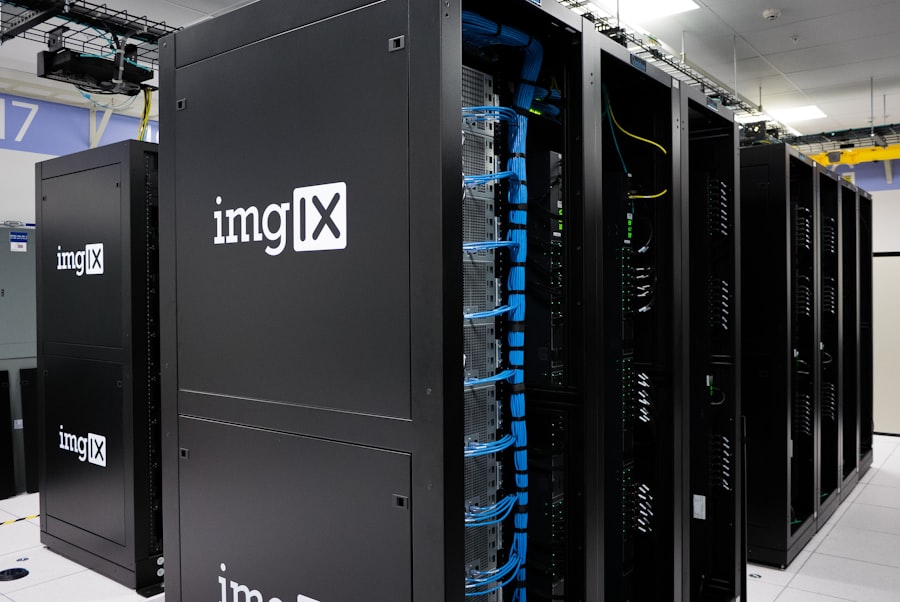
In today’s digital landscape, security isn’t just an option; it’s a fundamental requirement. Data breaches can lead to financial losses, reputational damage, and legal repercussions. Dedicated servers offer an unparalleled level of security, putting you in command of your digital fortress.
Physical Security and Data Protection: Beyond the Virtual
While virtual security is crucial, the physical security of your server hardware is equally important. Reputable dedicated server providers go to great lengths to secure their data centers.
- Robust Data Center Infrastructure: You’ll benefit from the physical security measures of a professional data center, including biometric access controls, 24/7 surveillance, redundant power supplies, environmental controls, and advanced fire suppression systems. Your server resides in a secure, climate-controlled environment, minimizing the risk of physical damage or unauthorized access.
- Custom Backup and Disaster Recovery Strategies: With a dedicated server, you have the flexibility to implement comprehensive backup and disaster recovery solutions tailored to your specific recovery point objectives (RPO) and recovery time objectives (RTO). You can choose your backup software, schedule backups as frequently as needed, and store them off-site for maximum resilience. This ensures business continuity even in the face of unforeseen events.
Compliance and Regulatory Requirements: Meeting Industry Standards
Many industries are subject to stringent compliance regulations, such as HIPAA for healthcare, PCI DSS for financial transactions, or GDPR for data privacy. Meeting these requirements often necessitates a high degree of control over your server environment and data.
- Tailored Compliance Solutions: Dedicated servers allow you to implement the specific security controls and audit trails required for various compliance standards. You can configure your environment to meet regulatory mandates, demonstrate adherence through detailed logging, and perform regular security audits. This level of control is often impossible to achieve in a shared hosting environment where you have limited visibility and influence over the underlying infrastructure.
- Data Residency and Sovereignty: For businesses operating in certain regions, data residency laws dictate where data must be stored. With a dedicated server, you can choose the exact geographical location of your server, ensuring compliance with data sovereignty regulations and addressing any concerns about cross-border data transfer.
Performance That Pays Dividends: The ROI of Dedicated Resources
While the initial cost of a dedicated server might be higher than shared hosting, the return on investment (ROI) often far outweighs the expense, especially for growing businesses with critical online operations.
Uninterrupted Uptime and Reliability: Business Continuity Guaranteed
Downtime is costly. Every minute your website or application is unavailable can translate into lost sales, damaged reputation, and frustrated customers. Dedicated servers offer superior uptime and reliability.
- Single-Tenant Environment: As mentioned, you’re not sharing resources, meaning the actions of other users cannot impact your server’s availability. This significantly reduces the risk of unexpected downtime due to resource contention or misconfigurations by other tenants.
- Proactive Monitoring and Maintenance: Reputable dedicated server providers offer extensive monitoring and maintenance services. This includes hardware monitoring, network uptime guarantees, and swift response times to any issues that may arise, ensuring your server remains operational around the clock.
Enhanced User Experience: Speed and Responsiveness
In today’s fast-paced digital world, users expect instant gratification. Slow loading times lead to high bounce rates and a poor user experience. Dedicated servers provide the raw power needed for blazing-fast performance.
- Rapid Page Load Times: With dedicated resources, your website and applications can load significantly faster. This is crucial for SEO rankings, as search engines favor faster websites. More importantly, it directly impacts user satisfaction and engagement.
- Smooth Application Performance: Whether you’re running complex e-commerce platforms, intricate web applications, or data analytics tools, a dedicated server ensures smooth, responsive performance, even under heavy load. This directly contributes to increased productivity for your team and a superior experience for your customers.
Businesses seeking greater control over their online presence may find it beneficial to explore dedicated servers, as they offer enhanced customization and security options. For those interested in optimizing their website’s performance alongside this control, a related article discusses effective strategies to improve loading speed and user experience. You can read more about these optimization techniques in this informative piece on how to optimize your website’s loading speed.
The Future-Proof Foundation: Scalability for Growth
| Control Aspect | Explanation |
|---|---|
| Performance | Dedicated servers offer consistent and reliable performance, as resources are not shared with other users. |
| Customization | Businesses have the flexibility to customize hardware, software, and configurations according to their specific needs. |
| Security | With dedicated servers, businesses have full control over security measures, including firewalls, encryption, and access controls. |
| Scalability | Businesses can easily scale their dedicated server resources up or down based on their changing needs. |
| Reliability | Dedicated servers provide high reliability and uptime, reducing the risk of downtime and data loss. |
Your business isn’t static; it’s constantly evolving. Your infrastructure needs to evolve with it. Dedicated servers provide a robust and adaptable foundation that can scale seamlessly as your business expands.
Horizontal and Vertical Scaling: Adapting to Demand
Dedicated servers offer both horizontal and vertical scaling options, giving you flexibility to meet growing demands.
- Vertical Scaling (Upgrading): You can easily upgrade components within your existing dedicated server, such as adding more RAM, upgrading to faster CPUs, or expanding storage. This allows you to increase the capacity of a single server to handle increased workloads.
- Horizontal Scaling (Adding Servers): As your business grows, you might reach a point where a single server, no matter how powerful, isn’t enough. Dedicated servers allow you to easily add more servers to your infrastructure, distributing your workload across multiple machines. This is crucial for handling massive traffic spikes, complex application architectures, and expanding global reach.
Long-Term Cost Efficiency: Beyond the Initial Investment
While the upfront cost might seem higher, the long-term cost efficiency of dedicated servers often proves to be superior for established and growing businesses.
- Reduced Overheads from Downtime: The cost of downtime, in terms of lost revenue and reputational damage, can quickly overshadow the savings from cheaper shared hosting. Dedicated servers minimize this risk, leading to significant long-term savings.
- Optimized Resource Utilization: With full control, you can ensure your server resources are being utilized efficiently, avoiding the waste associated with over-provisioning in shared or virtualized environments where you might be paying for resources you don’t fully use.
- Predictable Budgeting: Dedicated server costs are typically fixed monthly or annually, allowing for predictable budgeting without unexpected spikes due to resource overages or unexpected performance requirements in a shared environment.
In conclusion, for businesses that demand uncompromising performance, ironclad security, and absolute control over their digital infrastructure, dedicated servers are not just an option, but a strategic imperative. You gain the power to customize every aspect of your environment, ensuring it perfectly aligns with your unique operational needs and future growth ambitions. While the cloud offers undeniable benefits, the unbridled control and superior performance of a dedicated server empower you to build a resilient, high-performing digital foundation that truly puts your business in command. You are no longer a tenant; you are the architect of your own digital destiny.
FAQs
What is a dedicated server?
A dedicated server is a type of web hosting where a business leases an entire server for its exclusive use, rather than sharing it with other businesses or websites.
How do dedicated servers give businesses more control?
Dedicated servers give businesses more control by allowing them to customize the server to their specific needs, including hardware, software, and security configurations. This level of control enables businesses to optimize performance and security according to their unique requirements.
What are the benefits of using a dedicated server for businesses?
Some benefits of using a dedicated server for businesses include enhanced performance, increased security, greater reliability, and the ability to handle high traffic volumes. Additionally, dedicated servers provide businesses with full administrative access and the flexibility to install and run custom applications.
What types of businesses can benefit from using dedicated servers?
Businesses of all sizes and industries can benefit from using dedicated servers, particularly those with high traffic websites, resource-intensive applications, or strict security and compliance requirements. E-commerce businesses, SaaS companies, and enterprise organizations are common users of dedicated servers.
What should businesses consider when choosing a dedicated server provider?
When choosing a dedicated server provider, businesses should consider factors such as server performance, reliability, security measures, customer support, and scalability options. It’s important to select a provider that can meet the business’s current needs and accommodate future growth.









Add comment