

The digital landscape you navigate daily, comprised of websites, applications, and streaming services, relies fundamentally on a sophisticated network of servers that store and deliver this data to you. Over the decades, the architecture and placement of these servers have undergone significant transformations, driven by evolving technological capabilities and increasing user demands for speed and reliability. This article traces the evolution of web hosting servers, culminating in the integrated paradigm of edge computing, and examines how these shifts have profoundly impacted your online experience.
Your journey into web hosting likely began with an understanding of shared or dedicated servers, the foundational concepts that dominated the early internet. These models provided the essential infrastructure for websites to exist online, offering different levels of control and resources depending on your needs.
The Shared Server: A Digital Apartment Building
Imagine a shared server as a bustling apartment building. You, as a website owner, rent a small apartment within this building. While you have your own space and can customize its interior to some degree, you are inherently sharing the building’s resources – the elevator, the plumbing, and the electricity – with all other tenants.
- Cost-Effectiveness: This model was, and remains, the most budget-friendly option. By pooling resources, hosting providers could offer services at significantly lower costs, making website ownership accessible to a broader audience.
- Ease of Management: Typically, shared hosting comes with intuitive control panels and managed services, alleviating the need for you to possess deep technical expertise in server administration. The hosting provider handles the underlying infrastructure, security updates, and maintenance.
- Performance Limitations: The primary drawback for you lies in resource contention. If a neighboring tenant (another website) experiences a surge in traffic or a poorly optimized application consumes excessive CPU or memory, your own website’s performance can suffer. This “noisy neighbor” effect is a common complaint among shared hosting users.
- Security Concerns: While providers implement security measures, the shared environment can present a larger attack surface. A vulnerability exploited on one tenant’s site could potentially impact others on the same server, though providers often employ isolation techniques to mitigate this risk.
The Dedicated Server: Your Own Private Estate
As your website grew in complexity and traffic, you might have sought more control and guaranteed resources. This is where dedicated hosting entered the picture, offering a distinct upgrade from the shared model. Think of a dedicated server as owning your own private estate. You have exclusive access to the entire property, and all its resources are yours alone.
- Unrivaled Performance: With a dedicated server, you are no longer competing for resources. The entire CPU, RAM, storage, and network bandwidth are exclusively allocated to your website or application, leading to significantly improved speed, responsiveness, and reliability. This is crucial for high-traffic websites, e-commerce platforms, and resource-intensive applications.
- Enhanced Security: The isolation provided by a dedicated server offers a higher level of security. You have full control over the server’s configuration, enabling you to implement specific security protocols and firewalls tailored to your needs, without the inherent risks associated with a shared environment.
- Full Customization and Control: Dedicated hosting grants you root access to the server, allowing you to install any operating system, software, or application you desire. This level of flexibility is essential for developers and businesses with unique technical requirements.
- Increased Cost and Management Responsibility: The benefits of a dedicated server come at a higher cost. Furthermore, you are typically responsible for server maintenance, software updates, security patches, and troubleshooting, requiring a greater degree of technical expertise or the expense of managed dedicated hosting.
As web hosting servers continue to evolve with the integration of edge computing, businesses are also exploring new revenue streams to capitalize on these advancements. A related article discusses how reseller hosting can provide a passive income opportunity in 2025, highlighting the potential for recurring revenue in the hosting industry. To learn more about this emerging trend, you can read the article here: Passive Income in 2025: Recurring Revenue with Reseller Hosting.
The Rise of Virtualization and Cloud Hosting
The turn of the millennium witnessed a paradigm shift in server technology with the advent of virtualization. This innovation laid the groundwork for cloud computing, fundamentally altering how you consume and manage computing resources.
Virtual Private Servers (VPS): A Segregated Apartment
Virtualization allowed a single physical server to be partitioned into multiple isolated virtual environments, each operating as an independent server. This led to the creation of Virtual Private Servers, or VPS. Continuing our housing metaphor, a VPS is like renting a segregated apartment within a building, where your utilities are metered and guaranteed, even if you’re still sharing the overall structure.
- Resource Guarantees: Unlike shared hosting, VPS providers allocate a guaranteed amount of CPU, RAM, and storage to your virtual server. This prevents the “noisy neighbor” effect from significantly impacting your performance.
- Increased Isolation and Security: Each VPS operates independently with its own operating system and resources, offering superior isolation and security compared to shared hosting. A compromise on one VPS is less likely to affect others on the same physical server.
- Scalability and Flexibility: VPS provides a degree of scalability. You can often easily upgrade or downgrade your resource allocation as your needs change, without the significant hardware investment associated with dedicated servers.
- Cost-Effectiveness: VPS strikes a balance between the affordability of shared hosting and the power of dedicated hosting, offering a more cost-effective solution for growing websites and applications that outgrow shared environments but don’t yet require a full dedicated server.
Cloud Hosting: The Decentralized Metropolis
Cloud hosting extends the principles of virtualization across a vast network of interconnected physical servers, forming a “cloud” of computing resources. Instead of relying on a single physical server, your website’s data and applications are distributed across multiple servers, often in different geographical locations. Think of this as residing in a decentralized metropolis, where your services are not tied to a single address but are seamlessly available across many interconnected districts.
- Unprecedented Scalability and Elasticity: This is perhaps the most significant advantage for you. Cloud hosting allows for near-instantaneous scaling of resources up or down based on demand. If your website experiences a traffic spike, the cloud infrastructure can automatically provision additional resources to handle the load, and then scale back down when demand subsides. You pay only for the resources you consume, akin to paying for electricity based on usage.
- High Availability and Redundancy: By distributing data across multiple servers and data centers, cloud hosting offers inherent redundancy. If one server or even an entire data center fails, your website remains online as traffic is rerouted to other healthy instances. This significantly reduces downtime and improves reliability.
- Global Reach and Content Delivery Networks (CDNs): Cloud providers often have data centers strategically located around the globe. This enables you to deploy your applications closer to your target audience, reducing latency. Furthermore, cloud platforms frequently integrate with CDNs, which cache your content on servers geographically closer to your users, further accelerating delivery.
- Pay-as-You-Go Model: The utility-based billing model of cloud computing means you only pay for the exact resources you use, often down to the minute or second. This can lead to significant cost savings compared to traditional fixed-cost hosting models, especially for applications with fluctuating resource demands.
- Complexity and Vendor Lock-in: While offering immense power, cloud platforms can be complex to manage, requiring specialized skills. There’s also the potential for vendor lock-in, where migrating your applications from one cloud provider to another can be challenging due to proprietary services and APIs.
The Demands of the Modern Web: Speed, Latency, and Data Gravity
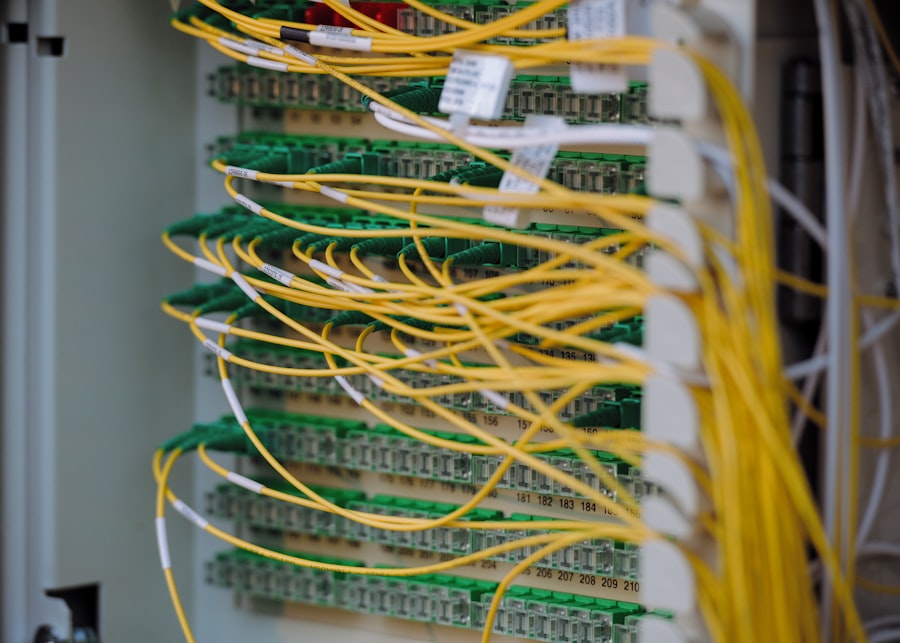
As your online activities have become more sophisticated – 4K streaming, real-time gaming, augmented reality, and the Internet of Things (IoT) – the traditional centralized data center model began to show its limitations. The journey of data from a user’s device to a distant cloud server and back introduces a crucial bottleneck: latency.
The Tyranny of Distance: Why Latency Matters
Imagine trying to have a real-time conversation with someone across the ocean. There’s a natural delay as your words travel across the vast distance. The same principle applies to data. Every millisecond of delay, or latency, can impact your user experience.
- User Experience Deterioration: High latency leads to slow page loads, buffering in streaming videos, lag in online games, and unresponsive applications. In a world accustomed to instant gratification, these delays can lead to user frustration and abandonment.
- Impact on Real-time Applications: For applications requiring immediate responsiveness, such as autonomous vehicles, remote surgery, or industrial IoT, even minuscule delays can have critical consequences.
- Bandwidth Consumption: As data volumes explode, particularly with high-definition content, transferring all this data back and forth to distant centralized data centers becomes increasingly inefficient and costly in terms of bandwidth.
- Data Gravity: The sheer volume of data being generated at the “edge” – by smart devices, sensors, and mobile phones – creates a “gravity” effect. It becomes impractical and inefficient to move all this raw data to a central location for processing and then send processed results back.
Edge Computing: Bringing the Cloud Closer
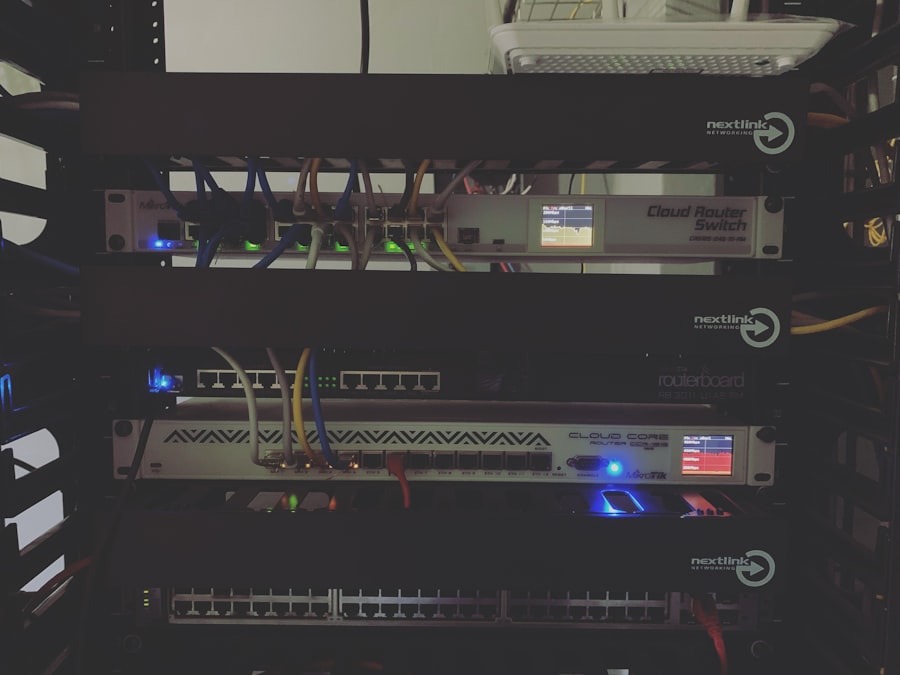
Recognizing the limitations of centralized cloud architecture, the industry began to explore solutions that would bring compute power and data storage physically closer to the source of data generation and consumption. This is the essence of edge computing. Think of it as deploying mini-data centers or specialized processing units to neighborhood hubs or even directly within your smart devices, rather than relying solely on the distant metropolis.
The Decentralization Imperative: Processing at the Source
Edge computing fundamentally shifts the paradigm from a purely centralized model to a more distributed one. Instead of every data point traveling to a remote data center, a significant portion of processing and storage occurs at or near the “edge” of the network, where the data is actually generated.
- Reduced Latency and Enhanced Responsiveness: By processing data closer to the user or device, edge computing drastically reduces the round-trip time for data. This translates into near real-time responsiveness for applications, crucial for interactive experiences and mission-critical systems.
- Optimized Bandwidth Utilization: Instead of transmitting raw, untagged data over long distances to the cloud, edge devices can pre-process, filter, and analyze data locally. Only relevant or aggregated data is then sent to the central cloud for further analysis or long-term storage, significantly reducing bandwidth consumption and associated costs.
- Improved Reliability and Resilience: Edge devices can operate autonomously even if connectivity to the central cloud is temporarily lost. This is particularly important for applications in remote locations or industries where continuous operation is paramount, such as manufacturing or oil and gas.
- Enhanced Security and Privacy: Processing sensitive data locally at the edge reduces the need to transmit it across the network, thereby minimizing the attack surface and potential for data breaches. This also helps in complying with data privacy regulations by keeping data localized within specific geographical boundaries.
- Scalability for IoT and Big Data: The massive influx of data from billions of IoT devices makes a centralized processing model unsustainable. Edge computing provides the necessary distributed infrastructure to handle this scale, allowing for localized processing of vast quantities of data.
The Interplay with 5G and AI: A Powerful Synergy
The true potential of edge computing is unlocked when combined with other transformative technologies like 5G and Artificial Intelligence (AI). These elements act as complementary forces, amplifying each other’s capabilities.
- 5G as the Ultrafast Highway: You can think of 5G as the incredibly fast, low-latency highway that connects edge devices and edge data centers. Its high bandwidth and minimal delay are essential for transmitting the volumes of data processed at the edge, especially for real-time applications. 5G facilitates the rapid exchange of information between IoT devices, edge servers, and the central cloud.
- AI at the Edge: Intelligent Decision-Making: Deploying AI and machine learning models at the edge allows for intelligent decision-making to occur in real-time, right where the data is generated. Instead of sending all video feeds to the cloud for object recognition, an AI model on an edge camera can immediately identify an anomaly and trigger an alert. This enables applications like predictive maintenance, autonomous robotics, and intelligent surveillance.
- Enabling New Applications and Services: This synergy between edge computing, 5G, and AI is paving the way for entirely new categories of applications and services. Consider augmented reality (AR) in industrial settings, where real-time overlays of machine data assist technicians, or smart city applications that manage traffic flow based on instantaneous sensor input. The responsiveness and intelligence provided by this combined architecture are game-changers.
As web hosting servers continue to evolve with the integration of edge computing, it’s essential to consider how these advancements can enhance website performance. A related article discusses various strategies to optimize your website’s loading speed and improve user experience, which is crucial in today’s fast-paced digital environment. By implementing the techniques outlined in this article, you can ensure that your site remains competitive and responsive. For more insights, you can read the full article on optimizing your website’s loading speed.
Edge Computing Deployment Models and Challenges
| Metric | Traditional Web Hosting Servers | Edge Computing Enhanced Servers | Impact of Edge Computing |
|---|---|---|---|
| Latency | 50-100 ms (average) | 5-20 ms (average) | Significant reduction in response time improving user experience |
| Data Processing Location | Centralized data centers | Distributed edge nodes closer to users | Reduces bandwidth usage and speeds up data processing |
| Scalability | Limited by central server capacity | Highly scalable with distributed architecture | Improves handling of traffic spikes and load balancing |
| Reliability | Dependent on central server uptime | Improved fault tolerance via multiple edge nodes | Minimizes downtime and service interruptions |
| Security | Centralized security measures | Enhanced with localized security protocols at edge | Better protection against DDoS and localized attacks |
| Bandwidth Usage | High due to centralized data transfer | Reduced by processing data locally at edge | Decreases network congestion and costs |
| Content Delivery Speed | Slower, dependent on distance to data center | Faster, content cached at edge locations | Improves load times for global users |
The implementation of edge computing is not a one-size-fits-all solution. Various deployment models cater to different needs, and the transition to this distributed architecture presents its own set of challenges that you, as a consumer or developer, should be aware of.
From Micro Data Centers to Device-Level Processing
Edge computing encompasses a spectrum of deployment models, each representing a different degree of proximity to the data source.
- Micro Data Centers: These are small, modular data centers deployed in close proximity to end-users or data sources, such as at the base of a 5G tower, in a factory, or in a retail store. They essentially miniaturize cloud capabilities, offering significant compute and storage resources.
- Fog Computing: This model represents a layer between the edge devices and the traditional cloud. It acts as an intermediary, collecting, processing, and filtering data from multiple edge devices before sending it to the cloud. Think of it as a mist (fog) that gathers around the ground (edge devices) before rising to the sky (cloud).
- On-Premise Edge: In this model, computing resources are deployed directly within a company’s own facilities, such as a factory floor or a hospital. This allows for maximum control over data and application management, particularly for sensitive or critical operations.
- Device-Level Edge Computing: The most extreme form of edge computing involves processing data directly on the end device itself (e.g., a smart camera, a self-driving car’s onboard computer, or a smartphone). This offers the lowest latency but is limited by the device’s processing power and battery life.
Navigating the Hurdles: The New Frontier
While promising, edge computing introduces complexities that require careful consideration and innovative solutions. You will encounter these challenges as the technology matures.
- Security at the Edge: Distributing computing resources across numerous edge locations increases the attack surface. Securing these geographically dispersed devices and ensuring data integrity and confidentiality in a less controlled environment is a significant challenge. Robust authentication, encryption, and intrusion detection mechanisms are paramount.
- Management and Orchestration: Managing and orchestrating applications and infrastructure across a vast, heterogeneous network of edge devices, micro data centers, and cloud resources can be incredibly complex. Tools for centralized management, automated deployment, and remote monitoring are crucial for effective operation.
- Interoperability and Standardization: The proliferation of different edge devices, platforms, and protocols creates interoperability challenges. Establishing common standards and open frameworks will be essential to ensure seamless communication and data exchange across the edge ecosystem.
- Data Consistency and Synchronization: Maintaining data consistency and synchronizing data between numerous edge locations and the central cloud is another intricate task. Striking the right balance between local processing and cloud-based aggregation requires sophisticated data management strategies.
- Power and Connectivity: Edge devices are often deployed in environments with limited power or intermittent connectivity. Designing energy-efficient hardware and developing robust offline capabilities are critical for ensuring continuous operation in such scenarios.
The Future Landscape: Seamless Integration and Pervasive Intelligence
The evolution of web hosting servers towards edge computing is not a displacement of the cloud but rather an expansion and optimization of its capabilities. The future will likely see a seamless integration of cloud and edge, forming a continuum of computing resources tailored to specific application requirements.
A Hybrid and Distributed Architecture
You can envision a future where your data traverses a landscape of interconnected computing environments. High-level analytics and historical data storage will remain in the centralized cloud, while real-time processing, immediate decision-making, and sensitive data handling will increasingly occur at the edge.
- Cloud as the Orchestrator: The central cloud will continue to act as the overarching orchestrator, managing and deploying applications to various edge locations, aggregating data for holistic analysis, and providing long-term storage.
- Edge as the Real-time Responder: Edge infrastructure will serve as the immediate responder, handling time-sensitive data, executing local AI models, and providing instant feedback to users and devices.
- Intelligent Network Fabric: The network connecting these components will become even more intelligent, dynamically routing traffic, optimizing data paths, and ensuring low-latency communication between distributed resources.
- Horizontal Scalability: The ability to scale horizontally, by adding more edge nodes as needed, will allow for unprecedented adaptability to growing data volumes and computational demands.
Impact on Your Digital Life
The implications of this evolution for your daily digital life are profound and far-reaching.
- Hyper-Personalized Experiences: Edge computing will enable applications to understand your context and preferences with unprecedented precision, delivering highly personalized content, services, and recommendations in real-time.
- Truly Immersive Experiences: Augmenting your reality with seamless digital overlays, interacting with virtual objects with zero lag, and participating in live events with instantaneous feedback will become commonplace.
- Enhanced Safety and Efficiency: From smart cities that anticipate and prevent accidents to autonomous vehicles making split-second safety decisions, edge computing will underpin a new era of safety and operational efficiency.
- Democratization of Advanced Technologies: By making powerful computing and AI capabilities available closer to the point of interaction, edge computing will democratize access to advanced technologies, fostering innovation across various sectors.
In conclusion, the journey from centralized shared servers to the distributed paradigm of edge computing reflects a continuous pursuit of improved performance, reliability, and responsiveness. As you continue to interact with an increasingly complex and data-rich digital world, the invisible infrastructure of web hosting servers, now extending to the very edge of the network, will be working tirelessly to deliver the seamless and intelligent experiences you expect and demand.
FAQs
What is edge computing in the context of web hosting?
Edge computing refers to the practice of processing data closer to the location where it is generated or needed, rather than relying solely on centralized data centers. In web hosting, this means deploying servers and resources at multiple edge locations to reduce latency and improve performance for users.
How does edge computing improve web hosting server performance?
By distributing computing resources closer to end-users, edge computing reduces the distance data must travel, leading to faster load times, lower latency, and improved responsiveness. This enhances the overall user experience, especially for applications requiring real-time data processing.
What are the main benefits of integrating edge computing with traditional web hosting?
Integrating edge computing with traditional web hosting offers benefits such as improved speed and reliability, reduced bandwidth costs, enhanced security through localized data processing, and better scalability to handle traffic spikes by distributing workloads across multiple edge locations.
Are there any challenges associated with using edge computing in web hosting?
Yes, challenges include increased complexity in managing distributed infrastructure, potential security risks at multiple edge sites, higher initial setup costs, and the need for specialized tools and expertise to monitor and maintain edge servers effectively.
How is the evolution of web hosting servers with edge computing impacting businesses?
The evolution enables businesses to deliver faster, more reliable online services, support emerging technologies like IoT and real-time analytics, and improve customer satisfaction. It also allows businesses to scale efficiently and maintain competitive advantages in digital markets.









Add comment