

You stand on the precipice of launching a new venture or revitalizing an existing one. In the digital landscape of 2026, your online identity is inextricably linked to your brand’s success. A critical component of this identity is your domain name. It is not merely an address; it is your digital storefront, your first impression, and a foundational element of your brand authority. Choosing the perfect domain name now requires foresight and strategic thinking, given the evolving nature of the internet and consumer behavior.
The internet of 2026 is more crowded and sophisticated than ever. Generic top-level domains (gTLDs) have proliferated, and country code top-level domains (ccTLDs) are gaining regional prominence. Traditional .com remains powerful, but newer, more specific extensions offer unique branding opportunities. Your choice of domain name must navigate this complexity to establish authority and memorability.
The Enduring Power of .com
Despite the influx of new gTLDs, .com continues to hold significant prestige. It is the default extension for many users, carrying an inherent level of trust and familiarity. If a .com domain is available that perfectly aligns with your brand, it should be a primary consideration. Its ubiquity makes it the path of least resistance for consumer recall.
The Rise of Niche gTLDs
Extensions like .tech, .app, .store, .guru, or .agency can provide immediate context for your brand. For a technology company, .tech signals your industry instantly. A fashion e-commerce site might benefit from a .boutique domain. These specific gTLDs allow you to communicate your purpose before a user even reaches your website, potentially enhancing your brand’s perceived relevance.
Strategic Use of ccTLDs
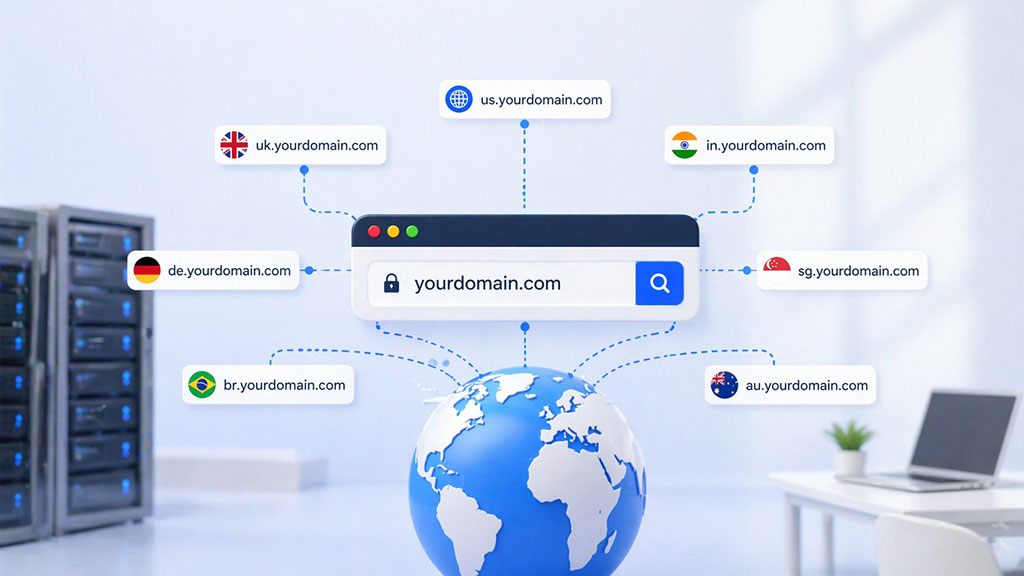
If your target audience is geographically specific, a ccTLD can significantly boost your brand authority within that region. For instance, a business primarily serving customers in Germany might benefit from a .de domain. This not only signals local presence but can also improve search engine rankings for local queries. However, a global brand might find a ccTLD limiting unless used in conjunction with other domains.
The Blockchain Domain Trend
While still nascent, blockchain domains (.eth, .crypto, etc.) are emerging as a factor in the future of online identity. You need to consider whether these decentralized identifiers fit into your long-term brand strategy. They offer unique features like censorship resistance and integrated cryptocurrency wallets, which might appeal to certain audiences. For mainstream brand authority in 2026, traditional domains remain paramount, but monitoring blockchain domains is prudent.
When considering how to select a domain name that boosts brand authority in 2026, it’s also beneficial to explore the technical aspects of website performance. A related article that delves into optimizing your website’s capabilities is titled “Unleash Your Website’s Full Potential with Dedicated Servers: A Deep Dive.” This resource provides valuable insights into how dedicated servers can enhance your site’s speed and reliability, which are crucial for maintaining a strong brand presence online. You can read the article here: Unleash Your Website’s Full Potential with Dedicated Servers: A Deep Dive.
Crafting a Memorable and Brand-Aligned Name
Your domain name should be an extension of your brand identity. It needs to be easy to remember, spell, and pronounce. A complex or convoluted domain will hinder recall and create friction for potential customers.
Keep it Short and Simple
Brevity aids memorability. Shorter domain names are easier to type, reducing the chance of errors. Aim for a name that is concise, yet descriptive enough to convey your brand’s essence. Avoid hyphens and numbers unless they are integral to your brand name itself, as they can cause confusion and are often forgotten.
Ensure Pronounceability
If a potential customer cannot easily say your domain name, they are less likely to remember it or recommend it. Test your proposed names by saying them out loud. Ask others to pronounce them. If there’s hesitation or mispronunciation, reconsider. The goal is seamless communication.
Brand Name Alignment
Ideally, your domain name will be your brand name. This creates a strong, consistent identity across all touchpoints. If your exact brand name is unavailable, you must explore close variations or incorporate relevant keywords. However, prioritize brand recognition over keyword stuffing within the domain name itself.
Avoiding Trademark Infringement
Before finalizing any domain name, you must conduct a thorough trademark search. Using a domain name that infringes on an existing trademark can lead to legal complications, costly rebranding efforts, and abandonment of your established online presence. This due diligence is non-negotiable.
Future-Proofing Your Brand
Consider how your brand might evolve. A domain name that is too narrow or specific might limit your future growth. For example, “BestCoffeeNYC.com” might be suitable initially, but if you expand beyond coffee or New York City, it becomes restrictive. Aim for a name that offers flexibility.
Optimizing for Search Engines and User Experience

In 2026, search engine optimization (SEO) is not solely about keywords; it’s about providing a valuable and seamless user experience. Your domain name plays a subtle yet significant role in this broader strategy.
Keyword Integration (with Caution)
While direct keyword stuffing in domain names is generally discouraged by search engines, a relevant keyword can still be beneficial if it naturally fits your brand name. For example, if your brand is “EcoCycles” and you sell bicycles, “EcoCyclesBikes.com” might be acceptable. The key is natural inclusion, not forced optimization, which can appear spammy.
Readability and Trust Signals
A readable domain name inspires confidence. A jumbled collection of letters or numbers can signal an untrustworthy site to users and search engines alike. Your domain name is a trust signal. A clear, professional, and relevant domain name contributes to a positive user experience even before they reach your site.
Authority and Backlinks
A strong, memorable domain name is more likely to accrue high-quality backlinks. When other reputable websites link to yours, it boosts your domain authority in the eyes of search engines. A complex or unprofessional domain name might deter others from linking to it, even if your content is excellent.
Mobile-Friendliness
Given the pervasive use of mobile devices in 2026, your domain name needs to be easy to type on a smartphone keyboard. Long, convoluted names with special characters are frustrating on mobile and can lead to higher bounce rates. Prioritize ease of mobile entry.
Voice Search Considerations
While voice search primarily focuses on natural language queries, a clear and pronounceable domain name can indirectly assist. If someone is verbally searching for your brand, a simple, easily vocalized domain reduces the likelihood of misinterpretation by voice assistants.
Navigating Availability and Registration Strategies
Finding the perfect domain name can be challenging due to the sheer volume of registered domains. You need a structured approach to identifying and acquiring your desired name.
Brainstorming and Variations
Begin with a comprehensive list of potential domain names, including your brand name, relevant keywords, and creative variations. Use domain name generators and thesauruses to expand your options. Do not limit yourself to your first idea.
Utilizing Domain Name Generators
Various online tools can assist you in generating domain name ideas. These tools often suggest available domains based on your input, incorporating different gTLDs and creative suffixes or prefixes. They can be invaluable when your initial ideas are unavailable.
Checking Availability Across TLDs
Once you have a list of prospects, systematically check their availability across multiple top-level domains. Prioritize .com, but also investigate relevant niche gTLDs and ccTLDs. A single domain strategy might be limiting.
The Role of Premium Domains
Some highly desirable domain names are sold at a premium by their current owners. You must weigh the potential benefits of acquiring a premium domain against its cost. A premium domain can offer immediate brand recognition and authority, but it requires a careful financial justification.
Brokering Services for Unavailable Domains
If your ideal domain is taken but not in active use, you might consider engaging a domain broker. These professionals can discreetly negotiate with the current owner on your behalf to acquire the domain. This process requires patience and a clear budget.
Registering Multiple TLDs for Protection
To safeguard your brand authority, you should consider registering your primary domain across multiple relevant gTLDs and ccTLDs. This prevents competitors or squatters from acquiring similar domains and confusing your audience or diluting your brand. It’s a proactive defense strategy.
When considering how to select a domain name that boosts brand authority in 2026, it can be beneficial to understand the broader context of online performance. A related article that delves into optimizing your website for better user experience is available here: mastering core web vitals. This resource highlights the importance of site speed and performance, which are crucial factors that can complement a strong domain name in establishing a reputable online presence.
Legal and Long-Term Considerations
Your domain name is an asset. Protecting it and managing its lifecycle is essential for sustained brand authority.
Domain Name Ownership and Security
Ensure that you, or your entity, are clearly listed as the owner of the domain, not your web designer or any third party. Implement strong security measures, such as two-factor authentication, with your domain registrar to prevent unauthorized access or transfer. Your domain is a critical vulnerability if not properly secured.
Renewal Strategies and Timelines
Missing a domain renewal date can result in your domain becoming available to the public. Establish clear renewal processes and ensure automatic renewal is enabled where possible. Monitor expiry dates proactively to avoid brand disruption and loss of authority.
Intellectual Property Protection
Your domain name often forms part of your broader intellectual property. Consider registering your brand name as a trademark. This provides legal recourse if someone attempts to use a similar domain name to capitalize on your brand’s reputation. A strong legal foundation reinforces your online authority.
Geographic Targeting and Multi-Lingual Sites
If your brand targets multiple geographic regions or language groups, your domain strategy needs to accommodate this. This might involve using ccTLDs for specific regions, or subdomains/subdirectories for different languages under a primary global domain. Each approach has SEO implications that you must understand.
Adapting to Future Domain Trends
The internet is dynamic. While traditional domains remain foundational, you must stay abreast of emerging trends like decentralized domains, new gTLDs, and changes in search engine algorithms. Your domain strategy should be flexible enough to adapt without requiring a complete overhaul of your brand identity. This involves regular review and potential acquisition of new domains as they become relevant.
By meticulously considering these factors, you can select and manage a domain name that not only serves as your online address but also powerfully reinforces your brand authority, trust, and memorability in the competitive digital landscape of 2026. This is not a task to be rushed; it is an investment in your brand’s future.
FAQs
1. Why is selecting a domain name important for brand authority?
Selecting a domain name is important for brand authority because it is often the first impression a potential customer has of a business. A strong domain name can convey professionalism, credibility, and trustworthiness, which are all important factors in building brand authority.
2. What are some key factors to consider when selecting a domain name for brand authority?
When selecting a domain name for brand authority, it’s important to consider factors such as relevance to the brand, memorability, ease of spelling and pronunciation, and uniqueness. Additionally, considering the target audience and potential keywords can also play a role in selecting an effective domain name.
3. How can a domain name impact brand authority in 2026?
In 2026, a domain name can impact brand authority by influencing search engine rankings, user perception, and overall brand recognition. A well-chosen domain name can help a brand stand out in a crowded online marketplace and establish itself as a trusted and authoritative source within its industry.
4. Are there any current trends or best practices for selecting a domain name in 2026?
In 2026, some current trends and best practices for selecting a domain name include using relevant keywords, keeping the domain name short and memorable, avoiding hyphens and numbers, and considering the potential for international expansion. Additionally, leveraging new domain extensions and incorporating branding elements into the domain name can also be effective strategies.
5. What are some common mistakes to avoid when selecting a domain name for brand authority?
Common mistakes to avoid when selecting a domain name for brand authority include choosing a domain name that is too similar to existing brands, using trademarked terms without permission, and neglecting to secure relevant social media handles. It’s also important to avoid using obscure or confusing words, as well as making the domain name too long or difficult to remember.









Add comment