
You’ve decided to leverage the power of WordPress Multisite. Smart move for an agency! It offers scalability, streamlined management, and the ability to serve diverse client needs from a single, robust platform. But diving into Multisite can feel like navigating uncharted waters. Fear not! This comprehensive guide will equip you with everything you need to set up and manage your WordPress Multisite network like a seasoned pro, ensuring you can offer your clients top-tier WordPress solutions efficiently and effectively.
Before you begin the technical setup, it’s crucial to grasp what WordPress Multisite actually is. Think of it not as a collection of separate WordPress installations, but rather as a single WordPress core installation that can manage a network of websites. Each website within this network is effectively a sub-site with its own media library, plugins, themes, and users (though some aspects can be controlled network-wide). This distinction is vital for understanding permissions, installation processes, and troubleshooting.
The Core Installation: Your Central Command Post
At the heart of your Multisite network lies a singular WordPress installation. This is where you’ll install WordPress itself, and it will serve as the foundation for all subsequent sites you create. This core installation handles all the fundamental WordPress functions, and the Multisite feature adds a layer of functionality on top.
Network Admin vs. Site Admin Roles
Understanding the different administrative roles is paramount. You’ll have a Network Administrator (often called the Super Admin in older documentation) who has overarching control over the entire network. This role can create new sites, install/activate/deactivate network-wide plugins and themes, manage users across the entire network, and configure network settings. Then, you’ll have Site Administrators for each individual site within the network. These administrators have control only over their specific site, managing its content, plugins, and themes independently. Differentiating these roles clearly from the outset will prevent confusion and ensure proper delegation of responsibilities within your agency and for your clients.
Subdirectories vs. Subdomains: Your Network Architecture
When you set up a Multisite network, you’ll need to decide on your URL structure. WordPress Multisite offers two primary options: subdirectories and subdomains. Each has its pros and cons, and the best choice depends on your agency’s strategy and client requirements.
Subdirectory Structure (e.g., youragency.com/client-a, youragency.com/client-b)
The subdirectory structure is often simpler to set up initially and can be beneficial for SEO as all content is on a single domain. However, it can sometimes lead to URL length issues for very large networks and might not feel as distinct for individual client sites. For agencies, this can mean an easily manageable hierarchy.
Pros of Subdirectories:
- Easier SSL Setup: SSL certificates are typically applied to the primary domain, simplifying the process for all sub-sites.
- Potential SEO Benefits: Consolidating authority under a single domain can be advantageous.
- Simpler DNS Configuration: No need to manage individual DNS records for each sub-site.
Cons of Subdirectories:
- URL Length: Can lead to very long URLs if you have a deeply nested or extensive network.
- Less Brand Separation: Each client site might feel less distinct if they all share the root domain.
- Potential for Server Resource Issues: While manageable, a large number of subdirectories on a single database could eventually impact performance if not optimized correctly.
Subdomain Structure (e.g., client-a.youragency.com, client-b.youragency.com)
The subdomain structure offers more distinct branding for each client site. It can feel more professional and independent. However, it requires slightly more complex server and DNS configuration.
Pros of Subdomains:
- Stronger Brand Separation: Each client site has its own dedicated URL, promoting individual branding.
- Better for Distinct Services: Ideal if you offer very different types of services or have clients demanding strong brand autonomy.
- Cleaner URLs: Generally results in shorter and more manageable URLs for each site.
Cons of Subdomains:
- More Complex DNS Management: Requires wildcard DNS records or individual records for each subdomain.
- Potential SSL Hassles: You might need wildcard SSL certificates or individual certificates for each subdomain, which can increase costs and complexity.
- SEO Considerations: Each subdomain is treated as a separate entity by search engines, meaning SEO efforts need to be applied individually.
The Database: The Central Nervous System
Regardless of the URL structure you choose, all sites within your Multisite network share a single WordPress database. WordPress uses a clever system of prefixes to differentiate tables belonging to different sites within this database. This shared database is a key factor in Multisite’s efficiency, but it also means that a poorly optimized plugin or a database issue can affect the entire network.
Table Prefixes: The Key to Segregation
When you enable Multisite, you’ll typically see increased table names in your wp-config.php file related to table prefixes. For example, you might see wp_ for the main site and wp_2_, wp_3_, and so on for subsequent sites. This is how WordPress keeps the data for each site separate within the shared database.
When setting up a WordPress Multisite for agencies, it’s essential to consider the security features offered by your web host to ensure the safety of multiple sites under one installation. A related article that delves into this topic is “Top 5 Security Features Your Web Host Should Offer in 2023,” which outlines critical security measures that can protect your network of sites. You can read more about these important features by visiting this link: Top 5 Security Features Your Web Host Should Offer in 2023.
Pre-Installation Checklist: Laying the Groundwork for Success
Before you even think about editing configuration files, a thorough pre-installation checklist will save you a significant amount of time and prevent headaches down the line. Agencies often have specific security, performance, and client onboarding requirements, so this step is crucial for a smooth deployment.
Secure Your Hosting Environment
Multisite networks, especially those intended for client use, demand robust security. Your hosting environment is your first line of defense.
Choose a Reliable Hosting Provider
Not all hosting providers are created equal, and for Multisite, you need a plan that can handle the increased load and complexity. Look for hosts that explicitly support WordPress Multisite and offer features like managed WordPress, good resource allocation (CPU, RAM), and SSD storage.
Server Configuration for Domain Mapping (if needed)
If you plan to use subdomains or allow clients to map their own custom domains to their sites within your network, your server configuration will need to accommodate this. This typically involves setting up wildcard DNS records and ensuring your web server (Apache or Nginx) is configured correctly to handle them.
Backup Your Existing WordPress Installation
This is non-negotiable. Whether you’re setting up a new Multisite or converting an existing single site, a complete backup of your WordPress files and database is essential. Your backup should include everything: the core WordPress files, themes, plugins, uploads, and the database.
Full File System Backup
This involves copying all files and folders within your WordPress installation directory.
Database Backup
This involves exporting your entire WordPress database. Many hosting providers offer tools for this, or you can use phpMyAdmin.
Understand Your Domain Mapping Strategy
Domain mapping is the ability to assign custom domain names (e.g., www.clientdomain.com) to individual sites within your Multisite network. This is a common requirement for agencies, allowing clients to use their own branding while staying within your managed platform.
Planning for Custom Domains
Consider if and how you’ll handle domain mapping. Will you offer it as a premium service? Will you provide guidance to clients on setting up their DNS? Planning this out now will streamline client onboarding later.
Consider Future Scalability and Performance
As an agency, you’re likely thinking about growth. Your Multisite setup should be designed to scale without crippling performance.
Database Optimization
A shared database means that performance issues on one site can impact others. Regularly optimize your database and consider using plugins that help with database cleanup and optimization.
Caching Strategies
Implementing effective caching is crucial for Multisite performance. This includes server-level caching, object caching (like Redis or Memcached), and browser caching.
The Technical Setup: Enabling and Configuring Multisite

With your prerequisites in place, you’re ready to dive into the actual technical setup of your WordPress Multisite network. This process involves editing core WordPress configuration files.
Enabling Multisite in wp-config.php
The first step to enabling Multisite is to add a specific line of code to your wp-config.php file. This file is located in the root directory of your WordPress installation.
Defining WP_ALLOW_MULTISITE
Open your wp-config.php file in a text editor and add the following line just above the / That's all, stop editing! Happy publishing. / line:
“`php
define(‘WP_ALLOW_MULTISITE’, true);
“`
After saving this file, go to your WordPress admin dashboard. You should now see a new menu item under “Tools” called “Network Setup.”
Configuring the Network Setup
Once WP_ALLOW_MULTISITE is defined, navigating to “Tools > Network Setup” will present you with the configuration options for your network.
Choosing Your URL Structure (Subdirectories or Subdomains)
Here, you’ll make the crucial decision between subdirectories and subdomains. Based on your earlier planning, select the option that best suits your agency’s needs.
- Subdomains: If you choose subdomains, you’ll need to ensure your server is properly configured to handle wildcard subdomains. This usually involves adding a wildcard DNS record to your DNS settings (e.g.,
*.youragency.com A 123.45.67.89). - Subdirectories: If you opt for subdirectories, no special server configuration is typically needed at this stage, as WordPress handles them inherently.
Filling in Network Details
You’ll be asked to provide a “Network Title” and “Network Admin Email.” Fill these in with appropriate information for your agency.
Modifying wp-config.php and .htaccess (Post-Setup)
After you click “Install” on the Network Setup screen, WordPress will provide you with further instructions. This usually involves editing two files: wp-config.php again and your .htaccess file.
Adding Multisite Constants to wp-config.php
WordPress will present you with a block of code to add to wp-config.php after the WP_ALLOW_MULTISITE line. This code defines your network settings, including the MULTISITE constant and other essential configurations.
“`php
define(‘MULTISITE’, true);
define(‘SUBDOMAIN_INSTALL’, true); // Or false if you chose subdirectories
define(‘DOMAIN_CURRENT_SITE’, ‘youragency.com’);
define(‘PATH_CURRENT_SITE’, ‘/’);
define(‘SITE_ID_CURRENT_SITE’, 1);
define(‘BLOG_ID_CURRENT_SITE’, 1);
“`
Note: Ensure SUBDOMAIN_INSTALL is set to true or false according to your chosen URL structure. Replace youragency.com with your actual primary domain.
Updating .htaccess for Multisite Functionality
You’ll also be given a new set of rules to add to your .htaccess file (located in your WordPress root directory). This file controls how your server handles requests. The Multisite rules are vital for routing traffic correctly to the appropriate site within your network.
“`apache
RewriteEngine On
RewriteRule .* – [E=HTTP_AUTHORIZATION:%{HTTP:Authorization}]
RewriteBase /
RewriteRule ^index\.php$ – [L]
add a trailing slash to /wp-admin
RewriteRule ^wp-admin$ wp-admin/ [R=301,L]
if ( ! -f $document_root .htaccess ) {
If the .htaccess file doesn’t exist, don’t do anything.
} else {
If the .htaccess file exists, rewrite the rules.
RewriteRule ^wp-admin/index\.php – [L]
RewriteRule ^([_0-9a-zA-Z-]+/)?files/(.*) wp-includes/ms-files.php?file=$2 [L]
RewriteRule ^([_0-9a-zA-Z-]+/)?(wp-(content|admin|includes).*) $2 [L]
RewriteRule ^(_|-)?(.*) $1$2 [L]
RewriteRule ^(.*\.php)$ $1 [L]
RewriteRule ^[^/]+(/.*)? $1 [L]
RewriteRule $ index.php [L]
}
“`
Important: Back up your existing .htaccess file before making any changes. If you’re using Nginx, the configuration will be different and require modifying your Nginx server block.
Logging into Your Network Admin Dashboard
After these changes, you’ll need to log out of your WordPress site and log back in. You should now have access to the Network Admin dashboard, typically found at youragency.com/wp-admin/network/. This is your command center for managing the entire Multisite network.
Managing Your Network: Administering Across Multiple Sites
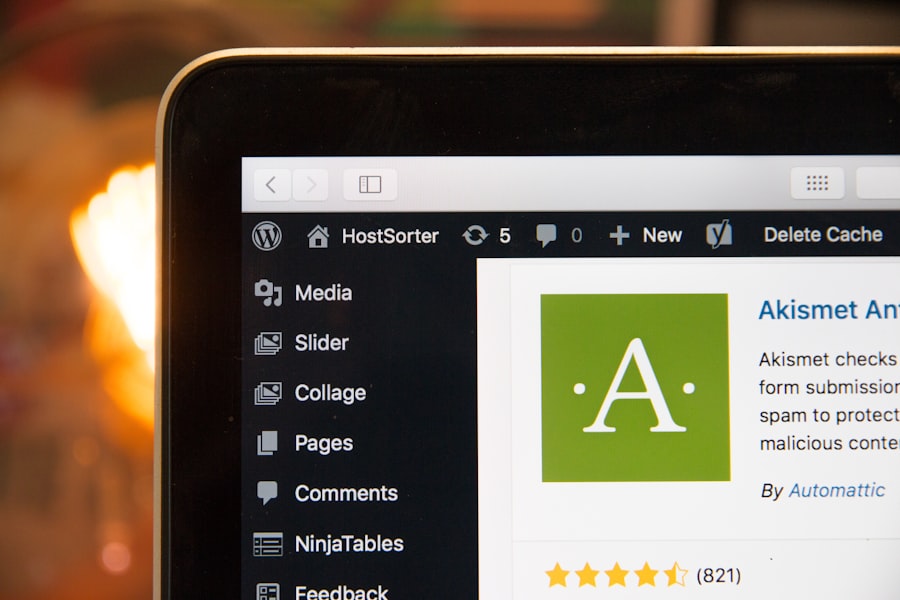
One of the primary benefits of WordPress Multisite for agencies is centralized management. The Network Admin dashboard provides tools to oversee all sites within your network, from user management to plugin and theme deployment.
User Management: A Unified Approach
Managing users across multiple sites can be a logistical nightmare if not handled efficiently. Multisite offers a unified user management system.
Network-Wide Users vs. Site-Specific Users
When a user registers, they are created at the network level. This means a single username and password can be used to log into multiple sites within the network. However, you can also grant specific roles and capabilities to a user on an individual site.
Adding and Removing Users
From the Network Admin dashboard, you can add new users to the entire network, or invite existing network users to become administrators of specific sites. You can also deactivate or delete users across the network.
Plugin and Theme Management: Control and Consistency
Controlling plugin and theme installations is crucial for maintaining security, performance, and a consistent brand experience for your clients.
Network-Activated Plugins
As a Network Administrator, you can choose to activate plugins network-wide. This means the plugin will be available for all sites in the network, and its core functionality cannot be disabled by individual site administrators. This is ideal for essential security plugins, caching solutions, or analytics tools that you want to ensure are always running.
Site-Specific Plugin Activation (Limited)
While a Network Admin can activate plugins network-wide, individual site administrators can also activate plugins that have already been network-activated. They cannot install new plugins unless you explicitly grant them permission (which is generally not recommended for agencies looking for control).
Network-Activated Themes
Similar to plugins, you can activate themes network-wide. This makes them available for all sites. Site administrators can then choose to use a network-activated theme for their site.
Restricting Theme and Plugin Options
You can also prevent site administrators from installing new themes or plugins, forcing them to choose from the ones you’ve made available.
Site Creation and Management: Onboarding Clients
The ease of creating new sites within your network is a key selling point for agencies. The process is streamlined and efficient.
Creating New Sites
From the Network Admin dashboard, you can easily create new sites. You’ll specify the site’s URL (e.g., client-a.youragency.com or youragency.com/client-a), title, and assign an administrator email.
Site Settings and Configuration
Once a site is created, you can access its individual settings from the Network Admin dashboard. This allows you to configure site-specific options, manage its content, and grant permissions.
Deleting Sites
If a client relationship ends or a project is concluded, you can easily delete individual sites from the network.
When setting up a WordPress Multisite for agencies, it’s crucial to consider the security implications of your hosting environment. A recent article highlights the importance of ensuring that your shared hosting plan is adequately protecting your data, which is essential for maintaining the integrity of multiple sites under one network. For more insights on this topic, you can read about the necessary precautions in the 2025 security checklist. This information can help you make informed decisions while managing your multisite setup effectively.
Advanced Multisite Features for Agencies
| Metrics | Description |
|---|---|
| Number of Sites | The total number of individual websites within the multisite setup. |
| Storage Usage | The amount of storage space being used by all the sites in the multisite setup. |
| Number of Users | The total number of users with access to the multisite setup. |
| Plugins Installed | The number of plugins installed and activated across all sites in the multisite setup. |
| Themes Available | The total number of themes available for use across all sites in the multisite setup. |
Beyond the core functionality, WordPress Multisite offers several advanced features that are particularly valuable for agencies looking to offer a comprehensive suite of services.
Domain Mapping: The Client’s Custom URL
As mentioned earlier, domain mapping is essential for agencies. It allows your clients to use their own custom domain names (e.g., www.clientdomain.com) while their website still resides within your Multisite network on a subdomain or subdirectory structure.
Essential Domain Mapping Plugins
While WordPress Multisite has built-in support for domain mapping, dedicated plugins like “WordPress MU Domain Mapping” (though it can be tricky to set up) or more modern solutions like “Multisite Domain Mapping” often simplify the process. These plugins handle the redirects and server configurations needed to make custom domains work seamlessly.
DNS Configuration for Domain Mapping
When a client maps their domain, they’ll need to update their domain’s DNS records to point to your server. This typically involves creating an A record or a CNAME record. You’ll need to provide clear instructions to your clients or handle this for them.
Content and User Permissions: Fine-Grained Control
Multisite allows for granular control over what users can do and see. This is crucial when you have multiple internal teams working on different client sites or when onboarding clients who need specific levels of access.
Network Settings for Permissions
The Network Admin dashboard offers various settings that control plugin and theme management, user registration, and site creation permissions.
Role and Capability Management
For individual sites, you can assign standard WordPress roles (Administrator, Editor, Author, etc.) to users. You can also use plugins to create custom roles with specific capabilities, allowing you to tailor access precisely.
Customizing the Network Experience
Branding your Multisite network not only for yourself but also for your clients can enhance the professional image of your agency.
Network Admin Branding
You can customize the login screen, the Network Admin dashboard, and even add your agency’s logo to the WordPress admin bar for all users. This creates a consistent and professional user experience.
White-Labeling for Clients
For certain client packages, you might want to offer a fully white-labeled experience. This involves removing any explicit mentions of WordPress and using your agency’s branding throughout their site’s admin area.
Maintenance and Best Practices for a Thriving Network
Setting up your Multisite network is just the beginning. Ongoing maintenance and adherence to best practices are crucial for a secure, performant, and scalable platform.
Regular Updates and Security Scans
Treating your Multisite network like a single, complex organism means consistent maintenance.
Core WordPress, Plugin, and Theme Updates
Keep your WordPress core, all network-activated plugins, and themes updated at all times. Multisite makes this easier as you can apply updates from a central location.
Security Audits and Scans
Regularly scan your network for malware and vulnerabilities. Many security plugins offer network-wide scanning capabilities.
Performance Optimization Strategies
A slow Multisite network can impact all your client sites. Proactive optimization is key.
Caching Implementation
As mentioned, implement robust caching solutions, including server-level caching, object caching, and browser caching.
Database Maintenance
Regularly optimize your database tables, remove post revisions, and clean up spam comments. Plugins can automate many of these tasks.
Image Optimization
Ensure all images uploaded to your network are optimized for web use to reduce page load times.
Backup and Disaster Recovery Plan
A comprehensive backup strategy is your safety net.
Automated Backups
Set up automated daily or weekly backups of both your files and database. Store these backups off-site for added security.
User Training and Documentation
For your agency teams and for clients, clear documentation and training on how to use their respective sites within the Multisite network are essential for smooth operations and reduced support requests.
By following this comprehensive guide, you’ll be well-equipped to set up and manage a powerful, scalable, and efficient WordPress Multisite network. This will allow your agency to deliver exceptional WordPress solutions to your clients, streamline your internal workflows, and position yourself as a leader in the WordPress ecosystem. Happy building!
FAQs
What is WordPress Multisite?
WordPress Multisite is a feature that allows you to create a network of multiple websites using a single WordPress installation. It enables you to manage all the websites from one dashboard and share themes, plugins, and user access across the network.
How can WordPress Multisite benefit agencies?
WordPress Multisite can benefit agencies by allowing them to easily manage and maintain multiple client websites from a single dashboard. It also provides a cost-effective solution for hosting multiple websites and allows for centralized updates and maintenance.
What are the key steps to set up WordPress Multisite for agencies?
To set up WordPress Multisite for agencies, you need to first enable the Multisite feature in the WordPress installation, configure the network settings, and then set up individual websites within the network. You will also need to manage user access and permissions for each website.
What are some best practices for managing a WordPress Multisite network for agencies?
Some best practices for managing a WordPress Multisite network for agencies include regularly updating themes and plugins across the network, monitoring website performance and security, and providing training and support for clients using the network.
Are there any limitations or considerations to be aware of when using WordPress Multisite for agencies?
Some limitations and considerations to be aware of when using WordPress Multisite for agencies include potential performance issues with a large number of websites on the network, the need for careful management of user access and permissions, and the potential for conflicts between themes and plugins across the network.






Add comment