

You’ve poured your heart and soul into your website. It’s your digital storefront, your portfolio, your platform for sharing your passions, or perhaps the engine of your entire business. You’ve spent countless hours on design, content creation, and SEO optimization. But have you given enough thought to the foundation upon which all of this rests – your web hosting? You might be tempted to skimp here, opting for the cheapest plan you can find, believing it’s just another line item in your website’s cost. Let me tell you, that mindset is a dangerous trap, one that can undermine all your hard work and lead to significant long-term headaches. Investing in good hosting is far more than just a website cost; it’s an investment in your online success, your brand’s reputation, and your peace of mind.
You might think of your website as a collection of files – text, images, videos, code. And that’s certainly true. But where do these files live when no one is looking? They reside on powerful, specialized computers called servers, which are maintained by web hosting companies. When someone types your website’s address into their browser, their computer connects to these servers, retrieves your files, and displays your website to them. It’s a complex process that happens in milliseconds, but it relies entirely on the reliability, speed, and security of the server your website is hosted on.
Types of Hosting: Not All Servers Are Created Equal
The first step in understanding the value of good hosting is recognizing that not all hosting solutions are the same. Each type offers a different balance of resources, control, and cost, and choosing the right one for your needs is crucial.
Shared Hosting: The Budget-Friendly, Yet Potentially Risky Option
This is often the most affordable type of hosting. With shared hosting, you’re essentially renting a small portion of a server that’s shared with numerous other websites. Think of it like living in an apartment building – you have your own unit, but you share common areas and resources with your neighbors.
- Pros: Low cost, easy to set up, and usually managed by the hosting provider. It’s a great starting point for individuals and very small businesses with low traffic.
- Cons: Performance can be inconsistent as your website’s speed is affected by the activity of other websites on the same server. Security can also be a concern, as a vulnerability on one site could potentially impact others. If your website experiences a surge in traffic, it might slow down considerably or even become inaccessible.
Virtual Private Server (VPS) Hosting: A Step Up in Control and Performance
A VPS is like having your own dedicated apartment within a larger building. While still sharing a physical server, you get a dedicated portion of its resources (CPU, RAM, storage) and a more isolated environment. This provides greater control and improved performance compared to shared hosting.
- Pros: More reliable performance, greater control over server environment, and better security than shared hosting. You can often install custom software and configure settings to your liking.
- Cons: More expensive than shared hosting, and you’ll likely need some technical knowledge to manage it effectively, or opt for a managed VPS.
Dedicated Server Hosting: The Ultimate in Power and Exclusivity
With dedicated hosting, you rent an entire physical server exclusively for your website. This is the equivalent of owning your own house – you have complete control, all the resources are yours, and you don’t have to worry about anyone else’s activity affecting you.
- Pros: Maximum performance, complete control, highest level of security, and scalability. Ideal for high-traffic websites, large e-commerce stores, and applications with demanding resource needs.
- Cons: Significantly more expensive than shared or VPS hosting, and requires advanced technical expertise to manage, or you’ll need to pay extra for managed services.
Cloud Hosting: Scalable and Flexible Power
Cloud hosting utilizes a network of interconnected servers. Instead of being tied to a single physical machine, your website’s resources are distributed across multiple servers. This offers incredible flexibility and scalability.
- Pros: Highly scalable – you can easily adjust resources up or down as needed. Excellent reliability and uptime due to redundancy. Pay-as-you-go pricing models are common.
- Cons: Can be more complex to understand and manage than traditional hosting. Costs can fluctuate depending on usage.
In the discussion of why good hosting is an investment rather than merely a website cost, it’s essential to consider how effective hosting can impact your overall online presence. For those starting their blogging journey, understanding the potential pitfalls can be crucial. A related article that delves into this topic is “11 Common Blogging Mistakes and How to Navigate Them as Beginners,” which offers valuable insights for new bloggers. You can read it here: 11 Common Blogging Mistakes and How to Navigate Them as Beginners.
Speed Kills (Your Conversions): The Impact of Hosting on Website Performance
This is where the “more than just cost” really begins to hit home. In today’s fast-paced digital world, speed is paramount. Users are impatient, and a slow-loading website is a guaranteed way to send them running into the arms of your competitors.
The Milliseconds That Matter: User Experience and Bounce Rates
Studies consistently show that even a one-second delay in page load time can significantly increase bounce rates – the percentage of visitors who leave your website after viewing only one page. Think about your own browsing habits. Do you wait around for a sluggish page to load? Likely not.
- First Impressions: Your website’s loading speed is often the very first impression a visitor has of your brand. A fast, responsive website conveys professionalism and efficiency. A slow one suggests the opposite.
- User Frustration: Slow load times lead to frustration. This frustration can translate into a negative perception of your brand, even if your content is excellent.
- Impulse Decisions: For e-commerce sites, speed is directly tied to conversion rates. A visitor ready to make a purchase will abandon their cart if the checkout process is slow and clunky.
Search Engine Optimization (SEO): Speed as a Ranking Factor
Google and other search engines understand the importance of user experience. As a result, website speed has become a significant ranking factor in their algorithms.
- Higher Rankings: Websites that load quickly are more likely to rank higher in search engine results pages (SERPs). This means more organic traffic, which is often more valuable than paid traffic.
- Lower Rankings: Conversely, slow websites can be penalized by search engines, pushing them down the rankings and making them harder for potential customers to find.
- Core Web Vitals: Google’s Core Web Vitals are a set of metrics that measure user experience, including loading performance. Optimizing for these can directly impact your SEO.
Uptime is Everything: Ensuring Your Website is Always Available
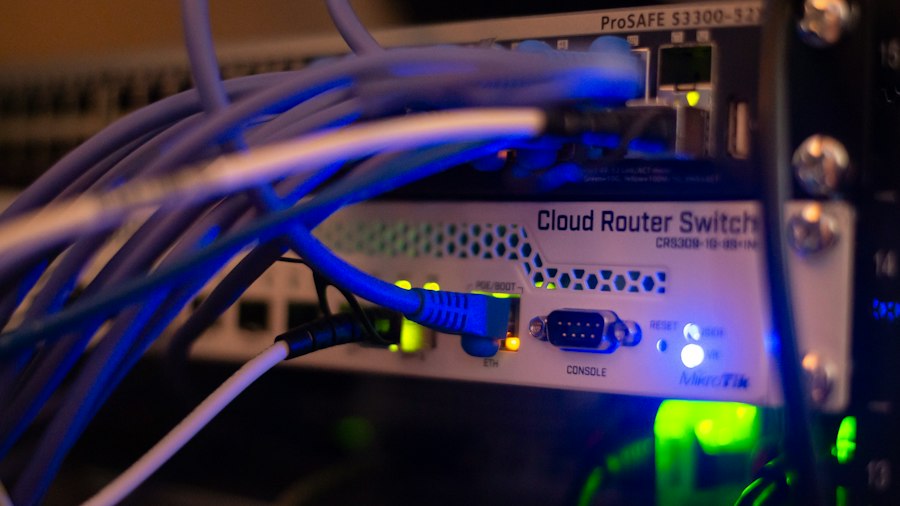
Imagine your website is your physical shop. What if the doors were locked for hours on end, or worse, days? That’s what downtime is for your online presence.
The Cost of an Unavailable Website
Downtime isn’t just an inconvenience; it’s a direct hit to your bottom line and your reputation.
- Lost Sales and Leads: For e-commerce businesses, every minute of downtime is a direct loss of potential sales. For service-based businesses, it means lost leads and missed opportunities.
- Damaged Reputation: Frequent or prolonged downtime erodes trust. Customers will start to question your reliability and may move to competitors they can count on.
- SEO Penalties: Search engines penalize websites that are frequently inaccessible, which can further harm your SEO efforts.
What Constitutes “Good” Uptime?
When evaluating hosting providers, you’ll often see claims of “99.9% uptime” or even “99.999% uptime.” What does this actually mean in practice?
- 99.9% Uptime: This translates to approximately 8.76 hours of downtime per year. While this might sound acceptable, even a few hours of unresponsibly can be detrimental.
- 99.99% Uptime: This is a much better standard, equating to about 52.6 minutes of downtime per year.
- 99.999% Uptime: This is the gold standard, often referred to as “five nines,” and means only about 5.26 minutes of downtime per year. This level of reliability is typically found with premium hosting solutions like robust cloud hosting or dedicated servers.
Security is Non-Negotiable: Protecting Your Data and Your Visitors
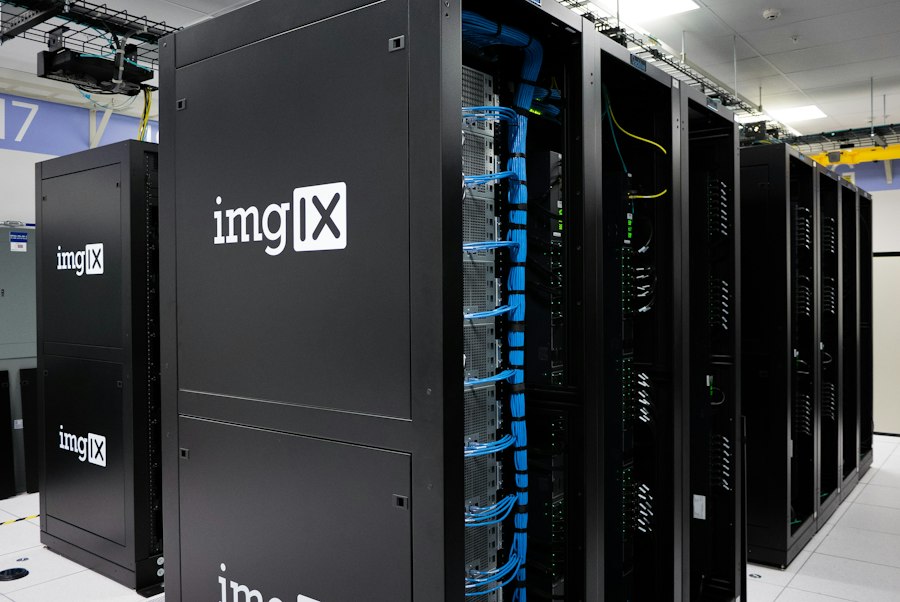
In today’s digital landscape, security threats are ever-present. From hackers and malware to data breaches and phishing attacks, the risks are real and can have devastating consequences.
Protecting Your Valuable Assets: Data and Reputation
Your website likely stores sensitive information, whether it’s customer data, financial transactions, or proprietary business information. Protecting this data is not just a legal requirement; it’s a moral imperative.
- Customer Trust: A security breach can shatter customer trust, leading to a mass exodus and irreparable damage to your brand’s reputation.
- Financial Losses: Recovering from a data breach can be incredibly expensive, involving legal fees, forensic analysis, customer notification, and potential regulatory fines.
- Legal Ramifications: Depending on the type of data compromised and your location, you could face significant legal penalties for failing to adequately protect sensitive information.
What Features Should You Look for in Secure Hosting?
Not all hosting providers prioritize security equally. Here are some key features to look for:
- SSL Certificates: Essential for encrypting data transmitted between your website and your visitors. This is what gives you the padlock icon in the browser and enables HTTPS. Many good hosts include free SSL certificates.
- Firewalls and Intrusion Detection Systems: These act as digital guards, monitoring and blocking malicious traffic from reaching your server.
- Regular Backups: Automated, regular backups are a lifesaver. If the worst happens, you can restore your website to a previous working state. Ensure you know where these backups are stored and how to access them.
- Malware Scanning and Removal: Proactive scanning for and removal of malware can prevent infections before they spread.
- DDoS Protection: Distributed Denial of Service (DDoS) attacks aim to overwhelm your server with traffic, making your website inaccessible. Good hosting providers offer protection against these.
- Server-Level Security Measures: This can include things like regular software updates, secure configurations, and access control measures implemented by the hosting provider.
When considering the long-term benefits of quality web hosting, it’s essential to recognize that the right choice can significantly impact your site’s performance and security. A related article discusses the importance of data protection in shared hosting plans, emphasizing the need for a comprehensive security strategy. You can read more about this crucial aspect in the article titled Is Your Shared Hosting Plan Protecting Your Data? The 2025 Security Checklist, which highlights key measures to ensure your website remains safe and reliable. Investing in good hosting is not merely a cost but a vital step toward safeguarding your online presence.
Scalability and Growth: A Host That Can Grow With You
| Metric | Description | Impact of Good Hosting | Long-term Benefit |
|---|---|---|---|
| Website Uptime | Percentage of time the website is accessible | 99.9% or higher uptime ensures constant availability | Improved customer trust and retention |
| Page Load Speed | Time taken for a webpage to fully load | Fast loading times reduce bounce rates | Better SEO rankings and user experience |
| Security Features | Protection against malware, DDoS, and hacking | Advanced security protocols minimize risks | Safeguards brand reputation and data integrity |
| Scalability | Ability to handle increased traffic and data | Flexible resources accommodate growth | Supports business expansion without downtime |
| Customer Support | Availability and quality of technical assistance | 24/7 expert support resolves issues quickly | Reduces downtime and operational disruptions |
| Backup and Recovery | Regular data backups and restoration options | Ensures data is safe and recoverable | Minimizes data loss and recovery costs |
Your business and your website are not static entities. They evolve, grow, and hopefully, thrive. Your hosting solution needs to be able to keep pace.
The Challenge of Outgrowing Your Hosting Plan
Many businesses start with a shared hosting plan because it’s cheap and meets their initial needs. However, as your website gains traffic and your business expands, that shared plan can become a significant bottleneck.
- Performance Degradation: As mentioned earlier, shared hosting struggles with increased traffic. You’ll start to experience slowdowns, which will negatively impact user experience and conversions.
- Feature Limitations: Cheaper plans often come with limitations on bandwidth, storage, and other resources. As you grow, you’ll hit these limits, forcing you to upgrade or face performance issues.
- The Pain of Migration: Migrating a website from one hosting provider to another, especially from a shared to a more robust solution, can be a complex and time-consuming process, often involving downtime and technical challenges. Choosing a host that can scale with you from the beginning mitigates this risk.
Planning for the Future: What to Consider
When selecting a hosting provider, think beyond your current needs. Consider your growth trajectory and choose a provider that offers a clear path for scaling.
- Upgrade Paths: Does the hosting provider offer seamless upgrade paths from shared to VPS, cloud, or even dedicated servers? Is the process straightforward and well-documented?
- Resource Flexibility: Cloud hosting, in particular, excels here. You can often adjust your resources on the fly with minimal disruption, allowing you to adapt to fluctuating traffic demands.
- Managed Services: As your business grows, you may have less time and technical expertise to manage your servers. Look for providers that offer managed services, where they handle the technical heavy lifting for you, allowing you to focus on your core business.
- Scalability of Support: As your hosting needs become more complex, you’ll need responsive and knowledgeable support. Ensure the provider offers tiered support options that can grow with your requirements.
When considering the importance of quality hosting, it’s essential to understand how it can impact your website’s performance and reliability. A related article that delves into the specifics of server options is available here, where you can learn about dedicated servers and when they might be the right choice for your business. Investing in good hosting is not merely a cost but a strategic decision that can enhance your online presence and user experience.
Beyond the Price Tag: The Hidden Costs of “Cheap” Hosting
You might think you’re saving money by opting for the absolute cheapest hosting available, but this is often a false economy. The true cost of cheap hosting can be far higher than the initial savings.
The True Cost of Downtime and Lost Opportunities
We’ve touched on this, but it bears repeating. The revenue lost due to an unavailable website, the potential customers who never convert because of slow load times, and the damage to your brand’s reputation are all hidden costs that can dwarf the initial hosting fee.
- Lost Brand Equity: A consistently unreliable website can lead to a perception of unprofessionalism, which is hard to quantify but incredibly damaging.
- Missed Marketing Opportunities: If your website is down during a crucial marketing campaign or a busy sales period, you’re essentially throwing money down the drain.
The Frustration of Poor Support and Technical Issues
When things go wrong with your website, and they eventually will, you need reliable support. Cheap hosting providers often come with:
- Limited Support Hours: You might find support is only available during limited business hours, leaving you stranded during critical off-hours.
- Slow Response Times: Expect long wait times to speak with a support agent, and then potentially receive generic, unhelpful advice.
- Lack of Technical Expertise: Support staff may not have the deep technical knowledge required to resolve complex issues, leading to prolonged troubleshooting and frustration.
- “Ticket” Systems: Some cheap providers rely solely on ticket systems, where you submit a problem and wait for an email response, which can take days.
The Long-Term Investment in Your Online Success
Ultimately, investing in good hosting is not an expense; it’s a strategic investment in the success of your online presence. A reliable, fast, secure, and scalable hosting solution empowers your website to perform at its best, attract and retain visitors, and contribute meaningfully to your business goals. Don’t let a few dollars saved today cost you thousands tomorrow. Choose wisely, and build your online future on a solid, dependable foundation.









Add comment