
You stand at the precipice of a significant industry shift. The hosting industry, once largely defined by its insatiable energy consumption and environmental footprint, is undergoing a notable evolution – the rise of the green data center. You’re likely witnessing this firsthand, as the demands for sustainable practices permeate every level of technological operation. This isn’t a fleeting trend; it’s a fundamental reorientation driven by a confluence of factors: mounting environmental concerns, regulatory pressures, and the burgeoning awareness among your clients and your own organization of the long-term economic and ethical implications of energy usage.
In the nascent stages of the internet and digital infrastructure, the focus was primarily on raw performance and scalability. The environmental impact of data centers was a secondary, often overlooked, consideration. The energy requirements were simply met, with little introspection into the source or efficiency.
The Era of Unchecked Power Consumption
- Power-Hungry Hardware: Early servers and networking equipment were notoriously inefficient. They consumed significant amounts of electricity, generating substantial heat that required even more energy for cooling.
- Cooling Challenges: The primary method of cooling involved blasting large volumes of conditioned air, a process that was both energy-intensive and often wasteful.
- Lack of Environmental Mandates: There were few, if any, regulations or industry standards dictating energy efficiency or environmental responsibility for data centers. The primary metric for success was uptime and accessibility.
- Cost-Benefit Analysis Skewed: The cost of electricity was perceived as a necessary operational expense, and the economic advantage of energy efficiency had not yet been thoroughly realized or incentivized.
The Rise of Awareness: A Growing Unease
As the digital landscape exploded in scale, so too did the energy demands of the data centers that powered it. This exponential growth began to raise eyebrows, first among environmental scientists and later within the broader public consciousness. You began to see early indicators of this unease.
- Increased Media Scrutiny: Reports began to emerge detailing the significant carbon footprint of the IT sector, with data centers frequently highlighted as major contributors.
- Emergence of Environmental Advocacy Groups: Organizations dedicated to promoting sustainability in technology started to gain traction, raising awareness and advocating for change.
- Initial Corporate Social Responsibility (CSR) Initiatives: Some forward-thinking companies began to incorporate environmental considerations into their CSR strategies, albeit with varying degrees of commitment and impact.
The evolution of green data centers is significantly transforming the hosting industry by promoting sustainable practices and reducing energy consumption. For a deeper understanding of the broader trends shaping the web hosting market, you can explore the article titled “US Data Centers Dominating 2025 Web Hosting Market,” which discusses the competitive landscape and future projections for data centers in the United States. To read more about it, visit this link.
The Driving Forces Behind Green Data Center Adoption
The transition to greener data centers is not a spontaneous occurrence. It is the result of a multi-faceted push, with several key drivers accelerating this evolution. Understanding these forces is crucial for you to navigate and contribute to this ongoing transformation.
Environmental Imperatives: A Call for Sustainability
The undeniable reality of climate change has shifted environmental concerns from a niche issue to a global priority. The hosting industry, with its substantial energy needs, has become a focal point for these concerns.
- Carbon Emissions Reduction: Data centers are significant consumers of electricity, a large portion of which is still generated from fossil fuels. Reducing this consumption directly contributes to lowering carbon emissions and mitigating climate change.
- Resource Conservation: Beyond energy, data centers utilize water for cooling systems and require physical space, impacting local ecosystems. Green initiatives aim to minimize these resource demands.
- Waste Management: The lifecycle of IT equipment, from manufacturing to disposal, generates electronic waste. Responsible disposal and recycling practices are increasingly integral to the green data center concept.
Regulatory and Policy Landscape: The Stick and the Carrot
Governments worldwide are implementing policies and regulations designed to encourage energy efficiency and reduce the environmental impact of industries. You’ve likely encountered these shifts in your operational planning.
- Energy Efficiency Standards: Mandates for data center efficiency, such as Power Usage Effectiveness (PUE) targets, are becoming more common, forcing operators to optimize their energy consumption.
- Renewable Energy Incentives: Tax credits, grants, and subsidies for adopting renewable energy sources are making clean energy a more financially viable option for data centers.
- Carbon Pricing Mechanisms: The introduction of carbon taxes or cap-and-trade systems incentivizes businesses to minimize their carbon footprint by making pollution more expensive.
- Reporting and Transparency Requirements: Increasingly, companies are required to disclose their environmental performance, including energy consumption and carbon emissions, leading to greater accountability.
Economic Advantages: The Business Case for Green
While environmental stewardship is a significant factor, the economic benefits of green data centers are proving to be a powerful catalyst for adoption. You’re probably seeing these positive financial outcomes reflected in your own budgets and operational models.
- Reduced Operational Costs: Energy efficiency directly translates to lower electricity bills. Optimized cooling systems, energy-efficient hardware, and renewable energy sourcing can significantly reduce ongoing operational expenses.
- Enhanced Brand Reputation and Customer Loyalty: Increasingly, clients are prioritizing partners with demonstrable environmental commitments. A green data center can be a significant competitive differentiator, attracting and retaining environmentally conscious customers.
- Long-Term Investment Value: Investing in energy-efficient infrastructure can lead to greater long-term stability and resilience, as it makes operations less vulnerable to fluctuating energy prices and future regulatory changes.
- Risk Mitigation: For companies facing potential carbon taxes or stricter environmental regulations, adopting green practices proactively mitigates future financial and operational risks.
Technological Advancements Fueling the Green Revolution
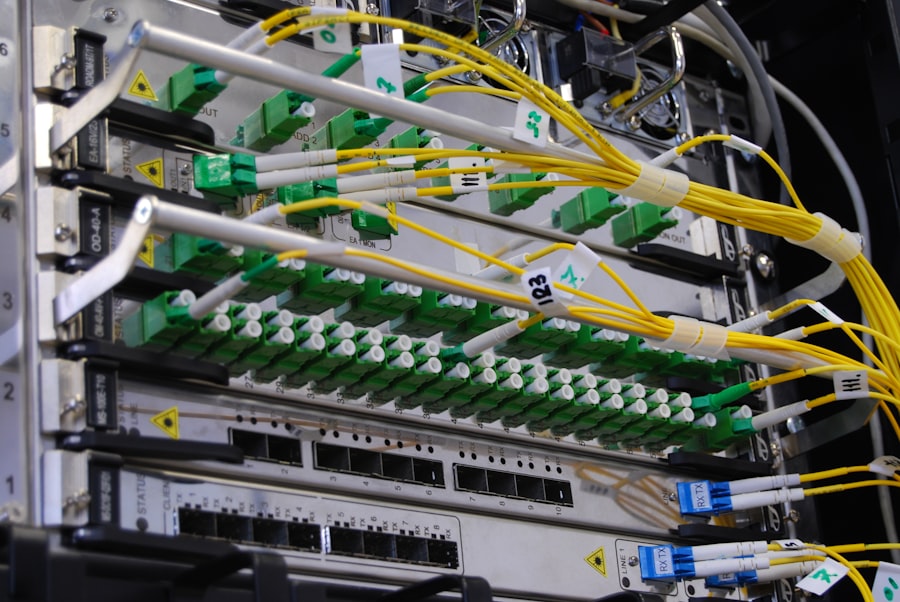
The evolution of the green data center is intrinsically linked to innovation. Without advancements in hardware, software, and infrastructure design, the aspirations of sustainability would remain largely theoretical. You’re likely benefiting from these innovations daily.
Efficient Hardware and Infrastructure Design
The core of any data center is its hardware. Modern advancements have significantly improved the energy efficiency of these components.
- Energy-Efficient Servers and Processors: Newer generations of servers and CPUs are designed with power management features and improved performance-per-watt ratios, reducing overall energy consumption.
- Solid-State Drives (SSDs): SSDs consume less power and generate less heat than traditional hard disk drives (HDDs).
- Advanced Networking Equipment: Modern network switches and routers are engineered for lower power consumption and greater efficiency.
Innovative Cooling Strategies
Cooling remains one of the most energy-intensive aspects of data center operation. Significant progress has been made in developing more efficient cooling methods.
- Free Cooling: Utilizing cool ambient air or water from external sources to cool the data center, rather than relying solely on mechanical refrigeration. This can include:
- Air-side economization: Directly introducing outside air into the data center.
- Water-side economization: Using chilled water from external sources.
- Liquid Cooling Solutions: Employing liquids, such as water or dielectric fluids, to directly cool servers. This is far more efficient than air cooling and can handle higher heat densities.
- Direct-to-chip cooling: Applying coolant directly to the hottest components like CPUs and GPUs.
- Immersion cooling: Submerging entire servers in a non-conductive liquid.
- Hot and Cold Aisle Containment: Strategically directing the flow of air to prevent the mixing of hot exhaust air with cold intake air, thereby maximizing cooling efficiency.
- Optimized Airflow Management: Using precision cooling units, variable speed fans, and improved rack layouts to ensure that cool air is delivered precisely where it is needed.
Leveraging Renewable Energy Sources
The shift towards renewable energy is a cornerstone of the green data center movement. You’re likely seeing more providers actively reporting their renewable energy usage.
- On-site Renewable Energy Generation: Installing solar panels or wind turbines directly at the data center facility.
- Power Purchase Agreements (PPAs): Entering into long-term contracts with renewable energy developers to purchase electricity generated from wind or solar farms.
- Renewable Energy Certificates (RECs): Purchasing RECs to offset the carbon emissions associated with electricity consumption, though this is often seen as a less direct form of sustainability compared to direct renewable energy sourcing.
- Grid Integration and Smart Grids: Utilizing smarter grid technologies to optimize the timing of energy consumption and purchase, potentially favoring periods of high renewable energy availability.
Key Metrics and Methodologies for Green Data Centers
You can’t manage what you don’t measure. The pursuit of greener data centers is underpinned by a suite of metrics and methodologies designed to quantify and improve energy efficiency.
Power Usage Effectiveness (PUE)
The most widely adopted metric for data center energy efficiency is Power Usage Effectiveness (PUE). You’ve almost certainly encountered this.
- Definition: PUE is the ratio of total data center energy consumption to the energy consumed by the IT equipment within the data center.
- Ideal PUE: An ideal PUE of 1.0 would mean that all energy consumed is used by the IT equipment, which is practically impossible.
- Green Data Center Goal: Lower PUE values indicate higher energy efficiency. Green data centers strive for PUE values close to 1.0, often below 1.2.
- Components of PUE: PUE accounts for the energy consumed by cooling systems, power distribution units (PDUs), lighting, and other auxiliary systems.
Other Important Efficiency Metrics
While PUE is dominant, other metrics provide a more nuanced understanding of a data center’s environmental impact.
- Water Usage Effectiveness (WUE): Measures the total water used by the data center facility per unit of IT equipment energy consumed. This is particularly relevant for facilities relying on evaporative cooling.
- Carbon Usage Effectiveness (CUE): Measures the total carbon emissions of a data center facility relative to the energy consumed by the IT equipment. This metric directly links energy consumption to its carbon footprint.
- IT Equipment Efficiency Metrics: Focusing on the energy efficiency of individual servers, storage devices, and networking equipment, often measured in terms of performance per watt or energy consumed per unit of workload.
- Renewable Energy Percentage: The proportion of total energy consumed by the data center that is derived from renewable sources.
Benchmarking and Certification Programs
To provide a standardized framework for evaluating and recognizing green data center practices, various programs have emerged.
- Uptime Institute Tier Standards: While primarily focused on reliability and availability, these standards increasingly incorporate energy efficiency considerations.
- Energy Star for Data Centers: A voluntary labeling program from the U.S. Environmental Protection Agency that identifies energy-efficient data center products and facilities.
- Green Building Certifications (e.g., LEED): While not exclusively for data centers, principles of sustainable building design that are part of certifications like LEED can be applied to data center construction and operation.
As the hosting industry evolves, the importance of sustainability becomes increasingly evident, particularly with the rise of green data centers. These facilities are not only reducing their carbon footprint but also enhancing energy efficiency, which is crucial for meeting the demands of modern web hosting. For those looking to optimize their websites in this eco-conscious landscape, exploring essential tools can be beneficial. A related article discusses the top optimization plugins for WordPress in 2025, which can help improve site performance while aligning with sustainable practices. You can read more about it in this insightful piece on WordPress optimization plugins.
The Future Trajectory: Continual Innovation and Integration
| Metrics | Data Centers | Impact |
|---|---|---|
| Energy Efficiency | Utilizing renewable energy sources, such as solar or wind power | Reduces carbon footprint and energy consumption |
| Water Usage | Implementing water-saving technologies and practices | Conserves water resources and reduces environmental impact |
| Waste Management | Implementing recycling programs and reducing electronic waste | Minimizes environmental pollution and landfill usage |
| Certifications | Obtaining green certifications, such as LEED or Energy Star | Validates commitment to sustainability and environmental responsibility |
The evolution of the green data center is far from over. You are living through a period of rapid advancement, and the future promises even more integrated and sophisticated approaches to sustainability in the hosting industry.
Towards Carbon Neutrality and Beyond
The ambition of many in the industry is not simply to reduce emissions but to achieve carbon neutrality and eventually carbon negativity.
- Closed-Loop Systems: Developing data center designs that minimize waste and maximize resource reuse, creating more self-sufficient and environmentally benign operations.
- AI and Machine Learning for Optimization: Utilizing artificial intelligence and machine learning algorithms to predict energy demand, optimize cooling systems in real-time, and identify further efficiency improvements.
- Edge Computing and Distributed Architectures: While edge computing can increase the number of smaller facilities, designing these at the edge with integrated renewable energy and efficient cooling can contribute to overall sustainability.
- Circular Economy Principles: Embracing the principles of the circular economy by designing for longevity, repairability, and eventual recycling of IT hardware and infrastructure.
Deeper Integration with Renewable Energy Grids
The relationship between data centers and the power grid is becoming increasingly dynamic.
- Demand Response Programs: Data centers participating in grid demand response programs, adjusting their energy consumption based on grid load and availability of renewable energy.
- Energy Storage Solutions: Implementing battery storage or other energy storage technologies to store excess renewable energy and provide grid stabilization services.
- Synergy with Renewable Energy Projects: Co-locating data centers with renewable energy generation facilities to ensure a stable and clean power supply.
The Evolving Role of the Hosting Provider
As a participant in the hosting industry, your role in this evolution is central. You are not merely a consumer of energy; you are an architect of the digital infrastructure of the future.
- Client Education and Partnership: Educating your clients on the benefits and availability of green hosting solutions, fostering collaborative efforts towards sustainability.
- Transparency and Reporting: Providing clear and comprehensive reporting on your data center’s environmental performance, building trust and accountability.
- Continuous Improvement Culture: Fostering an organizational culture that prioritizes ongoing research, development, and implementation of sustainable practices.
- Advocacy and Industry Leadership: Engaging in industry forums and advocacy to promote best practices and push for further advancements in green data center technologies and policies.
You are witnessing and actively participating in a profound transformation. The green data center is no longer a niche concept; it is becoming the standard. By understanding the historical context, the driving forces, the technological innovations, the essential metrics, and the future trajectory, you are well-equipped to navigate and contribute to this essential evolution, ensuring that the digital future you help build is also a sustainable one.
FAQs
What are green data centers?
Green data centers are facilities that are designed to minimize their environmental impact by using energy-efficient technologies, renewable energy sources, and other sustainable practices to reduce their carbon footprint.
How are green data centers changing the hosting industry?
Green data centers are changing the hosting industry by promoting sustainability and reducing energy consumption. This shift is driven by the increasing demand for environmentally friendly solutions and the need to lower operational costs.
What are the benefits of green data centers?
The benefits of green data centers include reduced energy consumption, lower operating costs, improved environmental sustainability, and a positive brand image for companies that prioritize eco-friendly practices.
What technologies are used in green data centers?
Green data centers utilize a variety of technologies such as virtualization, energy-efficient cooling systems, renewable energy sources (such as solar or wind power), and advanced power management systems to minimize energy usage.
How can companies transition to green data centers?
Companies can transition to green data centers by implementing energy-efficient technologies, adopting renewable energy sources, optimizing their infrastructure, and partnering with hosting providers that prioritize sustainability.





Add comment