
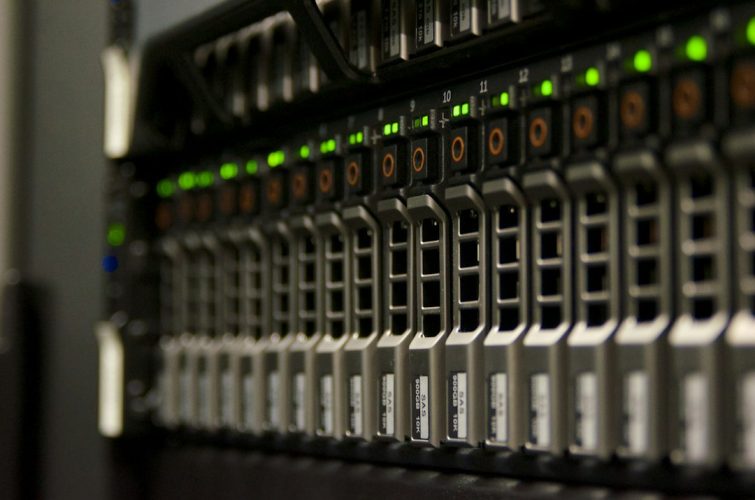
The Foundation of Trust: Why Your Hosting Infrastructure Is Paramount
You’ve poured your heart and soul into building your online business. You’ve crafted a compelling website, developed innovative products or services, and meticulously planned your marketing strategy. But have you given enough thought to the invisible bedrock upon which all of this success rests? We’re talking about your secure hosting infrastructure. In today’s digital landscape, a robust and secure hosting environment isn’t merely a technical detail; it’s a fundamental pillar supporting your entire operation. Without it, your carefully constructed edifice of online success is vulnerable to collapse, undermined by data breaches, downtime, and reputational damage. This isn’t just about keeping your website “up”; it’s about safeguarding your customers’ trust, protecting your sensitive data, and ensuring the uninterrupted flow of your business. As an online entrepreneur, you are directly responsible for the security posture of your digital presence, and understanding the criticality of your hosting infrastructure is the first step toward building a truly resilient and prosperous online enterprise.
The Ever-Present Threat Landscape
Before diving into the specifics of secure hosting, you must first acknowledge the reality of the threats you face. The internet is a dynamic and often hostile environment, teeming with malicious actors constantly seeking vulnerabilities to exploit.
Understanding Common Cyber Threats
You might think your small or medium-sized business is too insignificant to attract the attention of cybercriminals, but that’s a dangerous misconception. Automated bots relentlessly scan for weak points across the entire internet, and often, smaller businesses are easier targets due to less robust security measures. Common threats include:
- DDoS Attacks (Distributed Denial of Service): Imagine your storefront being flooded with so many people that legitimate customers can’t even get in. That’s a DDoS attack. Malicious actors overwhelm your server with traffic, making your website unavailable to actual users, costing you sales and damaging your reputation.
- Malware and Ransomware: These insidious programs can infect your servers, steal data, or even encrypt your entire system, holding your business hostage until you pay a hefty ransom. Imagine losing access to all your customer data, inventory, and financial records in an instant.
- SQL Injection and Cross-Site Scripting (XSS): These are common web application vulnerabilities that allow attackers to manipulate your database or inject malicious code into your website, potentially compromising user data or defacing your site.
- Phishing and Social Engineering: While often targeting individuals, successful phishing attacks can lead to compromised credentials that grant access to your hosting control panel or other critical systems.
- Zero-Day Exploits: These are vulnerabilities that are unknown to the software vendor and, therefore, have no patch available. Attackers can exploit these “zero-day” flaws before anyone even knows they exist, making proactive security measures even more vital.
The Cost of Insecurity
Beyond the immediate technical headaches, the financial and reputational costs of a security breach can be devastating. You face:
- Financial Losses: Direct costs include remediation, forensics, legal fees, regulatory fines (especially with GDPR or CCPA), and lost revenue from downtime. Indirect costs involve decreased customer lifetime value and difficulty acquiring new customers.
- Reputational Damage: Trust is the cornerstone of any online business. A data breach shatters that trust, leading to negative publicity, customer churn, and long-term damage to your brand. Rebuilding a tarnished reputation can take years, if it’s even possible.
- Legal and Regulatory Ramifications: Depending on your industry and customer base, you may be subject to strict data protection regulations. Non-compliance after a breach can lead to substantial penalties and lawsuits.
In the digital age, the importance of a secure hosting infrastructure cannot be overstated, as it serves as the backbone for online businesses striving to protect sensitive customer data and maintain trust. For further insights on how the right hosting solutions can enhance your online presence and drive sales, you may find the article on how business hosting can boost your online sales and revenue particularly informative. You can read it here: How Business Hosting Can Boost Your Online Sales and Revenue.
Securing Your Digital Perimeter: Essential Hosting Security Features

Given the threats, you need more than just basic hosting. You need a hosting provider that understands and implements robust security measures at every level. Your hosting infrastructure isn’t just about disk space and bandwidth; it’s about the layers of protection surrounding your invaluable digital assets.
Network Level Security
Think of network level security as the fortified walls around your digital castle. These measures protect your server from external attacks before they even reach your application.
Firewalls and Intrusion Detection/Prevention Systems (IDS/IPS)
Your hosting provider should employ sophisticated firewalls, both network-based and potentially host-based, to filter incoming and outgoing traffic. These act as gatekeepers, blocking unauthorized access attempts and known malicious IP addresses. An Intrusion Detection System (IDS) monitors network traffic for suspicious activity and alerts administrators, while an Intrusion Prevention System (IPS) takes it a step further by actively blocking detected threats. You wouldn’t leave your physical storefront unlocked; you shouldn’t leave your digital one unprotected.
DDoS Protection
Because DDoS attacks are so prevalent and disruptive, a good hosting provider will offer robust DDoS protection. This can involve traffic scrubbing services that filter out malicious requests before they reach your server, ensuring legitimate users can still access your website during an attack. Without this, your site could be offline for hours or even days, resulting in significant financial losses and customer frustration.
Secure Network Architecture
A well-designed network architecture involves segmentation, meaning your server isn’t just sitting exposed on the open internet. This includes using private networks for internal communication, redundant connections, and strategically placed security devices to minimize the attack surface and contain potential breaches.
Server and Application Level Security
Even with strong network security, you need defenses closer to your actual data and applications. This is where server and application level security comes into play.
Regular Security Patches and Updates
This is perhaps one of the most critical, yet often overlooked, aspects of security. You must ensure your hosting provider (or you, if you manage your own server) consistently applies security patches and updates to the operating system, web server software (like Apache or Nginx), database software (like MySQL or PostgreSQL), and any other system-level applications. Outdated software is a primary entry point for attackers exploiting known vulnerabilities. You wouldn’t drive a car with faulty brakes; don’t run a business on unpatched software.
Malware Scanning and Removal
Proactive malware scanning on your server and website files is essential. Reputable hosting providers often include this as part of their service, regularly scanning for malicious code, viruses, and other threats. If malware is detected, they should have procedures in place for timely removal to prevent widespread infection and data compromise.
Access Control and User Management
Strict access control policies are paramount. This means limiting who has access to your server and control panel, and ensuring that each user has only the minimum necessary permissions to perform their job. Strong, unique passwords and multi-factor authentication (MFA) should be enforced for all administrative accounts. You wouldn’t hand out keys to your store to just anyone; apply the same logic to your digital access.
Web Application Firewall (WAF)
A WAF provides an additional layer of protection specifically for your web applications. It filters and monitors HTTP traffic between a web application and the Internet, blocking common web-based attacks such as SQL injection, cross-site scripting (XSS), and security misconfigurations. A WAF can often detect and block attacks that might bypass traditional network firewalls.
Data Integrity and Business Continuity: Beyond Prevention

While preventing attacks is crucial, you also need robust strategies in place for when, not if, something goes wrong. Data integrity and business continuity are about minimizing the impact of any security incident and ensuring your business can recover quickly.
Regular Backups and Disaster Recovery
This is your safety net. You absolutely need a comprehensive backup strategy.
Automated, Offsite, and Redundant Backups
Your hosting provider should offer automated daily or even more frequent backups of your entire website and database. These backups should be stored offsite (in a different physical location) to protect against localized disasters like fires or power outages affecting the primary data center. Redundancy means having multiple copies of your backups. You must also be able to easily restore your website from these backups in the event of data loss, corruption, or a successful attack. Test your restore process regularly; a backup is only good if you can actually use it.
Disaster Recovery Planning
A full disaster recovery plan goes beyond just backups. It outlines the procedures and resources needed to restore your business operations after a catastrophic event. This includes identifying critical systems, defining recovery time objectives (RTO) – how long you can afford to be down – and recovery point objectives (RPO) – how much data you can afford to lose. Your hosting provider should be able to articulate their disaster recovery capabilities and how they align with your business needs.
Data Encryption
Encryption is like locking your valuable data in a digital safe. Even if an attacker manages to access your data, it will be unreadable without the encryption key.
SSL/TLS Certificates for Data in Transit
You are undoubtedly familiar with the padlock icon in your browser’s address bar. This signifies an SSL/TLS certificate is active, encrypting all data transmitted between your users’ browsers and your server. This is non-negotiable for any online business, especially if you handle sensitive information like payment details or personal data. It protects against eavesdropping and man-in-the-middle attacks, and it’s also a ranking factor for search engines.
Encryption for Data at Rest
For truly sensitive data, you should consider whether your hosting provider offers encryption for data stored on their servers (data at rest). This adds another layer of security, making it much harder for unauthorized individuals to read your data even if they gain physical access to the storage devices.
Compliance and Trust: Building Customer Confidence
In an era of heightened privacy concerns and stringent regulations, demonstrating your commitment to security isn’t just good practice; it’s a legal and ethical imperative. Your hosting infrastructure plays a direct role in your ability to meet compliance requirements and foster customer trust.
Meeting Regulatory Requirements
Depending on your industry and the geographical location of your customers, you may be subject to various data protection and privacy regulations.
GDPR, CCPA, HIPAA, and PCI DSS
- GDPR (General Data Protection Regulation): If you serve customers in the European Union, GDPR is paramount. It mandates strict rules for how personal data is collected, stored, and processed. Your hosting provider’s data center locations, data handling practices, and security measures directly impact your GDPR compliance.
- CCPA (California Consumer Privacy Act): Similar to GDPR but for Californian residents, CCPA also dictates how personal information is handled.
- HIPAA (Health Insurance Portability and Accountability Act): If your business deals with protected health information (PHI), you need HIPAA-compliant hosting, which involves extremely strict security protocols and business associate agreements (BAAs).
- PCI DSS (Payment Card Industry Data Security Standard): If you process credit card payments directly on your website, you must be PCI DSS compliant. This involves a comprehensive set of security standards designed to protect cardholder data. Your hosting provider’s infrastructure must support these standards, and often, choosing a compliant payment gateway can offload some of this burden.
Your hosting provider should be able to articulate how their infrastructure supports your compliance efforts. Look for certifications and audited processes.
Establishing and Maintaining Customer Trust
Ultimately, security is about trust. Your customers trust you with their personal information, their payment details, and their online experience. Betraying that trust can be fatal for your business.
Demonstrating a Commitment to Security
When your website loads quickly, remains consistently available, and doesn’t fall victim to embarrassing breaches, you implicitly demonstrate your commitment to security. Conversely, frequent downtime, slow loading speeds, or public security incidents signal a lack of care, eroding customer confidence. Transparent security policies and visible SSL certificates contribute to this perception of trustworthiness.
Impact on Brand Reputation
Your brand reputation is one of your most valuable assets. A secure hosting infrastructure protects this asset by preventing incidents that could tarnish your image. Positive customer experiences, driven by a reliable and secure platform, lead to positive word-of-mouth and increased customer loyalty. Investing in secure hosting is an investment in your brand’s future.
Understanding the importance of secure hosting infrastructure is crucial for online businesses, especially as the digital landscape continues to evolve. A related article discusses how US data centers are set to dominate the web hosting market by 2025, highlighting the significance of robust security measures in maintaining business integrity and customer trust. For more insights on this topic, you can read the article here: US Data Centers Dominating 2025 Web Hosting Market.
Choosing the Right Partner: What to Look for in a Hosting Provider
| Metric | Importance | Impact on Online Business | Example Data |
|---|---|---|---|
| Data Breach Frequency | High | Increased risk of customer data theft and loss of trust | 43% of cyber attacks target small businesses |
| Downtime Percentage | Critical | Loss of sales and damage to brand reputation | Average downtime cost: 5 hours/month |
| SSL Certificate Usage | Essential | Ensures secure data transmission and customer confidence | 85% of top e-commerce sites use SSL |
| Firewall Effectiveness | High | Prevents unauthorized access and attacks | Firewalls block 99.9% of malicious traffic |
| Backup Frequency | Important | Enables quick recovery from data loss or ransomware | Daily backups reduce data loss risk by 90% |
| Compliance with Security Standards | Mandatory | Ensures legal protection and customer trust | 70% of businesses comply with PCI DSS |
Now that you understand the “why,” you need to know the “how.” Selecting the right hosting provider is one of the most critical decisions you’ll make for your online business’s long-term success and security.
Due Diligence and Provider Evaluation
Don’t rush this decision. Treat it like a strategic partnership.
Security Certifications and Audits
Look for providers with recognized security certifications like ISO 27001, SOC 2 Type II, or PCI DSS compliance. These certifications indicate that the provider has undergone rigorous independent audits of their information security management systems and processes. They are a tangible demonstration of their commitment to security.
Uptime Guarantees and Service Level Agreements (SLAs)
A solid hosting provider will offer a strong uptime guarantee, often 99.9% or higher, backed by a Service Level Agreement (SLA). The SLA should clearly outline what happens if they fail to meet this guarantee, often including service credits. While uptime isn’t directly a security measure, consistent availability is a core component of a reliable and secure operation.
Customer Support and Incident Response
When a security incident occurs, you need immediate and expert support. Inquire about the provider’s security incident response team and their procedures. Do they offer 24/7 technical support from security-trained personnel? How quickly do they respond to critical issues? Their responsiveness can make a huge difference in mitigating damage.
Data Center Security
The physical security of the data center where your servers reside is just as important as digital security. Ask about measures such as:
- Physical Access Control: Biometric scanners, keycard systems, and security personnel.
- Environmental Controls: Redundant power supplies, HVAC systems, fire suppression.
- Surveillance: CCTV monitoring 24/7.
Scalability and Future-Proofing Your Infrastructure
Your business will grow, and your hosting infrastructure needs to grow with it without compromising security.
Flexible Hosting Solutions
Choose a provider that offers flexible hosting solutions, whether it’s shared hosting, VPS, dedicated servers, or cloud hosting. As your traffic and resource demands increase, you should be able to seamlessly upgrade your plan or migrate to a more robust solution without major disruptions or security vulnerabilities introduced by the migration process.
Georedundancy and Global Reach
If your customer base is global, consider a provider with multiple data centers in different geographical regions. This allows you to host your website closer to your users, improving performance, and also provides georedundancy, meaning if one data center goes down due to a regional disaster, your website can still be served from another location, minimizing downtime.
Continuous Investment in Security Technologies
The threat landscape is constantly evolving. A truly secure hosting provider will demonstrate a commitment to continuous investment in the latest security technologies, training for their staff, and proactive threat intelligence. You want a partner who is always a step ahead of the bad actors, not playing catch-up.
By prioritizing a secure hosting infrastructure, you’re not just buying server space; you’re investing in the longevity, reputation, and ultimate success of your online business. It’s the invisible guardian that ensures your digital dreams don’t turn into a nightmare.
FAQs
What is secure hosting infrastructure?
Secure hosting infrastructure refers to the physical and virtual components that are put in place to protect a website or online business from cyber threats, such as hacking, data breaches, and malware attacks.
How does secure hosting infrastructure benefit online businesses?
Secure hosting infrastructure helps online businesses safeguard their data, maintain uptime, build trust with customers, and comply with data protection regulations. It also reduces the risk of financial losses due to cyber attacks.
What are some key features of a secure hosting infrastructure?
Key features of a secure hosting infrastructure include encryption, firewalls, intrusion detection systems, regular security audits, data backups, access controls, and secure data centers with physical security measures.
How can online businesses ensure they have a secure hosting infrastructure?
Online businesses can ensure they have a secure hosting infrastructure by choosing a reputable hosting provider with a strong track record in security, implementing SSL certificates, keeping software up to date, using strong passwords, and educating employees about cybersecurity best practices.
What are the potential consequences of not having a secure hosting infrastructure?
Not having a secure hosting infrastructure can lead to data breaches, financial losses, damage to reputation, loss of customer trust, legal liabilities, and even business closure in severe cases. It is crucial for online businesses to prioritize security to protect their assets and operations.









Add comment