

The Crucial Link Between Speed and User Experience
Imagine this: You’ve spent countless hours crafting compelling content, designing a beautiful WordPress website, and optimizing every last detail for your target audience. You launch your site, full of anticipation, only to find that visitors are bouncing off faster than a super ball. Why? Because a slow website is a frustrating website, and frustration is the enemy of engagement and retention. You might not realize it, but the speed at which your WordPress site loads is a silent, yet powerful, determinant of its success. It’s not just about aesthetics or content quality anymore; it’s fundamentally about the user experience.
When a user lands on your site, their patience is a finite resource. In today’s fast-paced digital world, expectations for website load times are incredibly high. A delay of even a few seconds can feel like an eternity, prompting users to abandon your site and seek information or products elsewhere. This immediate negative impression sets the tone for their entire interaction, or lack thereof, with your brand. Think about your own online habits. How often do you wait patiently for a site to load if it’s taking more than a couple of seconds? Probably not very often. Your users are no different. They value their time, and a slow website communicates that you don’t value theirs. This initial friction can quickly snowball into a loss of potential customers, readers, or subscribers.
Furthermore, a fast-loading website signals professionalism and reliability. It demonstrates that you’ve invested in providing a quality experience, which, in turn, builds trust. Conversely, a sluggish site can make your operation seem amateurish or poorly maintained, even if your content is top-notch. This subtle psychological impact plays a significant role in how users perceive your brand and whether they choose to engage further or return in the future. The connection between speed and user experience isn’t a mere suggestion; it’s a fundamental principle of web design and online interaction.
The Science of User Patience
Understanding the psychology behind user patience is key to appreciating the impact of fast hosting. Numerous studies have shown that human attention spans are shorter than ever, particularly online. Research by Google, for example, consistently highlights the direct correlation between page load speed and bounce rates. For every second of delay in page load time, the bounce rate can increase significantly. This isn’t just a minor inconvenience; it’s a direct threat to your website’s ability to achieve its goals.
When a user clicks a link or types in your URL, there’s an immediate expectation of a rapid response. The brain anticipates a smooth transition to the desired content. When this expectation is not met, a sense of frustration or annoyance begins to build. This feeling isn’t necessarily conscious at first, but it registers as a negative experience. If the delay persists, or if the site loads in a staggered, disjointed manner, that initial annoyance can escalate into full-blown impatience, leading to abandonment. It’s a primal response to a perceived obstacle.
Moreover, slow loading times can disrupt the user’s “flow” – their immersive experience with your content. If they’re reading an article, watching a video, or browsing products, an unexpected pause for loading breaks their concentration and forces them to re-engage, which is an effort they might not be willing to make. This disruption makes it harder for them to absorb your message, appreciate your offerings, or complete a desired action, ultimately diminishing the value they derive from your site.
First Impressions and Brand Perception
The initial moments a user spends on your website are critical for shaping their perception of your brand. A fast-loading site creates an immediate positive impression, conveying efficiency, reliability, and attention to detail. It suggests that your brand is modern, technologically savvy, and cares about providing a seamless experience. This positive first impression can be a powerful differentiator in a crowded online marketplace.
Consider two identical businesses offering the same product or service. One has a blazing-fast website, while the other lags behind. Which one are you more likely to trust with your personal information or your money? The answer is almost always the faster one. Speed, in this context, becomes a proxy for competence and trustworthiness. It communicates a commitment to quality that extends beyond the product itself to the entire user journey.
Conversely, a slow website immediately projects an image of neglect or incompetence. Users might infer that if you can’t even get your website to load quickly, what other corners are you cutting? This negative perception can be incredibly difficult to overcome, even with excellent content or customer service. It plants a seed of doubt that can deter engagement, discourage purchases, and damage your brand’s reputation in the long run. In the digital realm, your website often is your brand’s first impression, and you only get one chance to make it count.
In addition to understanding how fast WordPress hosting can enhance user engagement, it’s also valuable to explore the broader landscape of web hosting trends. An insightful article on this topic is available at US Data Centers Dominating 2025 Web Hosting Market, which discusses the increasing importance of data centers in delivering optimal website performance. By examining these trends, website owners can better appreciate how hosting choices impact not only speed but also overall user experience and engagement.
Boosting User Engagement Through Speed
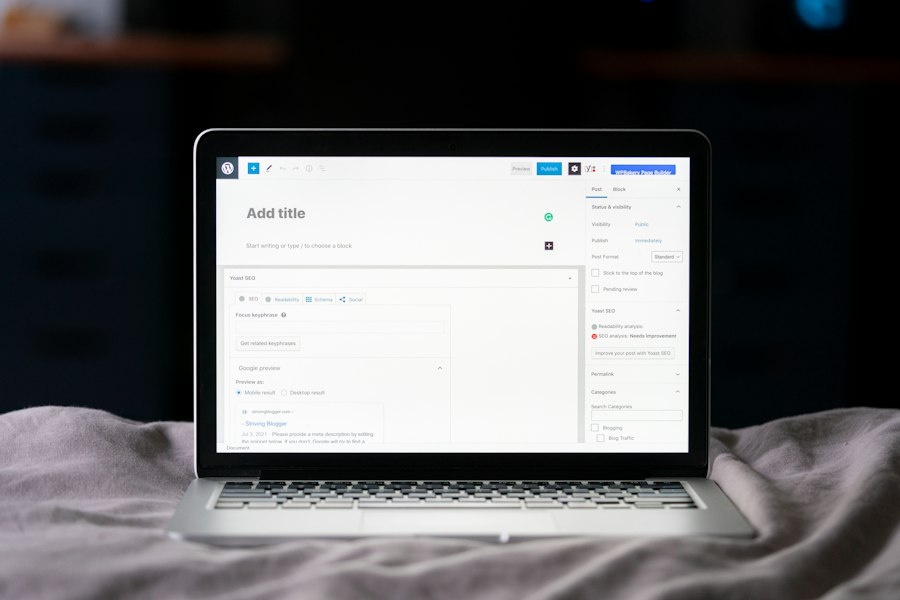
When your WordPress site loads quickly, you’re not just preventing users from leaving; you’re actively encouraging them to stay, explore, and interact. Speed acts as a lubricant for engagement, removing friction points and making the user journey feel effortless and enjoyable. This seamless experience directly translates into higher engagement metrics.
Think about it: if every click and every page transition is instantaneous, users are more likely to delve deeper into your content, navigate through multiple pages, and spend more time on your site. There’s no frustrating wait between sections, no stuttering as images load, just a smooth, continuous flow of information and interaction. This uninterrupted experience fosters a sense of immersion, allowing users to fully focus on what you have to offer without external distractions.
Moreover, a fast website enables interactive elements to function optimally. Whether it’s a quick-loading image gallery, a responsive contact form, or a dynamic product configurator, these features enhance user engagement only if they work without delay. If a user has to wait for a form to load or an image to appear, their desire to interact diminishes. Fast hosting ensures that these interactive components respond instantly, encouraging participation and making your site more dynamic and appealing.
Lower Bounce Rates and Increased Page Views
One of the most direct benefits of a fast WordPress site is a significant reduction in bounce rates. A bounce occurs when a user visits a single page on your site and then leaves without navigating to any other pages. High bounce rates are a clear indicator that users are not finding what they expected or are simply frustrated by the experience.
When your pages load quickly, the initial barrier to entry is removed. Users are more likely to stay past the first page because the transition to the next is so smooth and immediate. This leads to an increase in page views per session. Instead of just glancing at your homepage and leaving, they might click on an internal link, explore your blog posts, or check out your “About Us” page. Each additional page view represents a deeper level of engagement with your content and a stronger connection with your brand.
For content-heavy sites like blogs or news portals, higher page views are critical. They indicate that your audience is finding your content valuable and wants to consume more of it. For e-commerce sites, increased page views often mean users are browsing more products, comparing options, and moving closer to a purchase decision. In essence, a fast-loading site transforms casual visitors into active explorers, maximizing the utility of every visit.
Improved Conversions and Revenue
Ultimately, engagement on your website usually serves a purpose: to drive conversions, whether that’s making a sale, generating a lead, or signing up for a newsletter. Fast WordPress hosting directly contributes to improved conversion rates. When users experience a smooth, fast journey through your site, they are more likely to complete desired actions.
Consider an e-commerce store. If product pages load instantly, users can browse multiple items quickly, add them to their cart without delay, and proceed to checkout with minimal friction. Every step of the purchasing funnel benefits from speed. A slow checkout process, for example, is a notorious conversion killer. Customers, having made the decision to buy, are easily deterred by delays at this crucial stage, often abandoning their carts entirely. Fast hosting ensures that the path to purchase is as smooth and efficient as possible, reducing abandonment rates and increasing completed transactions.
The same principle applies to lead generation. If your landing pages load quickly and your contact forms are instantly responsive, users are more inclined to fill them out. Any delay creates an opportunity for them to hesitate, reconsider, or simply get distracted and leave. By removing these obstacles, you make it easier for users to become leads, subscribers, or customers, directly impacting your bottom line and driving revenue growth.
Enhanced User Experience Across Devices
In today’s multi-device world, a significant portion of your audience will access your WordPress site from mobile phones and tablets. Mobile users, in particular, are even less tolerant of slow loading times due to varying network conditions and the on-the-go nature of their browsing. Fast WordPress hosting is essential for delivering an optimal user experience across all devices.
A responsive design ensures your site looks good on smaller screens, but fast hosting ensures it performs well. If your mobile site is sluggish, even with a great design, users will quickly become frustrated and leave. This is especially true for mobile-first indexing by search engines, where the mobile experience is paramount. A fast-loading mobile site not only improves user satisfaction but also positively impacts your search engine rankings.
When your site loads quickly and seamlessly on mobile, users are more likely to engage with your content, share it on social media, and return in the future. This creates a consistent and positive brand experience, regardless of how or where your audience chooses to interact with your site. It reinforces the idea that your brand is accessible and considerate of their diverse browsing habits.
The Direct Impact on User Retention
Engagement is about getting users to interact with your site now, but retention is about getting them to come back later. Fast WordPress hosting plays a critical role in fostering user loyalty and encouraging repeat visits. A positive and efficient experience leaves a lasting impression that makes users want to return.
Think of it this way: if every visit to your website is a smooth, frustration-free experience, it creates a mental association of convenience and satisfaction with your brand. This positive reinforcement encourages users to choose your site over competitors when they next need information, products, or services that you offer. Conversely, a consistently slow or glitchy website creates a negative association, driving users away to alternatives that offer a more seamless experience.
Retention is not just about getting people to come back; it’s about building a community and fostering loyalty. When users trust that your site will always perform well, they are more likely to subscribe to your newsletter, follow you on social media, and become brand advocates. This long-term relationship is invaluable for sustainable growth and success.
Building Trust and Reliability
A consistently fast WordPress site builds trust and reliability with your audience. It demonstrates that your website is well-maintained, professionally managed, and prioritizes the user experience. This perception of reliability is crucial for long-term retention. Users are more likely to return to a site they trust to deliver a consistent, high-quality experience.
Trust isn’t just about security; it’s also about performance. If your site frequently loads slowly or experiences downtime, users will quickly lose faith in your brand’s professionalism. This erosion of trust makes them less likely to share personal information, make purchases, or rely on your site for important information. Fast hosting, therefore, acts as a foundational element for building a strong, trustworthy online presence.
Moreover, reliability extends to the perceived stability of your brand. A fast and responsive website suggests that your operation is stable and well-resourced. This subtle signal can be particularly important for businesses that deal with sensitive information or require a high degree of confidence from their users, such as financial services or healthcare providers.
Encouraging Repeat Visits and Brand Loyalty
The feeling of effortlessness associated with a fast website is a powerful motivator for repeat visits. When users know they can quickly access the information or products they need without any frustration, they are more likely to choose your site as their go-to resource. This habitual return is the cornerstone of brand loyalty.
Consider a user who frequently checks a news site or an online store. If your WordPress site consistently delivers content quickly, it becomes part of their routine. They learn that they can rely on your site for a smooth experience, and this reliability reduces the mental effort required to decide where to go next. Over time, this convenience translates into loyalty, making your brand their preferred choice.
Furthermore, a fast site enhances the overall perceived value of your content or products. If accessing your valuable content is always a pleasant experience, users will appreciate it more. This positive association strengthens their connection to your brand, making them less susceptible to competitors and more likely to recommend you to others.
Positive Word-of-Mouth and Recommendations
Satisfied users are your best advocates. When you provide an exceptional online experience through a fast and responsive WordPress site, users are more likely to share their positive experiences with others. This organic word-of-mouth marketing is incredibly powerful for attracting new users and reinforcing existing relationships.
Think about a time you recommended a website or online service to a friend. Was it a slow, clunky experience, or a smooth and efficient one? Chances are, you recommended the latter. A fast website creates a “wow” factor that people want to talk about. It positions your brand as forward-thinking and user-centric, generating positive buzz that extends your reach far beyond your initial marketing efforts.
Conversely, a slow website can lead to negative word-of-mouth. Frustrated users are often quick to share their complaints online or with friends, damaging your reputation and deterring potential new visitors. Investing in fast WordPress hosting is not just about improving your site; it’s about safeguarding and enhancing your brand’s public image.
The Role of SEO and Search Engine Rankings
Beyond user experience, fast WordPress hosting has a direct and significant impact on your search engine optimization (SEO) efforts. Search engines like Google prioritize fast-loading websites because they understand that speed is a critical factor in user satisfaction. If your site is slow, you’re not just frustrating users; you’re also hindering your visibility in search results.
Google, in particular, has openly stated that page speed is a ranking factor. While it might not be the single most important factor, it’s certainly a foundational one. A slow site can negatively affect your ranking, pushing your content further down the search results page where it’s less likely to be discovered. Conversely, a fast site can give you a competitive edge, helping your content rank higher and attract more organic traffic.
This relationship between speed and SEO creates a virtuous cycle. A fast site leads to better rankings, which leads to more traffic. More traffic, combined with a positive user experience, leads to higher engagement and retention. All these factors contribute to stronger SEO signals, further reinforcing your site’s position in search results. Investing in fast hosting is, therefore, an investment in your site’s overall discoverability and long-term organic growth.
Google’s Core Web Vitals and Page Experience
Google’s “Core Web Vitals” initiative has brought page speed and user experience even more into the spotlight. Core Web Vitals are a set of specific, measurable metrics that quantify key aspects of the user experience on the web. They include:
- Largest Contentful Paint (LCP): Measures loading performance. It should occur within 2.5 seconds of when the page first starts loading.
- First Input Delay (FID): Measures interactivity. It should be less than 100 milliseconds.
- Cumulative Layout Shift (CLS): Measures visual stability. It should be less than 0.1.
Fast WordPress hosting directly impacts your LCP and FID scores. A well-optimized hosting environment can significantly reduce the time it takes for your site’s main content to load and for it to become interactive. Achieving good Core Web Vitals scores is now crucial not just for user satisfaction but also for maintaining and improving your search engine rankings. Google explicitly uses these metrics as part of its broader “page experience” ranking signals.
Ignoring Core Web Vitals and page speed is akin to trying to drive a car with flat tires. You might have a great engine (content), but the vehicle won’t perform optimally. Fast hosting provides the solid foundation needed to achieve excellent Core Web Vitals, signaling to Google that your site offers a superior user experience, which in turn boosts your SEO.
Improved Crawlability and Indexing
Search engine bots, or “crawlers,” systematically explore the web to discover new and updated content. Their crawl budget – the number of pages they will crawl on your site within a given timeframe – is finite. If your WordPress site is slow, crawlers will spend more time waiting for pages to load, meaning they can crawl fewer of your pages within their allocated budget.
This reduced crawl efficiency can have a detrimental impact on your SEO. New content might take longer to be discovered and indexed, delaying its appearance in search results. Important updates to existing content might also go unnoticed for longer periods. In essence, a slow site makes it harder for search engines to understand and catalog your offerings effectively.
Fast WordPress hosting enables crawlers to navigate your site quickly and efficiently. This means your new content gets indexed faster, and updates are recognized sooner, ensuring that your most current and relevant information is always available in search results. It optimizes the interaction between your website and search engine bots, leading to better overall visibility.
Fast WordPress hosting is crucial for enhancing user engagement, as it significantly reduces loading times and improves overall site performance. For those looking to delve deeper into optimizing their website’s speed, a related article discusses essential strategies for mastering Core Web Vitals, which are key metrics that impact user experience and search rankings. You can read more about these strategies in the article here. By understanding and implementing these techniques, website owners can create a more engaging and responsive environment for their visitors.
Selecting the Right Fast WordPress Hosting
| Metric | Impact of Fast WordPress Hosting | Effect on User Engagement |
|---|---|---|
| Page Load Time | Reduces load time to under 2 seconds | Increases average session duration by up to 70% |
| Bounce Rate | Improves server response time | Decreases bounce rate by up to 50% |
| Conversion Rate | Faster checkout and navigation | Boosts conversion rates by up to 30% |
| Pages Per Session | Enhances overall site speed | Increases pages viewed per session by 40% |
| SEO Ranking | Improves site speed and uptime | Higher search rankings lead to more organic traffic |
Choosing the right WordPress hosting provider is perhaps the most critical decision you’ll make for your site’s speed and, consequently, its user engagement and retention. Not all hosting is created equal, and a generic shared hosting plan, while cheap, is often a recipe for slow performance. You need a hosting solution specifically optimized for WordPress.
When evaluating hosting providers, look beyond just the advertised price. Focus on their infrastructure, their WordPress-specific optimizations, their support, and their scalability options. A cheap host that delivers poor performance will cost you far more in lost conversions and frustrated users than a slightly more expensive, high-performance host. This is an investment, not an expense.
Remember that a fast website isn’t just about raw server speed; it’s about the entire hosting environment working in harmony with WordPress. This includes things like server configuration, caching mechanisms, content delivery networks (CDNs), and proactive security measures, all of which contribute to the overall speed and reliability of your site. Making an informed decision here is paramount for your website’s success.
Managed WordPress Hosting Advantages
For most WordPress users, managed WordPress hosting is the ideal choice for achieving optimal speed and performance. These providers specialize in WordPress and offer environments specifically tuned for the platform.
Here’s why managed WordPress hosting often outperforms generic alternatives:
- Optimized Server Configuration: Managed hosts configure their servers with WordPress in mind, often using NGINX, PHP-FPM, and other performance-enhancing technologies.
- Built-in Caching: They typically offer server-level caching solutions (e.g., Varnish, Redis) that are often more efficient than plugin-based caching alone, significantly speeding up page load times.
- Security Expertise: Managed hosts provide robust security measures, including firewalls, malware scanning, and automatic updates, protecting your site from threats that can also impact performance.
- Automatic Updates and Backups: They handle core WordPress updates, theme/plugin updates (with caution, to avoid breakage), and regular backups, freeing you from tedious maintenance tasks.
- Expert Support: Their support teams are usually well-versed in WordPress-specific issues, making it easier to troubleshoot performance problems or other technical challenges.
- Scalability: Many managed hosts offer scalable plans, allowing your site to grow without compromising speed, easily handling traffic spikes.
- Staging Environments: Often included, staging sites allow you to test changes and updates without affecting your live site, preventing potential performance issues from going public.
While managed WordPress hosting might come at a higher price point than basic shared hosting, the benefits in terms of speed, security, support, and overall peace of mind often far outweigh the cost, directly contributing to better user engagement and retention.
Key Hosting Features for Speed
When comparing hosting providers for speed, look for these specific features and technologies:
- SSD Storage: Solid-State Drives are significantly faster than traditional Hard Disk Drives (HDDs) for data access, leading to quicker loading of your website files and database.
- HTTP/2 or HTTP/3 Protocol: These newer network protocols improve how web browsers request and receive content, leading to faster loading times, especially for sites with many assets.
- PHP Version: Ensure your host supports the latest stable version of PHP (e.g., PHP 8.x). Newer PHP versions offer substantial performance improvements over older ones.
- Server Locations (Data Centers): Choose a host with data centers geographically close to your target audience. This reduces latency, the time it takes for data to travel between the server and the user.
- Content Delivery Network (CDN) Integration: A CDN caches your static assets (images, CSS, JavaScript) on servers worldwide and delivers them from the server closest to the user, dramatically speeding up global access. Many quality hosts either include a CDN or offer seamless integration.
- Server-Side Caching (e.g., Varnish, Redis): Beyond browser caching and WordPress plugins, server-level caching mechanisms can store frequently accessed data in memory, allowing for lightning-fast delivery without repeatedly querying the database or generating pages.
- Sufficient Resources (RAM, CPU): While shared hosting pools resources, reputable providers will ensure adequate allocation. For VPS or dedicated hosting, you have more control over these, but ensure your chosen managed plan has enough to handle your site’s needs.
- Security Measures: Robust firewalls and DDoS protection prevent malicious attacks or overwhelming traffic that can slow down or take your site offline.
By prioritizing these features, you can ensure that your chosen hosting provider lays a strong foundation for a fast, responsive WordPress website, ultimately enhancing your user experience and achieving your business objectives.
FAQs
1. How does fast WordPress hosting impact user engagement?
Fast WordPress hosting improves user engagement by providing quicker loading times for web pages, which leads to a better user experience. Users are more likely to stay on a website that loads quickly and navigate through its content efficiently.
2. Does fast WordPress hosting affect search engine rankings?
Yes, fast WordPress hosting can positively impact search engine rankings. Search engines like Google consider page speed as a ranking factor, so websites with faster loading times are more likely to rank higher in search results, leading to increased visibility and traffic.
3. How does fast hosting contribute to lower bounce rates?
Fast hosting helps lower bounce rates by reducing the amount of time users have to wait for a website to load. When pages load quickly, visitors are more likely to stay on the site and explore its content, decreasing the likelihood of them bouncing back to the search results page.
4. Can fast WordPress hosting improve conversion rates?
Yes, fast WordPress hosting can improve conversion rates. When users have a seamless and fast experience on a website, they are more likely to complete desired actions such as making a purchase, signing up for a newsletter, or filling out a form, leading to higher conversion rates.
5. What are some features to look for in a fast WordPress hosting provider?
When choosing a fast WordPress hosting provider, look for features such as solid-state drives (SSD) for faster data retrieval, content delivery network (CDN) integration for optimized global delivery of content, caching mechanisms for quicker page loading, and scalable resources to handle traffic spikes efficiently.









Add comment