

As a small business owner in 2026, you understand that your website is no longer just a digital brochure; it’s the beating heart of your online presence, a crucial customer acquisition tool, and often, the first impression prospective clients have of your brand. Choosing the right hosting plan, therefore, is not a decision to be taken lightly. It’s a foundational investment that will directly impact your website’s performance, security, and scalability. With the digital landscape constantly evolving, gone are the days of one-size-fits-all solutions. In 2026, you need a plan that is robust, agile, and tailored to the specific demands of your growing business.
This guide is designed to help you navigate the often-overwhelming world of web hosting and pinpoint the top considerations for your small business website. We’ll break down the key features you should be looking for, explore different hosting types, and highlight what makes a provider truly stand out in this competitive market. Forget the jargon and the confusing technicalities; our aim is to empower you with the knowledge to make an informed choice that propels your business forward.
Before you even start comparing hosting providers, you need to have a crystal-clear understanding of what your small business website will do. This introspection is the bedrock of finding the correct hosting plan, preventing you from overpaying for features you don’t need or, worse, under-provisioning and suffering performance issues.
Identifying Your Website’s Purpose and Functionality
Think about the primary goals of your website. Is it a simple informational site showcasing your services, or is it an e-commerce powerhouse driving sales? The answer dictates a huge chunk of your hosting requirements.
Informational and Brochure Websites
If your website primarily serves to inform potential customers about your business, its services, location, and contact details, you likely have less demanding resource needs.
Content Management System (CMS) Requirements
Commonly, these sites are built on Content Management Systems (CMS) like WordPress, Joomla, or Drupal. Ensure your hosting plan is optimized for your chosen CMS or offers easy installation for it. In 2026, many providers offer one-click installations and pre-configured environments for popular CMS platforms, simplifying the setup process dramatically.
Traffic Volume and Peaks
Consider the expected number of visitors. While informational sites might not experience massive spikes, occasional marketing campaigns or local events could lead to temporary increases in traffic. Your hosting should be able to handle these fluctuations gracefully.
E-commerce Websites
If your business relies on online sales, your hosting needs are significantly more complex and demanding. Security, speed, and reliability become paramount for customer trust and conversion rates.
Transaction Processing and Security Measures
E-commerce sites handle sensitive customer data, including payment information. Your hosting plan must include robust security features, such as SSL certificates (often included for free now), regular security audits, and protection against common web attacks like DDoS and SQL injection. Look for providers that offer payment gateway integrations and have infrastructure designed for high transaction volumes.
Inventory Management and Dynamic Content
If you manage a large product catalog, your website will be constantly updating and displaying dynamic content. This requires more processing power and memory from your hosting server. Faster loading times are crucial for reducing cart abandonment.
Blog and Content-Heavy Websites
For businesses that leverage content marketing to attract and engage their audience, the volume and frequency of content publication are key factors.
Database and Storage Needs
Blogs often rely heavily on databases to store posts, comments, and user information. More content means a larger database, requiring adequate storage space and efficient database management from your host.
Media Richness and Loading Speed
Incorporating images, videos, and other rich media significantly impacts loading times. Your hosting plan needs to be able to serve this content quickly and efficiently to keep visitors engaged. Consider providers with Content Delivery Networks (CDN) integration or built-in CDNs.
Assessing Your Technical Expertise and Support Needs
Your comfort level with web technologies and your reliance on technical support are crucial factors in choosing a hosting plan.
Self-Managed vs. Managed Hosting
Are you comfortable with server administration, software updates, and security patching? Or would you prefer a provider to handle these complexities for you?
Shared Hosting (Managed to varying degrees)
In the past, shared hosting was the go-to for small businesses. While still an option, in 2026, the lines between managed and unmanaged shared hosting are blurring. Even entry-level plans typically offer some level of managed support.
Virtual Private Server (VPS) – Managed Options
Managed VPS plans offer a good balance of control and convenience. You get dedicated resources without the full responsibility of server administration. The provider handles the core operating system and security, allowing you to focus on your website and applications.
Dedicated Servers (Less common for typical small businesses but possible)
If you have very specific, high-demand needs or strict compliance requirements, a dedicated server offers the ultimate control and resources. However, this is usually overkill for most small businesses and comes with a higher cost and greater management overhead, even in managed configurations.
Customer Support Quality and Availability
When things go wrong, and they inevitably will, you need responsive and knowledgeable support.
24/7 Availability and Multiple Channels
Look for providers offering round-the-clock support via live chat, phone, and email. The speed and competence of their responses can make a significant difference in resolving issues quickly and preventing lost revenue.
Technical Expertise and Problem-Solving Skills
Does the support team understand your specific issues? Can they offer more than just generic troubleshooting? Seek reviews and testimonials that highlight positive support experiences.
When considering the best hosting plan for a small business website in 2026, it’s essential to evaluate various options that cater to your specific needs. One particularly insightful article that delves into the advantages of dedicated hosting is available at Why Dedicated Hosting is the Perfect Solution for Your Website. This resource highlights how dedicated hosting can provide enhanced performance, security, and reliability, making it an excellent choice for small businesses looking to establish a strong online presence.
Popular Hosting Types for Small Businesses in 2026
The hosting landscape has diversified, offering you more nuanced options to match your business’s unique requirements. Understanding the strengths and weaknesses of each type is key.
Shared Hosting: The Accessible Entry Point
Shared hosting remains a popular choice for startups and very small businesses due to its affordability and ease of use. You share server resources with other websites, making it cost-effective.
Pros:
- Cost-Effective: The most budget-friendly option, ideal for businesses with limited initial capital.
- Ease of Use: Typically comes with user-friendly control panels (like cPanel or Plesk) and requires minimal technical expertise.
- Managed Infrastructure: The hosting provider handles server maintenance, security patches, and updates.
Cons:
- Resource Limitations: Performance can be affected by other websites on the same server.
- Security Risks: While providers implement security measures, shared environments can be more vulnerable to widespread attacks.
- Scalability Issues: Limited ability to handle sudden traffic surges, potentially leading to downtime.
Cloud Hosting: The Flexible and Scalable Solution
Cloud hosting leverages a network of interconnected servers, offering unparalleled flexibility and scalability. Your website’s resources are distributed across multiple servers, ensuring higher availability and performance.
Pros:
- Scalability and Flexibility: Easily adjust resources (CPU, RAM, storage) up or down as your needs change, often on demand. You only pay for what you use.
- High Availability and Reliability: If one server fails, others take over, minimizing downtime.
- Performance: Generally offers better performance than shared hosting due to dedicated resources and optimized infrastructure.
- Cost-Effectiveness for Variable Loads: Ideal for businesses with fluctuating traffic patterns.
Cons:
- Complexity (Potentially): While many providers offer user-friendly cloud interfaces, some configurations can be more complex than shared hosting.
- Cost Can Fluctuate: While generally cost-effective, unpredictable spikes in resource usage can lead to higher-than-expected bills if not monitored.
When considering the best hosting plan for a small business website in 2026, it’s essential to also think about the potential need for migration in the future. A related article that provides valuable insights on this topic is available at how to migrate your website to a new web hosting provider, which outlines a step-by-step guide to ensure a smooth transition if your business needs to switch hosting providers. This resource can be particularly helpful as you evaluate your options and plan for growth.
Managed WordPress Hosting: Optimized for a Dominant Platform
If your small business runs on WordPress, a managed WordPress hosting plan offers an environment specifically tuned for optimal performance, security, and ease of use of the platform.
Pros:
- Performance Optimization: Servers are configured for WordPress speed, with advanced caching and CDN integration.
- Enhanced Security: Proactive security measures, malware scanning, and automatic updates tailored for WordPress.
- Expert WordPress Support: Support staff are knowledgeable about WordPress, offering faster and more accurate troubleshooting.
- Automatic Backups and Updates: Routine backups and core WordPress updates are handled automatically.
Cons:
- Platform Specificity: Only suitable if your website is built on WordPress.
- Potentially Higher Cost: Generally more expensive than standard shared hosting due to specialized services.
- Limited Customization: Some managed hosts might have restrictions on plugin installations or server-level modifications.
Key Features to Prioritize in a 2026 Hosting Plan
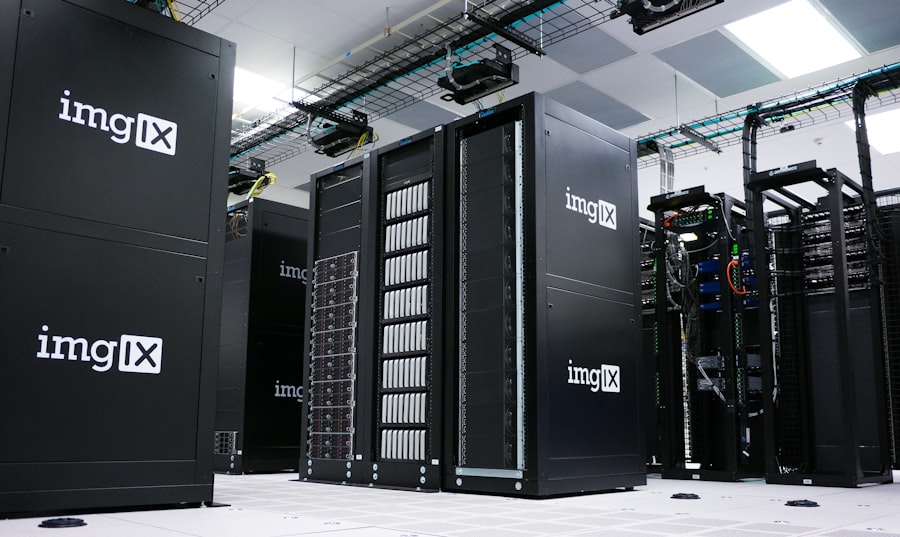
Beyond the basic hosting types, several crucial features will dictate the success of your website and the smooth operation of your business.
Performance and Speed: The Unseen Drivers of Success
In 2026, user patience is thinner than ever. Slow-loading websites not only frustrate visitors but also negatively impact your search engine rankings.
Server Location and Latency
- Proximity to Your Audience: Choose a hosting provider with data centers located geographically close to your primary customer base. This minimizes latency and ensures faster loading times for your visitors. For a global audience, consider providers with a robust network of data centers and built-in CDN capabilities.
Optimized Server Technology
- SSD Storage: Solid State Drives (SSDs) are significantly faster than traditional Hard Disk Drives (HDDs) for data retrieval, leading to quicker website loading. Ensure your plan leverages SSD storage.
- Latest PHP Versions and Web Server Software: Hosting providers should support the latest stable versions of PHP and efficient web server software like LiteSpeed or Nginx, which greatly enhance website performance.
- Caching Mechanisms: Look for plans that offer built-in caching solutions (like Varnish, Memcached, or Redis) or easy integration with popular WordPress caching plugins. These dramatically speed up the delivery of frequently accessed content.
Content Delivery Networks (CDNs)
- Global Reach: A CDN distributes your website’s static content (images, CSS, JavaScript) across multiple servers worldwide. When a user visits your site, content is delivered from the server closest to them, drastically reducing load times. Many top providers now offer integrated or easily configurable CDN solutions.
Security: Protecting Your Business and Your Customers
In a world increasingly aware of cyber threats, robust security measures are non-negotiable.
SSL Certificates
- Essential for Trust and SEO: An SSL certificate encrypts the connection between your website and your visitors, indicated by “https://” in the URL and a padlock icon. Most reputable hosting providers now offer free SSL certificates (often via Let’s Encrypt). This is vital for customer trust, especially for e-commerce sites, and is also a ranking factor for search engines.
Malware Scanning and Removal
- Proactive Defense: Your hosting provider should offer regular, automated malware scans of your website files and databases. In the event of an infection, they should have services in place for prompt removal and assistance.
Firewalls and DDoS Protection
- Network Security: A robust firewall and Distributed Denial of Service (DDoS) protection are crucial to prevent your website from being overwhelmed by malicious traffic, ensuring its availability.
Regular Backups and Easy Restore Options
- Disaster Recovery: Imagine losing all your hard work. Your hosting plan must include regular, automated backups of your website files and databases. Crucially, you should be able to restore your website easily and quickly from these backups in case of data loss or a security breach. Look for daily backups with a reasonable retention period.
Scalability and Growth Potential: Planning for Tomorrow
Your small business is designed to grow. Your hosting plan should be able to accommodate that growth seamlessly.
Resource Upgradability
- Effortless Expansion: As your traffic increases and your website becomes more complex, you’ll need more resources (CPU, RAM, storage, bandwidth). Your hosting plan should allow for easy and quick upgrades without significant downtime or a complete migration. Cloud hosting excels in this area.
Bandwidth and Traffic Management
- Handling Visitor Surges: Ensure the plan provides sufficient bandwidth to handle your expected traffic, with clear policies on what happens if you exceed limits. Some plans offer unmetered bandwidth, which can be very convenient.
Domain and Email Accounts
- Branding and Communication: Most small business hosting plans include the ability to register and manage multiple domain names and create professional email addresses (e.g., info@yourbusiness.com). These are essential for brand identity and customer communication. Consider the number of email accounts provided and their storage limits.
Top Hosting Providers for Small Businesses in 2026: What to Look For
With the criteria established, let’s explore what makes a hosting provider a top choice for small businesses in 2026.
Hostinger
Hostinger has consistently impressed with its affordable yet powerful offerings. They’ve invested heavily in performance and user experience, making them a strong contender.
Strengths:
- Exceptional Value for Money: You get a lot of features for a very competitive price, especially on their longer-term plans.
- User-Friendly Interface: Their custom hPanel is intuitive and easy to navigate, even for beginners.
- Global Data Centers: A wide array of server locations for optimal speed.
- Good Performance: Utilizes LiteSpeed web servers and SSD storage for fast loading times.
- Generous Resource Allocations: Even their entry-level plans offer good RAM and storage for the price.
Considerations:
- Support Response Times: While generally good, live chat can sometimes have a short wait, especially during peak hours.
- Renewal Prices: Like many budget providers, renewal prices can increase after the initial promotional period.
SiteGround
SiteGround is renowned for its exceptional performance, cutting-edge technology, and outstanding customer support, particularly for WordPress users.
Strengths:
- Superb Performance and Speed: Utilizes custom caching solutions, SSDs, and Nginx for blazing-fast websites.
- Top-Tier WordPress Optimization: Ideal for businesses running on WordPress, with features like staging environments and built-in CDN.
- Industry-Leading Customer Support: Highly knowledgeable and responsive support staff available 24/7 via multiple channels.
- Robust Security Features: Proactive security measures, including custom WAF and AI-driven threat detection.
- User-Friendly Custom Control Panel: Site Tools is powerful and intuitive.
Considerations:
- Higher Price Point: SiteGround is generally more expensive than budget providers, reflecting the premium services offered.
- Limited Higher-Tier Plans: Their higher-tier cloud plans might be more complex for absolute beginners compared to simpler
FAQs
1. What factors should a small business consider when choosing a hosting plan for their website in 2026?
Small businesses should consider factors such as website speed, uptime reliability, security features, customer support, and scalability when choosing a hosting plan for their website in 2026.
2. What are the different types of hosting plans available for small businesses in 2026?
In 2026, small businesses can choose from shared hosting, virtual private server (VPS) hosting, dedicated server hosting, and cloud hosting plans, each offering different levels of resources and control.
3. What are some recommended hosting providers for small business websites in 2026?
Some recommended hosting providers for small business websites in 2026 include Bluehost, SiteGround, HostGator, A2 Hosting, and DreamHost, which offer a range of hosting plans tailored to small businesses.
4. How important is website security when choosing a hosting plan for a small business in 2026?
Website security is crucial for small businesses in 2026, as cyber threats continue to evolve. It’s important to choose a hosting plan that includes features such as SSL certificates, regular backups, and malware protection to safeguard the website and customer data.
5. What are the key considerations for pricing when selecting a hosting plan for a small business website in 2026?
When selecting a hosting plan for a small business website in 2026, it’s important to consider the overall value rather than just the price. Factors such as included features, scalability, and customer support should be weighed against the cost to determine the best hosting plan for the business.









Add comment