
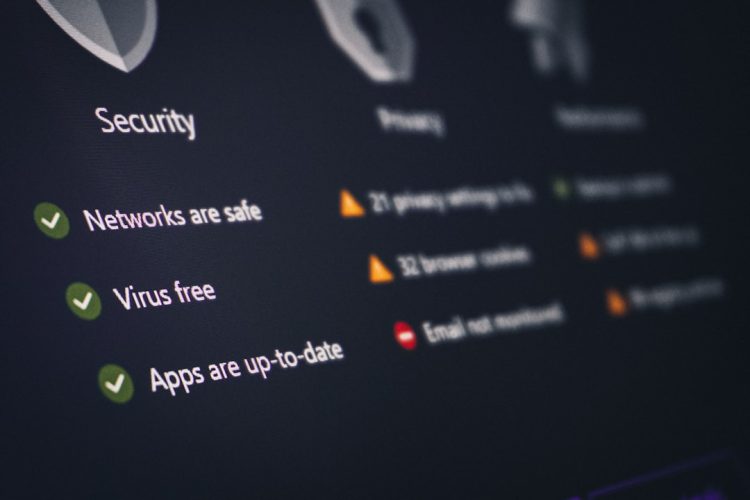
The cacophony of launching a startup is loud. You’re juggling product development, marketing strategies, funding rounds, and a thousand other things that demand your immediate attention. In this whirlwind, one seemingly small detail can easily get lost in the shuffle: SSL. But let me tell you, the security and trust your website conveys are anything but small. They are foundational to your success, and here’s precisely why you, as a burgeoning entrepreneur, cannot afford to overlook the importance of SSL.
You’ve probably seen it – that little padlock icon nestled beside your website’s URL in the browser bar, or perhaps a green address bar. This isn’t just a pretty embellishment; it’s the visible manifestation of an SSL (Secure Sockets Layer) or, more accurately these days, TLS (Transport Layer Security) certificate. Think of it as your website’s digital passport and its personal bodyguard, all rolled into one.
What Exactly is SSL/TLS?
At its core, SSL/TLS is a protocol that encrypts the information exchanged between your website and your visitors’ web browsers. When a user navigates to your site, their browser establishes a secure, encrypted connection with your server. This means that any data transmitted – be it login credentials, credit card numbers, personal contact information, or even just the pages they browse – is scrambled into an unreadable format. Only the user’s browser and your server possess the keys to decrypt it.
The Encryption Process Explained
Imagine sending a postcard with sensitive information versus a sealed, tamper-proof envelope. SSL/TLS acts like that secure envelope. When a user’s browser connects to a website with an SSL certificate, a complex handshake occurs.
The Handshake: Establishing a Secure Connection
- Initiation: The user’s browser requests a secure connection to your website.
- Server’s Certificate: Your web server sends its SSL certificate to the browser. This certificate contains your website’s public key.
- Verification: The browser checks the validity of the certificate with a trusted Certificate Authority (CA). This ensures that the certificate is legitimate and hasn’t been tampered with.
- Key Exchange: The browser generates a unique session key (a symmetric key) and encrypts it using your website’s public key. This encrypted session key is then sent back to your server.
- Decryption and Confirmation: Your server uses its private key (which is kept secret) to decrypt the session key. Now, both the browser and the server have the same session key.
- Secure Data Transfer: All subsequent communication between the browser and the server is encrypted using this shared session key.
This entire process is incredibly fast, happening in milliseconds, so your visitors rarely notice it. However, the security it provides is profound. Without it, any data exchanged would be transmitted in plain text, making it vulnerable to interception by malicious actors.
Why “SSL/TLS” is More Accurate
While the term “SSL” is still widely used, TLS is the successor protocol, offering enhanced security features and being the current standard. You’ll often see them used interchangeably, but it’s good to be aware that TLS is the more modern and secure iteration. For simplicity, we’ll continue to refer to it as SSL for the purpose of this discussion, but know that it signifies a secure, encrypted connection powered by TLS.
In today’s digital landscape, ensuring the security of your startup website is crucial for building customer trust, and understanding the broader context of web hosting can enhance this security. For instance, exploring the concept of reseller hosting can provide insights into how different hosting solutions can impact your site’s security measures, including SSL implementation. To learn more about this topic, you can read the article on what reseller hosting is and how it works. This knowledge can help startups make informed decisions about their web hosting options, ultimately fostering a safer online environment for their customers.
The Bedrock of Credibility: Building Customer Trust
In the digital age, trust is currency. For a startup, where no one knows your name yet, building that trust from the very first interaction is paramount. Customers are increasingly aware of online security risks, and the absence of SSL on your website is an immediate red flag.
The “Not Secure” Warning: A Deal-Breaker
Most modern browsers actively warn users when they visit a website that lacks SSL encryption. These warnings can be prominent, ranging from an explicit “Not Secure” label in the address bar to a pop-up message advising caution. Imagine a potential customer’s reaction. They’ve just discovered your innovative solution, clicked on your link, and within seconds, they’re greeted with a security alert. What do you think they’ll do?
Immediate Perceptions of Insecurity
- Lack of Professionalism: It signals that you haven’t invested in basic web security, which can make your startup appear amateurish and less serious about your business.
- Data Breach Fears: Users will immediately worry that their personal information, when entered on your site, could be stolen. This fear can be so potent that it overrides any interest they had in your product or service.
- Loss of Potential Customers: This is not an exaggeration. Studies consistently show that users abandon websites that display security warnings, especially when financial transactions are involved. For a startup, every potential customer is gold, and you simply cannot afford to let them slip away due to a preventable security oversight.
Protecting Sensitive Data: A Non-Negotiable
If your startup involves any form of data collection – from email sign-ups to customer accounts, and especially if you handle payments – SSL is not a luxury; it’s a necessity.
What Data Needs Protection?
- Login Credentials: Usernames and passwords are prime targets for hackers. Without SSL, these are sent as plain text, making it trivial for attackers to capture them.
- Personal Identifiable Information (PII): Names, addresses, phone numbers, dates of birth – any data that can identify an individual needs robust protection.
- Financial Information: Credit card numbers, bank details, and payment gateways are the most sensitive and thus require the highest level of security provided by SSL/TLS.
- Confidential Communications: Any messaging or inquiry forms on your site should also be protected to ensure customer privacy.
Your commitment to protecting your users’ data is a direct reflection of your company’s values. By implementing SSL, you demonstrate that you prioritize their privacy and security, fostering an environment where they feel comfortable engaging with your brand.
The Search Engine Factor: SSL as a Ranking Signal

In the competitive landscape of organic search, every advantage counts. Search engines, particularly Google, have explicitly stated that SSL is a ranking signal. This means that having an SSL certificate can positively impact your website’s visibility in search results.
Google’s Stance on Secure Websites
Google’s mission is to organize the world’s information and make it universally accessible and useful. Part of making online information useful is ensuring it’s delivered securely. Therefore, Google has been actively promoting secure websites for years.
Benefits for SEO
- Ranking Boost: Google uses SSL as a minor ranking signal, meaning sites with HTTPS (the protocol used with SSL/TLS) may rank slightly higher than equivalent HTTP sites. While not a dramatic influencer, in a tight race for SERP positions, every little bit helps.
- User Experience Signals: Search engines also monitor user behavior. If users bounce from your non-secure site due to warnings, this negative signal can hurt your rankings. Conversely, a secure site that retains users contributes positively to your SEO.
- Increased Click-Through Rates (CTR): As mentioned earlier, the absence of security warnings can deter clicks. A secure site, identified by the padlock and HTTPs, instills confidence, potentially leading to more users clicking on your search result.
The Shift to HTTPS: A Future-Proofing Strategy
The trend is clear: the internet is moving towards a more secure web. As more websites adopt SSL, the percentage of HTTP traffic will continue to decline. By implementing SSL from the outset, you’re not just complying with current best practices; you’re future-proofing your startup’s online presence.
What does this mean for your startup’s long-term strategy?
- Staying Ahead of the Curve: Embracing SSL early positions you as a forward-thinking company that values security and user experience.
- Avoiding Future Penalties: As search engines evolve, they may put even more weight on security. Being proactive now avoids potential negative impacts later on.
- Building a Reputation for Security: Associating your brand with security from the start can become a competitive differentiator, especially in industries where data privacy is a significant concern.
The Practicalities: Implementing SSL for Your Startup

The good news is that getting SSL is more accessible and affordable than ever before. Most reputable web hosting providers offer SSL certificates, and there are various types to suit your startup’s needs and budget.
Types of SSL Certificates
The choice of SSL certificate often depends on the level of validation and the number of domains you need to secure.
Understanding Validation Levels
- Domain Validated (DV): This is the most basic type of SSL certificate. It verifies that the applicant has control over the domain name. It’s quick, easy, and generally inexpensive, making it ideal for startups that primarily need basic encryption for their website. This is often the default offered by hosting providers.
- Organization Validated (OV): This certificate requires more rigorous validation, verifying the identity of the organization owning the website. It provides a higher level of trust as it proves your business is legitimate. This is suitable for startups that want to build stronger trust with their customers, especially if you handle sensitive data.
- Extended Validation (EV): This is the most stringent type of SSL certificate, involving a thorough vetting process of the organization. Websites with EV certificates often display a prominent green address bar (though this is being phased out by some browsers in favor of a more consistent user interface that highlights the padlock and certificate details). EV is best for e-commerce sites and businesses handling highly sensitive financial transactions, projecting the highest level of trust.
Getting Your Startup SSL-Covered
The implementation process is usually straightforward, especially when bundled with your hosting package.
Steps to Take
- Choose Your Hosting Provider Wisely: Many hosting providers, including shared hosting, VPS, and dedicated servers, offer SSL certificates. Some even provide free Let’s Encrypt certificates as part of their hosting plans.
- Select the Right Certificate: Based on your business needs and the data you handle, choose between DV, OV, or EV. For most startups, a DV certificate is a good starting point, with the option to upgrade later if necessary.
- Installation and Configuration: Your hosting provider will typically assist with installation or offer guided instructions. This involves uploading the certificate to your server and configuring your web server software to use it.
- Force HTTPS: Once installed, it’s crucial to configure your website to redirect all HTTP traffic to HTTPS. This ensures that all visitors are automatically served your secure site. This is often done through server configuration files (like
.htaccessfor Apache) or through your website’s CMS settings. - Update Internal Links and External References: After switching to HTTPS, you’ll need to ensure all internal links within your website point to the HTTPS version. You’ll also need to update any external references, such as social media links.
- Submit to Search Engines: Update your website’s URL in Google Search Console and other relevant webmaster tools to reflect the HTTPS version.
Understanding the significance of SSL for startup websites is crucial for building customer trust, and it can be beneficial to explore related topics that enhance this knowledge. For instance, an insightful article on domain strategies can provide startups with a broader perspective on establishing a secure online presence. You can read more about this in the article discussing the importance of domain strategies for businesses in Pakistan, which can be found here. This resource complements the discussion on SSL by highlighting how a strong domain strategy can further bolster customer confidence in a startup’s online operations.
Beyond the Basics: Advanced Security and Ongoing Vigilance
| Metrics | Importance |
|---|---|
| Data Security | SSL encrypts data transmitted between the website and the user, protecting sensitive information such as login credentials and payment details. |
| Customer Trust | SSL provides visual cues such as a padlock icon and “https” in the URL, reassuring customers that the website is secure and trustworthy. |
| SEO Ranking | Search engines prioritize websites with SSL, leading to better visibility and higher rankings in search results. |
| Compliance | SSL is often required to comply with data protection regulations and industry standards, avoiding potential legal issues. |
While SSL is a critical first step, it’s important to understand that security is an ongoing process, not a one-time fix. As your startup grows, so too do the potential threats.
The Role of HTTPS in API Security and Microservices
As your startup scales, you’ll likely be developing and utilizing APIs (Application Programming Interfaces) to connect different parts of your system or to allow third-party integrations.
Securing Your APIs
- Encrypted Data Exchange: Just as SSL protects data between your website and browsers, it’s essential to use HTTPS for all API requests and responses. This prevents sensitive data from being intercepted during internal or external communication.
- Authentication and Authorization: While SSL encrypts the data, it doesn’t inherently authenticate the parties involved. You’ll need to implement robust authentication and authorization mechanisms on top of HTTPS to ensure only permitted users and services can access your APIs.
- Microservices Communication: If your startup employs a microservices architecture, each service will need to communicate securely with others. Implementing HTTPS between these services is paramount for maintaining data integrity and confidentiality across your entire infrastructure.
Staying Ahead of Emerging Threats
The cybersecurity landscape is constantly evolving, with new vulnerabilities and attack vectors emerging regularly.
Proactive Measures for Startups
- Regular Software Updates: Keep your web server software, CMS (if used), plugins, and any other third-party applications updated. These updates often patch security vulnerabilities that could be exploited.
- Web Application Firewalls (WAFs): A WAF can help filter malicious traffic before it reaches your server, offering an additional layer of protection.
- Security Audits and Penetration Testing: Periodically have your website and infrastructure audited by security professionals. Penetration testing can identify weaknesses that might be missed by automated scans.
- Employee Training: Your team is often the first line of defense. Educate your employees on cybersecurity best practices, such as recognizing phishing attempts and using strong, unique passwords.
- DDoS Protection: Distributed Denial of Service (DDoS) attacks can cripple your website. Consider implementing DDoS mitigation services.
By embracing SSL from the very beginning and maintaining a vigilant approach to online security, your startup lays a strong foundation. This not only protects your business and your customers but also builds the invaluable asset of trust, a cornerstone for sustainable growth in the digital economy.
FAQs
1. What is SSL and why is it important for startup websites?
SSL (Secure Sockets Layer) is a standard security technology for establishing an encrypted link between a web server and a browser. It is important for startup websites because it helps protect sensitive information such as customer data, login credentials, and payment details from being intercepted by hackers.
2. How does SSL contribute to customer trust for startup websites?
SSL contributes to customer trust by ensuring that the data transmitted between the website and the user’s browser is secure and cannot be easily intercepted by malicious third parties. When customers see the padlock icon and “https” in the website’s URL, they are more likely to trust the website with their personal information.
3. What are the potential consequences of not having SSL for a startup website?
Not having SSL for a startup website can lead to potential security breaches, data theft, and loss of customer trust. This can result in financial losses, damage to the brand’s reputation, and legal consequences if customer data is compromised.
4. How can startup websites obtain SSL certificates?
Startup websites can obtain SSL certificates from trusted Certificate Authorities (CAs) or web hosting providers. There are different types of SSL certificates available, including free options such as Let’s Encrypt, as well as paid options with varying levels of validation and security features.
5. Are there any additional benefits of having SSL for startup websites?
In addition to security and customer trust, having SSL for startup websites can also improve search engine rankings, as major search engines like Google prioritize websites with SSL in their search results. SSL also helps protect against phishing attacks and provides authentication, ensuring that the website is legitimate and not a fraudulent imposter.









Add comment