
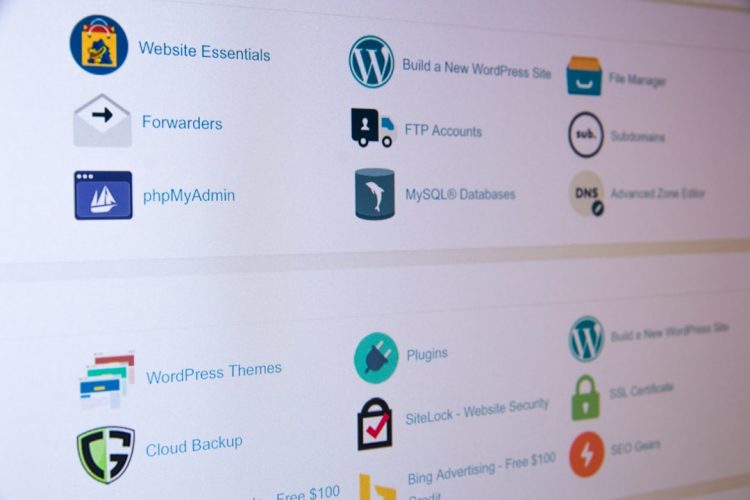
You’ve poured your heart, soul, and countless hours into building your WordPress website. It’s your digital storefront, your content hub, your online voice. Whether you’re a blogger, an e-commerce entrepreneur, a small business owner, or a developer, your WordPress site represents a significant investment. Yet, many of you, perhaps unknowingly, are teetering on the edge of a digital precipice, leaving your valuable asset vulnerable to catastrophic loss and reputational damage. This isn’t about scare tactics; it’s about a crucial, often overlooked reality: the indispensable need for reliable backups and a robust SSL certificate. Ignoring these foundational elements is akin to building a magnificent house without a sturdy foundation or a locked door – you’re simply inviting disaster.
The Unseen Threats to Your WordPress Sanctuary
Your website, despite its digital nature, is far from immune to real-world problems. In fact, it’s often more susceptible due to the sheer volume and complexity of potential threats. Understanding these dangers is the first step towards effectively mitigating them.
The Menace of Malicious Attacks
You might think your site is too small to be a target, but that’s a dangerous misconception. Automated bots relentlessly scan the internet for vulnerabilities, and even a minor oversight can open the floodgates.
Hacking Attempts and Data Breaches
Imagine waking up to find your site defaced, your content replaced with malicious propaganda, or worse, your customer data compromised. Hacking attempts are a constant threat, ranging from sophisticated SQL injection attacks to brute-force password guessing. A successful breach can lead to severe financial penalties (especially with GDPR and similar regulations), irreparable damage to your brand’s trust, and a long, arduous recovery process.
Malware and Viruses
Malware isn’t just for your desktop computer. Your WordPress site can become infected, turning it into a carrier that spreads malicious code to your visitors. This can result in search engine blacklisting, website slowdowns, and even your hosting provider suspending your account, bringing your online operations to a screeching halt.
The Unpredictable Nature of Human Error
Let’s face it, we all make mistakes. And when those mistakes happen on your website, the consequences can be significant.
Accidental Deletions and Misconfigurations
You’re updating a plugin, editing a theme file, or simply moving some content around, and poof – a critical file vanishes, or a setting is inadvertently changed, rendering your site inaccessible or broken. These common mishaps can bring down your site faster than any external attack.
Plugin and Theme Conflicts
The beauty of WordPress lies in its vast ecosystem of plugins and themes. However, this flexibility comes with a caveat. New updates, or conflicts between different extensions, can introduce unexpected bugs, break functionalities, or even crash your entire site. Without a reliable backup, diagnosing and fixing these issues can be a nightmare.
The Inevitable March of Technical Glitches
Technology, for all its marvels, is not infallible. Hardware failures, software bugs, and network issues are a fact of life in the digital realm.
Server Failures
Your hosting provider, no matter how reputable, uses physical servers that can fail. Hard drives crash, power supplies die, and network connections can falter. If your provider doesn’t have robust backup protocols (and you shouldn’t solely rely on theirs), your site could be lost in the digital ether.
Database Corruption
The WordPress database is the heart of your site, storing all your posts, pages, comments, users, and settings. A sudden server crash, a faulty plugin, or even a power outage can corrupt your database, rendering your entire site unreadable and unusable.
In addition to understanding the importance of reliable backups and SSL for WordPress websites, it’s also crucial to consider how effective hosting can enhance your online presence. A related article that delves into this topic is available at How Business Hosting Can Boost Your Online Sales and Revenue. This resource provides insights into how the right hosting solutions can not only improve website performance but also contribute to increased sales and overall revenue for your business.
The Life Raft in a Digital Storm: Why Reliable Backups are Your Best Friend
Given the myriad of threats, a reliable backup strategy isn’t just a good idea; it’s an absolute necessity. Think of it as your digital insurance policy, providing a safety net that allows you to bounce back from any disaster.
Peace of Mind and Business Continuity
Imagine the relief of knowing that, no matter what goes wrong, you can restore your site to a previous, functional state within minutes. This peace of mind is invaluable, allowing you to focus on growing your business rather than constantly worrying about potential catastrophes.
Rapid Recovery from Disasters
When your site goes down, every minute of downtime can translate to lost revenue, missed opportunities, and a damaged reputation. With a solid backup, you can restore your entire site – files, database, and all – quickly and efficiently, minimizing the impact of any incident.
Experimentation Without Fear
Want to try a new plugin, update your theme, or make a significant change to your site’s code? With a recent backup, you can experiment freely, knowing that if something breaks, you can always revert to a working version. This encourages innovation and allows you to keep your site fresh and up-to-date without undue risk.
The Anatomy of a Good Backup Strategy
Not all backups are created equal. To be truly effective, your backup strategy needs to be comprehensive and well-thought-out.
Automate, Automate, Automate!
You’re busy. Manually backing up your site is tedious and prone to human error. Implement an automated backup solution that runs on a regular schedule, without you having to lift a finger. This ensures consistency and reliability.
Store Backups Off-Site and in Multiple Locations
If your backups are stored on the same server as your website, a server crash or a hack could compromise both simultaneously. Always store your backups in a separate, secure location – ideally, in multiple off-site locations (e.g., cloud storage like Amazon S3, Google Drive, or an external hard drive).
Test Your Backups Regularly
A backup that can’t be restored is useless. Periodically test your backups by performing a full restore on a staging environment. This verifies the integrity of your backup files and ensures that your restoration process is smooth and efficient when you need it most.
Choose a Reputable Backup Solution
There are many excellent WordPress backup plugins available, both free and premium. Do your research and choose a solution that offers comprehensive backups (files and database), off-site storage options, and easy restoration features. Popular choices include UpdraftPlus, Duplicator, and Solid Backups (formerly BackupBuddy).
The Unbreakable Shield: Why SSL is Non-Negotiable for Modern WordPress Sites
If backups are your safety net, then an SSL certificate is your impenetrable shield, protecting the data flowing between your users and your website. Once considered a luxury for e-commerce sites, SSL is now a fundamental requirement for every WordPress site, regardless of its purpose.
Building Trust and Credibility
In today’s security-conscious world, users are increasingly wary of unsecured websites. An SSL certificate instantly signals to your visitors that your site is safe and trustworthy.
The Green Padlock and HTTPS
When your site has an SSL certificate, your URL will start with “https://” instead of “http://”, and most browsers will display a prominent padlock icon in the address bar. This visual cue reassures visitors that their connection is secure, fostering confidence and encouraging engagement.
Avoiding “Not Secure” Warnings
Without an SSL certificate, modern browsers like Chrome, Firefox, and Safari will display a “Not Secure” warning to your visitors, especially when they are asked to enter any personal information. This can be a major deterrent, driving potential customers away and severely damaging your brand’s credibility.
Essential for Data Security
Beyond trust, SSL provides critical encryption, safeguarding sensitive information exchanged between your users and your site.
Encrypting Sensitive Information
Whether it’s login credentials, contact form submissions, credit card details, or even just comments, any data transmitted without SSL is vulnerable to interception by malicious actors. SSL encrypts this data, transforming it into an unreadable format that only your server can decrypt, making it virtually impossible for eavesdroppers to steal.
Protecting Against Man-in-the-Middle Attacks
A “man-in-the-middle” (MitM) attack occurs when an attacker intercepts communication between two parties (e.g., your user and your website). SSL prevents this by establishing a secure, authenticated connection, ensuring that the data reaches its intended recipient without being tampered with or spied upon.
The SEO Advantage You Can’t Ignore
Google, the undisputed king of search engines, has openly stated that SSL is a ranking signal. This means that having an SSL certificate can positively impact your search engine optimization (SEO).
Google’s Preference for HTTPS
In its continuous effort to promote a safer web, Google actively favors HTTPS-enabled websites in its search results. If you want your site to rank higher and attract more organic traffic, an SSL certificate is no longer optional; it’s a strategic necessity.
Improved User Experience and Lower Bounce Rates
A secure website provides a better user experience. Visitors are more likely to spend time on a site they trust, leading to lower bounce rates and higher engagement. These positive user signals can also indirectly contribute to better search rankings.
The Ease of Implementing SSL
Installing an SSL certificate is no longer the complex and expensive process it once was.
Free SSL Options with Let’s Encrypt
Thanks to initiatives like Let’s Encrypt, you can now obtain a completely free, domain-validated SSL certificate. Many hosting providers offer one-click installation for Let’s Encrypt, making the process incredibly straightforward.
Paid SSL Certificates for Enhanced Validation
For e-commerce sites or businesses requiring higher levels of trust, paid SSL certificates offer additional layers of validation, such as organizational validation (OV) or extended validation (EV), which display your company name in the browser bar, further boosting confidence.
The Symbiotic Relationship: Backups and SSL Together
While reliable backups and SSL certificates address different aspects of website security and integrity, their combined power creates a robust defense strategy for your WordPress site.
A Holistic Approach to Website Resilience
Imagine a scenario where your site is compromised by malware, and an attacker attempts to steal user data. Your SSL certificate would encrypt that data, making the theft difficult. And if the attack successfully defaces your site, your backups would allow you to restore it to a clean state, minimizing downtime and data loss. They are two sides of the same coin, working in tandem to protect your digital assets.
Maintaining Trust Even During Crises
Even if your site faces an outage or a security incident, having both robust backups and a clear commitment to security (demonstrated by SSL) helps you maintain trust with your audience. You can quickly restore your site, assure users that their data was protected, and demonstrate your proactive approach to safeguarding their information.
In today’s digital landscape, ensuring the security and reliability of your WordPress website is paramount, which is why understanding the importance of reliable backups and SSL is crucial for any online business. For solo entrepreneurs looking to optimize their tech stack, exploring essential business tools can provide valuable insights into maintaining a robust online presence. You can learn more about these tools in this informative article on essential business tools for solo entrepreneurs. By implementing these strategies, you can safeguard your website against potential threats and ensure a seamless experience for your visitors.
Your Call to Action: Secure Your WordPress Future Today
You’ve invested time, effort, and possibly money into your WordPress website. Don’t let it become another statistic in the long list of compromised or lost websites. The risks are real, the solutions are accessible, and the benefits are undeniable.
If you haven’t already:
- Implement a robust, automated backup solution for your WordPress site. Ensure it backs up both your files and your database, stores them off-site, and that you regularly test the restoration process.
- Install an SSL certificate on your website. Take advantage of free options like Let’s Encrypt, or opt for a paid certificate if your business requires higher validation. Redirect all HTTP traffic to HTTPS to ensure all connections are secure.
Your digital empire is only as strong as its foundations. By prioritizing reliable backups and SSL, you’re not just protecting your website; you’re protecting your brand, your reputation, your hard work, and ultimately, your future success. Don’t wait for disaster to strike. Act now, and ensure your WordPress site is prepared for anything the digital world throws its way.
FAQs
1. Why do WordPress websites need reliable backups?
WordPress websites need reliable backups to protect against data loss due to hacking, server crashes, or human error. Backups ensure that website data, including content, media, and settings, can be restored in the event of a problem.
2. What are the benefits of using SSL for WordPress websites?
SSL (Secure Sockets Layer) encrypts data transmitted between a website and its visitors, ensuring secure communication. Using SSL for WordPress websites helps protect sensitive information, improves trust with visitors, and can positively impact search engine rankings.
3. How often should WordPress websites be backed up?
WordPress websites should be backed up regularly, with the frequency depending on the frequency of content updates and changes. For most websites, a daily backup schedule is recommended to ensure minimal data loss in the event of an issue.
4. What are the consequences of not having reliable backups for a WordPress website?
Not having reliable backups for a WordPress website can result in permanent data loss in the event of a security breach, server failure, or accidental deletion. This can lead to significant downtime, loss of revenue, and damage to the website’s reputation.
5. How does SSL impact website security for WordPress websites?
SSL enhances website security for WordPress websites by encrypting data transmitted between the website and its visitors, protecting against eavesdropping and data tampering. This helps prevent unauthorized access to sensitive information and improves overall website security.








Add comment