
You stand on the precipice of a digital revolution, and at its heart, humming with innovation, is WordPress. As a user, developer, or even a curious observer of the web, you’re probably wondering where this behemoth is headed. The truth is, WordPress isn’t just standing still; it’s constantly evolving, propelled by a vibrant community and a relentless drive for improvement. The future of WordPress, in both development and hosting, is an exciting landscape, ripe with opportunities and marked by significant shifts. This article will guide you through these evolving trends, helping you understand what’s coming and how you can best navigate this dynamic ecosystem.
Imagine WordPress as the powerful engine of your website, but instead of being directly tethered to a single chassis (your traditional theme), it can power multiple vehicles – your website, your mobile app, your smart display. This is the essence of headless WordPress. It separates the content management backend (where you write and manage your posts and pages) from the presentation layer (how that content is displayed to your users). This architectural shift is revolutionizing how developers approach content delivery and is profoundly impacting hosting choices.
Why Go Headless? The Advantages Unpacked
The appeal of headless lies in its inherent flexibility and performance benefits. This isn’t just for the technically inclined; the advantages translate into tangible improvements for your digital presence.
Enhanced Performance and Speed
When you decouple WordPress, you shed the weight of traditional themes and their associated JavaScript, CSS, and rendering processes. Your content is delivered via APIs, allowing front-end frameworks like React, Vue.js, or Angular to build blazing-fast, single-page applications. This speed translates directly into better user experiences, lower bounce rates, and improved search engine rankings. You’re no longer waiting for a full page render; the client-side handles it, creating a fluid, app-like feel.
Greater Freedom in Design and Development
With a traditional WordPress setup, you’re often constrained by the limitations of your chosen theme. Headless liberates you. You can build your front-end using any technology you desire, allowing for unparalleled creative control. This means you can craft bespoke user interfaces and experiences that truly set your brand apart, without wrestling with theme templates or being limited by existing structures. Developers can work with the tools they’re most proficient in, fostering productivity and innovation.
Future-Proofing Your Content Strategy
In an increasingly multi-device world, your content needs to be accessible everywhere. Headless WordPress is inherently designed for this. Your content can be served to websites, mobile applications (iOS and Android), IoT devices, smart watches, and any other platform that can consume an API. This future-proofs your content, ensuring it’s not locked into a single presentation method, but rather a versatile asset ready for deployment across the entire digital spectrum.
Improved Security
By separating the content management system from the public-facing website, you significantly reduce the attack surface. Traditional WordPress sites can be vulnerable to exploits targeting themes and plugins. In a headless setup, the WordPress backend can reside in a more secure, private environment, while the front-end is a static build or a separate application, minimizing points of entry for malicious actors.
The Hosting Implications of Headless
Headless WordPress fundamentally alters your hosting needs. The traditional shared hosting plan that was once a go-to for many WordPress users may no longer be the optimal choice.
Static Site Hosting: Lean and Fast
Many headless WordPress implementations leverage static site generators. These tools pull content from WordPress and generate static HTML, CSS, and JavaScript files. These files can then be hosted on incredibly fast and cost-effective platforms like Netlify, Vercel, or even cloud storage solutions like Amazon S3. This offers exceptional uptime, global content delivery through CDNs, and a significant reduction in server load.
Jamstack Architectures: The New Paradigm
The Jamstack (JavaScript, APIs, Markup) is a growing architectural pattern that aligns perfectly with headless WordPress. It emphasizes client-side JavaScript, reusable APIs, and pre-rendered markup. Hosting solutions designed for Jamstack provide integrated CI/CD pipelines, automatic deployments, and excellent scalability. You’re not just hosting files; you’re deploying a complete, performant web application.
Specialized WordPress Hosting for Headless
While pure static hosting is popular, some providers are recognizing the need for specialized hosting that blends the power of WordPress with headless capabilities. These solutions might offer managed WordPress instances for content, coupled with optimized delivery networks for the front-end. This can simplify the setup and management for those who want the headless benefits without the complete outsourcing of their WordPress backend.
As the landscape of WordPress development and hosting continues to evolve, understanding the intricacies of website migration becomes increasingly important for developers and site owners alike. A related article that offers valuable insights on this topic is “How to Migrate Your Website to a New Web Hosting Provider: A Step-by-Step Guide.” This resource provides a comprehensive overview of the migration process, ensuring that users can seamlessly transition their WordPress sites without losing data or functionality. You can read the article here: How to Migrate Your Website to a New Web Hosting Provider: A Step-by-Step Guide.
The Block Editor (Gutenberg) Matures: Empowering Content Creators
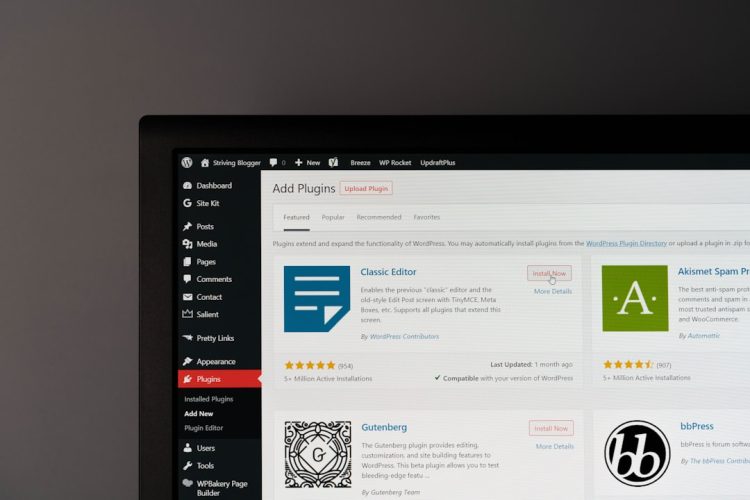
You’ve likely encountered the Block Editor, or Gutenberg, as it’s often called. What began as a significant shift away from the classic editor has now firmly established itself as the core content creation experience in WordPress. Its evolution is far from over, and its impact on how you create and manage content is only deepening.
Beyond Basic Blocks: Advanced Functionality and Flexibility
The Block Editor is no longer just about paragraphs and headings. It’s rapidly becoming a visual page builder, offering a rich and intuitive way to construct complex layouts and engaging content.
Custom Block Development: Tailoring Your Content Toolkit
For developers, the ability to create custom blocks is a game-changer. You can build specialized blocks for specific functionalities – think interactive maps, product showcases, advanced forms, or even unique e-commerce elements. This empowers you to extend WordPress’s core capabilities without relying solely on third-party plugins, leading to cleaner codebases and better performance.
Full Site Editing (FSE): Total Design Control from the Editor
Full Site Editing is the natural progression of the Block Editor, extending its capabilities beyond just content to the entire website. This means you can manage your headers, footers, templates, and site-wide styles directly within the Block Editor interface. You can visually design your entire website without touching a line of code or switching to theme customizer settings. This democratizes web design, making powerful customization accessible to a wider audience.
Enhanced Reusable Blocks and Patterns
The ability to save and reuse blocks and entire patterns (collections of blocks) has become incredibly efficient. This allows for consistent branding and design across your site, as well as significant time savings. Imagine a branded call-to-action block that you can instantly insert into any post or page. This streamlines content creation and ensures a cohesive user experience.
The Hosting Angle on Block Editor Advancements
While the Block Editor’s impact is primarily on content creation, its advancements indirectly influence hosting by shaping the types of sites being built and the demands placed upon them.
Hosting for More Dynamic Sites
As the Block Editor enables the creation of more visually rich and interactive content, hosting solutions need to be able to handle the increased processing and potential dynamic elements. While still leaning towards efficiency, hosting needs to be robust enough to support the creation of these more complex pages.
Integration with Static Site Generators
Ironically, the sophisticated layouts enabled by the Block Editor are becoming increasingly compatible with static site generators. Tools are emerging that can effectively parse and render these intricate block structures into static HTML, further blurring the lines between dynamic CMS and static site performance. This allows you to benefit from the visual ease of the Block Editor and the speed of static hosting.
The Growing Influence of AI in WordPress
Artificial Intelligence is no longer a futuristic concept; it’s actively integrating into various aspects of our digital lives, and WordPress is no exception. You’ll find AI tools making content creation easier, optimizing your site’s performance, and even revolutionizing how you interact with your WordPress backend.
AI-Powered Content Creation and Optimization
The dream of effortlessly generating high-quality content is becoming a reality with AI. As a WordPress user, you can leverage these tools to enhance your writing process.
AI Writing Assistants: Boosting Your Productivity
Tools powered by large language models can help you brainstorm ideas, outline articles, write drafts, and even refine your existing content. They can suggest improvements to grammar, style, and clarity, ensuring your message resonates with your audience. Imagine an AI assistant that can generate several compelling introduction options for your blog post, or help you rephrase a complex sentence into more accessible language.
AI for SEO Optimization: Smarter Content, Better Rankings
AI can analyze vast amounts of data to identify keywords, understand search intent, and suggest content optimizations that improve your search engine rankings. This goes beyond simple keyword stuffing; AI can help you create content that truly answers user queries and provides valuable information, leading to more organic traffic. From analyzing competitor content to identifying semantic keyword opportunities, AI is becoming an invaluable SEO partner.
AI-Powered Image Generation and Editing
The visual aspect of your website can also be enhanced by AI. Tools are emerging that can generate unique images based on text prompts or automatically edit existing images for better quality and impact. This can save you time and resources, especially if you don’t have a dedicated graphic designer.
Enhancing WordPress Functionality with AI
Beyond content creation, AI is being woven into the fabric of WordPress itself, offering intelligent solutions for various tasks.
AI Chatbots: Improving User Engagement and Support
Integrating AI-powered chatbots into your WordPress site can provide instant customer support, answer frequently asked questions, and even guide users through your website. This improves user experience and frees up your time. Think of a chatbot that can guide a visitor through the checkout process, recommend products, or troubleshoot common issues without human intervention.
AI for Security: Proactive Threat Detection
AI algorithms can analyze website traffic and identify suspicious patterns that might indicate a security threat. This allows for proactive measures to be taken, protecting your site from malware and brute-force attacks. This adds a crucial layer of intelligent defense to your WordPress security.
AI-Powered Personalization: Tailoring User Experiences
AI can analyze user behavior to personalize the content and offers displayed on your website. This creates a more engaging and relevant experience for each visitor, increasing conversions and customer loyalty. Imagine a user seeing product recommendations based on their past browsing history or seeing blog posts tailored to their specific interests.
Hosting Considerations for AI-Integrated WordPress
The integration of AI introduces new demands on your hosting environment.
Increased Processing Power for AI Tools
Some AI tools, particularly those involved in content generation or analysis, can be resource-intensive. Hosting solutions that offer scalable processing power are crucial. Cloud-based hosting or VPS plans that allow for easy resource upgrades are becoming more attractive.
Data Storage for AI Models and Outputs
If you’re using AI tools that involve storing trained models or large datasets, you’ll need ample and efficient data storage. Managed WordPress hosting providers that offer extensive storage or integrations with cloud storage solutions become more relevant.
Optimized Networks for Real-time AI Interactions
For AI-powered features like chatbots or real-time personalization, you need a hosting environment with low latency and fast network speeds to ensure smooth and responsive interactions. Content Delivery Networks (CDNs) become even more vital for delivering AI-driven content efficiently across the globe.
The Continued Evolution of Security and Performance Optimization
Security and performance are not afterthoughts; they are fundamental pillars in the future of WordPress. As the platform grows more sophisticated and the web threats become more insidious, expect continuous innovation in these critical areas.
Proactive Security Measures: Beyond Basic Firewalls
The landscape of online threats is constantly evolving, and WordPress security is evolving in tandem.
AI-Powered Threat Detection and Prevention
As mentioned earlier, AI is playing a significant role in identifying and neutralizing threats before they can impact your site. This goes beyond static signature-based detection to more dynamic, behavior-based analysis.
Advanced Malware Scanning and Removal
Sophisticated malware scanning tools are becoming more prevalent, offering deeper scans and more effective removal capabilities. Many managed WordPress hosting providers are integrating these advanced tools into their offerings.
Regular Security Audits and Vulnerability Patching
A proactive approach to security involves regular audits and prompt patching of vulnerabilities. Hosting providers that automate these processes or provide clear guidance on how you can implement them are invaluable.
Enhanced User Role and Access Management
For larger teams, granular control over user roles and permissions is paramount. WordPress is continually improving its internal systems for managing access, and hosting environments can further enhance this with their own security layers.
Performance Optimization: A Multi-faceted Approach
Speed is king in the digital world, and WordPress is relentlessly pursuing faster loading times.
Next-Generation Caching Strategies
Caching is crucial for WordPress performance. Expect to see more advanced caching techniques, including server-level caching, object caching (like Redis or Memcached), and even edge caching managed by CDNs. Your hosting provider’s caching capabilities will be a significant differentiator.
Optimized Image and Media Handling
Images and videos are often the biggest culprits for slow page loads. Future WordPress development and hosting solutions will focus on more efficient image compression, lazy loading techniques, and adaptive image serving (delivering appropriately sized images based on the user’s device).
Lightweight Themes and Plugin Architectures
There’s a growing emphasis on building lightweight, performant themes and plugins. Developers are increasingly adopting best practices to minimize code bloat and ensure efficient resource usage. This influences the types of themes and plugins you’ll choose and how they impact your hosting.
Server-Side Optimizations and Modern Infrastructure
The underlying infrastructure of your hosting plays a crucial role. Expect hosting providers to offer more optimized server configurations, the latest PHP versions, and robust database optimizations. This ensures that your WordPress site has the best possible foundation for speed.
The Synergistic Relationship with Hosting Providers
The advancements in WordPress security and performance are intrinsically linked to your hosting provider.
Managed Hosting: The Security and Performance Advantage
Managed WordPress hosting providers often have their security and performance optimization built into their infrastructure. They handle server-level hardening, implement advanced caching, and provide regular updates, allowing you to focus on your content.
Cloud Hosting and Scalability for Peak Performance
Cloud hosting offers the scalability needed to handle traffic spikes and the processing demands of performance-intensive sites. As WordPress continues to push performance boundaries, cloud solutions will become even more appealing.
CDN Integration: Global Speed and Reliability
Content Delivery Networks (CDNs) are essential for delivering your WordPress site’s assets quickly to users worldwide. Hosting providers that offer seamless CDN integration or have their own robust CDN solutions will be at the forefront.
As the landscape of WordPress development and hosting continues to evolve, it’s essential for developers and entrepreneurs to stay informed about the tools that can enhance their workflows. A related article that delves into the necessary technology for solo entrepreneurs is available at this link. It highlights various essential business tools that can complement the future trends in WordPress, ensuring that users are well-equipped to navigate the changing digital environment.
The Evolving Ecosystem: Community, Plugins, and the Business of WordPress
“`html
| Future Trends | WordPress Development | Hosting |
|---|---|---|
| Headless WordPress | Adoption of headless architecture for decoupled front-end | Support for headless hosting solutions |
| AI and Automation | Integration of AI for content generation and personalization | Automated server management and scaling |
| Progressive Web Apps (PWAs) | Development of PWAs for improved user experience | Support for PWA hosting and caching |
| Serverless Architecture | Adoption of serverless functions for dynamic content | Serverless hosting options for scalability |
| Blockchain Integration | Exploration of blockchain for secure transactions and data storage | Blockchain-based hosting solutions |
“`
The strength of WordPress lies not just in its code, but in its vast and dynamic ecosystem. This includes its vibrant community, the plugins that extend its functionality, and the businesses that revolve around it. Understanding these forces will give you insight into WordPress’s sustained growth and innovation.
The Power of the Community: Collaboration and Open Source
The open-source nature of WordPress fosters a global community of developers, designers, writers, and users who contribute to its growth.
Community-Driven Development and Innovation
New features, bug fixes, and improvements often originate from community contributions. This collaborative spirit ensures WordPress remains at the cutting edge of web technology. You can be a part of this by contributing code, reporting bugs, or participating in forums.
Decentralized Support and Knowledge Sharing
The WordPress community provides an unparalleled level of support through forums, documentation, and countless blogs and tutorials. This makes it easier for you to learn, troubleshoot, and find solutions, regardless of your technical expertise.
The Importance of Diverse Contributions
The future of WordPress depends on continued contributions from a diverse range of individuals and organizations. Expect to see ongoing efforts to encourage and facilitate broader community involvement.
The Plugin Landscape: Specialization and Integration
Plugins are what give WordPress its incredible versatility. The trend is towards more specialized, well-coded, and integrated plugins.
Niche Plugins and Functionality Specialization
As WordPress matures, developers are creating plugins that cater to very specific needs. Whether it’s for a particular industry, a unique marketing strategy, or a specialized e-commerce functionality, you’ll find a plugin for it.
Emphasis on Performance and Code Quality
There’s a growing awareness within the developer community of the impact of poorly coded plugins on site performance and security. Expect a continued push for well-optimized, efficient plugins that adhere to WordPress best practices.
Integration with Third-Party Services and APIs
Modern plugins are increasingly designed to seamlessly integrate with other popular services and APIs, from payment gateways and CRM systems to marketing automation tools and social media platforms. This allows you to build powerful, interconnected digital systems centered around WordPress.
The Business of WordPress: Managed Solutions and SaaS
The business landscape surrounding WordPress is also evolving, with a significant shift towards managed solutions and Software as a Service (SaaS) models.
Rise of Managed WordPress Hosting
As discussed earlier, managed WordPress hosting is booming. Providers are offering specialized services that go beyond basic hosting, including security, performance optimization, backups, and expert support, all tailored for WordPress.
SaaS Platforms Built on WordPress
Many businesses are leveraging WordPress as the core of their SaaS offerings, particularly those focused on content management, e-commerce, or specific marketing functionalities. This allows them to benefit from WordPress’s robust foundation while building their own proprietary solutions.
The WordPress Economy and Its Future
The entire WordPress economy, from theme shops and plugin marketplaces to freelance services and training, is robust and continues to grow. Expect this economic ecosystem to fuel further innovation and provide ample opportunities for individuals and businesses alike.
Hosting as a Foundation for the WordPress Economy
Your hosting provider is the bedrock upon which this entire ecosystem is built. Choosing a hosting solution that understands and supports the nuances of WordPress, from supporting the latest features to offering excellent performance and security, is crucial for any business or individual operating within this sphere.
In conclusion, the future of WordPress is not a static destination but a dynamic journey. You are part of a platform that is continuously reinventing itself, driven by innovation, community, and a commitment to empowering users and developers alike. Whether you’re a content creator looking for easier ways to build beautiful pages, a developer pushing the boundaries of web performance with headless architectures, or a business owner seeking a secure and scalable online presence, WordPress has something exciting in store for you. By understanding these trends in development and hosting, you can position yourself to harness the full potential of this ever-evolving digital powerhouse. Embrace the changes, explore the possibilities, and continue to build amazing things with WordPress.
FAQs
What are some future trends in WordPress development?
Some future trends in WordPress development include the rise of headless WordPress, increased use of artificial intelligence and machine learning for website personalization, and the adoption of progressive web apps for better user experience.
How is hosting for WordPress expected to change in the future?
Hosting for WordPress is expected to change in the future with the increasing popularity of managed WordPress hosting, the adoption of serverless architecture for better scalability, and the integration of advanced security measures to protect websites from cyber threats.
What role will automation play in WordPress development and hosting in the future?
Automation will play a significant role in WordPress development and hosting in the future, with the use of automated testing and deployment processes, AI-powered content generation, and automated security updates to streamline website management and improve efficiency.
How will the use of APIs impact WordPress development and hosting in the future?
The use of APIs will impact WordPress development and hosting in the future by enabling seamless integration with third-party services, facilitating the development of custom solutions, and enhancing the overall functionality and performance of WordPress websites.
What are some potential challenges in the future of WordPress development and hosting?
Some potential challenges in the future of WordPress development and hosting include the need for continuous adaptation to new technologies, ensuring compatibility with evolving web standards, and addressing the growing concerns around data privacy and compliance regulations.









Add comment