

You stand on the precipice of the next evolution of the internet, and it’s happening right under your digital feet. The infrastructure that has carried your emails, streamed your favorite shows, and connected you to friends and family for decades is undergoing a fundamental, yet often invisible, transformation. This transformation is driven by the increasing necessity to move beyond the limitations of the current internet protocol, and at its core lies the adoption of IPv6. You might have heard the term, perhaps dismissed it as technical jargon, but understanding the impact of IPv6 adoption on your internet experience is becoming increasingly important.
For years, the internet has relied on a system called Internet Protocol version 4 (IPv4). Think of IPv4 addresses like phone numbers for every device connected to the internet – your computer, your phone, your smart refrigerator, every server hosting a website. These addresses, in their IPv4 glory, are 32-bit numbers, which seemingly offer a vast pool of possibilities.
The IPv4 Illusion of Abundance
When the internet was first conceived and developed, the number of potential IPv4 addresses – approximately 4.3 billion – seemed more than sufficient for the foreseeable future. Who could have possibly imagined the explosion in internet-connected devices we see today? You, for instance, likely interact with more than a dozen IP-enabled devices daily, from your personal electronics to the vast network of sensors and smart home gadgets that are becoming commonplace.
The Dot-Com Boom and Beyond: Unexpected Growth
The rapid growth of the internet, particularly fueled by the dot-com boom at the end of the 20th century and the subsequent rise of mobile computing and the Internet of Things (IoT), quickly began to strain the limits of this address space. Every new user, every new device, consumes one of these precious IPv4 addresses. While techniques like Network Address Translation (NAT) have helped to extend the lifespan of IPv4, they are ultimately workarounds, not solutions.
The End of the Road for IPv4
The reality is starkly clear: the available pool of IPv4 addresses is virtually exhausted. While there might be some fragmented blocks remaining, acquiring new, unique IPv4 addresses for new applications and users is becoming increasingly difficult and prohibitively expensive. This scarcity isn’t just a technical inconvenience; it has tangible implications for the future growth and innovation of the internet.
As the transition to IPv6 continues to influence the future of internet infrastructure, it’s essential to consider how this shift aligns with broader trends in the web hosting market. An insightful article titled “US Data Centers Dominating 2025 Web Hosting Market” explores the growing importance of data centers in supporting the increasing demand for IPv6 compatibility and the overall evolution of web hosting services. You can read more about this topic by visiting the article here: US Data Centers Dominating 2025 Web Hosting Market.
IPv6: The Solution to the Address Crisis
Enter Internet Protocol version 6 (IPv6). Consider IPv6 as the successor, designed specifically to address the limitations of IPv4 and pave the way for a truly boundless internet. The most immediately apparent difference is the sheer scale of its address space.
An Unfathomable Number of Addresses
While IPv4 uses 32-bit addresses, IPv6 employs 128-bit addresses. This seemingly small increase in the number of bits unlocks an astronomically larger address space. To put it in perspective, the number of IPv6 addresses is often described as enough to assign an IP address to every grain of sand on Earth, and then some. You can think of it as moving from a single-digit phone number system to one with enough digits to represent every unique entity imaginable, and far beyond.
Eliminating the Need for NAT
One of the most significant benefits of IPv6’s vast address space is that it largely eliminates the need for Network Address Translation (NAT). NAT, while a crucial tool for conserving IPv4 addresses, introduces complexity and can hinder direct peer-to-peer communication. With IPv6, every device can have its own unique, globally routable IP address, simplifying network configurations and enabling more seamless connectivity.
Designed for the Future
Beyond the numbers, IPv6 was designed with future internet needs in mind. It includes improvements in efficiency, security, and support for new applications and services that were not anticipated when IPv4 was created. This forward-thinking design is crucial for ensuring the internet remains a robust and evolving platform.
The Impact on Your Connectivity: What You Might Notice
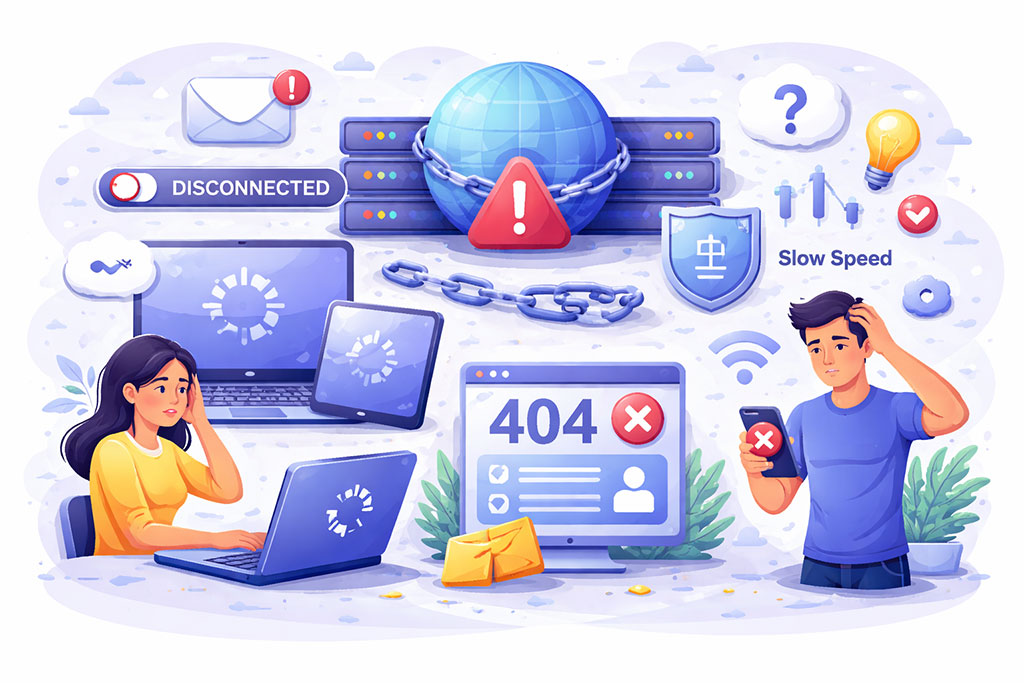
While the technical shifts happen behind the scenes, the adoption of IPv6 has a direct and potentially significant impact on your everyday internet experience. These impacts range from smoother performance to enhanced security.
Improved Performance and Reduced Latency
With the elimination of NAT, data packets in an IPv6 network can often travel more directly to their destination. This simplification in routing can lead to reduced latency, meaning faster response times for your online activities. For you, this could translate to quicker page loads, smoother video streaming, and more responsive online gaming experiences, especially as more of the internet infrastructure transitions to IPv6.
Enhanced Security Features
IPv6 was designed with security in mind, incorporating features that were optional or implemented as add-ons in IPv4. For instance, IPsec (Internet Protocol Security) is mandatory in IPv6, providing encryption and authentication for your data by default. This means that as more of your online interactions travel over IPv6, they are inherently more protected from eavesdropping and tampering. While not a silver bullet, it represents a significant step forward in securing your digital communications.
Facilitating the Internet of Things (IoT)
The exponential growth of the Internet of Things (IoT) is a prime driver for IPv6 adoption. Imagine a world where every smart appliance, every sensor, every connected vehicle has its own unique IP address. This is the promise of IPv6. Without it, the sheer number of devices would overwhelm the IPv4 address space. Your smart thermostat, your connected car, the industrial sensors managing traffic flow – all will eventually rely on IPv6 for unique identification and communication. This will pave the way for more sophisticated and interconnected smart environments, offering you greater convenience, efficiency, and new functionalities.
The Roadblocks to Widespread Adoption: Why It’s Taking Time

Despite the clear benefits and the urgent need, the global adoption of IPv6 has been a gradual process. Several factors contribute to this slower-than-ideal transition.
Inertia and Legacy Systems
The internet is a vast and complex ecosystem, built on decades of infrastructure and expertise. Many organizations and service providers have significant investments in their existing IPv4 infrastructure. The cost and effort required to upgrade or replace these legacy systems can be substantial, leading to inertia in adoption. You might be using a router or subscribing to an internet service provider that hasn’t fully prioritized IPv6.
The Role of NAT as a Temporary Patch
As mentioned earlier, Network Address Translation (NAT) has served as an effective, albeit temporary, solution for the IPv4 address shortage. This has allowed many organizations to continue operating without immediately needing to upgrade to IPv6, reducing the immediate pressure for adoption. However, this reliance on NAT creates its own set of complexities and limitations that will eventually need to be addressed.
A “Chicken and the Egg” Problem
Another significant hurdle is the classic “chicken and the egg” scenario. Internet Service Providers (ISPs) might be hesitant to fully deploy IPv6 if they believe there isn’t enough IPv6-enabled content or services available for their customers. Conversely, content providers and website operators may be reluctant to invest in full IPv6 support if they believe their audience isn’t primarily using IPv6. This interdependence can slow down the overall transition.
Lack of Awareness and Technical Expertise
In some sectors, there might be a lack of awareness regarding the importance and benefits of IPv6 adoption. Additionally, the technical expertise required to plan, implement, and manage IPv6 networks can be a barrier for some organizations. This requires ongoing education and training initiatives to bridge the knowledge gap. You might sometimes encounter websites or services that only work reliably on IPv4, a symptom of this ongoing transition.
As the transition to IPv6 continues to reshape the future of internet infrastructure, it is essential to consider how this change impacts various aspects of web performance. One important factor is website loading speed, which can significantly influence user experience and engagement. For insights on optimizing your website’s loading speed and enhancing user experience in the context of evolving internet standards, you can read more in this informative article on optimizing website performance. Understanding these elements will be crucial as we move forward in an increasingly connected world.
The Path Forward: Strategies for Accelerating IPv6 Adoption
Internet Service Providers are at the forefront of this transition. Many ISPs are already implementing “dual-stacking,” where their networks support both IPv4 and IPv6 simultaneously. This allows them to gradually migrate their customer base and ensure seamless connectivity during the transition period. As an end-user, you might already be benefiting from dual-stacking without realizing it, with your internet traffic intelligently routed over the most appropriate protocol. However, the ultimate goal is to move towards IPv6-only where feasible.
Industry Collaboration and Standards Development
Continued collaboration between technology vendors, content providers, and application developers is essential. Open standards and interoperability guidelines will ensure that the IPv6 ecosystem functions smoothly. This includes actively participating in standards bodies and sharing best practices for IPv6 deployment and management.
User Education and Advocacy
While the technical aspects of IPv6 might seem daunting, educating users about its benefits is crucial. As you become more aware of the advantages of IPv6, such as improved performance and security, you can also become an advocate for its adoption by choosing service providers and devices that support it. This grassroots demand can further incentivize the transition. The future of your internet experience depends on a robust and scalable infrastructure, and IPv6 adoption is the key to unlocking that future. Your continued engagement and understanding of this essential upgrade are vital.
FAQs
What is IPv6 and why is it important?
IPv6, or Internet Protocol version 6, is the most recent version of the Internet Protocol, which provides an identification and location system for devices connected to the internet. It is important because it offers a significantly larger address space than its predecessor, IPv4, which is crucial for accommodating the growing number of internet-connected devices.
How is IPv6 adoption shaping the future of internet infrastructure?
IPv6 adoption is shaping the future of internet infrastructure by providing a solution to the impending exhaustion of IPv4 addresses. As more devices come online, the transition to IPv6 is essential for ensuring continued growth and innovation in internet infrastructure.
What are the benefits of IPv6 adoption for businesses and consumers?
For businesses, IPv6 adoption offers improved network performance, enhanced security features, and the ability to reach a larger customer base. For consumers, it means better connectivity, improved reliability, and access to a wider range of internet-enabled devices and services.
What are the challenges associated with IPv6 adoption?
Challenges associated with IPv6 adoption include the need for infrastructure upgrades, potential compatibility issues with legacy systems, and the requirement for staff training and expertise in managing IPv6 networks.
What is the current status of IPv6 adoption worldwide?
While IPv6 adoption has been steadily increasing, it still lags behind IPv4 in terms of overall usage. However, many countries and organizations are actively working towards implementing IPv6 to ensure the continued growth and stability of the internet.








Add comment