
The proliferation of digital technologies has ushered in an era of unprecedented data generation and processing. This necessitates a robust infrastructure of data centers, the digital factories that power our interconnected world. However, the energy demands of these facilities are substantial, raising significant environmental concerns. This article examines the environmental impact of green data centers, presenting their strategies and potential to mitigate the carbon footprint of the digital age. You will explore the intricacies of their design, operation, and the imperative for their widespread adoption.
You, as a digital consumer, may not directly perceive the energy consumption associated with streaming a video or conducting an online search, but it is immense. Conventional data centers are voracious energy consumers, and their environmental impact stems primarily from two factors: electricity consumption and the generation of heat.
Electricity Consumption: A Global Imperative
To put it in perspective, global data centers currently consume 32% more electricity than the entire United Kingdom. This staggering figure is not static; projections indicate that by 2026, their electricity demand will surge to 1,050 terawatt-hours (TWh). To further contextualize this, such consumption would rank them fifth worldwide, surpassing the energy usage of nations like Japan and Russia. This relentless escalation is largely fueled by the relentless march of artificial intelligence (AI), with the training of advanced models like GPT-3 alone consuming 1,287 MWh and emitting an estimated 552 tons of CO2. This places a significant burden on existing energy grids and contributes substantially to global greenhouse gas emissions. You are, in essence, contributing to this demand every time you interact with a digital service.
The Heat Dissipation Challenge
Data centers are essentially colossal microchip factories, and like any operating electronic device, they generate heat. The sheer density of servers, networking equipment, and storage devices within these facilities results in a substantial thermal output. To prevent overheating and maintain optimal operational conditions, sophisticated cooling systems are paramount. These cooling systems, however, are themselves energy-intensive, acting as a secondary drain on electricity resources. Traditional cooling methods often rely on refrigeration cycles, which consume significant power and can utilize refrigerants with high global warming potentials if not managed responsibly. You might imagine a data center as a vast industrial kitchen, constantly requiring energy to cool its operating ovens.
In exploring the environmental impact of energy-efficient green data centers, it’s essential to consider the broader implications of technology on sustainability. A related article that delves into the importance of secure online practices, such as SSL certificates, can be found at Understanding SSL Certificates: EV vs. DV and Which One You Need. This article highlights how secure data transmission not only protects sensitive information but also contributes to the overall efficiency and sustainability of digital operations, aligning with the goals of green data centers.
The Emergence of Green Data Centers: A Paradigm Shift
In response to the environmental challenges posed by conventional data centers, the concept of the “green data center” has emerged. These facilities represent a paradigm shift in design and operation, prioritizing environmental sustainability alongside technological efficiency. Their core objective is to minimize their ecological footprint by reducing energy consumption, water usage, and greenhouse gas emissions. You will find that these centers are not merely “less bad” but actively strive to be “better.”
Harnessing Renewable Energy Sources
A cornerstone of green data center operation is the integration of renewable energy sources. You will observe a deliberate move away from fossil fuel-based electricity generation towards clean, sustainable alternatives.
Solar Power Integration
Many green data centers are incorporating on-site solar photovoltaic arrays or procuring electricity directly from solar farms. This direct utilization of solar energy reduces their reliance on grid power, especially during peak demand periods, and significantly lowers their carbon footprint. Think of it as a factory powering itself directly from the sun, rather than through a distant, potentially polluting, power plant.
Wind Energy Adoption
Similarly, wind power plays a crucial role. Data centers strategically located in regions with abundant wind resources can leverage wind turbines to meet a substantial portion, if not all, of their energy requirements. This renewable source provides a consistent and carbon-free energy supply, further decoupling their operations from fossil fuels. You will find these centers often situated in geographic areas conducive to wind harvesting.
Power Purchase Agreements (PPAs)
Even when direct infrastructure for renewable energy is not feasible on-site, green data centers actively engage in Power Purchase Agreements (PPAs) with renewable energy generators. These agreements ensure that the electricity they consume is matched by an equivalent amount of renewable energy fed into the grid, effectively supporting the growth of the renewable energy sector. This is a crucial step in ensuring that their energy expenditure contributes to a greener global energy mix.
Advanced Cooling Technologies
Beyond renewable energy, sophisticated cooling technologies are fundamental to the green data center model. These innovations aim to reduce the energy required for heat dissipation and, in some cases, reclaim and repurpose waste heat.
Free Cooling Strategies
You will encounter technologies that leverage ambient environmental conditions. “Free cooling” systems utilize outside air to cool server racks, particularly in colder climates. This can involve direct air economizers, which filter and introduce outside air into the data center, or indirect economizers, which use heat exchangers to transfer heat from the data center air to the cooler outside air without direct mixing. This significantly reduces the reliance on traditional compressor-based refrigeration, saving substantial amounts of energy. Imagine opening a window in your house instead of turning on the air conditioning when it’s cool outside.
Liquid Cooling Systems
As server densities increase, the efficiency of air cooling diminishes. Liquid cooling, using water or dielectric fluids, is emerging as a highly effective alternative. This method involves circulating cool liquid directly over or near heat-generating components, allowing for more efficient heat transfer and a much smaller footprint. This allows data centers to manage higher thermal loads with less energy, and some liquid cooling systems can even capture and repurpose the waste heat. You might picture a more efficient CPU cooler on a much larger scale.
Waste Heat Recovery
An advanced aspect of green data center design involves the capture and reuse of waste heat. The hot air or liquid coolant exiting the data center can be channeled to provide heating for nearby offices, residential buildings, or even district heating networks. This transforms what was once a waste product into a valuable energy resource, further enhancing the overall energy efficiency of the facility. This represents a circular economy approach to energy management.
The environmental impact of energy-efficient green data centers is a crucial topic in today’s tech-driven world, as these facilities play a significant role in reducing carbon footprints and promoting sustainability. For those interested in enhancing their website performance while being mindful of energy consumption, a related article discusses how to optimize your WordPress site by mastering Core Web Vitals. You can read more about it in this insightful piece on optimizing website performance. By implementing energy-efficient practices, both data centers and website owners can contribute to a greener future.
Operational Efficiency and Optimization
Green data centers are also characterized by a relentless pursuit of operational efficiency, employing various strategies to minimize energy and resource consumption.
Power Usage Effectiveness (PUE) Optimization
The Power Usage Effectiveness (PUE) metric is a crucial indicator of a data center’s energy efficiency. A PUE of 1.0 indicates that all energy consumed is used solely for computing, with no energy wasted on cooling, lighting, or other overheads. While a PUE of 1.0 is an ideal and often unattainable benchmark, green data centers strive for the lowest possible PUE. For example, industry leaders like Equinix are targeting a PUE of 1.33. This involves meticulous infrastructure design, efficient power distribution, and continuous monitoring and optimization of all systems. You will find that every watt counts in this endeavor.
Virtualization and Consolidation
By employing server virtualization, multiple virtual machines can run on a single physical server, significantly reducing the number of physical servers required and, consequently, their energy footprint. Consolidation of workloads onto fewer, more powerful, and energy-efficient servers further enhances this efficiency. This is akin to consolidating multiple small offices into a single, well-managed large one, reducing overheads.
Artificial Intelligence for Optimization
Ironically, AI itself can be a powerful tool for optimizing data center energy consumption. AI algorithms can analyze vast datasets of operational parameters, including temperature, humidity, server utilization, and energy consumption, to predict and dynamically adjust cooling flows, power distribution, and workload scheduling. This intelligent optimization can lead to substantial energy savings, reducing the very impact that AI is exacerbating. You will find that AI is a double-edged sword, but one that can be wielded for good.
The Socio-Economic and Environmental Benefits
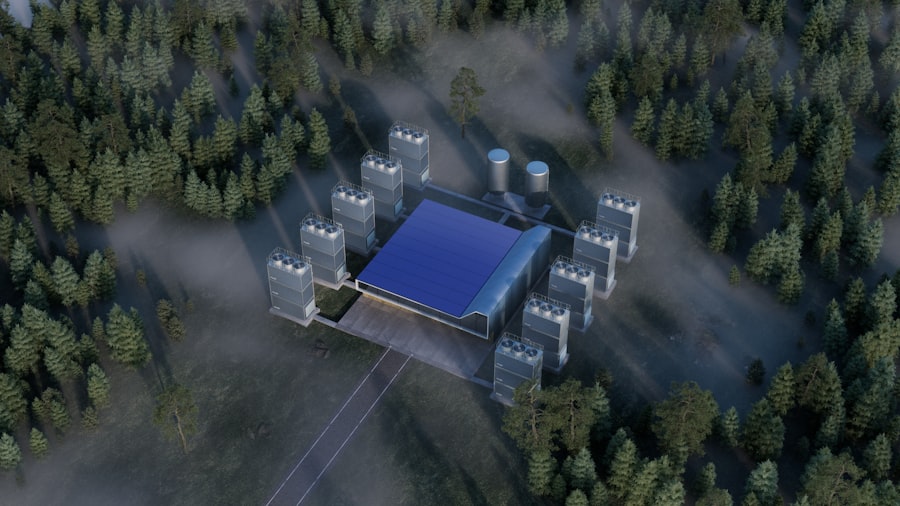
The adoption of green data centers extends beyond simply mitigating environmental damage; it offers a multitude of socio-economic and broader environmental benefits. You are not only contributing to a greener planet but also fostering economic growth and innovation.
Reduced Carbon Emissions
The most direct and significant environmental benefit is the substantial reduction in greenhouse gas emissions. By relying on renewable energy and optimizing energy efficiency, green data centers drastically lower their carbon footprint, contributing to global efforts to combat climate change. This is a direct contribution to achieving sustainability targets.
Decreased Water Consumption
Traditional cooling systems, particularly evaporative cooling towers, can consume vast quantities of water. Green data centers, through the implementation of advanced cooling technologies like free cooling and liquid cooling, can significantly reduce or even eliminate their reliance on water for cooling, conserving this precious resource. This is particularly important in water-stressed regions.
Economic Advantages and Job Creation
While the initial investment in green technologies might be higher, the long-term operational savings from reduced energy consumption are substantial. Furthermore, the construction and operation of green data centers create new job opportunities in renewable energy, sustainable engineering, and specialized IT management. The migration of data centers to renewable-rich areas, for instance, demonstrably boosts local job markets and economic sustainability. Companies like ODATA exemplify this trend by developing and operating facilities with certified sustainable systems. You will witness a convergence of environmental and economic benefits.
Addressing the Challenges and Future Outlook
Despite the compelling advantages, the transition to a fully green data center infrastructure presents challenges. The rapid growth of AI, for example, is driving an unprecedented demand for new data centers, and many of these new facilities are still reliant on fossil fuels due to the speed and scale of their deployment.
Sustainable Construction and Infrastructure
The emphasis extends beyond operational efficiency to the very construction of these facilities. Events like “Constructing Green Data Centers USA 2026” highlight the critical need for sustainable building practices, from the selection of materials to the efficiency of the construction process itself, especially in the context of the AI era. You will see an increasing focus on the entire lifecycle assessment of these facilities.
Policy and Regulatory Support
Government policies and regulations play a vital role in incentivizing the adoption of green data center practices. Carbon taxes, renewable energy mandates, and financial incentives for energy-efficient technologies can accelerate the transition. You will find that a supportive regulatory environment is crucial for widespread adoption.
The Net-Zero Imperative
Companies like Equinix have articulated ambitious targets, aiming for 100% renewable energy, significant reductions in Scope 1 and 2 greenhouse gas emissions by 2030, and ultimately achieving net-zero emissions by 2040. These goals are supported by strategic investments in green bonds and the implementation of circular economy practices, including the refurbishment and reuse of IT equipment. This represents a holistic approach to environmental responsibility. You will observe that true sustainability requires a commitment to a net-zero future.
In conclusion, green data centers are not merely an aspirational concept but a tangible necessity for the sustainable future of our digital world. By embracing renewable energy, advanced cooling, and relentless operational optimization, you can contribute to a paradigm shift that mitigates the environmental impact of our increasingly digital lives. While challenges remain, the commitment from industry leaders and the continuous innovation in green technologies offer a promising path forward. The choice is clear: to continue down a path of increasing environmental burden, or to actively participate in building a more sustainable digital infrastructure, the very backbone of our modern existence.
FAQs
What are green data centers?
Green data centers are facilities designed to minimize environmental impact by using energy-efficient technologies, renewable energy sources, and sustainable building practices to reduce carbon emissions and resource consumption.
How do energy-efficient data centers reduce environmental impact?
Energy-efficient data centers reduce environmental impact by lowering electricity usage through advanced cooling systems, optimized hardware, and energy management software, which decreases greenhouse gas emissions and conserves natural resources.
What role do renewable energy sources play in green data centers?
Renewable energy sources such as solar, wind, and hydroelectric power provide clean electricity to green data centers, reducing reliance on fossil fuels and significantly cutting carbon footprints associated with data center operations.
How does cooling technology affect the sustainability of data centers?
Efficient cooling technologies, like liquid cooling and free-air cooling, reduce the energy required to maintain optimal temperatures in data centers, thereby lowering overall power consumption and minimizing environmental impact.
What are the benefits of implementing green data centers for businesses?
Implementing green data centers helps businesses reduce operational costs through energy savings, comply with environmental regulations, enhance corporate social responsibility, and contribute to global efforts to combat climate change.








Add comment