

You are embarking on a crucial decision for your online presence: choosing the right web hosting solution. This choice dictates the performance, scalability, security, and frankly, the hassle-level of your website or application. Understanding the distinctions between shared hosting, virtual private servers (VPS), and dedicated servers is paramount to making an informed decision that aligns with your technical needs and financial constraints. Your objective here is to discern which hosting environment best suits your project’s current state and its future trajectory.
Shared hosting represents the entry point for many individuals and small businesses venturing into the online world. It is the most economical option available, primarily because you are, as the name suggests, sharing resources with numerous other users.
Resource Allocation and Performance in Shared Hosting
In a shared hosting environment, a single physical server is partitioned to host multiple websites. You share the server’s CPU, RAM, and disk space with potentially hundreds, if not thousands, of other users. This means that if one website on the server experiences a sudden surge in traffic or runs resource-intensive scripts, your website’s performance can be negatively impacted. Your site might load slower, or in extreme cases, become temporarily unavailable.
Limitations and Lack of Customization
With shared hosting, you have limited control over the server environment. Most hosting providers offer a pre-configured setup, often with a control panel like cPanel or Plesk, which simplifies website management. However, you cannot install custom software, modify server-level configurations, or access the root directory. This lack of customization restricts your ability to optimize the server for specific applications or security requirements. It effectively means you are operating within a sandbox defined by the hosting provider.
Security Implications of a Shared Environment
Security in shared hosting is a communal affair. If one website on the server is compromised due to weak security practices or vulnerabilities, there is a risk that the breach could potentially affect other websites on the same server, including yours. While reputable hosting providers implement robust security measures to mitigate such risks, the inherent architecture introduces a higher level of interdependency and potential vulnerability compared to more isolated hosting solutions.
When considering the best hosting solution for your website, it’s essential to understand the differences between Shared Hosting, VPS Hosting, and Dedicated Servers. Each option has its own advantages and disadvantages, depending on your specific needs and budget. For those looking to enhance their website’s performance, you might find it beneficial to explore how to optimize your site further by checking out this informative article on accelerating your WordPress site and mastering Core Web Vitals. This resource provides valuable insights that can complement your hosting decision by focusing on performance optimization.
Understanding Virtual Private Servers (VPS)
VPS hosting bridges the gap between shared hosting and dedicated servers, offering a significant upgrade in terms of performance, control, and isolation. It provides a more robust and flexible environment without requiring the substantial investment of a dedicated server.
Dedicated Resources within a Shared Physical Server
With VPS, a physical server is divided into multiple virtual machines, each acting as an independent server. You are allocated dedicated resources – a specific amount of CPU, RAM, and disk space – that are exclusively yours. While you are still on a shared physical machine, your virtual server is isolated from other VPS instances. This isolation prevents the “noisy neighbor” problem prevalent in shared hosting, where one website’s resource consumption impacts others. Your performance becomes more predictable and consistent.
Enhanced Control and Customization Options
VPS hosting grants you much greater control over your server environment. You typically receive root access, allowing you to install custom operating systems, configure server-level settings, and deploy virtually any software you require. This level of customization is crucial if your application has specific dependencies or if you need to optimize the server for particular performance characteristics. You can tailor the environment precisely to your project’s requirements, a freedom not afforded by shared hosting.
The Role of Virtualization Technology
The magic behind VPS lies in virtualization technology. Software like VMware, Xen, or KVM creates virtual layers on a single physical server, effectively making each virtual server behave like an independent machine. This technology ensures that the resources allocated to your VPS remain yours, regardless of what other users on the physical server might be doing. It’s a sophisticated arrangement that mimics the experience of having your own server, but at a more affordable price point.
Scalability and Growth Potential with VPS
VPS offers significant scalability. As your website or application grows and requires more resources, you can often easily upgrade your VPS plan to allocate more CPU, RAM, or disk space without migrating to an entirely new server. This on-demand scalability makes VPS an ideal choice for projects with anticipated growth, allowing you to gradually increase your resources as your needs evolve, rather than over-provisioning from the outset.
The Power of Dedicated Servers
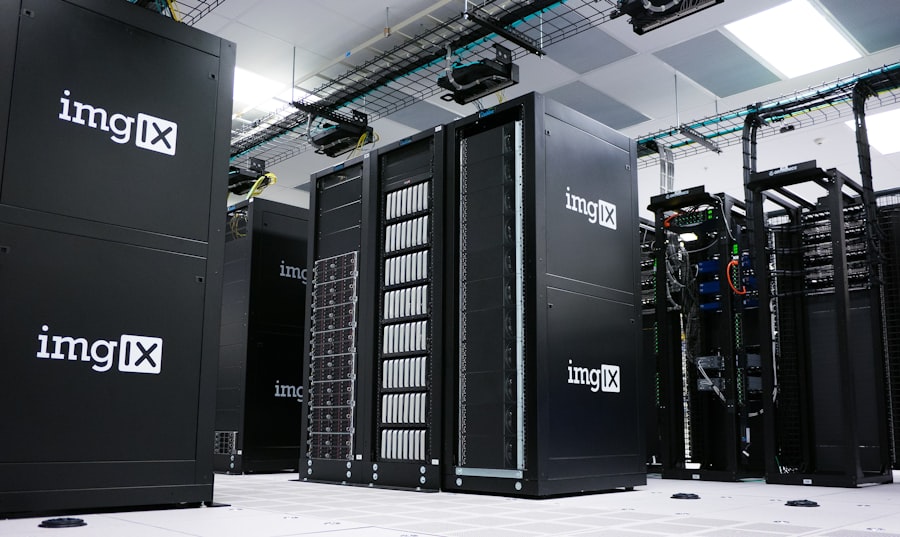
Dedicated servers represent the pinnacle of web hosting solutions, offering unparalleled performance, security, and control. When your project demands the absolute maximum in resources and isolation, a dedicated server is the appropriate choice.
Exclusive Access to All Server Resources
With a dedicated server, you lease an entire physical server exclusively for your use. All its CPU power, RAM, storage, and network bandwidth are dedicated to your applications. This complete isolation eliminates any possibility of resource contention from other users, guaranteeing consistent and optimal performance. Your server performance is directly tied to the hardware specifications you choose, without any external factors influencing it.
Unrestricted Control and Total Customization
Dedicated servers provide you with complete control over every aspect of your server environment. You have root access, enabling you to install any operating system, custom software, and configure every server setting to your exact specifications. This level of freedom is essential for highly specialized applications, complex database systems, or for organizations with stringent compliance requirements. You are the sole administrator, responsible for the server’s configuration and maintenance.
Enhanced Security and Isolation
The security posture of a dedicated server is inherently superior. Being the sole tenant means you are not exposed to the potential vulnerabilities or misconfigurations of other users. You have complete control over your server’s security measures, firewall rules, and access policies. This allows you to implement highly customized and robust security protocols tailored specifically to your application’s needs, offering the highest level of isolation and data protection available in a hosting environment.
Management and Technical Expertise Required
While offering extensive benefits, dedicated servers also demand a higher level of technical expertise. You are responsible for server management, including operating system installation, software updates, security patching, and troubleshooting. If you lack the necessary technical skills, you will likely need to employ a system administrator or opt for a managed dedicated server service, where the hosting provider handles these responsibilities for an additional fee. This is a critical consideration influencing the total cost of ownership.
Key Differences and Decision Factors

The choice between these hosting types hinges on a careful evaluation of your project’s specific requirements, your technical proficiency, and your budget. There is no universally “best” option; rather, there is the most appropriate option for your unique circumstances.
Performance Requirements and Traffic Volume
Your expected traffic volume and the performance demands of your applications are primary determinants.
- Shared Hosting: Suitable for low-traffic websites, personal blogs, or small business sites with minimal resource demands. If your site experiences irregular traffic spikes, shared hosting can struggle to keep up.
- VPS Hosting: Ideal for growing websites, e-commerce stores, medium-sized businesses, or applications requiring more consistent performance than shared hosting can provide. It handles moderate to high traffic volumes effectively.
- Dedicated Servers: Necessary for high-traffic websites, large e-commerce platforms, complex enterprise applications, gaming servers, or environments where consistent, high-speed performance and maximum uptime are critical.
Cost Considerations and Budget Allocation
Monetary investment is a practical constraint for any project.
- Shared Hosting: The least expensive option, typically ranging from a few dollars per month. It presents an accessible entry point for bootstrapping projects.
- VPS Hosting: A mid-range option, offering a significant performance boost for a manageable increase in cost, usually starting from around $15-20 per month and scaling upwards.
- Dedicated Servers: The most significant investment, with prices starting from $80-100 per month and reaching hundreds or thousands of dollars for high-end configurations. The cost reflects the exclusive use of powerful hardware.
Technical Expertise and Management Overhead
Your comfort level with server administration is a crucial factor.
- Shared Hosting: Requires minimal technical knowledge. The hosting provider manages the server, and you typically interact with a user-friendly control panel.
- VPS Hosting: Requires moderate technical knowledge for basic server management tasks if you opt for an unmanaged VPS. Managed VPS plans are available for those who prefer less administrative burden.
- Dedicated Servers: Demands significant technical expertise. You are responsible for all aspects of server administration, from OS installation to security. Managed dedicated server options alleviate this, but at an increased cost.
Security Needs and Compliance Requirements
| Features | Shared Hosting | VPS Hosting | Dedicated Servers |
|---|---|---|---|
| Cost | Low | Medium | High |
| Performance | Low | Medium | High |
| Resources | Shared | Dedicated | Dedicated |
| Control | Low | Medium | High |
| Scalability | Limited | High | High |
The sensitivity of your data and any regulatory obligations will inform your decision.
- Shared Hosting: Offers basic security features managed by the host. Not ideal for highly sensitive data or strict compliance mandates due to its shared nature.
- VPS Hosting: Provides greater security through isolation. You have more control over security configurations, making it suitable for moderate security requirements.
- Dedicated Servers: Offers the highest level of security and isolation. You have full control to implement advanced security measures and meet stringent compliance standards like HIPAA or PCI DSS.
When considering the best hosting solution for your website, it’s essential to understand the differences between shared hosting, VPS hosting, and dedicated servers. Each option offers unique advantages depending on your specific needs and budget. For those looking to enhance their website’s performance and improve their search engine rankings, you may find it beneficial to explore how optimizing your site’s speed and user experience can impact your overall success. A great resource for this is an article on mastering core web vitals, which you can read here. Understanding these factors can help you make a more informed decision about your hosting choice.
Scalability and Future Growth Planning
Consider your project’s growth trajectory. Will your needs remain static, or do you anticipate significant expansion in the near future?
Gradual Resource Expansion
- Shared Hosting: Offers limited upward scalability. If your website outgrows its resources, you will need to migrate to a VPS or dedicated server, which can be disruptive.
- VPS Hosting: Excellent for gradual resource expansion. You can typically upgrade your CPU, RAM, and storage with minimal downtime, allowing you to adapt to growing demands efficiently.
- Dedicated Servers: Offers scalability through hardware upgrades or, eventually, by adding more dedicated servers. This is a more complex scaling strategy but provides ultimate flexibility.
Anticipating Traffic Surges
If your business experiences predictable traffic surges, such as seasonal sales or marketing campaigns, your hosting solution must be able to handle these peaks without performance degradation.
- Shared Hosting: Unlikely to cope with significant, unexpected traffic surges. Your site might become sluggish or even crash.
- VPS Hosting: Generally more resilient to traffic spikes due to dedicated resources. You can often provision additional resources temporarily if you anticipate a major event.
- Dedicated Servers: Built to handle sustained high traffic and significant surges without performance issues, provided the hardware is adequately specified.
Your decision should not be driven solely by the initial cost, but rather by the total cost of ownership, including potential administrative overhead, the impact of downtime, and the cost of future upgrades or migrations. Evaluate your current needs realistically and project your future requirements to ensure your chosen hosting solution is a sustainable and effective foundation for your online endeavors.
FAQs
What is shared hosting?
Shared hosting is a type of web hosting where multiple websites are hosted on a single server. This means that resources such as CPU, RAM, and disk space are shared among the websites on that server.
What is VPS hosting?
VPS hosting stands for Virtual Private Server hosting. It involves a physical server being divided into multiple virtual servers, each with its own dedicated resources. This allows for greater control and customization compared to shared hosting.
What is dedicated server hosting?
Dedicated server hosting involves renting an entire physical server for your website. This means that all the resources of the server are dedicated solely to your website, providing the highest level of performance and control.
What are the main differences between shared hosting, VPS hosting, and dedicated server hosting?
The main difference lies in the level of control and resources allocated to each type of hosting. Shared hosting offers the least control and resources, while VPS hosting provides a middle ground, and dedicated server hosting offers the highest level of control and resources.
Which type of hosting is best for my website?
The best type of hosting for your website depends on your specific needs and budget. Shared hosting is suitable for small websites with low traffic, while VPS hosting is ideal for websites that require more control and resources. Dedicated server hosting is best for large websites with high traffic and resource-intensive applications.









Add comment