
Your website’s speed directly impacts user experience and search engine ranking. A slow website frustrates visitors, leading to higher bounce rates and reduced conversions. For WordPress users, optimizing performance is a multifaceted endeavor that requires attention to several core areas. This guide outlines practical techniques to enhance your site’s speed significantly.
Website speed is not merely a technical metric; it is a critical component of your online presence. Visitors expect your site to load quickly, and their patience is often limited.
User Experience and Engagement
A slow-loading website directly translates to a poor user experience. When a page takes more than a few seconds to load, visitors are more likely to abandon your site. This abandonment negatively affects engagement metrics, such as time on site and pages per session.
Search Engine Optimization (SEO)
Search engines, particularly Google, consider page load speed as a ranking factor. Faster websites tend to rank higher in search results, increasing your visibility and organic traffic. Google’s core web vitals, including Largest Contentful Paint (LCP), First Input Delay (FID), and Cumulative Layout Shift (CLS), explicitly measure aspects of page load experience. Optimizing these metrics is crucial for SEO success.
Conversion Rates
For e-commerce sites, blogs with calls to action, or any website designed to achieve specific goals, speed directly influences conversion rates. A slow checkout process or delayed content display can deter potential customers or readers from completing desired actions.
For those looking to enhance their WordPress site’s speed and efficiency, exploring various performance optimization techniques is essential. A related article that delves into the benefits of hybrid hosting solutions, which can significantly impact site performance, is available at Hybrid Hosting: US Infrastructure Power Meets Lahore Local Support. This article discusses how combining robust infrastructure with local support can lead to faster load times and improved user experiences, making it a valuable resource for anyone interested in optimizing their WordPress site.
Optimizing Your Hosting Environment
The foundation of a fast WordPress site begins with your hosting provider and server configuration. Even with meticulous on-site optimization, a subpar hosting environment will bottleneck your performance.
Choosing a Reputable Host
Not all hosting providers are created equal. Shared hosting, while economical, often means your website shares server resources with hundreds or thousands of others. This can lead to significant performance degradation during peak traffic times.
Managed WordPress Hosting
Consider managed WordPress hosting for improved performance, security, and support. These providers specialize in WordPress, offering optimized server configurations, caching at the server level, and enhanced security features. Their infrastructure is specifically tuned for WordPress, often resulting in superior speeds compared to generic shared hosting.
Virtual Private Servers (VPS) and Dedicated Servers
For high-traffic websites or those requiring specific configurations, a Virtual Private Server (VPS) or a dedicated server offers more resources and control. A VPS provides a partitioned section of a server, guaranteeing a specific amount of resources. A dedicated server offers exclusive use of an entire physical server, providing maximum performance and customization. This option requires more technical expertise to manage.
Server-Side Caching
Server-side caching is a powerful technique where your hosting provider stores frequently accessed data in a temporary location. This allows the server to deliver content more rapidly without reprocessing every request.
Leveraging NGINX or Varnish Cache
Many robust hosting environments utilize NGINX or Varnish Cache at the server level. NGINX is a high-performance web server that can also act as a reverse proxy and cache. Varnish Cache is an HTTP accelerator designed for content-heavy dynamic websites. Confirm if your host provides these caching mechanisms and how to configure them effectively.
PHP Version and Configuration
WordPress is built on PHP. Using an outdated PHP version can significantly impact performance and security.
Upgrading to the Latest PHP Version
Ensure your server is running the latest stable version of PHP (currently PHP 8.x). Each new major PHP release typically brings performance improvements and security enhancements. Consult your hosting provider for guidance on upgrading PHP versions safely.
PHP Memory Limit
Increase your PHP memory limit if you encounter errors related to insufficient memory. While there is no universal optimal value, 256MB or 512MB is often sufficient for most WordPress installations. This setting can usually be configured through your hosting control panel or by editing the wp-config.php file.
Implementing Effective Caching Strategies
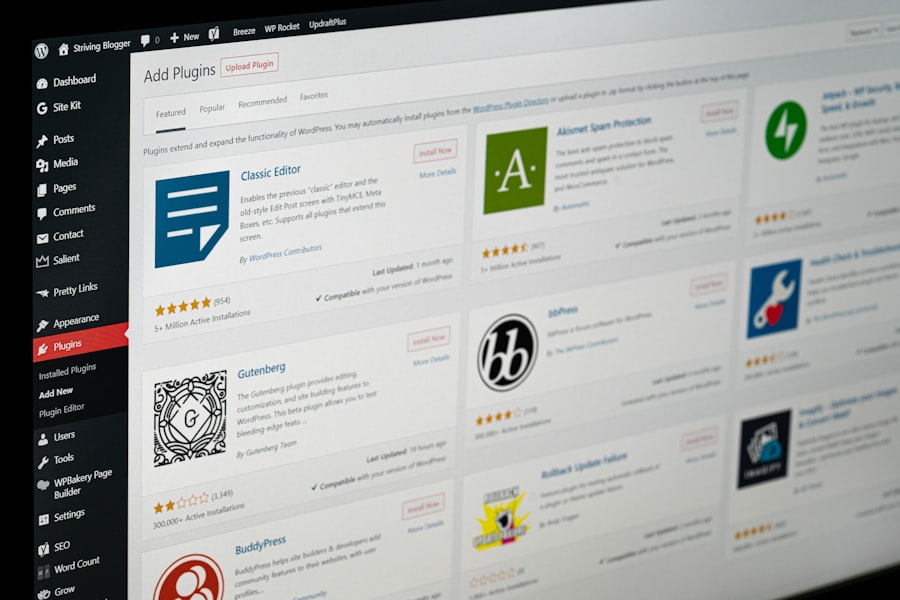
Caching is paramount for improving WordPress speed. It reduces the amount of work your server has to do by storing static versions of your pages and resources.
Browser Caching
Browser caching instructs visitors’ browsers to store static elements of your website (images, CSS, JavaScript files) locally. This means that upon subsequent visits, the browser loads these elements from the user’s local disk rather than re-downloading them from your server, resulting in faster load times.
Utilizing .htaccess for Browser Caching
You can implement browser caching by adding specific directives to your .htaccess file. These directives specify how long different file types should be cached by the browser. Example mod_expires rules include setting expiration dates for images, CSS, and JavaScript.
Page Caching Plugins
Page caching plugins generate static HTML versions of your dynamic WordPress pages. When a visitor requests a page, the plugin serves the static HTML file instead of processing PHP scripts and database queries, which is a much faster operation.
Popular Caching Solutions: WP Rocket, W3 Total Cache, LiteSpeed Cache
Plugins like WP Rocket, W3 Total Cache, and LiteSpeed Cache (for LiteSpeed servers) are highly effective page caching solutions. WP Rocket is often praised for its ease of use and comprehensive feature set. W3 Total Cache offers extensive configuration options for advanced users. LiteSpeed Cache is optimized to work seamlessly with LiteSpeed Web Server, providing superior performance in that environment. Configure these plugins to cache all static pages and consider preloading caches for frequently visited content.
Object Caching
Object caching stores the results of database queries. This is particularly beneficial for high-traffic websites with complex queries that are frequently repeated.
Memcached or Redis
Advanced caching solutions like Memcached or Redis can be integrated with WordPress via plugins to provide object caching. These systems store frequently accessed database query results in RAM, dramatically speeding up data retrieval. This is often available on VPS or dedicated server environments.
Optimizing Images and Media
Images can be one of the largest contributors to slow page load times. Proper image optimization is crucial for a fast website.
Compressing Images
Compressing images reduces their file size without significantly compromising visual quality. Smaller file sizes mean faster download times.
Lossy vs. Lossless Compression
Lossless compression reduces file size by removing metadata without discarding any image data, making it completely reversible. Lossy compression removes some image data permanently to achieve greater file size reduction. While not reversible, the quality loss is often imperceptible to the human eye. Most image optimization plugins offer both options.
Utilizing Image Optimization Plugins: Smush, Imagify, EWWW Image Optimizer
Plugins such as Smush, Imagify, and EWWW Image Optimizer can automate the image compression process. They can optimize new uploads automatically and bulk-optimize existing images. Configure them to compress images upon upload and consider converting images to next-gen formats.
Serving Images in Next-Generation Formats
Next-generation image formats like WebP offer superior compression and quality characteristics compared to older formats like JPEG and PNG.
Converting to WebP
Tools and plugins can convert your existing images to WebP format. When supported by a user’s browser, WebP images will be served, leading to faster loading times. For browsers not supporting WebP, a fallback to JPEG or PNG should be provided.
Lazy Loading Images and Videos
Lazy loading defers the loading of images and videos until they are about to enter the user’s viewport. This means that content below the fold does not load until a user scrolls down, significantly improving initial page load times.
Native Lazy Loading and Plugin-Based Solutions
Modern browsers now support native lazy loading, which can be enabled by adding the loading="lazy" attribute to image and iframe tags. WordPress 5.5 and later versions automatically add this attribute to images by default. For older WordPress versions or more control, plugins often provide comprehensive lazy loading capabilities.
When considering ways to enhance your website’s speed, it’s essential to explore various aspects of hosting options as well. For instance, understanding shared hosting and its impact on performance can be crucial for optimizing your WordPress site. You can read more about this in the article on shared hosting, which discusses whether it is a suitable choice for your needs. Check it out here to gain insights that could complement your performance optimization strategies.
Minimizing and Consolidating Code
| Technique | Description |
|---|---|
| Use a Lightweight Theme | Choose a theme that is optimized for performance and has minimal code and design elements. |
| Optimize Images | Compress and resize images to reduce their file size and improve page loading speed. |
| Enable Caching | Use caching plugins to store static versions of your site’s pages, reducing server load and improving speed. |
| Minify CSS and JavaScript | Remove unnecessary characters and spaces from code to reduce file size and improve loading times. |
| Use a Content Delivery Network (CDN) | Deliver content from servers closer to the user’s location, reducing latency and improving site speed. |
| Optimize Database | Clean up and optimize your WordPress database to improve site performance. |
| Reduce HTTP Requests | Combine and minimize files to reduce the number of HTTP requests needed to load a page. |
The amount and structure of your website’s code (HTML, CSS, JavaScript) directly influence performance. Reducing file sizes and the number of requests can yield substantial speed gains.
Minifying CSS, JavaScript, and HTML
Minification involves removing unnecessary characters from your code files (whitespace, comments, line breaks) without changing their functionality. This reduces file sizes, allowing them to download faster.
Using Caching Plugins for Minification
Many caching plugins, including WP Rocket and W3 Total Cache, offer built-in minification features. Configure these settings to minify your CSS, JavaScript, and HTML. Test your site thoroughly after minifying, as sometimes code conflicts can arise.
Combining CSS and JavaScript Files
Consolidating multiple CSS files into one and multiple JavaScript files into one reduces the number of HTTP requests your browser needs to make to render a page. Each HTTP request carries overhead, impacting load times.
Plugin-Based Consolidation
Caching plugins often provide options to combine CSS and JavaScript files. Exercise caution with JavaScript consolidation, as it can sometimes lead to conflicts. Prioritize combining CSS files where the benefit is often clearer. HTTP/2, which is widely adopted, reduces the urgency of combining files, as it can handle multiple requests over a single connection more efficiently. However, there are still benefits to reducing overall file size.
Deferring and Async Loading of JavaScript
JavaScript can be a render-blocking resource, meaning the browser cannot render the page until the JavaScript file has been downloaded and executed. Deferring or asynchronously loading JavaScript resolves this issue.
defer and async Attributes
The async attribute allows the browser to download a script asynchronously (in parallel with parsing the HTML) and execute it as soon as it’s available. The defer attribute also downloads a script asynchronously but ensures it executes only after the HTML document has been fully parsed. For most non-essential JavaScript, defer is often the safer option to prevent breaking page rendering. Caching plugins can help implement these attributes.
For those looking to enhance their website’s speed and efficiency, exploring various WordPress performance optimization techniques is essential for faster sites. A related article that delves into the importance of choosing the right infrastructure is available, which discusses how reliable web hosting services can significantly impact your site’s performance. You can read more about this topic in the article on maximizing your online presence with reliable web hosting services. Implementing both optimization techniques and quality hosting can lead to a noticeable improvement in user experience and site speed.
Database Optimization and Regular Maintenance
Your WordPress database stores all of your website’s content, settings, and user information. An unoptimized or bloated database can slow down your site significantly.
Cleaning Up Your Database
Over time, your database accumulates unnecessary data, such as post revisions, spam comments, transient options, and orphaned data from uninstalled plugins. This clutter can increase database size and query times.
Using Database Optimization Plugins: WP-Optimize, Advanced Database Cleaner
Plugins like WP-Optimize and Advanced Database Cleaner can help you clean up your database. They allow you to remove post revisions, spam comments, trashed posts, unused tags, and other junk data. Schedule regular cleanups to maintain a lean database.
Optimizing Database Tables
Even after cleanup, database tables can become fragmented, similar to a hard drive over time. Optimizing tables reorganizes the data, making queries more efficient.
SQL OPTIMIZE TABLE Command
Your database optimization plugins often include functionality to optimize your database tables. You can also perform this manually using a tool like phpMyAdmin by selecting your database tables and choosing the “Optimize table” option. This command defragments the table data and index data.
Limiting Post Revisions
WordPress automatically saves revisions of your posts and pages. While useful for recovery, an excessive number of revisions can bloat your database.
Restricting Revisions via wp-config.php
You can limit the number of post revisions or disable them entirely by adding a line to your wp-config.php file: define('WP_POST_REVISIONS', 2); (to keep 2 revisions) or define('WP_POST_REVISIONS', false); (to disable). This helps keep your database size in check.
Content Delivery Network (CDN) Implementation
A Content Delivery Network (CDN) is a geographically distributed network of servers that caches your website’s static content (images, CSS, JavaScript) and delivers it to users from the server physically closest to them.
Reducing Latency
When a user requests your website, the content is served from a CDN server near their location, reducing the physical distance the data has to travel. This significantly lowers latency and improves load times, especially for a global audience.
Offloading Server Load
By serving static assets, a CDN offloads a substantial amount of traffic from your origin server. This frees up your server’s resources to handle dynamic content and database queries, improving overall site performance and stability.
Popular CDN Providers: Cloudflare, Sucuri, KeyCDN
Providers like Cloudflare (which offers a free tier), Sucuri, and KeyCDN offer robust CDN services. Setting up a CDN typically involves changing your domain’s DNS records to point to the CDN. WordPress plugins often provide integration options, making setup more straightforward.
Theme and Plugin Optimization
Your chosen WordPress theme and the plugins you install can have a significant impact on performance. Poorly coded themes and resource-intensive plugins can drag your site down.
Choosing Lightweight Themes
Complex, feature-rich themes often come with a lot of unnecessary code, CSS, and JavaScript. While they might look impressive, they can significantly increase page load times.
Opting for Performance-Oriented Themes
Prioritize lightweight, performance-oriented themes. Themes like GeneratePress, Astra, and Kadence are built with speed in mind, offering modular designs where you only load features you actively use.
Auditing and Deactivating Unused Plugins
Every plugin you install adds code and potential overhead to your website. Many users install plugins, activate them briefly, and then forget about them.
Regular Plugin Audits
Regularly review your installed plugins. Deactivate and delete any plugins you are no longer using. Each active plugin consumes server resources, even if it is not actively performing a task on every page load.
Replacing Resource-Heavy Plugins
Some plugins, while useful, are known to be resource hogs. Identify these and look for lighter alternatives if performance is a critical concern.
Performance Implications of Builders and Sliders
Page builders (Gutenberg, Elementor, Divi) and rich slider plugins (Revolution Slider, LayerSlider) can generate a lot of code. While powerful, they can impact performance. Utilize them judiciously and look for ways to optimize their output or use native WordPress features where possible. For sliders, consider if static images with compelling calls to action could serve the same purpose with less performance overhead.
FAQs
1. What are some common performance issues that can slow down WordPress sites?
Some common performance issues that can slow down WordPress sites include large image file sizes, too many plugins, outdated themes or plugins, and inadequate hosting resources.
2. How can caching improve the performance of a WordPress site?
Caching can improve the performance of a WordPress site by storing static versions of the site’s content, which reduces the need for the server to generate the same content repeatedly. This can lead to faster load times and reduced server load.
3. What are some techniques for optimizing images on a WordPress site for better performance?
Some techniques for optimizing images on a WordPress site include using image compression tools, choosing the right file format (such as JPEG or PNG), and specifying image dimensions to prevent unnecessary resizing.
4. How can minimizing HTTP requests help improve the performance of a WordPress site?
Minimizing HTTP requests can help improve the performance of a WordPress site by reducing the number of resources that need to be fetched from the server, which can lead to faster load times. This can be achieved by combining CSS and JavaScript files, using CSS sprites, and reducing the number of external scripts.
5. What are some best practices for choosing a reliable hosting provider for a WordPress site?
Some best practices for choosing a reliable hosting provider for a WordPress site include considering factors such as server uptime, page load speed, customer support, security features, and scalability. It’s also important to consider the specific needs of the WordPress site, such as the amount of traffic and the type of content being served.








Add comment