
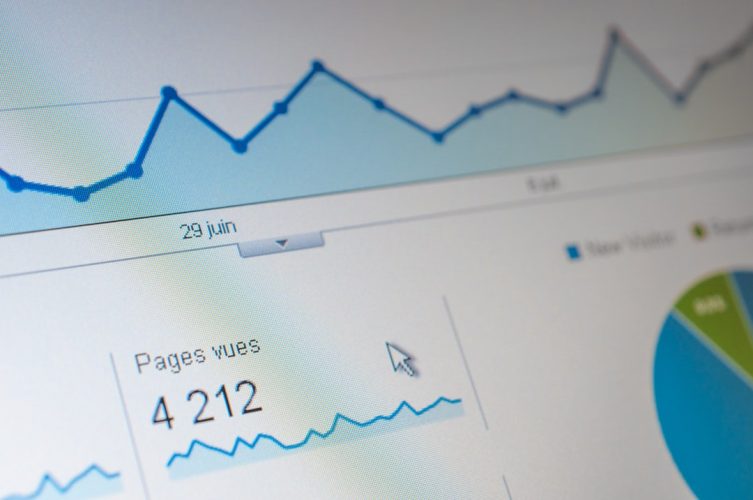
Your small business website is a digital storefront, and like any physical storefront, it needs visibility to attract customers. Search Engine Optimization (SEO) provides that visibility. Implementing a robust SEO strategy is not an option; it is a necessity for your online presence to thrive. This guide will walk you through the essential steps to optimize your website, ensuring it ranks higher in search engine results and reaches your target audience.
Before diving into specific tactics, grasp the core principles of SEO. It operates on the premise that search engines like Google aim to provide users with the most relevant and high-quality results for their queries. Your goal is to signal to these search engines that your website offers precisely that.
How Search Engines Work
Search engines employ complex algorithms to crawl, index, and rank web pages. Crawling involves bots (spiders) discovering new and updated content. Indexing is the process of storing this content in a vast database. Ranking determines the order in which pages appear in search results based on hundreds of factors. Your website needs to facilitate each of these stages to perform well.
Why SEO Matters for Small Businesses
For a small business, SEO is particularly critical. You likely do not possess the brand recognition or marketing budget of larger corporations. SEO levels the playing field by allowing you to compete for organic search traffic. This traffic is often more qualified, as users actively seek out products or services you provide. Investing in SEO can yield a significant return on investment by attracting customers who are already interested in what you offer.
When optimizing your small business website for SEO, it’s essential to consider various factors that can enhance your online presence. One related article that provides valuable insights into improving website performance is about dedicated servers. Understanding when to use a dedicated server can significantly impact your site’s speed and reliability, which are crucial for SEO. You can read more about this topic in the article titled “Dedicated Server: What Is It and When to Use It?” available at this link.
Keyword Research: The Foundation of Your Strategy
Effective keyword research is the bedrock of any successful SEO campaign. It involves identifying the terms and phrases your target audience uses when searching for businesses like yours. Without understanding these keywords, your optimization efforts will be misdirected.
Identifying Relevant Keywords
Begin by brainstorming terms and phrases related to your products or services. Think like your customers. What problems are they trying to solve? What solutions are they seeking? Consider both broad terms and long-tail keywords (more specific, multi-word phrases). Long-tail keywords often have lower search volume but higher conversion rates due to their specificity.
Utilizing Keyword Research Tools
Several tools can assist you in this process. Google Keyword Planner, SEMrush, Ahrefs, and Ubersuggest are popular options. These tools provide data on search volume, competition, and related keywords. Focus on keywords with a decent search volume and manageable competition. Prioritize keywords that align with your business offerings and customer intent.
Analyzing Competitor Keywords
Examine what keywords your competitors are ranking for. This can provide valuable insights into successful strategies within your niche. Tools mentioned above often allow you to analyze competitor websites and discover their keyword landscape. Do not simply copy their keywords; use them as a starting point for your own research and refinement.
On-Page Optimization: Enhancing Your Website Content

On-page SEO refers to all the optimizations you can perform directly on your website pages. This includes optimizing content, meta descriptions, titles, and images to improve their search engine visibility and user experience.
Crafting Compelling Page Titles and Meta Descriptions
Your page title (title tag) is a crucial ranking factor and the first thing users see in search results. It should accurately describe the page content and include your target keyword. Keep it concise, typically under 60 characters. The meta description, while not a direct ranking factor, influences click-through rates. Write a compelling summary of the page content, incorporating your main keyword, to entice users to click.
Optimizing Your Website Content
High-quality, relevant content is paramount. Your website content should be informative, engaging, and directly address user queries. Naturally integrate your target keywords throughout the content, but avoid keyword stuffing, which can harm your rankings. Aim for a depth of information that establishes your authority on the subject. Regularly update your content to keep it fresh and relevant.
Image Optimization
Images contribute to user experience and can also be optimized for search engines. Use descriptive file names and alt text for all images. Alt text (alternative text) provides a description of the image for visually impaired users and for search engines to understand the image content. Compress images to reduce file size, which improves page load speed.
Header Tags and Internal Linking
Use header tags (H1, H2, H3, etc.) to structure your content logically. Your H1 tag should contain your primary keyword and act as the main heading of the page. Subsequent header tags (H2, H3) break down the content into manageable sections. Internal linking involves adding links within your website to other relevant pages. This helps search engines understand the structure of your site and distributes “link equity” throughout your pages.
Technical SEO: Ensuring a Healthy Website Foundation
Technical SEO focuses on the backend elements of your website that affect how search engines crawl and index it. A technically sound website is essential for effective SEO.
Website Speed and Mobile-Friendliness
Page load speed is a critical ranking factor and impacts user experience significantly. Slow-loading websites deter visitors. Optimize images, leverage browser caching, and consider a Content Delivery Network (CDN) to improve speed. Mobile-friendliness is no longer optional; a significant portion of internet traffic comes from mobile devices. Ensure your website is responsive and displays correctly on all screen sizes. Google’s mobile-first indexing means they primarily use the mobile version of your content for ranking.
Site Structure and URL Structure
A logical and intuitive site structure makes it easy for both users and search engines to navigate your website. Use a hierarchical structure with clear categories and subcategories. Your URL structure should be clean, short, and descriptive, incorporating relevant keywords where appropriate. Avoid long, cryptic URLs.
XML Sitemaps and Robots.txt
An XML sitemap lists all important pages on your website, helping search engines discover and index your content. Submit your sitemap to Google Search Console. The robots.txt file instructs search engine crawlers which parts of your website they can and cannot access. Use it to prevent indexing of unimportant or duplicate content.
Schema Markup
Schema markup is a form of microdata that you can add to your HTML to help search engines better understand the content on your pages. It can enhance your search results with “rich snippets,” such as star ratings, product prices, or event dates, making your listings more appealing and informative. Implementing schema markup can increase click-through rates.
When considering small business website optimization techniques for SEO, it is essential to understand how effective hosting can enhance your online presence. A related article discusses how business hosting can significantly boost your online sales and revenue, providing insights into the importance of choosing the right hosting provider. By implementing the right strategies and leveraging quality hosting solutions, small businesses can improve their search engine rankings and attract more customers.
Off-Page Optimization: Building Authority and Trust
| Technique | Description |
|---|---|
| Keyword Research | Identifying relevant keywords for the business and target audience. |
| On-Page Optimization | Optimizing meta tags, headings, and content for targeted keywords. |
| Mobile Optimization | Ensuring the website is mobile-friendly for better user experience. |
| Local SEO | Optimizing for local search by including location-based keywords. |
| Link Building | Acquiring quality backlinks from relevant and authoritative websites. |
| Content Marketing | Creating valuable and shareable content to attract and engage visitors. |
| Site Speed Optimization | Improving website loading speed for better user experience and search rankings. |
Off-page SEO refers to activities performed outside your website to improve its search engine ranking. The primary component of off-page SEO is link building, but it also encompasses other reputation-building efforts.
The Importance of Backlinks
Backlinks are links from other websites to your website. Search engines view backlinks as “votes of confidence,” indicating that your content is valuable and trustworthy. The more high-quality, relevant backlinks you acquire, the higher your website’s authority will be, which positively impacts your rankings.
Strategies for Earning High-Quality Backlinks
Focus on earning, rather than buying, backlinks. Guest blogging on reputable websites in your industry, creating shareable content (infographics, detailed guides), and building relationships with other businesses are effective strategies. Participate in industry forums and discussions, showcasing your expertise. Seek out broken links on other websites and suggest your relevant content as a replacement.
Social Media Promotion
While social media links are not direct ranking factors, they play an indirect role in SEO. Increased visibility and engagement on social media can lead to more shares, mentions, and ultimately, more traffic to your website. This increased traffic can signal to search engines that your content is popular and valuable. Share your blog posts, products, and services across relevant social media platforms to expand your reach.
Local SEO
For small businesses serving a specific geographical area, local SEO is paramount. Optimize your Google My Business profile with accurate and complete information, including your business name, address, phone number, hours, and website. Encourage customer reviews and respond to them professionally. Ensure consistent “NAP” (Name, Address, Phone number) information across all online directories. Local SEO helps you appear in “near me” searches, attracting local customers.
When it comes to enhancing your small business website’s visibility, implementing effective SEO techniques is crucial. One valuable resource that delves into optimizing your website’s performance is an article that explores the benefits of dedicated servers. By leveraging these powerful hosting solutions, you can significantly improve your site’s speed and reliability, which are essential factors for SEO success. To learn more about how dedicated servers can help unleash your website’s full potential, check out this insightful article here.
Monitoring and Iterating: Continuous Improvement
SEO is not a one-time task; it is an ongoing process of monitoring, analyzing, and adapting your strategy based on performance data and search engine algorithm updates.
Utilizing Google Analytics and Search Console
Google Analytics provides invaluable insights into your website traffic, user behavior, and conversion rates. Track metrics such as organic traffic, bounce rate, time on page, and goal completions. Google Search Console helps you monitor your website’s performance in search results, identify crawling errors, understand which queries bring users to your site, and submit sitemaps. Regularly review these tools to identify areas for improvement.
Tracking Keyword Rankings
Keep track of your keyword rankings to assess the effectiveness of your optimization efforts. There are various ranking tracker tools available that can automate this process. Observe which keywords are improving, declining, or staying stagnant. This data will inform your content strategy and further optimization.
Adapting to Algorithm Changes
Search engine algorithms are constantly evolving. Stay informed about major Google algorithm updates, as they can significantly impact your rankings. Follow reputable SEO blogs and resources to understand these changes and adjust your strategy accordingly. Flexibility and a willingness to adapt are crucial for long-term SEO success.
A/B Testing and Conversion Rate Optimization (CRO)
Beyond attracting traffic, your goal is to convert visitors into customers. A/B testing involves creating two versions of a web page element (e.g., headline, call-to-action) and showing them to different segments of your audience to see which performs better. Conversion Rate Optimization (CRO) focuses on improving the percentage of website visitors who complete a desired action. Optimize your landing pages, calls-to-action, and user flow to maximize conversions.
By systematically addressing each of these areas, from fundamental understanding to continuous monitoring, you will build a strong online presence for your small business. Remember, consistent effort and a data-driven approach are key to achieving and maintaining high search engine rankings. Your website is an asset; optimize it appropriately.
FAQs
1. What is website optimization for SEO?
Website optimization for SEO refers to the process of improving a website’s visibility in search engine results pages (SERPs) through various techniques such as keyword optimization, content improvement, and technical enhancements.
2. Why is website optimization important for small businesses?
Website optimization is important for small businesses as it helps improve their online visibility, attract more organic traffic, and ultimately increase their chances of acquiring new customers and growing their business.
3. What are some techniques for optimizing a small business website for SEO?
Some techniques for optimizing a small business website for SEO include keyword research and optimization, creating high-quality and relevant content, improving website speed and mobile-friendliness, optimizing meta tags, and building high-quality backlinks.
4. How can small businesses measure the success of their website optimization efforts?
Small businesses can measure the success of their website optimization efforts through various metrics such as organic traffic, keyword rankings, conversion rates, and engagement metrics like bounce rate and time on page.
5. What are some common mistakes to avoid when optimizing a small business website for SEO?
Some common mistakes to avoid when optimizing a small business website for SEO include keyword stuffing, neglecting mobile optimization, ignoring technical SEO issues, using low-quality or duplicate content, and neglecting the importance of local SEO.









Add comment