

You’re a WordPress site owner, and you’ve built something great. You’ve poured in hours, maybe even days, crafting content, designing your pages, and optimizing your search engine presence. Yet, despite all your efforts, something feels… off. Visitors are clicking away faster than they arrived. Your search engine ranking is stubbornly stagnant. The culprit? Your website speed. You’d be forgiven for thinking content and SEO are the only players in this game, but the unsung hero, the foundational pillar of your online success, is often your web hosting. Choosing superior hosting isn’t just an upgrade; it’s a transformation that directly impacts your website’s performance, user experience, and ultimately, your bottom line. This isn’t just about being faster; it’s about being better.
You might be familiar with page load times. You’ve likely seen those dreaded numbers creep into the several-second range, a death knell in the fast-paced digital world. While many elements contribute to this, the server on which your website resides is frequently the primary bottleneck. Think of your web host as the landlord of your online property. If you’re renting a tiny, run-down apartment in a building plagued with faulty wiring and overcrowding, your experience will suffer, no matter how beautifully you decorate your living space. Similarly, if your website is crammed onto a shared server with hundreds of other sites, competing for limited resources, your speed will inevitably be compromised.
The Illusion of “Cheap” Hosting
It’s tempting, isn’t it? Those cheap shared hosting plans, advertised with unlimited bandwidth and storage at unbelievably low prices. They promise the world, but often deliver a slow, unreliable experience. This is because these plans are designed for the masses, with resources divided thinly amongst a multitude of users. When one site on the server experiences a traffic spike or uses excessive resources, it impacts everyone else. You become a victim of your neighbors’ success or their poor optimization.
Shared Hosting: A Race to the Bottom
In a shared hosting environment, you’re essentially sharing a single physical server with many other websites. This means you’re sharing the CPU, RAM, and bandwidth of that server. Imagine a restaurant with only a few chefs trying to serve hundreds of diners. The food will inevitably be slow in coming, and the quality might suffer. For a growing WordPress website, especially one with a decent amount of traffic or resource-intensive plugins, shared hosting is a recipe for slowness and frustration.
VPS (Virtual Private Server) Hosting: A Step Up, But Not Always Enough
A Virtual Private Server offers a step up from shared hosting. It divides a physical server into multiple virtual environments, giving you dedicated resources. This is akin to having your own apartment within a larger building. You have more privacy and guaranteed resources. However, the performance can still be affected by the underlying physical hardware and the management practices of the hosting provider. If the parent server is overloaded or poorly maintained, your VPS can still experience slowdowns.
The Hidden Costs of Slow Websites
Beyond the sheer annoyance of slow loading times, there are tangible consequences that directly impact your website’s success and your business’s profitability. These aren’t just theoretical concerns; they are real-world problems that superior hosting can help you solve.
Bounce Rate: The Silent Killer of Engagement
Your bounce rate is the percentage of visitors who visit your site and then leave without interacting further. High bounce rates are a clear indicator that visitors aren’t finding what they’re looking for, or worse, they can’t even reach what they’re looking for before giving up. Numerous studies have shown a direct correlation between page load speed and bounce rate. If your pages take too long to load, users will hit the back button and seek out a faster alternative.
Search Engine Rankings: The Algorithm’s Judgment
Google and other search engines prioritize user experience. Page speed is a significant ranking factor. A slow website signals to them that you’re not providing a good experience for their users, and your rankings will suffer. This means fewer organic visitors, less visibility, and a weaker presence in the competitive online landscape. You can have the best content in the world, but if search engines deem your site too slow, it will languish in the search results.
Conversion Rates: The Lost Opportunities
For any website aiming to achieve a goal – whether it’s making a sale, generating a lead, or encouraging a signup – conversion rates are paramount. A slow website directly hinders your ability to convert visitors into customers. Imagine a potential customer browsing your products. If the product pages load slowly, they might get impatient, browse elsewhere, and you lose a potential sale. Every second of delay is a lost opportunity.
If you’re looking to enhance your WordPress website’s performance, exploring better hosting options is crucial. For those interested in starting a blog and ensuring it runs smoothly from the get-go, you might find valuable insights in this related article on how to start a blog in 2023. It covers essential tips that can help you choose the right hosting service to optimize your site’s speed and efficiency. Check it out here: How to Start a Blog in 2023.
The Pillars of Speed: What Superior WordPress Hosting Offers
When you invest in superior hosting, you’re not just buying space on a server; you’re investing in a robust infrastructure designed for speed, reliability, and optimal WordPress performance. These providers understand the unique demands of the WordPress platform and have engineered their services to meet those needs head-on.
Optimized Server Environments: Tailored for WordPress
The best WordPress hosting providers go beyond generic server configurations. They actively optimize their infrastructure specifically for WordPress. This means pre-configured software, server-level caching, and advanced security measures that work in harmony with your WordPress installation, rather than against it.
LiteSpeed Web Server: The Speed Demon
Many top-tier WordPress hosts have moved away from the traditional Apache server to LiteSpeed Web Server. LiteSpeed is renowned for its performance advantages. It’s significantly faster at serving static content and handles dynamic content with greater efficiency. Some providers even offer LiteSpeed Cache for WordPress, a powerful caching solution that can dramatically accelerate your site’s loading times.
Nginx Integration: Efficiency Unleashed
Alongside or sometimes instead of LiteSpeed, many superior hosts utilize Nginx. Nginx is a high-performance web server popular for its ability to handle a vast number of concurrent connections with low memory usage. It excels at serving static files quickly and efficiently, which makes up a significant portion of your website’s content.
Advanced Caching Mechanisms: Speeding Up Content Delivery
Caching is a fundamental principle of web performance, and superior hosting providers implement it with sophistication. Instead of generating every page from scratch for every visitor, caching stores pre-built versions of your pages, allowing them to be delivered almost instantaneously.
Server-Level Caching: The First Line of Defense
This is caching that happens on the server itself, before your WordPress site even needs to process the request. It’s incredibly effective because it bypasses much of the processing that would normally occur. Examples include object caching (like Redis or Memcached) for database queries and page caching for full page generation.
CDN (Content Delivery Network) Integration: Global Speed Boost
A CDN is a distributed network of servers located in various geographical locations around the world. When a visitor accesses your website, their request is routed to the server geographically closest to them. This dramatically reduces latency and speeds up content delivery, especially for international audiences. The best hosts often integrate CDNs seamlessly into their plans, making it easy for you to leverage this powerful technology.
Robust Infrastructure: Built for Performance and Reliability
Beyond software, the physical infrastructure of superior hosting providers is designed for speed and uptime. This includes high-speed SSD storage, ample RAM, and powerful processors designed to handle demanding workloads.
SSD (Solid State Drive) Storage: The Foundation of Fast Data Access
Traditional Hard Disk Drives (HDDs) have moving parts, making them slower for data retrieval. SSDs, on the other hand, have no moving parts and can access data significantly faster. This translates to quicker database queries, faster file loading, and a generally more responsive website.
Ample RAM and Powerful Processors: Handling Demand
Superior hosting providers allocate generous amounts of RAM and employ powerful processors for their servers. This ensures that your WordPress site has the computing power it needs to handle traffic spikes, complex operations, and resource-intensive plugins without bogging down.
Choosing Your Hosting Partner: Key Considerations for Speed
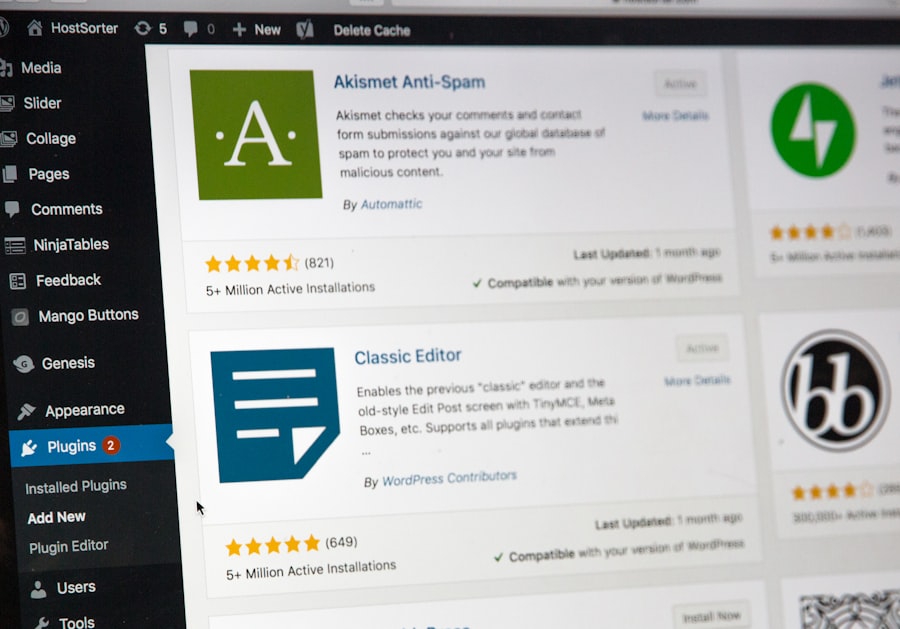
Selecting the right hosting provider is a critical decision that directly impacts your website’s performance. It’s not just about the cheapest price; it’s about finding a partner that understands your needs and has the infrastructure and expertise to meet them.
Managed WordPress Hosting: The All-in-One Solution
For many WordPress users, managed WordPress hosting is the ultimate solution for speed and ease of use. These providers specialize in WordPress and take care of all the technical aspects of hosting, including server optimization, security, backups, and performance tuning. They are dedicated to making your WordPress site fly.
Automated Updates and Security: Peace of Mind Included
Managed WordPress hosts typically handle WordPress core updates, theme updates, and plugin updates automatically or with your approval. They also implement robust security measures to protect your site from malware and brute-force attacks, which can also impact performance.
Expert Support: Your Go-To for Challenges
When you encounter a technical issue or need advice on optimizing your site, having access to knowledgeable WordPress support is invaluable. Managed hosts typically have support teams who are well-versed in WordPress and can provide expert guidance.
Business and Premium Hosting Plans: Dedicated Resources
If managed WordPress hosting feels like overkill, or if you have a more complex or high-traffic site, consider business or premium hosting plans. These often offer dedicated resources or more powerful shared environments than standard plans, with a focus on performance and reliability.
Scalability Options: Growing with Your Success
As your website grows, your hosting needs will change. Superior hosting providers offer scalable solutions that allow you to seamlessly upgrade your plan as your traffic and resource demands increase. This ensures that your website’s performance doesn’t suffer as you achieve greater success.
Specialized Server Configurations: Tailored Performance
Some providers offer specialized server configurations for demanding applications or for users who need more control over their environment. This could include dedicated servers or more advanced VPS solutions with specific optimizations for WordPress.
Uptime Guarantees: Ensuring Your Site is Always Available
A fast website is useless if it’s frequently offline. Superior hosting providers offer high uptime guarantees, often 99.9% or higher. This means your website will be accessible to your visitors, customers, and search engines virtually all the time.
The Impact of Downtime on Your Reputation
Downtime is more than just an inconvenience; it can erode trust and damage your brand reputation. If your website is constantly unavailable, visitors will assume you’re unprofessional or untrustworthy and will take their business elsewhere.
SLA (Service Level Agreement): Your Protection
Reputable hosting providers will have a Service Level Agreement (SLA) that outlines their uptime commitments and often includes compensation if those guarantees are not met. This provides you with a level of protection and assurance.
Beyond Hosting: Complementary Strategies for Peak Performance

While superior hosting is the bedrock of a fast website, it’s not the only factor. By complementing your hosting choice with smart WordPress optimization practices, you can unlock even greater speed and efficiency.
Optimize Your WordPress Theme: The Foundation of Your Design
Your theme dictates the structure and presentation of your website. A poorly coded or bloated theme can significantly slow down your site, even on the fastest hosting.
Lightweight Themes: The Nimble Approach
Opt for themes that are designed with performance in mind. Look for themes that are well-coded, use efficient CSS and JavaScript, and avoid unnecessary features or heavy frameworks. Popular lightweight themes are often a great starting point.
Avoid Bloated Page Builders: Be Selective
While page builders offer great design flexibility, some can add a lot of unnecessary code to your website, impacting its speed. If you use a page builder, choose a well-optimized one, and be mindful of the amount of content and features you’re adding to each page.
Smart Plugin Usage: Less is Often More
Plugins add functionality to your WordPress site, but too many, or poorly coded ones, can become a significant drag on performance.
Audit Your Plugins: Declutter and Optimize
Regularly review your installed plugins. Deactivate and delete any plugins you no longer use. For plugins that you do use, research their performance impact. Some plugins are known to be resource-intensive and may have faster, leaner alternatives.
Caching Plugins: Supercharge Your WordPress Cache
Even with server-level caching, a good WordPress caching plugin can further enhance performance. These plugins help manage and deliver cached content effectively, working in tandem with your hosting’s caching.
Image Optimization: Shrinking Your Digital Footprint
Large, unoptimized images are one of the biggest culprits behind slow-loading websites.
Image Compression Tools: Making Files Smaller Without Sacrificing Quality
Use image compression tools to reduce the file size of your images before uploading them to WordPress. Many plugins can automate this process for you, compressing images upon upload or batch compressing existing ones.
Image Format and Size: The Right Tool for the Job
Choose the appropriate image format (e.g., JPEG for photographs, PNG for graphics with transparency, WebP for superior compression and quality). Also, ensure that you are using images at the correct dimensions for where they will be displayed, rather than relying on CSS to resize them.
If you’re looking to enhance your WordPress website’s performance, exploring various optimization techniques is crucial. One valuable resource is an article that discusses essential plugins that can significantly improve your site’s speed and efficiency. You can read more about these tools in this informative piece on WordPress optimization plugins for 2025, which complements the insights on how better hosting can also play a vital role in speeding up your website.
The Bottom Line: Investing in Speed is Investing in Success
| Hosting Provider | Load Time (s) | Uptime (%) | Support |
|---|---|---|---|
| Provider A | 1.5 | 99.9 | 24/7 live chat |
| Provider B | 2.0 | 99.5 | Email only |
| Provider C | 1.2 | 99.8 | Phone and ticket |
You’ve invested time, effort, and creativity into your WordPress website. Don’t let slow loading times sabotage your hard work. Superior hosting isn’t a luxury; it’s an essential investment that pays dividends in every aspect of your online presence. By understanding the impact of your hosting choice and selecting a provider that prioritizes speed and performance, you’re not just making your website faster – you’re enhancing user experience, boosting your search engine rankings, increasing conversions, and ultimately, building a more successful and sustainable online business. It’s time to stop battling with a sluggish site and empower your digital presence with the speed it deserves. Your visitors, your search engines, and your business will thank you for it.
FAQs
1. Why is hosting important for speeding up a WordPress website?
Hosting plays a crucial role in the speed and performance of a WordPress website. A good hosting provider can offer faster server response times, better uptime, and optimized server configurations, all of which contribute to a faster website.
2. What are the key features to look for in a hosting provider to speed up a WordPress website?
When selecting a hosting provider for a WordPress website, it’s important to look for features such as SSD storage, CDN integration, optimized server configurations for WordPress, and a reliable uptime guarantee.
3. How does SSD storage contribute to speeding up a WordPress website?
SSD (Solid State Drive) storage is faster and more reliable than traditional HDD (Hard Disk Drive) storage. It allows for quicker data access and faster loading times, which can significantly improve the speed of a WordPress website.
4. What role does a Content Delivery Network (CDN) play in speeding up a WordPress website?
A CDN helps to distribute website content across multiple servers located in different geographic locations. This reduces the physical distance between the server and the user, resulting in faster loading times for website content, such as images, videos, and scripts.
5. How can optimized server configurations for WordPress improve website speed?
Hosting providers that offer optimized server configurations specifically tailored for WordPress can improve website speed by ensuring that the server environment is fine-tuned for the platform. This can include features such as caching, PHP version optimization, and server-level performance enhancements.









Add comment