

You’ve invested time, effort, and likely a significant amount of capital into your website. It’s your digital storefront, your information hub, your primary communication channel. The thought of losing it all due to something as mundane as a forgotten expiration date is enough to send a shiver down your spine. This article serves as your practical guide to understanding the risks associated with domain expiration and, more importantly, how to proactively prevent it.
Your domain name, the .com, .org, .net, or any other extension that identifies your online presence, is not a permanent acquisition. It’s essentially a lease, and like any lease, it has an expiration date. Forgetting this date, or failing to properly manage the renewal process, can have severe consequences, leading to the loss of your valuable online asset and the disruption of your digital operations.
How Domain Registration Works
When you register a domain name, you are not buying it outright. Instead, you are acquiring the right to use it for a specified period, typically one to ten years. This registration is managed by a domain registrar, an accredited company that acts as an intermediary between you and the domain name registry. The registry is the organization that maintains the top-level domain (TLD), such as .com or .org. You pay a fee to the registrar, who then pays a portion to the registry to secure your domain for your chosen duration.
The Lifecycle of a Domain Name
Understanding the lifecycle of your domain name is crucial for effective management. It’s not a simple on-off switch.
Initial Registration and Renewal Periods
You initially register your domain for a set term. This could be one year, five years, or even longer. As this term approaches its end, you are presented with the opportunity to renew your registration for another period. Most registrars offer discounts for longer renewal terms, which can be a cost-effective strategy.
Grace Periods and Redemption Periods
If you miss the initial renewal deadline, your domain doesn’t immediately become available to anyone. Instead, it typically enters a grace period. During this time, you can still renew your domain, often at the standard renewal rate, though some registrars may charge a small administrative fee. This grace period is a crucial buffer, but it’s not infinite. Following the grace period, if the domain remains unrenewed, it enters a redemption or pending delete period.
Pending Deletion and Availability
The redemption period is a final opportunity to reclaim your domain, but it comes with a significantly higher cost. The exact duration varies by registrar and TLD, but it’s generally a short window. If you fail to act during the redemption period, the domain is then released back into the public pool of available domain names. At this point, anyone can register it, and you may lose it permanently, especially if it’s a desirable or brandable name.
Understanding domain expiration risks is crucial for website owners who want to maintain their online presence. To further enhance your website’s security and prevent potential losses, you might find it beneficial to explore related strategies. For more insights on improving your website security, check out this article on powerful tips: How to Improve Your Website Security: 6 Powerful Tips. This resource provides valuable information that complements the discussion on domain management and protection.
The Ramifications of Domain Loss
The consequences of a lapsed domain name extend far beyond the inconvenience of losing your website address. It can have a cascading effect on your online presence, your business operations, and your brand reputation.
Loss of Website Accessibility
The most immediate and obvious impact is that your website will become inaccessible. Visitors attempting to reach your site will encounter an error message, not your carefully crafted content. This means no more online sales, no more customer inquiries through your website, and no more access to vital information for your audience.
Downtime and Business Disruption
For businesses, this downtime can translate directly into lost revenue. If your website is your primary sales channel, this is a critical blow. Even if it’s not, a temporarily unavailable website can disrupt customer service, communication, and lead generation efforts, causing significant operational challenges.
Brand Damage and Erosion of Trust
When a website disappears, it can raise questions about the legitimacy and stability of the associated entity. This can damage your brand reputation and erode trust among your customers, partners, and stakeholders. It suggests a lack of attention to detail and can create an impression of an unprofessional or unreliable organization.
Loss of Domain Name Authority and SEO Ranking
Search engines like Google rely on domain names to identify and rank websites. When a domain expires and is re-registered by someone else, any established authority and search engine optimization (SEO) ranking associated with that domain can be lost or transferred to the new registrant.
Rebuilding SEO from Scratch
If your domain is lost and you are forced to acquire a new one, you will effectively be starting your SEO efforts from zero. All the backlinks, content authority, and search engine trust you’ve built will be gone. This means a lengthy and resource-intensive process to regain your previous search engine visibility.
Impact on Online Advertising Campaigns
If you run online advertising campaigns, such as Google Ads or social media ads, these will likely fail to direct traffic to your website. This wastes your advertising budget and interrupts your lead generation and customer acquisition strategies.
Intellectual Property and Trademark Issues
If your domain name is closely tied to your brand name, trademark, or intellectual property, losing it can create significant legal and brand protection challenges.
cybersquatting and Domain Squatting
A domain that has expired and become available is a prime target for cybersquatters and domain squatters. These individuals or entities may register your domain with the intent to resell it to you at an exorbitant price or to use it for malicious purposes, such as phishing or distributing malware.
Trademark Infringement Concerns
If someone else registers your domain and uses it in a way that infringes on your trademark, you may face further legal battles and costs to protect your brand. This can be a complex and time-consuming process to resolve.
Proactive Prevention Strategies

Fortunately, avoiding domain expiration is not an insurmountable task. It requires a systematic and proactive approach to management. By implementing a few key strategies, you can ensure your digital presence remains stable and secure.
Implementing Automated Renewals
The most straightforward and effective method to prevent accidental domain expiration is to enable auto-renewal with your registrar. This takes the human element and the risk of forgetfulness out of the equation.
Setting Up Auto-Renewal with Your Registrar
When you register or renew your domain, look for the option to enable automatic renewal. This usually involves linking a valid credit card or payment method to your account. Ensure your payment details are always up-to-date to avoid failed renewals.
Monitoring Your Payment Methods
Even with auto-renewal, it’s essential to keep an eye on your payment methods. If a credit card expires or is canceled, and you haven’t updated your registrar’s records, auto-renewal will fail. Regularly check your payment information within your registrar’s dashboard.
Establishing a Notification System
While auto-renewal is excellent, it’s still wise to have a robust notification system in place. This acts as a backup and ensures you are aware of upcoming expirations even if auto-renewal fails for some reason.
Utilizing Registrar Email Notifications
Most registrars send out multiple email notifications as your domain expiration date approaches. Pay close attention to these emails, which are typically sent 30, 15, and 7 days before expiration, and also after the grace period.
Setting Calendar Reminders
Don’t solely rely on email. Set recurring calendar reminders for yourself or designate a team member responsible for domain management. These reminders should be set well in advance of the expiration date, giving you ample time to address any potential issues.
Centralizing Domain Management
If you manage multiple domains or have a team involved in your online presence, centralizing your domain management is crucial to avoid fragmentation and missed deadlines.
Using a Domain Management Dashboard
Many registrars offer dashboards that allow you to view and manage all your registered domains. Utilize this feature to keep a clear overview of all expiration dates and renewal statuses.
Designating a Primary Domain Administrator
Assign a specific individual or a small team to be responsible for domain registration, renewal, and management. This person should have all the necessary access and be accountable for ensuring timely renewals and keeping payment information current.
Understanding Domain Renewal Policies
Different registrars and TLDs may have slightly different policies regarding grace periods, renewal fees, and redemption processes. Familiarizing yourself with these specifics can prevent surprises.
Reviewing Registrar Terms of Service
Take the time to read and understand the terms of service provided by your domain registrar. Pay particular attention to their policies on domain expiration, auto-renewal, and the grace periods they offer.
Researching TLD Specific Policies
Some top-level domains (TLDs) may have unique registration and expiration rules. If you manage domains with less common TLDs, it’s worth researching their specific policies to ensure comprehensive understanding.
Advanced Domain Management and Security
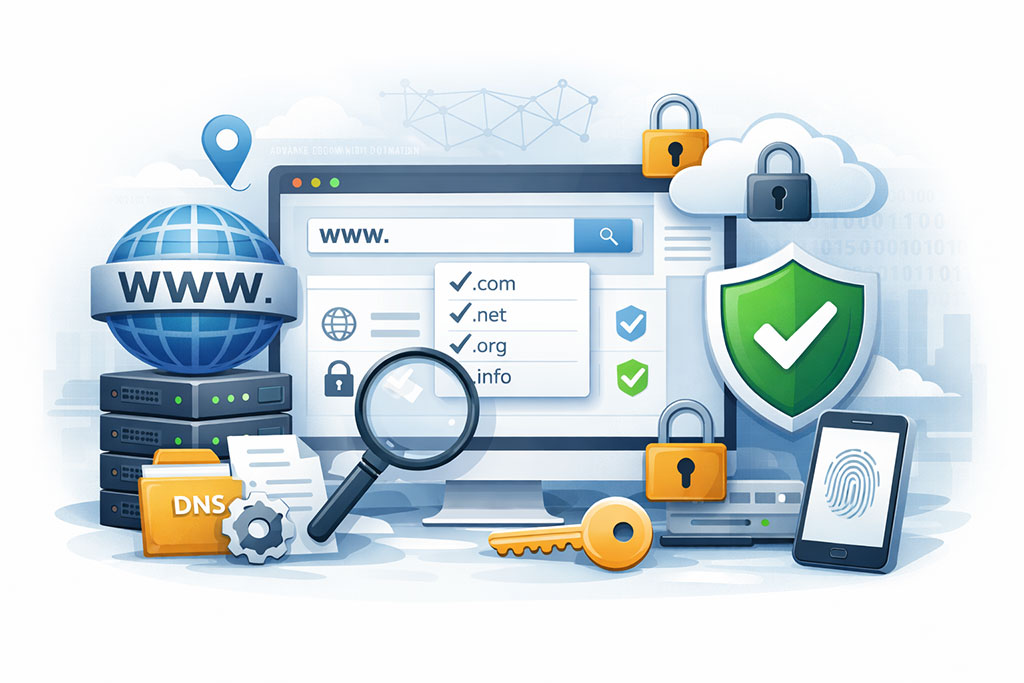
Beyond basic renewal, there are further steps you can take to enhance the security and long-term management of your domain, safeguarding it against more sophisticated threats.
Exploring Long-Term Registrations
If your budget allows and your business plan is stable, consider registering your domain for longer periods. This can offer cost savings and significantly reduce the frequency of renewal tasks.
Benefits of Multi-Year Registrations
Registering for multiple years often comes with discounted pricing compared to annual renewals. It also removes the anxiety of annual renewals and ensures your domain is secured for an extended period.
Financial Planning for Long-Term Commitments
Ensure that your financial planning accounts for the upfront cost of multi-year registrations. While it can save money in the long run, it requires a larger initial outlay.
Regularly Reviewing Domain Registrant Information
Your contact information associated with the domain registration is critical. If this information becomes outdated, you may miss important notifications from your registrar.
Keeping Contact Details Up-to-Date
Ensure that your email address, phone number, and physical address associated with your domain registration are always current. This is where crucial renewal notices and security alerts will be sent.
Understanding Whois Privacy and its Limitations
Whois privacy services mask your personal contact information in the public Whois database. While beneficial for privacy, it’s important to understand that your registrar still has your actual contact information and has a responsibility to communicate with you. Do not rely solely on Whois privacy as a substitute for keeping your registrant details updated with your registrar.
Securing Your Registrar Account
Your domain registrar account is the gateway to controlling your domain name. If this account is compromised, your domain could be at risk.
Strong Passwords and Two-Factor Authentication
Implement strong, unique passwords for your registrar account and enable two-factor authentication (2FA) wherever possible. This adds a critical layer of security, requiring a second verification step beyond just your password.
Being Wary of Phishing Attempts
Be vigilant against phishing emails that impersonate your registrar. These emails may try to trick you into revealing your login credentials or clicking on malicious links. Always verify the sender’s legitimacy and navigate directly to your registrar’s website by typing the URL into your browser.
When managing a website, one of the critical aspects to consider is the risk of domain expiration, which can lead to losing your online presence. To mitigate this risk, it is essential to stay informed about renewal dates and utilize auto-renewal features offered by domain registrars. Additionally, understanding the advantages of dedicated servers can enhance your website’s performance and security, making it less vulnerable to potential threats. For more insights on this topic, you can read about the benefits of dedicated servers for e-commerce websites in this informative article here.
The Worst-Case Scenario: What to Do if You Lose Your Domain
Even if you can’t immediately reclaim your exact domain, you can take steps to lessen the blow to your brand and operations.
Redirecting Traffic to a New Domain
If you are forced to acquire a new domain, set up redirects from the old domain’s IP address or wherever your old site was hosted, if possible, to your new domain. This can help direct some of your existing traffic to your new online address.
Announcing the Change to Your Audience
Communicate the change in your domain name to your customers and audience through all available channels – email, social media, and any other communication platforms you use. Transparency is key to maintaining trust.
Rebuilding Online Presence and SEO
Be prepared for a concerted effort to rebuild your website, re-establish your social media presence, and work on regaining your SEO ranking with your new domain. This will require a significant investment of time and resources.
In conclusion, losing your domain name is a preventable disaster. By understanding the risks, implementing robust prevention strategies, and remaining vigilant, you can ensure your digital presence remains secure and accessible, allowing you to focus on what you do best – running your business and serving your audience.
FAQs
What is domain expiration?
Domain expiration refers to the date when a domain name registration expires. If the domain is not renewed before the expiration date, it can lead to the loss of the website associated with that domain.
What are the risks of domain expiration?
The main risk of domain expiration is the potential loss of the website and its associated online presence. Once a domain expires, it becomes available for others to register, which can lead to loss of branding, traffic, and online identity.
How can I prevent losing my website due to domain expiration?
To prevent losing your website due to domain expiration, it is important to keep track of the domain’s expiration date and renew it before it expires. Setting up auto-renewal for the domain registration is a good way to ensure it does not expire accidentally.
What are the consequences of letting a domain expire?
Letting a domain expire can result in the loss of the website, email services associated with the domain, and online branding. It can also lead to a disruption in online presence, loss of traffic, and potential damage to the reputation of the website.
What should I do if my domain has already expired?
If your domain has already expired, you should contact your domain registrar immediately to see if it can be renewed. In some cases, there may be a grace period during which you can still renew the domain without losing it. It is important to act quickly to avoid losing the domain permanently.









Add comment