

Ad engagement represents a fundamental performance indicator in digital marketing, measuring how audiences interact with advertising content across various platforms. This metric encompasses multiple user behaviors including clicks, views, shares, comments, and time spent viewing advertisements. Research demonstrates that higher engagement rates correlate with improved brand recognition, customer retention, and conversion rates.
The measurement of ad engagement extends beyond basic click-through rates to include comprehensive user interaction data. Marketers analyze engagement patterns to assess content effectiveness, audience preferences, and campaign performance.
Studies indicate that engaged audiences are more likely to develop brand affinity and make purchasing decisions. Effective ad engagement strategies focus on creating relevant, valuable content that addresses specific audience needs and interests. This approach typically results in organic content amplification as users share engaging advertisements within their networks, expanding reach without additional advertising expenditure.
Key Takeaways
- Fast ad engagement is crucial for capturing consumer attention and improving marketing effectiveness.
- Speed influences consumer psychology, with impatience driving quicker decision-making.
- Quick-loading ads enhance user experience and increase conversion rates.
- Accelerated response times boost ad recall and strengthen brand recognition.
- Emerging technologies are shaping the future of speed-driven marketing strategies.
The Role of Speed in Marketing
Speed plays an essential role in modern marketing strategies. In an age where consumers expect instant gratification, the speed at which you deliver your message can significantly impact its effectiveness. You may have noticed that users are less willing to wait for content to load or for ads to play out.
If your marketing materials are slow to appear, you risk losing potential customers before they even have a chance to engage with your brand. Furthermore, speed is not just about how quickly an ad loads; it also encompasses the speed of your messaging and the responsiveness of your campaigns. You should aim to deliver relevant content at the right moment, ensuring that your audience receives information when they are most receptive.
By prioritizing speed in your marketing efforts, you can create a seamless experience that keeps users engaged and encourages them to take action.
Understanding the Psychology of Consumer Impatience
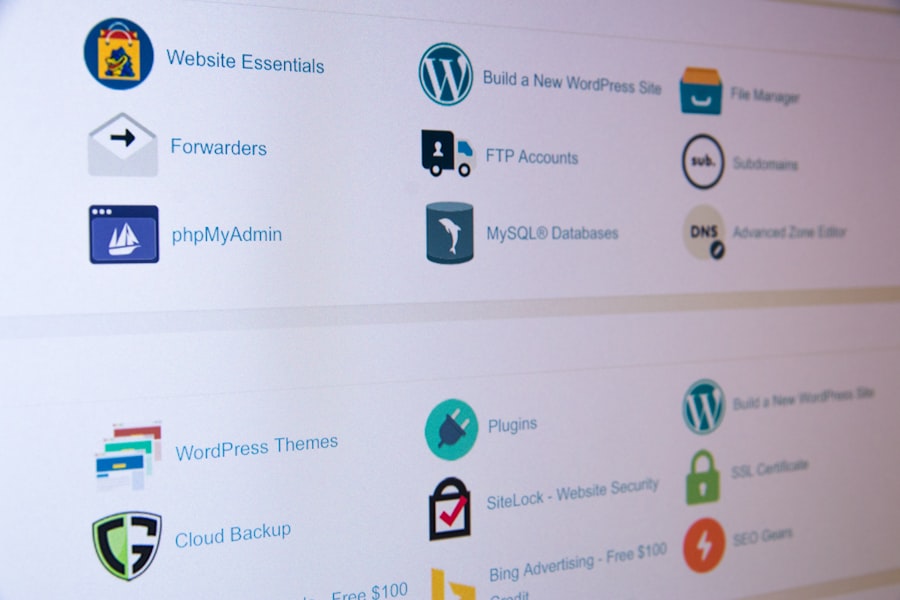
Consumer impatience is a phenomenon that has grown alongside the rise of digital technology. You may have experienced this firsthand when waiting for a website to load or for an ad to finish playing. Research shows that users are increasingly intolerant of delays, often abandoning sites that take too long to respond.
This impatience is rooted in the psychology of instant gratification; consumers have come to expect immediate results and quick access to information. Understanding this mindset is crucial for marketers like you. By recognizing that consumers are less likely to engage with content that requires them to wait, you can tailor your strategies accordingly.
This might involve optimizing your website for faster load times or creating ads that deliver their message quickly and effectively. By addressing consumer impatience head-on, you can enhance user experience and increase the likelihood of conversion.
How to Utilize Speed to Capture Audience Attention
To effectively capture audience attention, you must leverage speed in various aspects of your marketing strategy. One approach is to create concise and impactful messaging that delivers value quickly. You should aim to communicate your core message within the first few seconds of an ad or landing page visit.
This not only caters to the impatient consumer but also ensures that your key points are not lost in a sea of information. Additionally, consider using dynamic content that adapts based on user behavior. By analyzing data in real-time, you can present tailored messages that resonate with individual users, making them feel understood and valued.
This personalized approach can significantly enhance engagement rates and encourage users to interact with your brand further. Ultimately, by prioritizing speed in both messaging and delivery, you can create a compelling experience that captures and retains audience attention.
The Impact of Fast-loading Ads on User Experience
| Metric | Before Optimization | After Optimization | Impact |
|---|---|---|---|
| Average Page Load Time (seconds) | 6.5 | 2.3 | Reduced by 64.6% |
| Ad Bounce Rate (%) | 58 | 32 | Reduced by 26 percentage points |
| Click-Through Rate (CTR) (%) | 1.8 | 3.4 | Increased by 89% |
| Conversion Rate (%) | 2.1 | 3.7 | Increased by 76% |
| Average Session Duration (seconds) | 45 | 78 | Increased by 73.3% |
Fast-loading ads have a profound impact on user experience, shaping how consumers perceive your brand. When ads load quickly, they create a seamless browsing experience that keeps users engaged rather than frustrated. You may have noticed that when ads take too long to appear, users often abandon the page altogether, leading to lost opportunities for engagement and conversion.
Moreover, fast-loading ads contribute to a positive brand image. When users encounter smooth and efficient advertising experiences, they are more likely to associate those qualities with your brand. This perception can lead to increased trust and credibility, making users more inclined to explore your offerings further.
By prioritizing fast-loading ads, you not only enhance user experience but also strengthen your brand’s reputation in a competitive marketplace.
Leveraging Quick Response Times for Increased Conversions

Quick response times are essential for driving conversions in today’s fast-paced digital environment. When users interact with your ads or website, they expect immediate feedback and results. If you can provide quick responses—whether through chatbots, customer service interactions, or seamless navigation—you significantly increase the likelihood of converting casual visitors into loyal customers.
You should also consider implementing strategies such as retargeting ads that respond quickly to user behavior. For instance, if a user abandons their shopping cart, sending them a timely reminder or incentive can prompt them to complete their purchase. By leveraging quick response times effectively, you can create a sense of urgency and encourage users to take action before they lose interest or get distracted by other options.
The Influence of Speed on Ad Recall and Brand Recognition
Speed not only affects engagement but also plays a crucial role in ad recall and brand recognition. Research indicates that consumers are more likely to remember ads that deliver their messages quickly and efficiently.
Additionally, the speed at which an ad is consumed can influence how well it resonates with viewers. You may find that ads featuring rapid-fire visuals or concise messaging leave a lasting impression on consumers’ minds. By focusing on speed in your advertising efforts, you can enhance brand recall and ensure that your message sticks with potential customers long after they’ve seen it.
Implementing Accelerated Ad Engagement Strategies
To implement accelerated ad engagement strategies effectively, you must first analyze your current marketing efforts and identify areas for improvement. Start by assessing the load times of your ads and website; if they are slower than industry standards, consider optimizing images, reducing file sizes, or utilizing content delivery networks (CDNs) to enhance performance. Next, focus on creating engaging content that captures attention quickly.
This could involve using eye-catching visuals or crafting compelling headlines that draw users in immediately. You should also experiment with different formats—such as video ads or interactive content—that allow for faster consumption while still delivering value. By continuously testing and refining your strategies based on user feedback and performance metrics, you can create an agile marketing approach that prioritizes speed and engagement.
Case Studies: Successful Examples of Speed as a Marketing Tool
Examining successful case studies can provide valuable insights into how speed can be leveraged as a marketing tool. For instance, consider the approach taken by a well-known e-commerce platform that optimized its website for faster load times. By reducing page load times from several seconds to under two seconds, they saw a significant increase in conversion rates—proving that even minor improvements in speed can yield substantial results.
Another example is a mobile app developer who focused on creating quick-loading ads for their latest product launch. By utilizing short video clips that conveyed their message within seconds, they achieved higher engagement rates compared to traditional longer-format ads. These case studies illustrate how prioritizing speed can lead to tangible benefits in terms of user engagement and conversion rates.
Overcoming Challenges in Accelerating Ad Engagement
While the benefits of accelerating ad engagement are clear, there are challenges you may face along the way. One common obstacle is balancing speed with quality; you want to ensure that fast-loading ads do not compromise the overall message or visual appeal of your content. To overcome this challenge, focus on streamlining your creative process and utilizing tools that allow for efficient production without sacrificing quality.
Another challenge lies in keeping up with evolving consumer expectations regarding speed and engagement. As technology advances and user preferences shift, you must remain agile and adaptable in your marketing strategies. Regularly monitoring industry trends and consumer behavior will help you stay ahead of the curve and ensure that your efforts continue to resonate with your audience.
The Future of Speed in Marketing: Emerging Technologies and Trends
Looking ahead, the future of speed in marketing will be shaped by emerging technologies and trends that prioritize efficiency and user experience. Innovations such as 5G connectivity promise faster internet speeds, enabling marketers like you to deliver richer content without compromising load times. This advancement will open new avenues for creative advertising formats that engage users more effectively.
Additionally, artificial intelligence (AI) will play a significant role in optimizing ad delivery based on real-time data analysis. By leveraging AI algorithms, you can create personalized experiences that cater to individual user preferences while ensuring quick response times. As these technologies continue to evolve, embracing speed as a core component of your marketing strategy will be essential for staying competitive in an increasingly fast-paced digital landscape.
In conclusion, understanding the importance of speed in marketing is crucial for engaging today’s impatient consumers effectively. By prioritizing fast-loading ads, quick response times, and streamlined messaging, you can enhance user experience and drive conversions while building lasting relationships with your audience. As technology continues to advance, staying ahead of emerging trends will ensure that your marketing efforts remain relevant and impactful in the years to come.
In the digital marketing landscape, speed is crucial for retaining visitors and reducing bounce rates. An insightful article that complements the discussion on how faster load times can enhance ad performance is Accelerate Your WordPress Site: Mastering Core Web Vitals 2025. This piece delves into the importance of optimizing website speed and performance metrics, providing valuable strategies that can help marketers improve user experience and engagement.
FAQs
What is the relationship between website speed and ad bounce rates?
Faster website load times generally lead to lower ad bounce rates because users are more likely to stay and engage with content when pages load quickly. Slow load times can frustrate users, causing them to leave before interacting with ads.
How does improving load times benefit marketing efforts?
Improving load times enhances user experience, increases engagement, and reduces bounce rates. This leads to higher conversion rates, better ad performance, and improved return on investment for marketing campaigns.
What factors influence website load speed?
Website load speed is influenced by factors such as server performance, image and video optimization, use of content delivery networks (CDNs), efficient coding practices, and minimizing the use of heavy scripts or plugins.
Can faster load times impact search engine rankings?
Yes, search engines like Google consider page speed as a ranking factor. Faster websites are more likely to rank higher in search results, which can increase organic traffic and improve marketing outcomes.
What tools can marketers use to measure website speed?
Marketers can use tools such as Google PageSpeed Insights, GTmetrix, Pingdom, and WebPageTest to analyze website load times and identify areas for improvement.
Is there an ideal load time for reducing ad bounce rates?
While the ideal load time can vary, studies suggest that websites should aim to load within 2-3 seconds to minimize bounce rates and keep users engaged with ads and content.
How can marketers optimize ads to load faster?
Marketers can optimize ads by using lightweight ad formats, compressing images, limiting the use of heavy scripts, and ensuring ads are asynchronously loaded to prevent delays in page rendering.
Does mobile website speed affect ad bounce rates differently than desktop?
Yes, mobile users often have less patience for slow load times due to varying network speeds and device capabilities. Optimizing mobile load speed is crucial for reducing bounce rates and improving ad effectiveness on mobile devices.









Add comment