

You’ve worked tirelessly to build your online presence, meticulously crafting your products or services, perfecting your marketing strategies, and optimizing your user experience. You understand that trust is the bedrock of any successful business, especially in the digital realm. But how do you convey that trust to a complete stranger, a potential new customer who might be hesitant to share their personal or financial information with an unfamiliar entity? The answer, increasingly, lies in a small, yet profoundly powerful detail: SSL. Secure Sockets Layer, or its successor Transport Layer Security (TLS), is no longer an optional security measure; it’s a fundamental expectation, a visual cue that speaks volumes about your commitment to customer safety. In today’s hyper-aware digital landscape, where data breaches are a constant headline and privacy concerns loom large, an unencrypted website is a red flag, a glaring omission that can instantly erode confidence and send potential new customers fleeing to a competitor. Conversely, the presence of SSL, signified by that reassuring padlock icon and the “https://” prefix, acts as an immediate trust signal, a silent promise that you value their security and are serious about protecting their sensitive data. This isn’t just about technical compliance; it’s about psychological comfort, about making new customers feel genuinely safe and confident enough to explore your offerings and, ultimately, make a purchase.
Understanding the Visual Cues of Trust
When a new customer lands on your website, their initial impression is crucial. They are scanning for indicators that you are a legitimate and trustworthy business. One of the most immediate and impactful visual cues they’ll encounter, often without even consciously realizing it, is the presence or absence of SSL. The browser itself acts as a critical intermediary in this communication of trust, displaying prominent indicators that signal the security status of your connection. These visual cues are universally recognized and understood, guiding users toward safe browsing environments.
The Padlock Icon and “https://” Prefix
Imagine a potential customer, perhaps referred by a friend, arriving at your online store. Their eyes will naturally gravitate towards the browser’s address bar. What they see there can either instill confidence or trigger alarm bells. The most iconic and widely recognized symbol of a secure connection is the padlock icon. This small, closed padlock, typically displayed to the left of your website’s URL, is an instant indicator that the connection is encrypted. Alongside this, the URL itself will begin with “https://” instead of the standard “http://”. The “s” in “https” explicitly stands for “secure,” communicating that all data transmitted between their browser and your server is encrypted and protected from eavesdropping.
Think of it like this: the padlock is a visual bouncer at the door of your digital establishment, indicating that only authorized and encrypted data can pass through. The “https://” is the official stamp of approval, confirming that the security protocols are in place. For a new customer, encountering these familiar symbols provides immediate reassurance. They’ve been conditioned by years of internet use to associate these indicators with safety. Without them, even if your website is perfectly legitimate, a shadow of doubt can easily creep in. The absence of the padlock or the presence of an “http://” prefix will often trigger a “Not Secure” warning in modern browsers, a stark and unambiguous message that can instantly scare away hesitant newcomers. This isn’t just about advanced users; even the most technologically unsophisticated individuals have learned to look for these basic trust signals.
Browser Warnings for Non-Secure Sites
The evolution of web browsers has placed a significant emphasis on user security. Modern browsers are designed to actively warn users when they are about to interact with a website that lacks proper encryption. This proactive approach by browser developers is a double-edged sword for website owners. While it protects users, it also places immense pressure on businesses to adopt SSL. If your website is still operating on HTTP, a new customer will likely be confronted with a prominent “Not Secure” warning in their browser’s address bar. This warning isn’t subtle; it’s often highlighted in red or with a bold message, making it impossible to ignore.
This warning acts as a significant deterrent. Imagine walking into a physical store where a large sign at the entrance declared, “This premises is not secure. Your belongings may be stolen.” Would you feel comfortable entering, let alone making a purchase? The digital equivalent of this warning is equally unsettling. It immediately raises questions about your website’s integrity and your commitment to protecting customer data. A new customer, already on guard due to being unfamiliar with your brand, is highly likely to interpret this warning as a signal to leave immediately. They might assume that their personal information, such as names, addresses, or credit card details, would be vulnerable if they proceeded. This immediate distrust, often subconscious, creates an insurmountable barrier to conversion. They might rationalize that if you can’t even get basic security right, what other corners might you be cutting? The impression left by these browser warnings is long-lasting and can severely damage your reputation even before a customer has had a chance to explore your offerings.
In addition to understanding why SSL makes new customers feel safe on your website, it’s essential to consider how to create a trustworthy online presence overall. A related article that can help you with this is titled “How to Start a Blog in 2023,” which offers valuable insights into building a credible platform that attracts and retains visitors. You can read it here: How to Start a Blog in 2023. This resource provides practical tips on establishing your blog, ensuring that your audience feels secure and engaged from the very beginning.
Protecting Sensitive Information
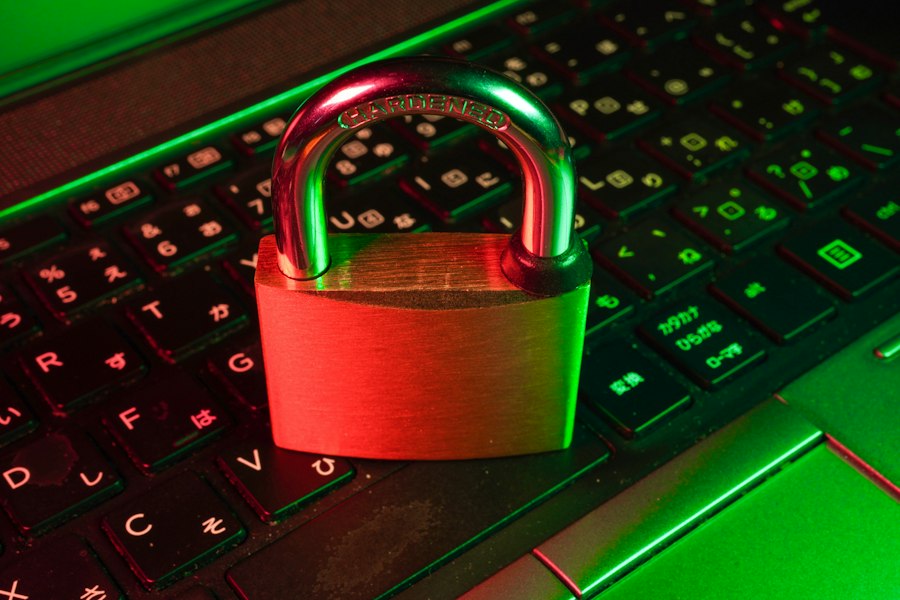
At its core, SSL’s primary function is to encrypt data transmitted between a user’s browser and your website’s server. This encryption is absolutely paramount when dealing with any form of sensitive information. New customers, especially, are acutely aware of the risks involved in sharing their personal details online, and they expect you to take every possible measure to safeguard that information. Your commitment to data protection is a direct reflection of your credibility and trustworthiness.
Encryption of Personal and Financial Data
Consider the types of information a new customer might share on your website. This could range from their name and email address when signing up for a newsletter, to their shipping address and phone number when placing an order, to their most sensitive financial details like credit card numbers or bank account information during a transaction. Without SSL, all of this data is transmitted in plain text. This means that if an attacker were to intercept the communication between the customer’s browser and your server, they could easily read and steal this information. This is akin to sending a postcard with all your personal details written openly on it; anyone who handles the postcard can read it.
SSL changes this by establishing an encrypted connection. When a customer initiates a connection with your SSL-protected website, a secure handshake occurs, generating unique cryptographic keys. From that point onwards, all data exchanged is scrambled into an unreadable format. If an attacker intercepts this encrypted data, all they see is gibberish – a meaningless string of characters that cannot be deciphered without the correct decryption key. This level of protection is essential for instilling confidence. A new customer knows that their credit card number, their home address, and their identity are safe from malicious eyes. This knowledge removes a significant psychological barrier to making a purchase or signing up for a service. They understand that you have invested in technology to protect them, and that investment speaks volumes about your integrity as a business.
Preventing Man-in-the-Middle Attacks
One of the most insidious threats that SSL effectively mitigates is the “man-in-the-middle” (MITM) attack. In an MITM attack, an attacker secretly intercepts and relays communications between two parties who believe they are communicating directly with each other. The attacker can then eavesdrop on the conversation, or even alter the data being exchanged, without either party being aware of the intrusion. Imagine someone secretly listening in on your phone call and whispering false information to both you and the person you’re talking to, all without your knowledge.
On an unencrypted website, a new customer’s interaction is highly vulnerable to MITM attacks. An attacker could set up a rogue Wi-Fi hotspot, or exploit network vulnerabilities, to position themselves between the customer’s device and your server. They could then intercept the customer’s login credentials, credit card details, or other sensitive information as it is being transmitted. Even worse, they could potentially alter the content of your website, injecting malicious code or redirecting the customer to a fake website designed to steal their information.
SSL prevents MITM attacks by ensuring the integrity and authenticity of the connection. When a customer connects to an SSL-secured website, the SSL certificate verifies the identity of your server. This means the customer’s browser can be sure that it is indeed communicating with your legitimate website, and not an imposter. Furthermore, because all data is encrypted, even if an attacker manages to intercept the communication, they cannot read or alter the data without detection. Any tampering with the encrypted data would be immediately obvious to the browser, leading to security warnings. This protection is vital for new customers, as it assures them that their interactions with your website are private and that the information they see and submit is genuinely from your business and has not been tampered with.
The Professionalism and Credibility Factor

Beyond the technical aspects of security, SSL contributes significantly to the overall perception of your website’s professionalism and credibility. In a crowded online marketplace, these factors can be decisive in attracting and retaining new customers. An SSL certificate signals that you are a serious, legitimate entity that takes its responsibilities seriously.
Building Trust through a Secure Environment
When a new customer encounters your website, they are subconsciously evaluating your brand. Is this a legitimate business? Do they take their customers seriously? Do they invest in quality? The presence of SSL answers many of these questions positively, even before a customer has delved into your product catalog or read your “About Us” page. It demonstrates a foundational level of competence and care.
Think of it like the difference between a meticulously maintained brick-and-mortar store with clear signage, secure entryways, and well-trained staff, versus a dingy, dimly lit shop with broken locks and unclear pricing. Which one would you feel more comfortable entering, let alone spending your money in? Your website’s security is its digital equivalent of curb appeal and internal integrity. An SSL certificate shows that you have invested in the necessary infrastructure to operate a secure online business. It indicates that you are aware of industry best practices and are committed to protecting your users. This level of professionalism builds trust organically. New customers perceive your website as a safe haven where their online activities are protected, fostering a positive initial experience that encourages further exploration and engagement.
Meeting Industry Standards and Expectations
The internet landscape has evolved dramatically, and with it, customer expectations. What was once considered a “nice-to-have” security feature, SSL, has now become a universally expected baseline. Major browsers, search engines, and even payment processors have pushed for widespread SSL adoption, making it an industry standard. If you’re not meeting this standard, you’re not just lacking a feature; you’re falling behind.
New customers, especially those who are tech-savvy or frequent online shoppers, are acutely aware of these standards. They know that reputable businesses use SSL. When they encounter a website that lacks it, it immediately raises red flags. It suggests that your business might be outdated, unprofessional, or worse, negligent about customer safety. This perception can severely undermine your credibility, leading potential customers to question the overall quality and reliability of your products or services.
Furthermore, many third-party services that you might integrate with your website, such as payment gateways (e.g., Stripe, PayPal), require SSL to function. They will not process transactions on an unencrypted site due to the inherent security risks. This means that without SSL, you might not even be able to offer fundamental e-commerce functionalities, effectively shutting out new customers who wish to make a purchase. By adopting SSL, you’re not just meeting a technical requirement; you’re signaling to new customers that you are a modern, responsible, and compliant business that understands and adheres to contemporary online security best practices.
Impact on Search Engine Rankings
Beyond directly influencing customer perception, SSL also plays a crucial, albeit indirect, role in attracting new customers by affecting your visibility in search engine results. Search engines like Google prioritize secure websites, actively boosting their rankings and ensuring that potential customers are directed to safe online environments.
Google’s Prioritization of HTTPS
In a landmark announcement in 2014, Google explicitly stated that HTTPS is a ranking signal. This means that websites with SSL certificates are given a slight advantage in search engine results pages (SERPs) compared to their HTTP counterparts, all other factors being equal. While it might not be the most powerful ranking factor, it’s a significant one, especially in competitive markets where every advantage counts.
Think about it from Google’s perspective: their primary goal is to provide users with the best possible experience, which includes guiding them to safe and reliable websites. Recommending an unencrypted website, particularly one that might handle sensitive information, would be a disservice to their users. By prioritizing HTTPS sites, Google effectively encourages website owners to adopt SSL, thereby making the entire web a safer place.
For new customers, this has direct implications. When they search for products, services, or information related to your business, Google is more likely to present them with SSL-secured websites higher in the search results. If your site is still on HTTP, you might find yourself lagging behind competitors who have embraced HTTPS, even if your content quality is superior. This reduced visibility means fewer opportunities for new customers to even discover your website in the first place, severely limiting your potential for growth. Ensuring your site is HTTPS-enabled is therefore not just a security measure, but a critical SEO strategy to ensure new customers can find you.
Improved User Experience and Reduced Bounce Rates
While direct ranking signals are important, Google also heavily emphasizes user experience (UX) as a factor in its algorithm. Websites that offer a poor UX tend to have higher bounce rates (users leaving quickly) and lower engagement, which can negatively impact rankings. The lack of SSL, as discussed earlier, directly contributes to a poor user experience for new customers.
When a new customer lands on an HTTP site and immediately sees a “Not Secure” warning from their browser, their trust is instantly eroded. This often leads to an immediate “bounce” – they leave your site without exploring its content. High bounce rates signal to Google that users are not finding your site helpful or trustworthy, which can lead to a demotion in search rankings over time. Conversely, an SSL-secured website provides a seamless and reassuring experience. The absence of warnings, the familiar padlock, and the “https://” prefix all contribute to a sense of safety and professionalism. This comfort encourages new customers to stay longer, explore more pages, and engage with your content – all positive signals for Google.
Moreover, if your site is secure, new customers are more likely to share your content, link to your pages, and spread positive word-of-mouth, further boosting your SEO. In essence, SSL contributes to a positive feedback loop: it makes your site safer, which improves UX, which leads to better engagement, which improves search rankings, which then brings in even more new customers. Ignoring SSL today means actively hindering your chances of being discovered by the very customers you are trying to attract.
Understanding the importance of SSL in building customer trust is crucial for any online business. A related article discusses how effective business hosting can significantly enhance your online sales and revenue, which complements the security aspect provided by SSL. By ensuring that your website is both secure and well-hosted, you create a more inviting environment for potential customers. For more insights on this topic, you can read the article on how business hosting can boost your online sales and revenue.
The Future of Online Trust and Your Reputation
| Metric | Value | Explanation |
|---|---|---|
| Percentage of Users Who Trust SSL Websites | 85% | Majority of users feel more secure when a website uses SSL encryption. |
| Increase in Conversion Rate with SSL | 20% | Websites with SSL certificates see a 20% higher conversion rate on average. |
| Reduction in Cart Abandonment | 15% | SSL-secured sites experience a 15% decrease in shopping cart abandonment. |
| Percentage of Users Who Recognize HTTPS | 70% | 70% of users notice the HTTPS prefix and associate it with security. |
| Impact on Search Engine Ranking | Positive | Search engines favor SSL-enabled websites, improving visibility and trust. |
| Data Encryption Strength | 256-bit | SSL typically uses 256-bit encryption to protect user data from interception. |
The internet is not static, and the expectations around online security are only growing. What was once considered optional is now mandatory, and what is mandatory today may be surpassed by even stricter requirements tomorrow. For your business, this means thinking proactively about your online security, not just reacting to current trends. SSL is an investment in your future reputation and sustained customer trust.
Staying Ahead of Evolving Security Standards
The push for a fully encrypted web is relentless. Browser developers are continually enhancing their security features and making it harder for unencrypted sites to operate without significant user warnings. What starts as a subtle warning can quickly escalate to full-page interstitial blocks, effectively preventing users from accessing your site at all. Governments are also introducing stricter data privacy regulations, such as GDPR in Europe and CCPA in California, which often implicitly or explicitly require robust security measures like SSL for handling personal data.
By implementing SSL today, you are not just complying with current best practices; you are positioning your business to be ready for future security demands. You are building a resilient foundation that can adapt to upcoming changes without requiring a reactive overhaul. New customers are increasingly sophisticated about online security. They read the news, they hear about data breaches, and they expect businesses to be proactive in protecting their information. A business that embraces advanced security measures demonstrates foresight and a commitment to long-term customer welfare. This foresight translates into a reputation for reliability and trustworthiness, which is invaluable in attracting a steady stream of new customers. If you are seen as a forward-thinking, security-conscious entity, new customers will be more inclined to choose you over competitors who appear to be lagging behind.
Safeguarding Your Brand’s Image and Future Growth
Your brand’s image is one of your most valuable assets. In the digital age, a single security lapse or a widespread perception of being an “unsafe” website can cause irreparable damage to that image. Imagine a scenario where a major browser decides to block all HTTP sites entirely, or where a data breach originating from your unencrypted site makes headlines. The negative publicity, the loss of customer trust, and the potential legal ramifications could be devastating, potentially putting your entire business at risk.
SSL acts as a foundational layer in safeguarding your brand’s reputation. It’s a visible declaration that you care about your customers and their data. This commitment fosters a sense of loyalty among existing customers and, crucially, provides a strong positive signal to new customers. When they see that you prioritize security, they feel more comfortable engaging with your brand, sharing their information, and making purchases. This trust forms the bedrock of customer retention and positive word-of-mouth, which are vital for sustainable growth.
Ignoring SSL, conversely, sends a message of indifference or incompetence. It suggests that you are either unaware of or unconcerned with modern security best practices. This perception can alienate potential new customers, drive them to competitors, and ultimately stunt your business’s ability to grow. In today’s competitive online environment, where choice is abundant, providing a secure and trustworthy experience is not just good practice; it’s a fundamental requirement for attracting and retaining the new customers that will fuel your success. Investing in SSL is an investment in your brand’s longevity, its reputation, and its future profitability.
FAQs
What is SSL and how does it work?
SSL, or Secure Sockets Layer, is a standard security protocol that establishes an encrypted link between a web server and a browser. It ensures that all data transmitted between the server and the user remains private and integral. When a user visits a website with SSL, their browser and the server communicate using encryption, making it difficult for third parties to intercept or tamper with the data.
Why is SSL important for online businesses?
SSL is crucial for online businesses as it helps protect sensitive customer information, such as credit card details and personal data, from cyber threats. By implementing SSL, businesses can build trust with their customers, as users are more likely to feel secure when they see the padlock icon in the browser’s address bar, indicating a secure connection.
How does SSL affect customer trust?
SSL significantly enhances customer trust by demonstrating that a website takes security seriously. When customers see that a website is secured with SSL, they are more likely to feel confident in making purchases or sharing personal information. This trust can lead to increased conversion rates and customer loyalty.
What are the visible indicators of SSL on a website?
Visible indicators of SSL on a website include the padlock icon in the address bar, the “https://” prefix in the URL, and sometimes a green address bar for extended validation certificates. These indicators signal to users that their connection is secure and that the website has undergone verification processes to ensure its legitimacy.
Can SSL improve a website’s search engine ranking?
Yes, SSL can improve a website’s search engine ranking. Search engines like Google consider SSL as a ranking factor, meaning that websites with SSL certificates may receive a boost in their search engine results. This can lead to increased visibility and traffic, further enhancing the potential for customer engagement and sales.









Add comment