
You’re constantly striving for excellence in your online endeavors, whether you’re a burgeoning entrepreneur launching your first e-commerce store, a seasoned developer managing complex web applications, or a blogger aiming for a widespread audience. In this digital landscape, speed and responsiveness are not just desirable – they are essential. Your users expect instant gratification, and search engines reward websites that deliver it. This is where the often-overlooked hero of hosting performance steps in: NVMe storage. If you’re still relying on traditional hard drives (HDDs) or even older solid-state drives (SATA SSDs), you’re leaving significant performance gains on the table. It’s time to understand why NVMe is not just an upgrade, but a fundamental shift that can revolutionize your hosting experience.
You might be wondering why your website, despite being hosted on a powerful server with ample RAM and a fast CPU, still experiences occasional slowdowns. More often than not, the culprit lies in the storage subsystem. Data has to travel from the storage device, through the server’s various components, and then to your user’s browser. If this data transfer pipeline is sluggish, everything else grinds to a halt.
The Legacy of HDDs: A Mechanical Constraint
Remember the spinning platters and read/write heads of a traditional Hard Disk Drive (HDD)? While they offered vast storage capacities at an affordable price, their mechanical nature presents inherent limitations. Imagine a library where every book is scattered randomly, and a librarian has to physically walk and find each one. This is analogous to how an HDD operates.
- Mechanical Latency: The physical movement of the read/write head across the platters introduces significant latency. Every request for data requires this mechanical dance, leading to delays, especially with multiple, simultaneous requests.
- Rotational Delay: You’re forced to wait for the desired sector of the platter to rotate under the read/write head. This adds another layer of unavoidable delay.
- Fragile Nature: HDDs are sensitive to physical shock, making them less reliable in certain environments.
- Lower IOPS: Input/Output Operations Per Second (IOPS) is a crucial metric for storage performance, indicating how many read/write operations a storage device can handle per second. HDDs deliver significantly lower IOPS compared to solid-state solutions.
The Evolution to SATA SSDs: A Step in the Right Direction
Solid-State Drives (SSDs) were a game-changer, removing the mechanical constraints of HDDs entirely. Instead of spinning platters, they use NAND flash memory chips to store data. This immediately eliminated rotational and seek delays.
- No Moving Parts: This leads to increased durability, reduced noise, and better energy efficiency.
- Faster Access Times: Data can be accessed much quicker as there are no physical components to move.
- Higher IOPS: SATA SSDs offer a significant boost in IOPS compared to HDDs, making them ideal for many web hosting scenarios.
However, even with SATA SSDs, you’re still encountering a bottleneck, albeit a less obvious one. The Serial ATA (SATA) interface, while an improvement over older IDE interfaces, was originally designed for HDDs. It simply wasn’t built to fully exploit the incredibly fast nature of flash memory. You’re essentially putting a high-performance engine into a car designed for a slower one. The SATA interface and its associated AHCI (Advanced Host Controller Interface) protocol introduce overheads that limit the full potential of SSDs.
In addition to understanding how NVMe storage enhances hosting performance, you may find it beneficial to explore the article on launching an online store, which provides a comprehensive step-by-step guide for transitioning your brick-and-mortar business to the digital realm. This resource can help you leverage improved hosting capabilities, such as those offered by NVMe technology, to create a seamless online shopping experience. For more insights, check out the article here: Launching Your Brick-and-Mortar Store Online: A Step-by-Step Guide.
Introducing NVMe: Unleashing the True Potential of Flash Storage
This is where NVMe (Non-Volatile Memory Express) redefines storage performance. Instead of being an incremental improvement, NVMe is a revolutionary protocol designed from the ground up specifically for high-speed flash storage. It bypasses the limitations of SATA and AHCI by communicating directly with the CPU over the PCIe (Peripheral Component Interconnect Express) bus.
Direct Communication via PCIe: Cutting Out the Middleman
Think of the PCIe bus as a superhighway within your server, providing direct lanes for high-speed communication between components.
- Dedicated Lanes: Unlike SATA, which funnels all data through a slower, shared channel, NVMe utilizes multiple PCIe lanes, creating a wide, direct pathway to the CPU. This is akin to upgrading from a crowded single-lane road to a multi-lane express highway.
- Reduced Latency: By eliminating the SATA controller and AHCI protocol, NVMe significantly reduces latency. Data travels more directly and with fewer processing steps.
Optimized for Parallelism: Handling More Requests Simultaneously
Modern applications and websites often generate numerous simultaneous requests for data. NVMe is inherently designed to handle this parallel workload efficiently.
- Deeper Command Queues: NVMe allows for significantly deeper command queues than SATA. Imagine a queue at a till. SATA might allow a few customers to line up, while NVMe allows hundreds. This means more read/write requests can be processed concurrently.
- Multiple Queues: NVMe also supports multiple I/O queues. This is like having several tills open simultaneously, further enhancing parallel processing capabilities and reducing bottlenecks for multi-threaded applications.
Form Factor Innovations: Compact and Efficient
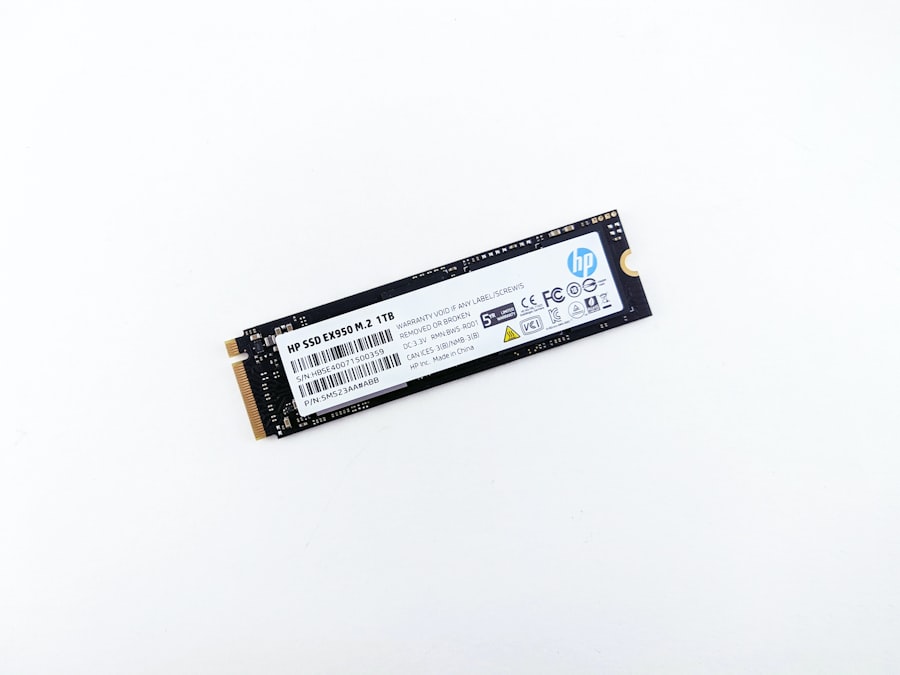
NVMe drives come in various form factors, but the most common for servers are M.2 and U.2.
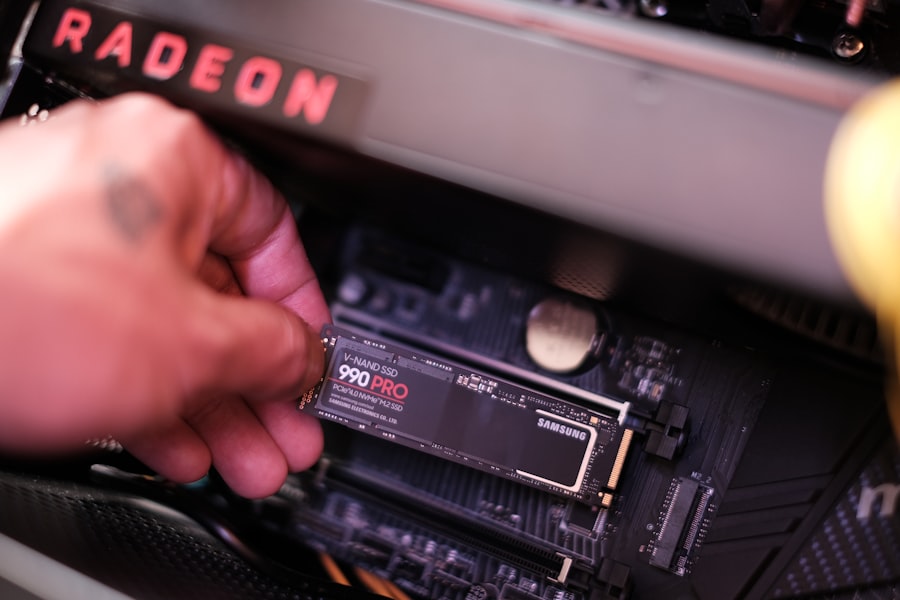
- M.2 Form Factor: These small, stick-like drives plug directly into your server’s motherboard, saving space and improving airflow.
- U.2 Form Factor: These are typically hot-swappable drives, often used in enterprise environments, offering both high performance and flexibility.
The Tangible Benefits of NVMe for Your Hosting Performance
Now that you understand the underlying technology, let’s delve into the practical advantages you’ll experience by moving to NVMe storage for your hosting. These benefits translate directly into a better experience for your users and improved operational efficiency for you.
Blazing-Fast Website Loading Times: The Ultimate User Experience
This is arguably the most impactful benefit. Slow loading times are a significant turn-off for website visitors and can lead to high bounce rates. With NVMe, your website’s static assets, databases, and dynamic content load almost instantaneously.
- Faster WordPress/CMS Loading: If you’re running a WordPress, Joomla, or Drupal site, database queries, plugin loading, and theme rendering will be dramatically quicker. Your administrative backend will also feel much more responsive.
- E-commerce Transaction Speed: For online stores, fast loading product pages, quick checkout processes, and rapid database lookups for inventory and user information are critical. NVMe ensures a smooth, frustration-free shopping experience, directly impacting your conversion rates.
- Improved SEO Rankings: Search engines like Google prioritize websites that load quickly. By boosting your site speed with NVMe, you’re positively influencing your search engine optimization (SEO) and improving your visibility.
Enhanced Database Performance: Powering Data-Intensive Applications
Many modern web applications are heavily reliant on databases. Whether it’s a MySQL, PostgreSQL, MongoDB, or other database, the speed at which it can read and write data is paramount.
- Rapid Query Execution: Database queries, especially complex ones involving joins and aggregations, will execute significantly faster. This means less waiting time for your applications to retrieve information.
- Faster Data Writes: If your application involves frequent data writes (e.g., user registrations, content uploads, logging), NVMe ensures these operations are completed with minimal delay, reducing the risk of bottlenecks and data corruption.
- Optimized for High Traffic: During peak traffic periods, your database can become a bottleneck. NVMe’s high IOPS and low latency allow it to handle a much larger volume of concurrent database operations without slowing down.
Superior Responsiveness for Dynamic Applications: Where Every Millisecond Counts
Beyond static websites, if you run applications that involve real-time interactions, data processing, or complex computations, NVMe provides the backbone for optimal performance.
- API Response Times: If your server hosts APIs, NVMe will significantly reduce the latency in responding to API requests, leading to snappier applications that consume your services.
- Real-time Analytics and Reporting: Applications that generate real-time reports or analytics often perform intensive data reads. NVMe ensures these reports populate quickly, giving you up-to-the-minute insights.
- High-Concurrency Environments: For forums, chat applications, gaming servers, or other environments with many concurrent users performing diverse operations, NVMe provides the necessary throughput and low latency to maintain a fluid experience for everyone.
Improved Server Stability and Reliability: Fewer Headaches for You
While performance is a key driver, the enhanced stability and reliability offered by NVMe should not be underestimated.
- Reduced I/O Wait Times: With NVMe, your CPU spends less time waiting for data from storage. This frees up CPU cycles for other tasks, making your server more efficient and less prone to becoming overloaded.
- Better Resource Utilization: Your server’s CPU and RAM can be more effectively utilized when the storage subsystem isn’t bottlenecking performance. This translates to more stable operation even under heavy loads.
- Durability and Longevity: As SSDs, NVMe drives are inherently more durable than HDDs due to the lack of moving parts. While flash memory has a finite number of write cycles, enterprise-grade NVMe drives are designed for substantial endurance, offering excellent longevity.
Factors to Consider When Opting for NVMe Hosting
You’re convinced, and you want to make the switch. But before you jump in, there are a few important considerations to ensure you choose the right NVMe hosting solution for your specific needs.
Not All NVMe Drives Are Created Equal: Understanding Performance Tiers
Just like with regular SSDs, there’s a range of performance and cost within the NVMe landscape. Not every NVMe drive will offer the same peak performance.
- Consumer vs. Enterprise NVMe: Consumer-grade NVMe drives are fantastic for personal use, but enterprise-grade drives are built for the demanding 24/7 workloads of servers. They offer higher endurance (rated by DWPD – Drive Writes Per Day), more consistent performance, and often include power-loss protection features. For hosting, you’ll want to ensure your provider uses enterprise-grade NVMe.
- PCIe Generation: NVMe drives communicate over PCIe. The generation of PCIe (e.g., PCIe Gen3, Gen4, Gen5) impacts the theoretical maximum bandwidth. While Gen3 is still incredibly fast, newer generations offer even higher speeds. For most web hosting, Gen3 or Gen4 NVMe will provide a substantial boost.
- Controller and Firmware: The controller chip and firmware on an NVMe drive play a crucial role in its performance, efficiency, and longevity. Reputable hosting providers will use drives from trusted manufacturers with robust controllers and optimized firmware.
Shared Hosting vs. VPS/Dedicated NVMe: Tailoring to Your Needs
Your hosting environment heavily influences how much benefit you’ll derive from NVMe, and what type of NVMe solution you need.
- Shared NVMe Hosting: Some shared hosting providers now offer NVMe storage. While it will still be faster than traditional shared hosting, you’re sharing resources with other users. The “noisy neighbor” effect can still impact your performance, even with fast storage.
- NVMe VPS (Virtual Private Server): A VPS gives you dedicated resources within a shared physical server. An NVMe VPS is an excellent compromise, offering significant performance improvements and more control than shared hosting, at a more affordable price than a dedicated server. You get your own allocated portion of NVMe storage.
- Dedicated NVMe Server: For the ultimate in performance, control, and security, a dedicated server with NVMe drives is the pinnacle. You get an entire physical server and its NVMe storage exclusively for your use. This is ideal for high-traffic websites, complex applications, and mission-critical systems.
Pricing and Value: Balancing Cost and Performance
NVMe hosting is generally more expensive than traditional HDD or even SATA SSD hosting. This is due to the higher cost of the drives themselves and the infrastructure required to support them.
- Cost-Benefit Analysis: You need to weigh the increased cost against the performance benefits. For a small personal blog, the slight performance bump might not justify a much higher price. For an e-commerce site or a high-traffic application, the improved user experience and potential for increased conversions can easily offset the additional cost.
- Look Beyond Raw GB: Don’t just compare prices based on gigabytes alone. Consider IOPS, latency guarantees, and the overall server specifications (CPU, RAM) when evaluating NVMe hosting plans. A smaller amount of NVMe storage might outperform a larger amount of slower storage for many applications.
- Managed vs. Unmanaged: Consider whether you need managed NVMe hosting (where the provider handles server administration, security, backups, etc.) or prefer an unmanaged solution where you have full control but are responsible for everything yourself.
In exploring the benefits of NVMe storage for enhancing hosting performance, it’s also essential to consider the security aspects of web hosting. A related article discusses the top security features your web host should offer in 2023, which can significantly complement the speed improvements provided by NVMe technology. By ensuring that your hosting environment is both fast and secure, you can create a robust foundation for your online presence. For more insights on this topic, check out the article on top security features your web host should offer.
Making the Switch: How to Migrate to NVMe Hosting
| Metrics | Improvement |
|---|---|
| Latency | Significantly reduced compared to traditional storage |
| IOPS (Input/Output Operations Per Second) | Dramatically increased, leading to faster data access |
| Throughput | Greatly improved, allowing for faster data transfer |
| Scalability | Enhanced, enabling support for more demanding workloads |
| Reliability | Higher level of data integrity and fault tolerance |
You’ve decided NVMe is the way to go. The migration process, while seeming daunting, is usually straightforward with the right hosting provider.
Partnering with a Reputable Hosting Provider: Your Key to Success
Choosing the right hosting provider is paramount. They should not only offer NVMe, but also have the expertise to implement and support it effectively.
- NVMe-Optimized Infrastructure: Look for providers who have specifically designed their infrastructure around NVMe, not just tacked NVMe drives onto old servers. This includes ensuring their servers have sufficient PCIe lanes and robust power delivery.
- Migration Support: Many providers offer assisted migration services. This can be invaluable, as they’ll handle the complexities of transferring your data, databases, and configurations to the new NVMe environment.
- Technical Support: Ensure their support team is knowledgeable about NVMe and can assist you with any performance tuning or troubleshooting questions you might have.
- Backup and Recovery: A robust backup and disaster recovery plan is crucial, regardless of your storage type. Confirm your NVMe host offers reliable backup solutions.
The Migration Process: What to Expect
While specifics vary by provider, a general migration process might look something like this:
- Data Backup: The first and most critical step is to perform a full backup of your existing website files, databases, and any other critical data.
- New NVMe Account Setup: Your provider will set up your new NVMe hosting account or server.
- Data Transfer: Your data will be transferred from your old hosting to the new NVMe environment. This can be done via various methods (e.g., cPanel backup/restore, SSH file transfer, database dumps).
- Configuration Validation: You’ll need to ensure all configurations (database connection strings, file paths, web server settings) are correctly set up on the new server.
- Staging Environment Testing: Ideally, you’ll point a temporary domain or modify your hosts file to test your website on the new NVMe environment before going live. This allows you to identify and fix any issues without impacting your live site.
- DNS Propagation: Once thoroughly tested, you’ll update your domain’s DNS (Domain Name System) records to point to the new server’s IP address. There will be a propagation period (typically 24-48 hours) where visitors might still be directed to your old server until the DNS changes fully update across the internet.
Post-Migration Optimization: Fine-Tuning for Peak Performance
Once you’re on NVMe, don’t stop there! You can further optimize your setup to leverage the new speed.
- Database Optimization: With faster storage, you might find that certain database queries that were previously slow due to I/O bottlenecks can now be executed more efficiently. Re-evaluate your database indexes and query structures.
- Caching Layers: While NVMe is fast, caching (server-side, CDN, browser caching) remains vitally important. You can often reduce the load on your NVMe storage by serving cached content, allowing the NVMe to handle dynamic content with maximum efficiency.
- Content Delivery Network (CDN): A CDN will distribute your static assets (images, CSS, JavaScript) to edge servers closer to your users, further reducing latency and load on your origin NVMe server.
- Application-Level Optimizations: Review your application code for any lingering bottlenecks. Even with lightning-fast storage, inefficient code can still slow things down.
In conclusion, you have a crucial choice to make regarding your hosting infrastructure. By understanding the limitations of older storage technologies and embracing the unparalleled performance of NVMe, you can unlock a new level of speed, responsiveness, and reliability for your online presence. Don’t settle for sub-optimal performance. Invest in NVMe hosting, and empower your website and applications to thrive in today’s demanding digital world. The benefits for your users, your search engine rankings, and your peace of mind are simply too significant to ignore. Make the switch, and watch your online ventures accelerate.
FAQs
What is NVMe storage?
NVMe (Non-Volatile Memory Express) is a storage protocol designed for modern storage media such as SSDs (Solid State Drives) to take advantage of the high-speed capabilities of these devices.
How does NVMe storage improve hosting performance?
NVMe storage improves hosting performance by significantly reducing latency and increasing data transfer speeds, resulting in faster access to data and improved overall system responsiveness.
What are the benefits of using NVMe storage for hosting?
Some benefits of using NVMe storage for hosting include faster data access, reduced latency, improved application performance, and better overall user experience for website visitors.
Is NVMe storage compatible with existing hosting infrastructure?
NVMe storage is compatible with most modern hosting infrastructure, but it may require hardware and software upgrades to fully take advantage of its capabilities.
Are there any potential drawbacks to using NVMe storage for hosting?
While NVMe storage offers significant performance benefits, it can be more expensive than traditional storage options, and not all workloads may see a noticeable improvement in performance. Additionally, compatibility and integration with existing systems may require additional resources and planning.









Add comment