

As you stand on the precipice of 2026, the digital landscape is more dynamic than ever, and your small business’s website is your most potent tool for not just survival, but for thriving. Think of your website not as a static brochure, but as a living, breathing ecosystem designed to attract, engage, and convert your ideal customers. To ensure your business doesn’t just keep pace but leads the pack, you need to be armed with the most impactful website features. Here’s your strategic roadmap to unlocking significant small business growth in the coming year.
In 2026, a good user experience (UX) isn’t a luxury; it’s a non-negotiable prerequisite for growth. Users expect seamless navigation, intuitive design, and immediate access to the information they need. A clunky, confusing, or slow website will send potential customers scrambling to your competitors. By prioritizing UX, you’re building trust and demonstrating that you value your customers’ time and effort, which directly translates into increased conversions and loyalty.
Intuitive Navigation and Site Structure
Imagine a sprawling metropolis; your website is your equivalent. For visitors to find what they’re looking for, you need clear, well-defined pathways.
Strategic Information Architecture
Your site map isn’t just an organizational tool for you; it’s the skeleton of your user’s journey. Every page should have a purpose and a logical connection to others. Think about the primary questions your customers ask and ensure those answers are easily discoverable.
- Primary Navigation: This is your main thoroughfare. Keep it concise, logical, and visually prominent. Common categories like “Services,” “Products,” “About Us,” and “Contact” are usually a safe bet. Avoid jargon; use terms your customers understand.
- Secondary Navigation: This acts as your neighborhood streets. Sub-menus, sidebars, and footer links can guide users to more specific content or related areas of your site.
- Breadcrumbs: These are your visual signposts, showing users exactly where they are within your site’s hierarchy. They’re incredibly helpful for larger or more complex websites, preventing visitors from getting lost.
- Search Functionality: For sites with extensive content, a robust search bar is indispensable. Ensure it’s accurate, fast, and offers helpful suggestions.
Mobile-First Design and Responsiveness
By 2026, the majority of web traffic will originate from mobile devices. If your website isn’t flawlessly responsive, you’re alienating a massive segment of your audience. Mobile-first isn’t just about shrinking your desktop site; it’s about rethinking the user experience from the ground up for smaller screens.
- Adaptive Layouts: Your website should automatically adjust its layout to fit any screen size, from a smartwatch to a large desktop monitor. This ensures readability and usability no matter the device.
- Touch-Friendly Elements: Buttons and links need to be large enough to tap easily with a finger. Avoid elements that require precise mouse clicks.
- Optimized Content Load Times: Mobile users are often on slower connections. Prioritize fast loading speeds by optimizing images, using efficient code, and considering lazy loading for content.
- Thumb-Friendly Navigation: Consider how users hold their phones. Placing key navigation elements within thumb’s reach can significantly improve the mobile experience.
Speed and Performance Optimization
In today’s fast-paced digital world, patience is a scarce commodity. Every extra second a visitor waits for your page to load is an opportunity for them to click away. Your website’s speed directly impacts user satisfaction, search engine rankings, and ultimately, your conversion rates.
- Image Optimization: Large, high-resolution images can be website speed killers. Compress images without sacrificing quality, and use modern formats like WebP.
- Browser Caching: This allows returning visitors to load your site more quickly by storing certain elements of your website on their device.
- Minimize HTTP Requests: Each element on your page (images, scripts, stylesheets) requires a separate request to the server. Consolidate these where possible.
- Content Delivery Networks (CDNs): CDNs distribute your website’s content across multiple servers globally, allowing visitors to access it from the server closest to their location, significantly speeding up load times.
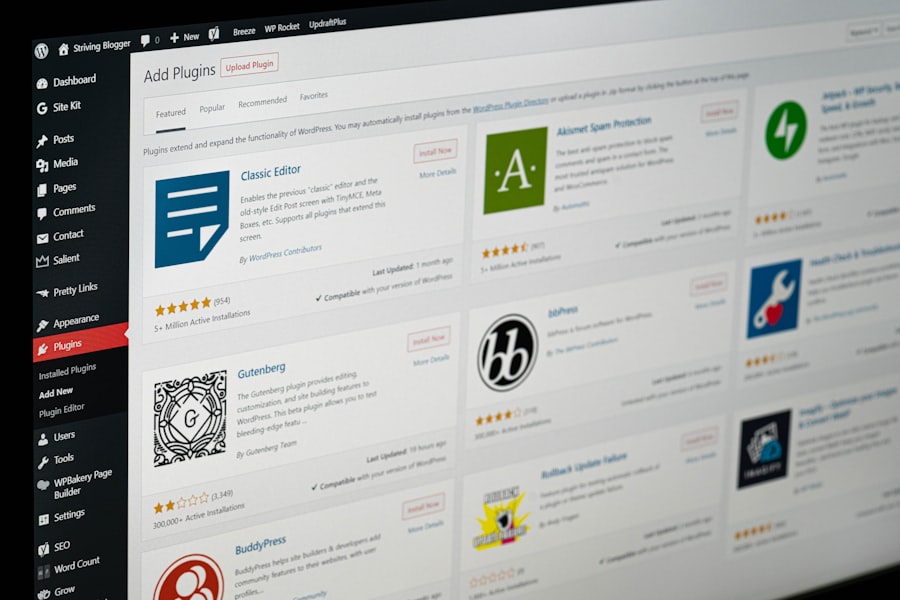
- Reduce Unnecessary Plugins and Scripts: Over time, websites can accumulate a lot of code. Regularly audit and remove any plugins or scripts that aren’t absolutely essential for your business objectives.
In the quest for small business growth in 2026, understanding the importance of effective online presence is crucial. A related article that delves into common pitfalls that new bloggers face is essential reading for entrepreneurs looking to enhance their website features. By avoiding these mistakes, small business owners can better leverage their online platforms for growth. For more insights, check out this informative piece on common blogging mistakes and how to navigate them as beginners.
Driving Conversions: Turning Visitors into Customers
A beautiful, fast, and user-friendly website is only the first step. To achieve real growth, you need to strategically guide your visitors towards desired actions, whether that’s making a purchase, filling out a form, or subscribing to your newsletter. This is where conversion rate optimization (CRO) comes into play.
Compelling Calls to Action (CTAs)
Your CTAs are the workhorses of your conversion strategy. They are the explicit instructions you give your visitors on what to do next. Vague or buried CTAs will leave your growth potential untapped.
- Clarity and Concision: Use action-oriented language that clearly states what you want the user to do. “Buy Now,” “Sign Up Today,” “Download Your Free Guide,” “Get a Quote” are all effective.
- Prominent Placement: CTAs should be easily visible and located strategically throughout your website, especially on product pages, landing pages, and within relevant content.
- Visual Hierarchy: Make your CTAs stand out. Use contrasting colors, buttons, and sufficient white space to draw attention to them.
- Urgency and Scarcity (Used Ethically): Phrases like “Limited Time Offer” or “Only 3 Left In Stock” can encourage immediate action, but use them genuinely to avoid eroding trust.
- Personalization (Where Applicable): If you can tailor a CTA based on user behavior or demographics, it can be highly effective. For example, a returning customer might see a “Reorder Now” button.
Seamless E-commerce Functionality (If Applicable)
For businesses that sell products directly, a flawless e-commerce experience is paramount. Any friction in the buying process can lead to abandoned carts and lost revenue.
- Streamlined Checkout Process: Reduce the number of steps required to complete a purchase. Offer guest checkout options, and pre-fill forms where possible.
- High-Quality Product Images and Descriptions: Invest in professional photography and write persuasive, informative product descriptions that highlight benefits.
- Secure Payment Gateway Integration: Ensure customers feel safe entering their payment information. Display trust badges and security seals prominently.
- Real-time Inventory Management: Prevent overselling by accurately reflecting product availability.
- Customer Reviews and Ratings: Social proof is incredibly powerful. Encourage customers to leave reviews, and display them prominently to build trust.
- Wishlist and Save-for-Later Options: Allow customers to save items they’re interested in, increasing the likelihood of a future purchase.
- Clear Shipping and Return Policies: Transparency here builds confidence. Make these policies easy to find and understand.
Lead Generation Forms and Gated Content
Even if you’re not selling products directly, capturing leads is crucial for nurturing future sales. Your website should be a powerful engine for acquiring contact information.
- Multi-Step Forms: For longer forms, break them down into smaller, manageable steps. This can reduce form abandonment.
- Progress Indicators: Show users how far they are in the form-filling process to manage expectations.
- Clear Value Proposition: Users need to understand what they’re getting in return for their information. Offer valuable content like e-books, webinars, checklists, or exclusive discounts.
- Social Media Login Options: Make it even easier for users to sign up by allowing them to use their existing social media accounts.
- Micro-interactions: Small animations or confirmations as users fill out fields can make the experience more engaging and less monotonous.
- Thank You Pages with Next Steps: Once a user submits a form, don’t just leave them on a blank page. Direct them to valuable resources, suggest they follow you on social media, or offer a direct call to action.
Building Trust and Credibility: The Pillars of Your Brand
In 2026, consumers are more discerning than ever. They want to do business with companies they trust and that demonstrate expertise. Your website is your primary platform for showcasing your credibility and building a strong, positive brand image.
Robust “About Us” and Team Pages
This is your opportunity to put a human face on your business and tell your story. Generic descriptions won’t cut it.
- Your Origin Story and Mission: Share why you started your business, what drives you, and what your core values are. Authenticity resonates.
- Team Member Spotlights: Introduce your team with professional photos and brief bios. Highlight their expertise and passion. This builds connection and shows you have qualified individuals backing your operations.
- Company Culture and Values: If your company has a distinct culture or a strong commitment to certain social or environmental causes, showcase it. This can attract like-minded customers and employees.
- Testimonials and Success Stories: Proof of your value is in the pudding. Feature compelling testimonials from satisfied clients or case studies detailing successful projects.
Social Proof and Testimonials
Word-of-mouth is still king, and your website should be a hub for amplifying it. Positive reviews and endorsements significantly influence purchasing decisions.
- Prominent Display of Reviews: Integrate review widgets from popular platforms (Google, Yelp, industry-specific sites) directly onto your website.
- Video Testimonials: Moving images and personal stories are incredibly impactful. Encourage customers to record short video testimonials.
- Case Studies: For service-based businesses, detailed case studies showcasing problem, solution, and results are invaluable. They demonstrate your capabilities and ROI.
- Trust Badges and Certifications: Display logos of any industry certifications, awards, or partnerships you hold. These act as quick visual cues of credibility.
- User-Generated Content (UGC): If customers are sharing photos or videos of them using your products or services, ask for permission to feature it on your site. This fosters a sense of community and authenticity.
Professional Design and Branding Consistency
Your website’s aesthetic should be a direct reflection of your brand identity. Inconsistency can lead to confusion and undermine your professionalism.
- Consistent Color Palette and Typography: Use the same colors and fonts that are established in your overall brand guidelines. This creates a cohesive visual experience.
- High-Quality Imagery: Invest in professional photography or videography. Stock photos can sometimes appear generic and detract from your brand’s uniqueness.
- Clear Logo Placement: Your logo should be easily visible on every page, typically in the header.
- Consistent Tone of Voice: Ensure your website copy maintains a consistent brand voice – whether it’s formal, friendly, witty, or authoritative.
- User-Friendly Interface (UI): Beyond navigation, ensure all interactive elements are clearly designed and function as expected, contributing to an overall polished look and feel.
Enhancing Visibility: Reaching Your Audience
Even the most feature-rich website is useless if no one can find it. In 2026, a strategic approach to online visibility is non-negotiable for small business growth. This means mastering search engine optimization (SEO) and leveraging other platforms to drive traffic to your digital doorstep.
Search Engine Optimization (SEO) Fundamentals and Beyond
While the exact algorithms change, the core principles of SEO remain vital. Your website needs to be discoverable by search engines so potential customers can find you when they’re looking for what you offer.
- Keyword Research and Integration: Identify the terms your target audience uses to search for products or services like yours. Naturally integrate these keywords into your website’s content, meta descriptions, and image alt text.
- On-Page Optimization: This includes optimizing your page titles, headings (H1, H2, H3), meta descriptions, and internal linking structure to signal relevance to search engines.
- Technical SEO: Ensure your website is crawlable and indexable by search engines. This includes things like having an XML sitemap, optimizing robots.txt, and ensuring your site is mobile-friendly and secure (HTTPS).
- High-Quality Content Creation: Regularly publish valuable, informative content that answers your audience’s questions and addresses their pain points. This signals to search engines that your site is a valuable resource.
- Local SEO: For brick-and-mortar businesses, optimizing for local search is crucial. This includes claiming and optimizing your Google Business Profile, ensuring consistent NAP (Name, Address, Phone Number) information across the web, and garnering local reviews.
Content Marketing and Blogging
Your website’s blog is a powerful engine for driving organic traffic and establishing thought leadership. It’s where you can demonstrate your expertise and connect with your audience on a deeper level.
- Educational Content: Create blog posts, guides, tutorials, and infographics that educate your audience about your industry and the solutions you offer.
- Problem/Solution Articles: Address common pain points your target customers face and explain how your products or services provide solutions.
- Industry News and Trends: Keep your audience informed about the latest developments in your field. This positions you as an authority.
- Customer Spotlights and Interviews: Feature your clients or partners to showcase real-world success.
- Shareability: Encourage readers to share your content on social media by including prominent social sharing buttons.
Integration with Social Media and Online Communities
Your website shouldn’t exist in isolation. It needs to be part of a larger digital ecosystem, and social media is a key component of that.
- Prominent Social Media Links: Make it easy for visitors to connect with you on your active social media platforms.
- Social Sharing Buttons: Allow visitors to easily share your blog posts, product pages, or other valuable content.
- Embedded Social Feeds (Use Sparingly): Consider embedding an Instagram feed or Twitter timeline to showcase recent activity, but ensure it doesn’t slow down your site or distract from your core content.
- Engage in Relevant Online Communities: Participate in forums, LinkedIn groups, or other online spaces where your target audience congregates. Share valuable insights and link back to relevant content on your website when appropriate.
- Social Media Advertising: Drive targeted traffic from social media platforms directly to specific landing pages on your website.
In the quest for small business growth in 2026, understanding the importance of website security is crucial, as highlighted in a related article that discusses essential strategies for enhancing your online presence. By implementing robust security measures, businesses can not only protect sensitive customer information but also build trust and credibility. For more insights on this topic, you can read the article on how to improve your website security. This knowledge will empower small businesses to create a safer and more effective online environment, ultimately contributing to their growth and success.
Future-Proofing Your Growth: Embracing Innovation
| Website Feature | Description |
|---|---|
| Mobile Responsiveness | Ensuring the website is optimized for mobile devices to reach a wider audience. |
| Fast Loading Speed | Improving user experience and reducing bounce rates by having a fast loading website. |
| SEO Optimization | Implementing SEO best practices to improve search engine rankings and visibility. |
| Clear Call-to-Actions | Guiding visitors towards desired actions such as making a purchase or contacting the business. |
| Secure Payment Gateway | Providing a secure and trustworthy platform for online transactions. |
| Engaging Content | Creating valuable and relevant content to keep visitors engaged and informed. |
| Social Media Integration | Connecting the website with social media platforms to expand reach and engagement. |
The digital landscape is in constant flux. To ensure sustained growth in 2026 and beyond, your website needs to be adaptable and embrace emerging technologies and strategies that will shape the future of online business.
Personalization and Dynamic Content
In an era of hyper-personalization, generic website experiences will become increasingly ineffective. Tailoring content to individual visitors is key to deeper engagement.
- Behavioral Targeting: Display different content, offers, or product recommendations based on a visitor’s past interactions with your site, their demographics, or their location.
- Dynamic Content Blocks: Use tools that allow you to show specific content to segmented audiences. For example, a returning customer might see a personalized greeting or a “welcome back” offer.
- Personalized Product Recommendations: For e-commerce sites, AI-powered recommendation engines are essential for suggesting products that are most likely to appeal to an individual shopper.
- Personalized Email Opt-ins: Tailor your lead magnet offers based on the content a user has consumed on your site.
- Interactive Quizzes and Assessments: These can be used to gather user preferences and then deliver personalized content or product suggestions.
AI-Powered Features and Chatbots
Artificial intelligence is no longer a futuristic concept; it’s a practical tool that can significantly enhance your website’s functionality and customer service.
- AI-Powered Chatbots: These can provide instant customer support 24/7, answer frequently asked questions, guide users through your website, and even help with basic sales inquiries.
- Predictive Analytics: AI can analyze user behavior to predict future actions, allowing you to proactively offer relevant information or support.
- Content Generation Assistance: AI can help you brainstorm blog post ideas, draft initial content, or even optimize existing copy for better SEO. (Always review and edit AI-generated content for accuracy and brand voice).
- Personalized Search Results: AI can refine search results on your website to better match individual user intent.
- Sentiment Analysis: AI can analyze customer feedback to gauge overall sentiment and identify areas for improvement.
Accessibility and Inclusivity
Creating an accessible website means ensuring everyone can use and understand it, regardless of their abilities or disabilities. This is not only ethical but also expands your potential customer base and improves your SEO.
- Alt Text for Images: Provide descriptive alt text for all images, which is read by screen readers for visually impaired users.
- Keyboard Navigation: Ensure your entire website can be navigated using only a keyboard.
- Sufficient Color Contrast: Use color combinations that are easy to read for users with visual impairments.
- Clear and Understandable Language: Avoid jargon and complex sentence structures.
- Captions and Transcripts for Videos: Provide captions for all video content and transcripts for audio content.
- ARIA Landmarks: Implement ARIA landmarks to help screen reader users navigate your site more efficiently.
By strategically implementing these top website features in 2026, you’re not just building a website; you’re building a powerful growth engine for your small business. Embrace innovation, prioritize your users, and consistently evaluate and adapt your digital presence. Your future success depends on it.
FAQs
What are the best website features for small business growth in 2026?
In 2026, the best website features for small business growth include mobile responsiveness, fast loading times, secure payment options, personalized user experiences, and integrated social media platforms.
Why is mobile responsiveness important for small business websites in 2026?
Mobile responsiveness is crucial for small business websites in 2026 because a large percentage of internet users access websites through mobile devices. A mobile-responsive website ensures a seamless and user-friendly experience for mobile users, which can lead to increased traffic and conversions.
How do fast loading times contribute to small business growth through websites in 2026?
Fast loading times are essential for small business growth through websites in 2026 because they improve user experience, reduce bounce rates, and increase the likelihood of conversions. In a competitive online landscape, users expect websites to load quickly, and slow loading times can deter potential customers.
What role do secure payment options play in the growth of small businesses via websites in 2026?
Secure payment options are critical for small business growth through websites in 2026 as they build trust and credibility with customers. With the increasing prevalence of online transactions, offering secure payment options can attract and retain customers, leading to business growth.
How can personalized user experiences and integrated social media platforms benefit small business websites in 2026?
Personalized user experiences and integrated social media platforms can benefit small business websites in 2026 by enhancing customer engagement, fostering brand loyalty, and increasing brand visibility. By tailoring content to individual users and integrating social media for seamless interaction, small businesses can effectively reach and connect with their target audience.









Add comment