
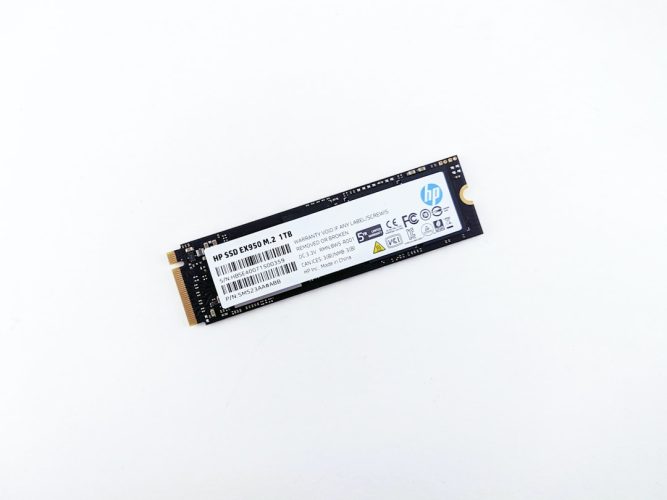
You’re probably familiar with the frustration of a slow-loading website. That agonizing wait for a page to render, the spinning wheel of doom, the urge to click away and find a faster alternative. For a long time, the bottleneck was often your computer or your internet connection. But increasingly, the speed demon hiding within the server itself is becoming the focus, and at the forefront of this revolution is NVMe storage. You’re about to discover why NVMe isn’t just a buzzword; it’s the new standard for speedy websites, and it’s changing the way you experience the internet.
Before diving into the intricacies of NVMe, it’s crucial to understand the journey that brought us here. For decades, the workhorse of data storage was the Hard Disk Drive (HDD). These mechanical marvels, with their spinning platters and read/write heads, were affordable and offered high capacities. However, their physical nature inherently limited their speed.
The Reign of the Hard Disk Drive (HDD)
You likely have an HDD in your home computer or have encountered them in older server infrastructure. Their operation is akin to a record player. Data is stored magnetically on circular platters that spin at high speeds. A read/write head, mounted on an arm, moves across the platters to access and modify data.
The Mechanical Bottleneck
The inherent slowness of HDDs stems from their mechanical components. The time it takes for the platters to spin to the correct sector and for the read/write head to physically move to the right track is known as seek time and rotational latency, respectively. These are measured in milliseconds, which might sound small, but in the realm of high-speed computing and data access, it’s an eternity. For websites with millions of requests per second, this mechanical delay can become a significant performance killer.
The SSD Revolution: A Leap Forward
The introduction of Solid State Drives (SSDs) marked a seismic shift in storage technology. Unlike HDDs, SSDs have no moving parts. They utilize NAND flash memory chips, similar to those found in USB drives and smartphones, to store data.
The Benefits of No Moving Parts
The absence of mechanical components in SSDs translates directly into dramatic speed improvements. Data access is almost instantaneous because there’s no need to wait for platters to spin or heads to move. This drastically reduces seek times and latency, leading to faster boot times for operating systems, quicker application loading, and generally a snappier computing experience. For websites, this meant faster loading times for static content, quicker database queries, and a more responsive user interface.
The SATA Interface Limitation
While SSDs were a massive improvement over HDDs, they were initially constrained by the interface they used: SATA (Serial ATA). SATA was designed for HDDs and, while capable, couldn’t fully unleash the potential of flash memory. Think of it like putting a high-performance engine in a car designed for city driving – the engine’s power is largely wasted by the limitations of the chassis and transmission.
As the demand for faster website performance continues to grow, understanding the role of NVMe storage becomes increasingly important. For a deeper dive into the various layouts and design strategies that can enhance website speed and efficiency, you can check out this insightful article on website layouts at Hostings House. This resource complements the discussion on NVMe storage by exploring how optimal layouts can further improve user experience and loading times.
Enter NVMe: The Protocol Built for Speed
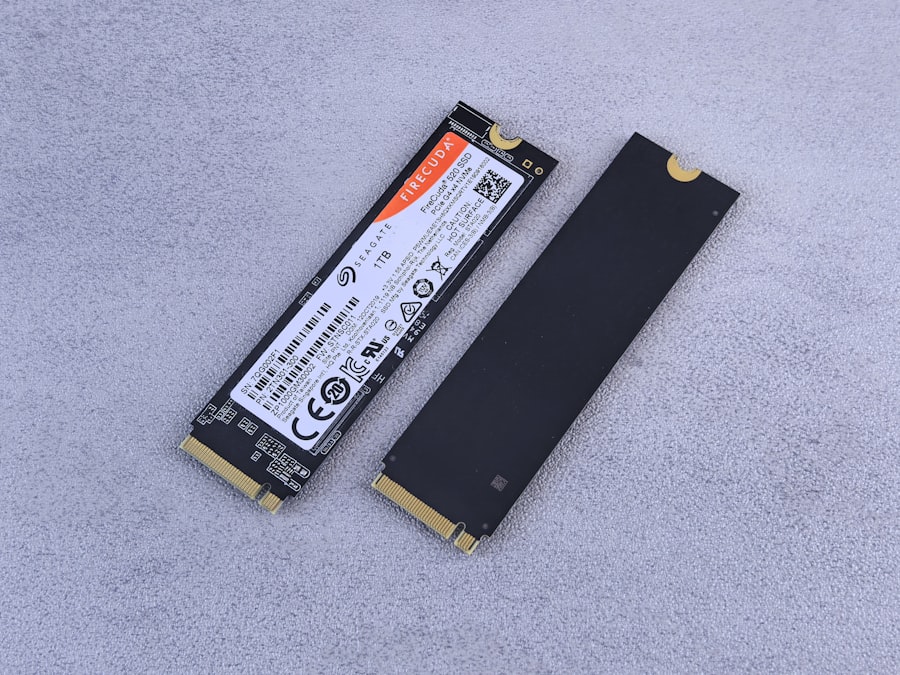
This is where NVMe (Non-Volatile Memory Express) enters the picture. NVMe is not a type of storage media itself, but rather a protocol – a set of rules and commands designed specifically to take advantage of the parallelism and low latency of solid-state storage. It’s the high-performance transmission designed from the ground up for the muscle car of SSDs.
What is NVMe?
NVMe is an interface protocol that connects PCIe (Peripheral Component Interconnect Express) based Non-Volatile Memory SSDs to the host system. PCIe is a high-speed bus that was originally designed for graphics cards and other high-bandwidth peripherals. By leveraging PCIe, NVMe can achieve significantly higher data transfer speeds and lower latency compared to its predecessor, SATA.
The PCIe Advantage
You might be familiar with PCIe slots on your motherboard. These are the slots where you plug in your graphics card, network cards, and other expansion devices. PCIe offers a direct connection to the CPU, providing much more bandwidth than the older SATA interface. NVMe SSDs utilize multiple PCIe lanes, allowing for parallel data transfers and a massive increase in throughput.
A New Language for Flash Memory
Traditional storage protocols, like AHCI (Advanced Host Controller Interface) used by SATA SSDs, were designed with the limitations of HDDs in mind. They were not optimized for the parallel nature of NAND flash. NVMe, on the other hand, was designed from the ground up to speak the language of flash memory. It supports a significantly larger number of command queues and a deeper queue depth, allowing for many more simultaneous read and write operations.
The Key Differences: NVMe vs. SATA
The contrast between NVMe and SATA in terms of performance is stark. It’s not just a small increment; it’s a paradigm shift.
Throughput: The Speedometer Reading
When we talk about website performance, throughput is a critical metric. This refers to the amount of data that can be transferred per unit of time. NVMe SSDs, thanks to PCIe, can achieve sequential read and write speeds that are several times higher than even the fastest SATA SSDs. For a website, this means assets like images, videos, scripts, and stylesheets can be delivered to the user’s browser much faster.
Latency: The Reaction Time
Latency is another crucial factor, especially for dynamic websites that involve database lookups and complex calculations. Latency is the time it takes for a request to be initiated and for the first byte of data to be received. NVMe significantly reduces latency by streamlining the command path and minimizing the overhead associated with traditional storage protocols. This translates to a more responsive user experience, with less delay between a user’s action and the website’s response.
Queue Depth and Parallelism: The Multitasking Power
NVMe supports up to 65,535 command queues, each with a depth of 65,535 commands. SATA, in contrast, typically supports only one command queue with a depth of 32 commands. This massive difference in queue depth and parallelism is what allows NVMe to handle a vastly larger number of concurrent I/O operations. For busy websites that serve thousands or even millions of users simultaneously, this parallel processing capability is a game-changer.
NVMe in Action: Powering Today’s Websites
You’re probably already interacting with NVMe-powered websites, even if you don’t realize it. The difference it makes is palpable, contributing to the fast, fluid online experiences you’ve come to expect.
Faster Page Loads: The Immediate Impact
The most direct and noticeable benefit of NVMe storage for websites is faster page load times. When your browser requests a web page, it needs to fetch numerous files from the server: HTML, CSS, JavaScript, images, fonts, and more. The faster these files can be retrieved from the server’s storage, the quicker the page will render in your browser.
Delivering Rich Media with Ease
Modern websites are increasingly rich in multimedia content. High-resolution images, embedded videos, and interactive elements require substantial data transfer. NVMe’s high throughput allows servers to deliver these assets to users with minimal delay, preventing buffering and ensuring a smooth viewing experience.
Dynamic Content and Database Interactions
For websites that rely heavily on dynamic content, such as e-commerce sites, news portals, or social media platforms, database performance is paramount. NVMe significantly accelerates database queries, allowing for faster retrieval of product information, user profiles, articles, and other dynamic data. This directly translates to quicker page rendering and a more responsive user interface.
Enhanced User Experience: The Invisible Hand of Speed
While speed is the headline, the underlying benefit is a vastly improved user experience. In today’s fast-paced digital world, user patience is a precious commodity.
Reduced Bounce Rates
A slow-loading website is a guaranteed way to lose visitors. Studies consistently show that even a few seconds of delay can lead to a significant increase in bounce rates, meaning users leave the site before engaging with its content. NVMe helps keep users on your site by delivering content quickly and efficiently.
Increased Engagement and Conversions
When users have a positive and seamless experience, they are more likely to explore your website, interact with its features, and ultimately convert. Whether it’s making a purchase, signing up for a newsletter, or filling out a form, speed facilitated by NVMe contributes to higher engagement and improved conversion rates.
A Competitive Edge
In a crowded online marketplace, speed can be a significant differentiator. Websites that load faster and feel more responsive offer a superior experience compared to their slower competitors, giving them a distinct competitive advantage.
Scalability and High-Traffic Demands: Handling the Rush
As websites grow in popularity, they face the challenge of handling increasing amounts of traffic. NVMe storage provides the necessary infrastructure to scale effectively.
Handling Concurrent Requests
NVMe’s ability to manage a massive number of concurrent I/O operations is crucial for high-traffic websites. This means that even during peak hours, when hundreds or thousands of users are accessing the site simultaneously, the server can continue to deliver fast response times.
Efficient Resource Utilization
By reducing I/O bottlenecks, NVMe allows server resources, such as CPU and RAM, to be utilized more efficiently. This can lead to better overall server performance and potentially reduce the need for costly hardware upgrades.
The Technical Underpinnings: NVMe’s Architecture
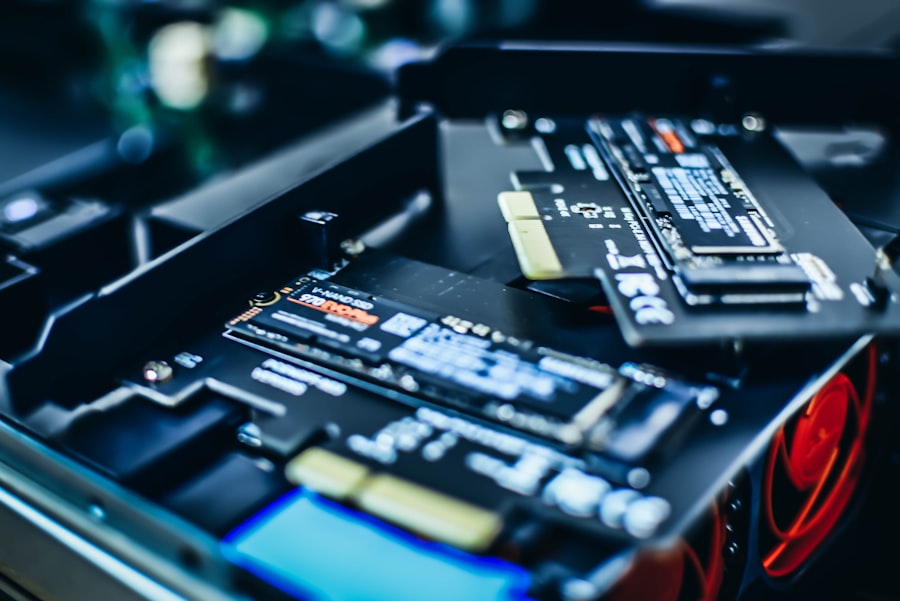
To truly appreciate the rise of NVMe, it’s helpful to understand some of its core architectural advantages. These technical details are what enable the dramatic performance gains you experience.
Streamlined Command Set
NVMe utilizes a streamlined command set that is purpose-built for flash memory. This means fewer instructions and less overhead are required to perform I/O operations compared to older protocols.
Reduced CPU Overhead
The efficiency of the NVMe command set translates into lower CPU overhead. This frees up CPU cycles that can be used for other critical tasks, such as processing application logic or serving dynamic content, further enhancing overall server performance.
Direct Memory Access (DMA)
NVMe leverages Direct Memory Access (DMA) more effectively than previous protocols. DMA allows devices to access system memory directly without involving the CPU, significantly reducing latency and improving data transfer speeds.
Enhanced I/O Capabilities
The way NVMe handles input/output operations is fundamentally different and superior to what came before.
Deep Command Queues
As mentioned, NVMe supports up to 65,535 command queues, each capable of holding 65,535 commands. This allows for an unprecedented level of parallel I/O processing. Think of it like having an army of workers all carrying out tasks simultaneously, compared to a single worker trying to juggle multiple jobs.
Asynchronous I/O Operations
NVMe is designed for asynchronous I/O operations, meaning that the host system doesn’t have to wait for one operation to complete before initiating another. This non-blocking nature further contributes to reduced latency and improved responsiveness.
The Role of the NVMe Controller
The NVMe controller is the bridge between the NVMe SSD and the host system. It’s the intelligent component that manages the complex communication and ensures that data is transferred efficiently.
Optimized for Flash
NVMe controllers are specifically designed to work with the characteristics of NAND flash memory. They understand how to optimize read and write operations for the best possible performance, wear leveling, and data integrity.
Interface to PCIe
The NVMe controller is responsible for translating the NVMe protocol commands into signals that can be sent over the PCIe bus and vice-versa. This efficient translation is crucial for maximizing the bandwidth of the PCIe interface.
As the demand for faster website performance continues to rise, many businesses are turning to NVMe storage solutions to enhance their user experience. This shift is not only about speed but also about efficiency and reliability, making NVMe a crucial component for modern web infrastructure. For those interested in exploring the broader implications of storage technology on website performance, a related article discusses various aspects of this evolution in detail. You can read more about it in this informative piece on storage solutions.
The Future is Fast: NVMe’s Enduring Impact
| Metrics | Benefits |
|---|---|
| Low Latency | Significantly reduces data access time, leading to faster website loading times |
| High Throughput | Allows for faster data transfer, improving overall website performance |
| Improved IOPS | Enables higher input/output operations per second, enhancing website responsiveness |
| Scalability | Supports the growth of website traffic and data demands without sacrificing speed |
| Reliability | Provides stable and consistent performance, reducing the risk of website downtime |
The rise of NVMe is not a fleeting trend; it’s a fundamental shift in how we store and access data, and its impact on the internet will continue to grow.
Ubiquitous Adoption Across the Web
You’re already seeing NVMe in action, and its adoption is only accelerating. From hyperscale data centers to cloud providers and even individual web hosting services, NVMe is becoming the de facto standard for high-performance storage.
Cloud Computing and Virtualization
Cloud environments, which power a vast portion of the internet, are heavily reliant on fast storage. NVMe is instrumental in delivering the performance and scalability that cloud users expect. Virtualized environments also benefit immensely from NVMe’s ability to handle numerous I/O operations simultaneously, ensuring that each virtual machine receives its fair share of storage performance.
Edge Computing and Low Latency Applications
As computing moves closer to the user with the rise of edge computing, low latency is paramount. NVMe is perfectly suited for these scenarios, enabling applications that require near-instantaneous data access and response times.
Beyond Websites: NVMe’s Broader Implications
While this article focuses on websites, the impact of NVMe extends far beyond.
Gaming and Entertainment
Gamers will recognize the benefits of NVMe in faster game loading times, reduced in-game stuttering, and quicker asset streaming.
AI and Machine Learning
The computationally intensive nature of AI and machine learning workloads demands rapid access to massive datasets. NVMe is essential for accelerating training times and improving the efficiency of these complex models.
Content Creation and Editing
Professionals in video editing, 3D rendering, and other data-intensive creative fields will see significant workflow improvements with NVMe storage.
The Continued Evolution of Storage
NVMe is not the end of the road. The technology continues to evolve with new generations of PCIe (e.g., PCIe 5.0 and beyond) offering even greater bandwidth and performance. The future promises even faster, more efficient storage solutions, building upon the foundation laid by NVMe.
You’ve witnessed the evolution from slow, mechanical disks to the lightning-fast world of NVMe. The next time you experience a website that loads in an instant, remember the silent, powerful engine beneath the surface – NVMe storage, the new standard for speedy websites, and a key driver of the modern, connected world you experience every day.
FAQs
What is NVMe storage?
NVMe (Non-Volatile Memory Express) is a storage protocol designed for fast storage media such as SSDs (Solid State Drives) to fully utilize the speed potential of flash storage.
How does NVMe storage improve website speed?
NVMe storage significantly reduces latency and improves input/output operations per second (IOPS), resulting in faster data access and retrieval, which in turn speeds up website loading times.
What are the benefits of using NVMe storage for websites?
Using NVMe storage for websites can lead to improved user experience, higher website performance, faster data processing, and better overall responsiveness, ultimately leading to increased customer satisfaction and potentially higher conversion rates.
Is NVMe storage cost-effective for website hosting?
While NVMe storage may have higher upfront costs compared to traditional storage options, the improved performance and efficiency can lead to cost savings in the long run, especially for websites with high traffic and demanding workloads.
Is NVMe storage widely supported by web hosting providers?
NVMe storage is increasingly becoming the new standard for fast websites, and many web hosting providers are now offering NVMe-based hosting solutions to meet the growing demand for high-performance websites.









Add comment