
Welcome to the relentless world of data, a world where your daily interactions, your entertainment, your work, and even your thoughts are increasingly translated into bits and bytes. You are a part of this digital ecosystem, and the sheer volume of information being generated, processed, and stored is mind-boggling. But have you ever paused to consider the physical infrastructure that underpins this virtual reality? We’re talking about data centers, those unassuming buildings that hum with activity, tirelessly serving as the nerve centers of the modern world. You might not see them, but they are working for you, 24/7, 365 days a year.
However, this incredible utility comes at a significant cost, one that directly impacts you and the planet you inhabit. Data centers are notorious energy hogs. They consume massive amounts of electricity, not just to power the servers themselves, but also to cool them down, preventing them from overheating. This energy consumption translates into a substantial carbon footprint, contributing to greenhouse gas emissions and accelerating climate change. As an informed individual, you understand that this isn’t a sustainable trajectory. You recognize that while the digital age offers unprecedented convenience and connectivity, it also presents a formidable environmental challenge that demands innovative solutions.
This is where sustainable technology steps in, offering a beacon of hope and a pathway to a more environmentally responsible future for data centers. You are not merely an observer in this transition; you are a beneficiary and, in many ways, an enabler of these changes. As you continue to rely on digital services, the choices made by data center operators regarding their environmental impact directly affect the world you live in. The integration of sustainable technologies isn’t just a corporate buzzword; it’s a fundamental shift in how the digital world operates, driven by necessity, innovation, and a growing awareness of our ecological responsibilities.
You might be wondering how data centers can possibly reduce their colossal energy appetite. One of the most impactful strategies, and often the first that comes to mind, is the direct adoption of renewable energy. Imagine your favorite online services powered not by fossil fuels, but by the clean, inexhaustible power of the sun and wind. This vision is rapidly becoming a reality for many forward-thinking data centers.
Powering Operations with Solar and Wind
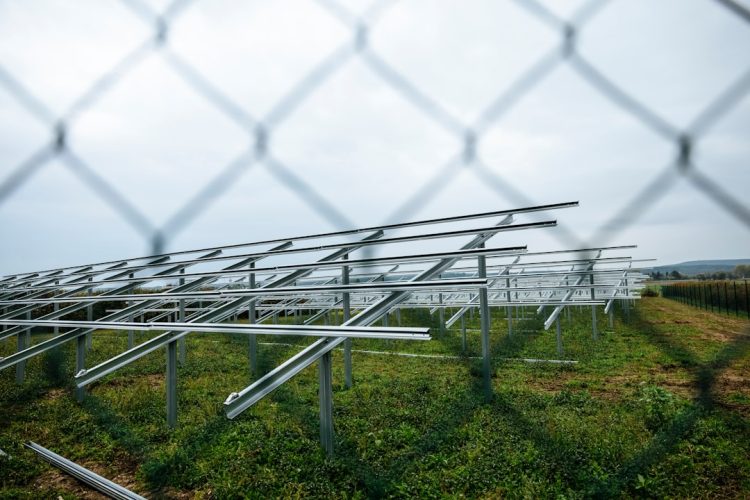
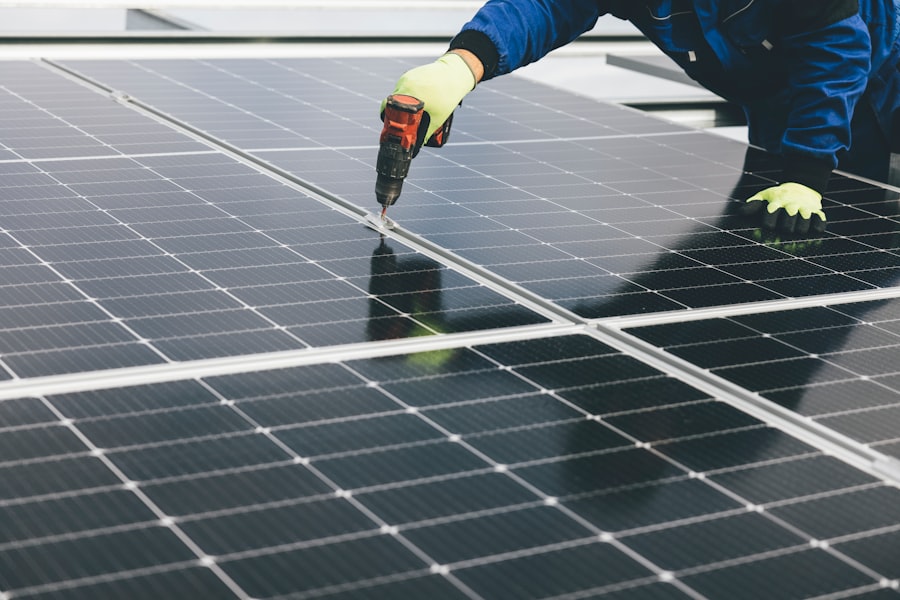
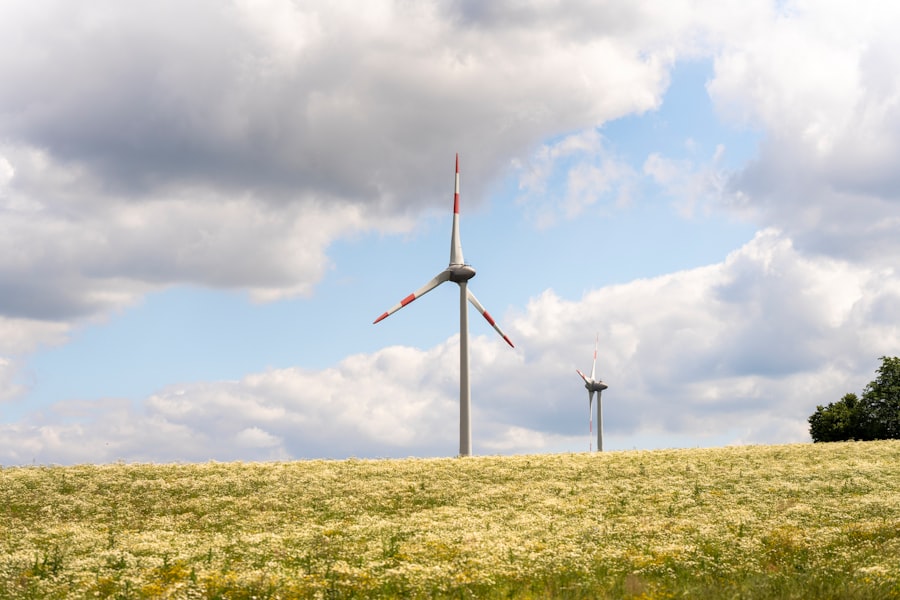
You are witnessing a global shift towards renewable energy, and data centers are at the forefront of this movement. Many data center operators are actively seeking to source their electricity from solar farms and wind turbines. This isn’t just about purchasing renewable energy credits; it’s about direct procurement through power purchase agreements (PPAs), where data centers commit to buying electricity directly from specific renewable energy projects. By doing so, you are indirectly supporting the growth of the renewable energy sector and decarbonizing the electricity grid.
These commitments extend to constructing their own on-site renewable energy generation facilities where feasible. Think of data centers with sprawling solar panel arrays on their rooftops or adjacent land, or even those strategically located near existing wind farms. You can appreciate the tangible benefit of generating clean energy right where it’s consumed, minimizing transmission losses and maximizing efficiency.
Geothermal and Hydroelectric Potential
Beyond the more common solar and wind energy, you are also seeing data centers explore other powerful renewable sources. Geothermal energy, which harnesses the Earth’s natural heat, offers a constant and reliable power source, particularly in regions with suitable geological conditions. Imagine a data center tapping directly into underground heat reservoirs, not only for electricity but also potentially for direct cooling applications.
Similarly, hydroelectric power, with its long-standing track record of reliability and efficiency, provides another attractive option. While not every location is suitable for hydroelectric power, you can observe data centers strategically locating themselves near existing dams or exploring micro-hydro solutions for smaller-scale operations. The diversification of renewable energy sources ensures a more resilient and sustainable power supply for your digital world.
In the ever-evolving landscape of technology, the integration of sustainable practices within data center operations is becoming increasingly vital. For those interested in exploring how to effectively implement such innovations, a related article titled “How to Build a One-Page Website in 10 Easy Steps” provides insights into creating efficient online platforms that can complement sustainable technology initiatives. You can read more about it here: How to Build a One-Page Website in 10 Easy Steps.
Revolutionizing Cooling Systems
You’ve learned that a significant portion of a data center’s energy consumption is dedicated to cooling. Traditional air-conditioning units are incredibly inefficient and contribute heavily to greenhouse gas emissions through refrigerants. Therefore, reimagining and optimizing cooling systems is paramount to achieving true sustainability. You are about to discover how innovative approaches are making data centers much more energy-efficient.
Liquid Cooling Technologies
Consider the incredible leap forward represented by liquid cooling. Instead of blasting cold air at racks of servers, liquid cooling involves immersing servers directly into a dielectric fluid or circulating liquid through cold plates attached to components. You can envision the efficiency benefits: liquids are far more effective at transferring heat than air. This precision cooling means less energy is wasted.
Immersion Cooling: Submerging for Efficiency
One of the most exciting advancements you’re seeing is immersion cooling, where entire servers are submerged in a non-conductive liquid. Imagine your server components quietly bubbling away in a specialized fluid, dissipating heat directly into the liquid. This approach eliminates the need for fans within the servers themselves and drastically reduces the energy required for cooling. You are looking at a future where server rooms are quieter, more compact, and profoundly more energy-efficient.
Direct-to-Chip Cooling: Targeted Heat Removal
Another sophisticated liquid cooling method is direct-to-chip cooling, where a liquid circulates directly over the hottest components, like CPUs and GPUs. You can appreciate the surgical precision of this method, removing heat exactly where it’s generated. This not only improves energy efficiency but also allows for higher power densities, meaning more computing power can be packed into a smaller space, reducing the physical footprint of data centers.
Free Cooling and Evaporative Cooling
Beyond advanced liquid technologies, you are also seeing a renewed focus on leveraging natural phenomena. Free cooling, for instance, utilizes the external ambient air temperature to cool data centers, particularly in colder climates. You can imagine the energy savings when the outside air is simply piped in and filtered, rather than relying on energy-intensive chillers.
Evaporative cooling, another natural method, uses the principle of water evaporation to cool air. While it does consume water, it can be significantly more energy-efficient than traditional mechanical cooling, especially in dry climates. You are witnessing a comprehensive approach to cooling that seeks to exploit every available natural advantage.
Enhancing Energy Efficiency Through Hardware and Software
You understand that sustainable technology isn’t just about where the energy comes from or how heat is removed; it’s also about optimizing the energy consumption at the fundamental level – within the hardware and through intelligent software management. You are a participant in a digital world that demands more powerful yet more efficient components.
Energy-Efficient Server Designs
You might not see the inner workings of a server, but you can certainly appreciate the impact of their design. Modern server architectures are increasingly focused on energy efficiency. This includes everything from more efficient power supplies to advanced processor designs that can dynamically adjust power consumption based on workload. You are directly benefiting from these innovations as they translate into lower operating costs for data centers, which can in turn contribute to more competitive service pricing.
Virtualization and containerization technologies play a crucial role here. Imagine multiple virtual servers running on a single physical machine. You are effectively maximizing the utilization of your hardware, reducing the number of idle or underutilized servers, and thereby cutting down on wasted energy. This is a powerful testament to how software advancements can drive hardware efficiency.
Power Management and Optimization Software
Beyond hardware, intelligent software is key. Data center infrastructure management (DCIM) software allows operators to monitor, manage, and optimize their energy usage with unprecedented granularity. You can think of it as the brain of the data center, continuously analyzing power consumption patterns, identifying inefficiencies, and recommending adjustments. This includes optimizing airflow, identifying “ghost servers” (servers that are switched on but doing no useful work), and strategically powering down equipment during periods of low demand.
You are witnessing the rise of AI and machine learning in optimizing data center operations. These technologies can predict energy consumption patterns, anticipate cooling needs, and proactively adjust settings to minimize energy waste. This level of intelligent automation is transforming data center management from a reactive process to a highly optimized, proactive one.
Hot/Cold Aisle Containment
Simple yet effective design principles also contribute to efficiency. Hot/cold aisle containment is a prime example. Imagine rows of server racks arranged so that cold air is supplied to one aisle (the cold aisle) and hot air is exhausted into an adjacent aisle (the hot aisle). By physically separating these air streams, you prevent the mixing of hot and cold air, ensuring that the cold air effectively cools the equipment and the hot air is efficiently removed. This targeted approach significantly improves the efficiency of your cooling systems.
Waste Heat Utilization and Circular Economy Principles
You’ve seen how data centers consume vast amounts of energy and generate considerable heat. But what if this “waste” heat wasn’t wasted at all? What if it could be repurposed, becoming a valuable resource for other applications? This is the essence of waste heat utilization, a cornerstone of the circular economy in the data center industry. You are about to discover how data centers are becoming more integrated into their surrounding communities.
District Heating and Cooling Networks
Imagine a data center that not only powers your digital life but also warms your homes and offices. This is precisely what happens when data centers integrate into district heating networks. The excess heat generated by servers is captured and then used to heat water that flows through a network of pipes, providing warmth to nearby buildings. You are looking at a symbiotic relationship where energy that would otherwise be rejected into the atmosphere is put to productive use, reducing the carbon footprint of both the data center and the community it serves.
Some advanced systems even explore district cooling, using absorption chillers powered by waste heat to provide cooling to surrounding buildings. This holistic approach transforms a traditional energy liability into a valuable asset, showcasing the true potential of a circular economy.
Agricultural and Aquaculture Applications
The applications of waste heat extend beyond urban heating. You’re seeing innovative data centers diverting their excess heat to greenhouses, extending growing seasons and increasing agricultural output, particularly in colder climates. Imagine fresh produce grown year-round, nurtured by the silent hum of servers.
Similarly, data centers are exploring the use of waste heat in aquaculture, warming water for fish farms. This helps maintain optimal temperatures for aquatic species, promoting faster growth and more efficient operations. You can appreciate how this ingenious repurposing of heat creates a multi-faceted benefit, transforming a single energy input into a cascade of positive outcomes for the environment and the local economy.
Water Recycling and Reuse
Beyond energy, water is another critical resource in data center operations, particularly for evaporative cooling systems. Sustainable data centers are implementing advanced water recycling and reuse programs. You are witnessing the deployment of sophisticated filtration and treatment systems that allow water used for cooling to be repeatedly recycled, minimizing fresh water intake and reducing wastewater discharge. This commitment to water stewardship is crucial in an era of increasing water scarcity.
As the demand for efficient data center operations continues to grow, the integration of sustainable technology is becoming increasingly vital. A related article discusses the benefits of upgrading to faster NVMe storage for business plans, which can significantly enhance performance while also promoting energy efficiency. This upgrade not only optimizes data processing but also aligns with the broader goals of sustainability in technology. For more insights on improving your data infrastructure, you can read the full article here.
Material Sourcing, End-of-Life Management, and Innovation
| Data Center Operations | Sustainable Technology Impact |
|---|---|
| Energy Efficiency | Reduced power consumption, lower carbon footprint |
| Renewable Energy | Integration of solar, wind, or hydro power sources |
| Water Usage | Efficient cooling systems, water recycling |
| Waste Management | Recycling of electronic waste, responsible disposal |
| Carbon Emissions | Reduced greenhouse gas emissions through sustainable practices |
You understand that sustainability isn’t just about energy and heat; it encompasses the entire lifecycle of the materials used in data centers. From the components that make up the servers to the building materials themselves, every choice has an environmental impact. You are observing a growing emphasis on responsible practices from cradle to grave.
Sustainable Building Materials
When new data centers are constructed, you are increasingly seeing the use of sustainable building materials. This includes recycled steel, low-carbon concrete, and responsibly sourced timber. Consider the environmental benefit of minimizing the embodied carbon in construction, reducing the impact even before the servers are switched on. You are looking at buildings that are not only energy-efficient in operation but also environmentally conscious in their very creation.
The design of data centers is also evolving to maximize natural light and ventilation, further reducing the need for artificial lighting and mechanical cooling. You are witnessing a convergence of architectural innovation and environmental responsibility.
Responsible E-Waste Management
The rapid pace of technological advancement means that IT equipment has a relatively short lifespan. This gives rise to the challenge of electronic waste, or e-waste. Sustainable data centers are implementing robust programs for responsible e-waste management. This means prioritizing component reuse and refurbishment whenever possible. You are directly supporting a circular economy when old server components are given a second life, either in other systems or as refurbished parts.
When components cannot be reused, responsible recycling is paramount. This involves carefully dismantling equipment to recover valuable materials such as rare earth elements, copper, and gold, preventing them from ending up in landfills where they can leach harmful toxins into the environment. You can appreciate the importance of these closed-loop systems, minimizing resource extraction and pollution.
Innovation in Server Hardware and Lifespan Extension
The push for sustainability also drives innovation in server hardware. Manufacturers are constantly working to design more durable and repairable equipment, extending the lifespan of servers and reducing the frequency of replacement. You are seeing a move away from planned obsolescence towards products that are built to last and designed for easy component replacement.
Furthermore, research and development continue to explore alternative materials and manufacturing processes that have lower environmental impacts. You are at the cusp of a new era where the technology that powers your digital world is not only powerful and efficient but also inherently sustainable in its very construction and operation. This holistic approach, from initial design to end-of-life, is what truly defines a sustainable journey for data centers, and for you, it translates into a more resilient and environmentally conscious digital future.
FAQs
What is sustainable technology in the context of data center operations?
Sustainable technology in data center operations refers to the use of energy-efficient hardware, renewable energy sources, and environmentally friendly practices to minimize the environmental impact of data centers.
How is sustainable technology reshaping data center operations?
Sustainable technology is reshaping data center operations by reducing energy consumption, lowering carbon emissions, and promoting the use of renewable energy sources. This shift towards sustainability is driving innovation in data center design and operations.
What are some examples of sustainable technology in data center operations?
Examples of sustainable technology in data center operations include the use of energy-efficient servers and cooling systems, the implementation of virtualization and cloud computing to optimize resource utilization, and the adoption of renewable energy sources such as solar and wind power.
What are the benefits of integrating sustainable technology into data center operations?
Integrating sustainable technology into data center operations can lead to cost savings through reduced energy consumption, lower carbon emissions, and a smaller environmental footprint. It also helps organizations meet their sustainability goals and contribute to global efforts to combat climate change.
What are the challenges of implementing sustainable technology in data center operations?
Challenges of implementing sustainable technology in data center operations include the initial investment costs, the need for specialized expertise in green technologies, and the potential limitations of renewable energy sources in certain geographic locations. However, advancements in sustainable technology continue to address these challenges and make it more feasible for data centers to embrace sustainability.




Add comment