

Choosing the right Top-Level Domain (TLD) for your export business is a strategic decision, akin to selecting the foundation for a towering skyscraper. It’s not a choice to be made on a whim, but rather one that requires careful consideration of your business objectives, target markets, and brand identity. This article will guide you through the landscape of TLDs, specifically focusing on the fundamental distinction between Country Code Top-Level Domains (ccTLDs) and Generic Top-Level Domains (gTLDs), and help you navigate the process of selecting the optimal one for your international endeavors.
Top-Level Domains are the last segment of a domain name, appearing after the final dot. They serve as the highest level of the Domain Name System (DNS) hierarchy. Think of TLDs as the general categories under which all websites are organized. They provide a crucial initial signal to users about the nature and origin of a website. Historically, the TLDs were more limited, primarily consisting of a few generic options like .com, .org, and .net, alongside country-specific codes. However, the landscape has significantly expanded in recent years with the introduction of hundreds of new gTLDs. This expansion presents both opportunities and challenges for businesses operating on a global scale.
The Genesis of TLDs
The DNS was conceived as a hierarchical system to manage the ever-growing internet. TLDs emerged as the root of this hierarchy, acting as broad classifications. Initially, the selection of TLDs was more experimental, with a focus on establishing a foundational structure. The initial generic TLDs represented broad categories:
.com: Generally associated with commercial entities..org: Typically used by non-profit organizations..net: Originally intended for network infrastructure providers, but widely adopted across various sectors..edu: Reserved for educational institutions..gov: Designated for governmental organizations.
These foundational gTLDs provided a clear, albeit limited, initial framework for categorizing websites.
The Rise of Country Code TLDs (ccTLDs)
Country Code TLDs are two-letter domains that correspond to specific countries or territories, as defined by the ISO 3166-1 alpha-2 standard. For instance, .uk signifies the United Kingdom, .de represents Germany, and .jp belongs to Japan. These ccTLDs immediately signal a geographic connection, often implying that the website is tailored to the needs and regulations of that particular country. They can foster a sense of familiarity and trust among local audiences, making them a powerful tool for market penetration.
The Proliferation of Generic TLDs (gTLDs)
The introduction of new gTLDs, also known as sponsored and unsponsored TLDs, has dramatically broadened the TLD spectrum. These new gTLDs can be industry-specific (e.g., .tech, .store, .law), geographically themed (e.g., .nyc, .london), or descriptive of a service or concept (e.g., .app, .blog, .marketing). This expansion offers greater flexibility and allows businesses to select a TLD that more precisely reflects their brand and offerings, moving beyond the generic classifications of older TLDs.
When considering the best domain strategy for your export business, it’s essential to weigh the advantages of country code top-level domains (ccTLDs) against generic top-level domains (gTLDs). A related article that delves into optimizing your website’s performance, which can significantly impact your online presence, is available at Unleash Your Website’s Full Potential with Dedicated Servers: A Deep Dive. This resource provides insights into how dedicated servers can enhance your website’s speed and reliability, factors that are crucial for attracting and retaining international customers.
Country Code TLDs: Rooting in Specific Markets
Country Code TLDs are your primary anchors if you are deeply focused on a particular nation or region. They serve as a clear flag, signaling to potential customers in that country that your website and offerings are designed with them in mind. This can be particularly impactful in cultures where local trust and familiarity are paramount. Imagine trying to build a beach resort in Australia with a domain name that clearly states you are catering to the Australian market; the .com.au TLD does precisely that, instantly communicating your localized intent.
The Power of Localization and Trust
When you adopt a ccTLD such as .fr for France or .ca for Canada, you are effectively telling users in that nation, “We are here, we understand your needs, and we are a part of your digital landscape.” This can significantly boost consumer confidence and encourage engagement. In many countries, users are more inclined to trust websites with a local ccTLD, viewing them as being subject to local laws and regulations, and therefore more reputable. This is a subtle but potent psychological advantage.
Navigating Geographic Restrictions and Requirements
It’s important to note that some ccTLDs come with specific requirements for registration. Many countries have rules that mandate you must have a physical presence or a registered business within their borders to acquire their ccTLD. For example, securing a .ca domain often necessitates being a Canadian citizen, permanent resident, or a Canadian-registered business. Similarly, acquiring a .de domain might require you to have a registered address in Germany. These restrictions are not universally applied, and some ccTLDs are more open for international registration, but you must research the specific regulations for each country you target. Ignoring these can lead to your domain being revoked, which is a disruption you want to avoid.
Strategic Use for Market Penetration
For businesses with a strong focus on a single export market, a ccTLD can be an exceptional tool for building a dedicated presence. It allows for highly targeted marketing campaigns and can facilitate partnerships with local organizations that may prefer to collaborate with entities that visibly commit to their market. If your primary export strategy is to conquer the German market, a .de domain is a strong signal of that intent.
Potential Limitations for Global Reach
Conversely, relying solely on a ccTLD can create a perception of being geographically restricted. If you plan to expand to multiple countries simultaneously or have a broad, international customer base that doesn’t have a singular dominant geographic focus, a ccTLD might inadvertently signal to potential customers in other regions that you are not interested in their business. A .mx domain for Mexico, while excellent for engaging Mexican consumers, might not immediately resonate with a potential customer in Spain.
Generic TLDs: The Global Stage for Broad Appeal
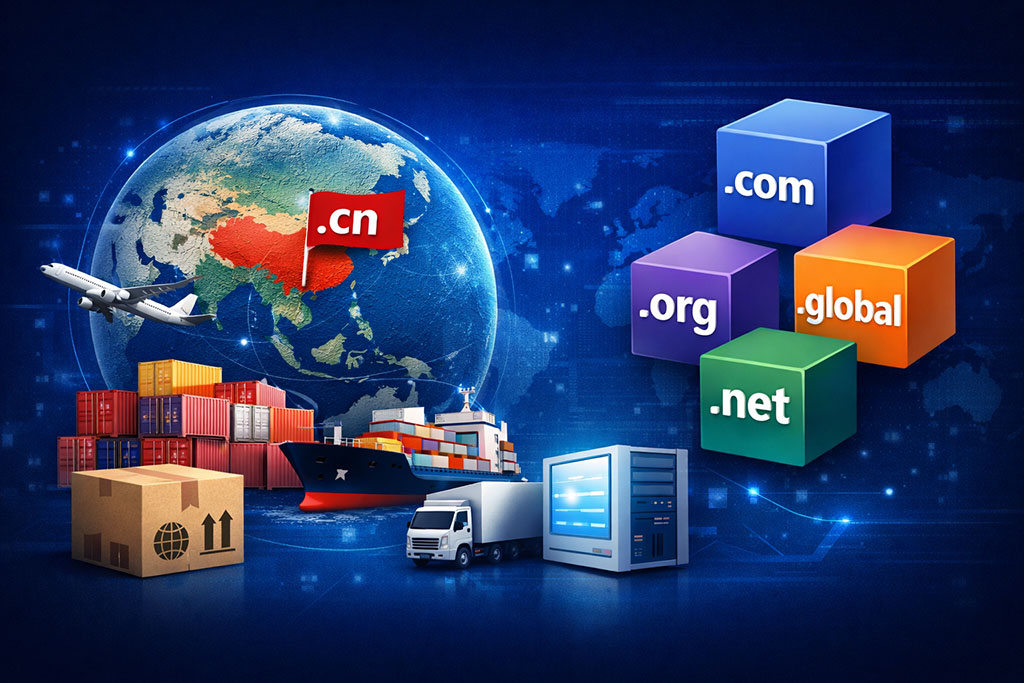
Generic TLDs, particularly the established ones like .com, are often perceived as the default for international businesses and carry a sense of global recognition and credibility. They are not tied to any specific country, making them inherently versatile for a worldwide audience. .com is the most widely known and trusted TLD globally, and securing a .com domain can lend an air of professionalism and universality to your export endeavors.
The Universal Language of .com
The .com domain has been the cornerstone of the internet for decades. Its ubiquity means that most internet users are familiar and comfortable with it. When you choose .com, you are opting for a domain that speaks a universal language on the internet. It’s like wearing a well-tailored suit to a global business conference – it conveys professionalism and a commitment to operating on a broad scale. The sheer volume of .com domains, however, means that finding an available, brand-relevant name can be a significant challenge.
New gTLDs: Precision and Brand Identity
The advent of new gTLDs offers a powerful means of precisely aligning your domain name with your business’s niche and aspirations. If you are an export business specializing in sustainable technology, a .tech or .eco TLD might be more descriptive and relevant than a generic .com. Similarly, a clothing export business could explore .store or .fashion. These specialized TLDs can not only enhance brand recognition but also improve search engine optimization (SEO) by providing clearer signals to both users and search engines about your site’s content.
- Industry-Specific TLDs: These cater to particular sectors, such as
.engineering,.finance, or.photography. For an export business in a specialized field, these TLDs can immediately target the right audience. - Geographic-Themed gTLDs: These offer a middle ground between ccTLDs and purely generic gTLDs. For example,
.europe,.asia, or.globalcan convey a regional focus without the strict geographical limitations of a ccTLD. - Descriptive TLDs: These describe a service or function, like
.shop,.solutions, or.services. They are clear and direct, leaving little room for ambiguity about what your business offers.
Advantages for Global Scalability
Generic TLDs, especially .com, are exceptionally well-suited for businesses with ambitions of broad international reach. They transcend national borders and are recognized and trusted by users worldwide. This makes them an excellent choice if your export strategy is not confined to one or two specific markets but aims for a global footprint from the outset. A .com domain suggests that your business is open for international trade and welcomes customers from all corners of the globe.
Potential for Brand Confusion and Dilution
While new gTLDs offer specificity, they also introduce a potential for brand confusion if not chosen carefully. If you are targeting a broad market and opt for a very niche gTLD, it might inadvertently alienate potential customers outside that specific niche. Furthermore, the sheer number of new gTLDs can, in some instances, dilute the inherent prestige associated with established TLDs like .com. Users might still gravitate towards the familiar, especially if they are not already familiar with the specific new gTLD.
The Strategic Balancing Act: ccTLD vs. gTLD for Your Export Business
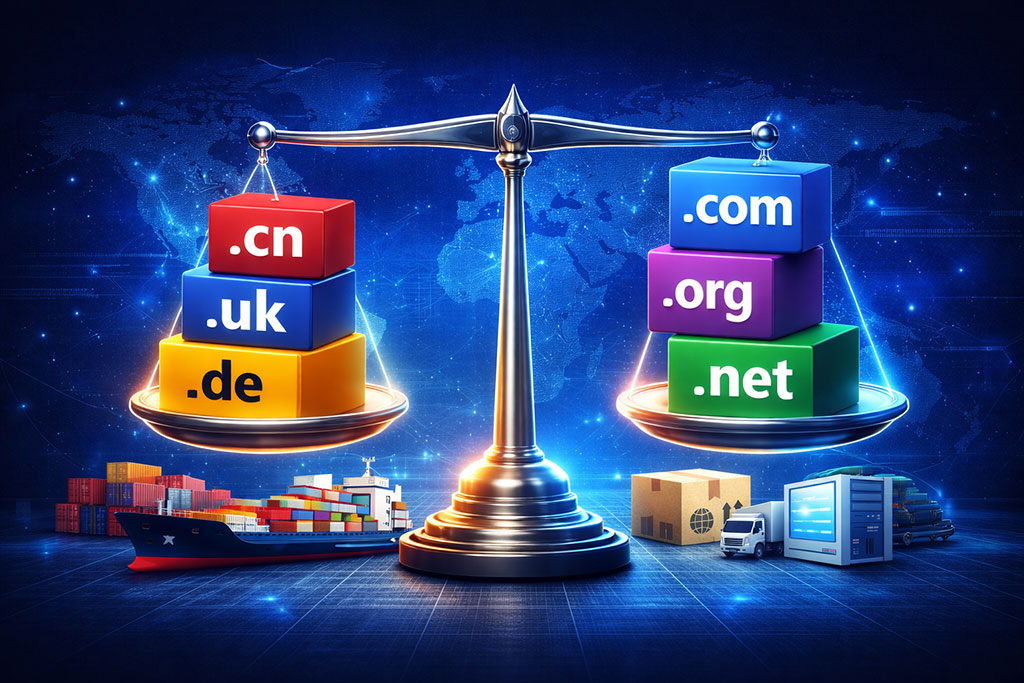
The decision between a ccTLD and a gTLD is not always an either/or proposition. Many successful export businesses employ a multi-domain strategy, using different TLDs to cater to various market segments. This approach allows you to leverage the strengths of both ccTLDs and gTLDs, creating a comprehensive and targeted online presence. It’s like having a main headquarters in a cosmopolitan city (.com) while also establishing specialized branch offices in key local markets (ccTLDs).
Targeting Specific Markets with ccTLDs
If your export strategy involves deep penetration into a few key countries, securing the relevant ccTLDs for those markets makes strategic sense. For instance, if you are focusing on the French, German, and Spanish markets, you might register domain names like yourcompany.fr, yourcompany.de, and yourcompany.es. This signals a strong commitment to each of these markets, fostering local trust and facilitating localized marketing efforts. These dedicated sites can feature content translated into the local language, tailored product offerings, and customer support appropriate for the region.
Maintaining a Global Brand Identity with gTLDs
Simultaneously, you can maintain a strong global brand identity with a primary .com domain. This .com domain would serve as your central hub, providing an overarching online presence for your brand and catering to any international customers who don’t fall neatly into one of your specific ccTLD markets. It acts as the flagship, conveying your brand’s overall mission and its global capabilities. This dual approach ensures you are not missing out on opportunities in primary target markets while still projecting a unified and extensive global brand image.
The Case for a Hybrid Approach
Consider a scenario where you export high-end artisanal coffee beans. You might have a primary .com domain, artisancoffeebeans.com, for your global online store and brand information. Then, to specifically target markets with a strong coffee culture, you could secure artisancoffeebeans.jp for Japan and artisancoffeebeans.it for Italy. This hybrid approach allows you to have a broad international reach through your .com and also provide a highly localized and relevant experience for consumers in your key import destinations.
Considering Future Expansion
When making your initial decision, think about your long-term export trajectory. Are you planning to expand into more markets over time? If so, starting with a global-oriented gTLD like .com might provide a more scalable foundation. You can always add ccTLDs later as you solidify your presence in individual countries. However, if your immediate focus is on dominating one or two specific markets, prioritizing their ccTLDs could be more effective in the short term.
When considering the best domain options for your export business, it’s essential to weigh the advantages of country code TLDs against generic TLDs. A related article that provides valuable insights on managing your online presence is available at this guide on migrating your website. Understanding how to effectively transition your website can complement your choice of domain, ensuring that your business remains accessible and relevant in the global market.
Legal and Technical Considerations for Your Domain Choice
Beyond the marketing and branding aspects, you must also consider the legal and technical implications of your TLD choice. These factors can significantly impact your business’s legitimacy and operational efficiency. Ignoring them is like building a beautiful house on unstable ground; it’s bound to encounter problems.
Domain Registration Requirements and Restrictions
As mentioned earlier, ccTLDs often come with specific registration requirements. Some necessitate a local business presence, while others might have specific residency criteria. Failing to meet these requirements can lead to delays or even the inability to register the domain, causing significant setbacks in your export plans. Thorough research into the rules of each ccTLD you consider is paramount. For example, registering a .us domain typically requires a connection to the United States.
Trademark Protection Across Territories
When selecting a domain name, especially when considering both ccTLDs and gTLDs, it’s crucial to conduct thorough trademark searches. You want to ensure that your chosen domain name doesn’t infringe on existing trademarks in your target export markets. This is a complex area, as trademark laws vary significantly from country to country. A domain dispute can be costly and time-consuming, potentially hindering your export operations. Investing in legal advice to ensure your domain name is legally sound across all your target regions is a wise precaution.
Search Engine Optimization (SEO) Implications
The impact of TLDs on SEO is a topic of ongoing discussion. While Google has stated that TLDs do not inherently affect search rankings, there are nuances. ccTLDs can provide a strong signal to search engines about geographic relevance, potentially boosting rankings for searches within that country. For example, a .de domain might be favored for searches originating from Germany related to your product. However, for broader, international searches, a strong .com domain with well-optimized content may perform better. New gTLDs can also contribute to SEO by clearly indicating the site’s content or purpose.
Website Security and SSL Certificates
Regardless of your TLD choice, ensuring the security of your website is paramount, especially for e-commerce. You will need to implement robust cybersecurity measures and obtain an SSL certificate to encrypt data transmitted between your website and your customers. While the TLD itself doesn’t directly dictate security, the perceived trustworthiness associated with certain TLDs might influence customer behavior regarding providing sensitive information. A secure website, indicated by https in the URL, is non-negotiable for any export business.
When considering the best domain strategy for your export business, it’s essential to weigh the benefits of country code TLDs against generic TLDs. A related article that provides valuable insights into the tools that can support solo entrepreneurs in their ventures is available at this link. Understanding the right technology stack can significantly enhance your online presence and streamline your operations, making it easier to connect with international customers.
Making the Final Decision: A Blueprint for Your Export Domain
Selecting the right TLD is a critical juncture in establishing your export business. It influences your brand perception, your target audience’s trust, and your overall market penetration strategy. By carefully weighing the pros and cons of ccTLDs and gTLDs, and by considering your specific business goals and target markets, you can make an informed decision that will serve as a solid foundation for your international success.
Define Your Primary Target Markets
Before diving into the TLD options, clearly identify your primary export markets. Are you focusing on a single major country, or do you have a broader international vision from the outset? This clarity will serve as your compass in navigating the TLD choices. If your initial focus is on the significant Brazilian market, then the .br ccTLD becomes a strong contender. If your sights are set on dominating the global e-commerce landscape, a .com will likely be your primary beacon.
Assess Your Brand Identity and Messaging
Consider how you want your brand to be perceived internationally. Do you want to project a distinctly local presence in each market, or a unified global brand? If your brand ethos emphasizes local adaptability and deep regional connection, ccTLDs might be more suitable for your key markets. If your brand strives for universal appeal and a consistent global identity, then a gTLD, particularly .com, will likely be a better fit as your main domain.
Evaluate Resource Availability and Budget
The cost of domain registration can vary significantly between ccTLDs and gTLDs, and also between different ccTLDs. Some ccTLDs come with annual registration fees that are considerably higher than standard gTLDs. Furthermore, managing multiple ccTLDs can require more administrative effort and potentially increase website development and maintenance costs if you decide to localize each site significantly. Factor in these costs and the administrative overhead into your decision-making process.
Future-Proofing Your Online Presence
Think about your long-term export aspirations. Will you need to expand into new markets in the coming years? If so, choose a TLD strategy that allows for scalability. While it might be tempting to go all-in with specific ccTLDs for your initial markets, consider if you might need to pivot or expand later. A strong .com domain can provide a consistent foundation that can adapt to future international growth more easily than a collection of disparate ccTLDs. Ultimately, the right TLD is not just a web address; it’s a strategic asset that can significantly contribute to your export business’s success.
FAQs
What is the difference between country code TLDs and generic TLDs?
Country code top-level domains (ccTLDs) are domain extensions specific to a particular country or territory, such as .uk for the United Kingdom or .jp for Japan. Generic top-level domains (gTLDs) are not tied to any country and include extensions like .com, .net, and .org.
How do ccTLDs benefit an export business?
Using a ccTLD can help an export business establish a local presence and build trust with customers in a specific country. It signals that the business is relevant to that market and may improve search engine rankings within that country.
What are the advantages of using a generic TLD for an export business?
Generic TLDs offer global recognition and flexibility, making them suitable for businesses targeting multiple countries. They are often easier to remember and can convey a professional image without being tied to a specific location.
Can an export business use multiple TLDs simultaneously?
Yes, many export businesses register both ccTLDs and gTLDs to target different markets effectively. This strategy allows them to customize content for local audiences while maintaining a global brand presence.
Are there any restrictions on registering ccTLDs for export businesses?
Some ccTLDs have residency or business presence requirements, meaning only entities within that country can register them. It is important to check the specific registration rules for each ccTLD before choosing it for an export business.









Add comment