

We’ve all invested time, effort, and often significant resources into building our online presence. Our domain names are the digital addresses that lead users to our websites, our brands, and our livelihoods. They are the cornerstones of our online identities, and the thought of losing them to an unauthorized transfer is a nightmare scenario that can send shivers down our collective spines. As a community of digital creators, entrepreneurs, and individuals with a stake in the internet, we understand the critical importance of safeguarding these invaluable assets. This article is our collective guide to preventing unauthorized domain transfers, a comprehensive approach we’ve developed to keep our digital properties secure.
Before we can effectively defend our domains, we must first understand the mechanisms through which they can be compromised. It’s like knowing your enemy’s tactics before entering a battle. We’ve seen various methods employed by malicious actors, and by dissecting them, we can build stronger defenses.
The Lure of Social Engineering
One of the most insidious threats we face is social engineering. This isn’t about sophisticated hacking programs; it’s about exploiting human psychology. We’ve witnessed instances where fraudsters impersonate registrars, hosting providers, or even legitimate partners, attempting to trick us into revealing sensitive information.
- Phishing Scams: We often receive emails that look incredibly convincing. They mimic official communications from our domain registrars, urging us to “verify our account,” “update billing information,” or “click here to renew your domain.” These emails often link to fake websites designed to capture our login credentials, ultimately giving the perpetrators access to our domain management panels.
- Vishing (Voice Phishing): We’ve also encountered situations where individuals receive phone calls from scammers pretending to be their domain registrar. They might claim there’s an urgent issue with the domain and demand immediate action, including providing account details or even approving a transfer.
- Smishing (SMS Phishing): Similarly, text messages can be used. We might receive texts warning of impending domain expiration or unusual activity, directing us to malicious links.
Exploiting Weak Security Practices
Sometimes, the threat isn’t external manipulation but rather an oversight in our own security protocols. We are all susceptible to human error, and attackers are adept at exploiting these weaknesses.
- Weak Passwords: We’ve learned the hard way that using simple, easily guessed passwords is a direct invitation for trouble. Passwords like “password123” or “mysite123” are ridiculously easy for automated bots to crack.
- Lack of Two-Factor Authentication (2FA): We consider 2FA an absolute non-negotiable in today’s digital landscape. Without it, even if an attacker obtains our password, they are still blocked by a second layer of verification, usually a code sent to our phone or generated by an authenticator app.
- Outdated Contact Information: If our contact information (email address, phone number) with our domain registrar is outdated, we might miss critical alerts about transfer requests or unauthorized access attempts. This leaves us vulnerable.
Domain Hijacking Through Registrar Vulnerabilities
While less common, we must also acknowledge the possibility of attackers exploiting vulnerabilities within the domain registrar’s own systems. Though reputable registrars invest heavily in security, no system is entirely impenetrable.
- Data Breaches: In rare cases, a registrar itself might suffer a data breach, exposing customer information including login credentials. We always recommend choosing registrars with a strong track record of security.
- Insider Threats: While extremely rare, the possibility of malicious insiders within a registrar cannot be entirely discounted.
To further enhance your understanding of website security and management, you may find it beneficial to read the article on how to migrate your website to a new web hosting provider. This resource provides a comprehensive step-by-step guide that can help ensure a smooth transition while maintaining the integrity of your domain. You can access the article here: How to Migrate Your Website to a New Web Hosting Provider: A Step-by-Step Guide.
Our Proactive Defense Strategies: Building an Impenetrable Fortress
Knowing the enemy allows us to construct robust defenses. As a collective, we’ve identified and implemented several key proactive strategies to prevent unauthorized domain transfers. These aren’t just recommendations; they are our standard operating procedures.
Fortifying Our Digital Gates: Strong Authentication
The first line of defense is always authentication. We prioritize making it as difficult as possible for unauthorized individuals to gain access to our domain management panels.
- Mandatory Strong Passwords: We enforce the use of complex, unique passwords for all our domain accounts. We advocate for a mix of uppercase and lowercase letters, numbers, and symbols, and a minimum length of 12-16 characters. Password managers are our best friends here, as they generate and securely store these complex passwords.
- The Power of Two-Factor Authentication (2FA): We cannot stress the importance of 2FA enough. We require it for all our domain registrar accounts. Whether it’s via SMS code, a dedicated authenticator app (like Google Authenticator or Authy), or a physical security key (like YubiKey), 2FA adds a crucial second layer of security that thwarts most phishing attempts.
Keeping Our Information Current and Secure
Maintaining accurate and secure information with our domain registrars is paramount. It’s like keeping the contact details for our emergency services up-to-date.
- Accurate and Up-to-Date Contact Information: We regularly review and update our contact information (email, phone number, physical address) associated with our domain registrations. This ensures we receive legitimate notifications and alerts promptly. We use an email address we check frequently and a reliable phone number.
- WHOIS Privacy Protection: We almost always opt for WHOIS privacy protection where available. While WHOIS is designed for transparency, it can also expose our personal information to spammers and potential attackers. Privacy protection replaces our data with that of the registrar, adding a layer of anonymity and reducing the risk of social engineering attacks based on publicly available information.
Strategic Domain Locking: The Transfer Lock
One of the simplest yet most effective preventative measures we employ is the domain transfer lock.
- Enabling Registrar Lock (Transfer Lock): Every reputable domain registrar offers a “registrar lock” or “transfer lock” feature. We ensure this is always enabled for all our domains. This lock prevents our domain from being transferred to another registrar without our explicit consent and often requires us to actively disable the lock within our control panel before initiating a legitimate transfer. It acts as a significant deterrent, requiring an extra step even if an attacker somehow gains access to our account.
Staying Vigilant: Monitoring and Alert Systems
Even with the best defenses, vigilance is key. We rely on monitoring and alert systems to notify us of any suspicious activity.
- Enabling Transfer Authorization Code Alerts: Most registrars allow us to receive email or SMS notifications whenever an EPP code (also known as an Authorization Code or Auth Code) is requested for our domain. This code is essential for initiating a domain transfer, so being alerted to its request is a critical early warning sign of a potential unauthorized transfer attempt.
- Regular Account Activity Reviews: We make it a practice to regularly log into our domain registrar accounts and review recent activity logs. Any unfamiliar logins, changes to settings, or requests should be immediately investigated.
- Leveraging Domain Monitoring Services: For our most critical domains, we sometimes utilize third-party domain monitoring services. These services can track changes to WHOIS records, DNS settings, and registrar information, alerting us to any discrepancies that might indicate a compromise.
During a Transfer: Our Due Diligence for Legitimate Moves
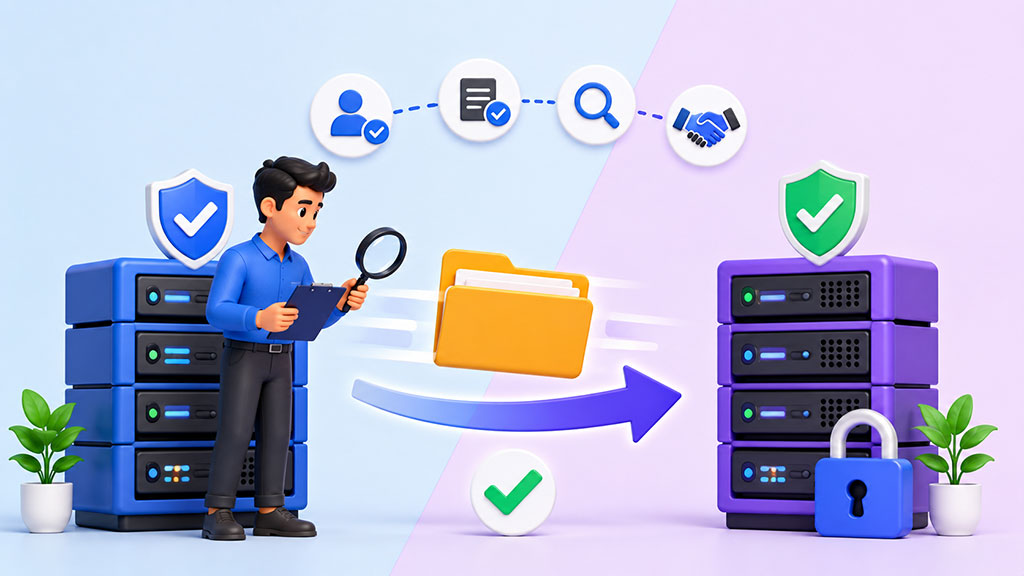
While our focus is on preventing unauthorized transfers, we also need to address how we handle legitimate transfers safely. Sometimes, we need to move a domain for better features, pricing, or service.
Verifying the Receiving Registrar
Just as we carefully choose our initial registrar, we apply the same scrutiny when moving a domain.
- Reputation and Security Measures: We thoroughly research the new registrar’s reputation, security practices, and customer support. Are they ICANN-accredited? Do they offer 2FA? What are their incident response protocols?
- Transparency in Pricing and Policies: We ensure the new registrar’s pricing structure is clear and their transfer policies are transparent. Hidden fees or overly complex processes can be red flags.
The EPP Code: Our Golden Key
The EPP (Extensible Provisioning Protocol) code is the critical piece of information required for a domain transfer. It’s like the secret handshake that validates our ownership.
- Treating the EPP Code as Highly Confidential: We treat the EPP code with the utmost secrecy. We never share it through insecure channels (like unencrypted email) and only provide it directly to the registrar we are transferring to after we have initiated the transfer process.
- Requesting the EPP Code Securely: We always request the EPP code directly from our current registrar’s secure control panel. We avoid clicking links in emails to request it, as these could be phishing attempts.
Post-Transfer Verification
Our work isn’t done just because the transfer notification arrives. We have a robust post-transfer verification process.
- Confirming Ownership and DNS Settings: After a transfer, we immediately log into the new registrar’s portal to confirm that the domain is officially under our account and that the DNS settings (pointing to our website, email servers, etc.) are correctly configured.
- Re-enabling Security Features: We re-enable all security features, including the transfer lock and 2FA, with the new registrar immediately after the transfer is complete.
What to Do If We Suspect a Compromise
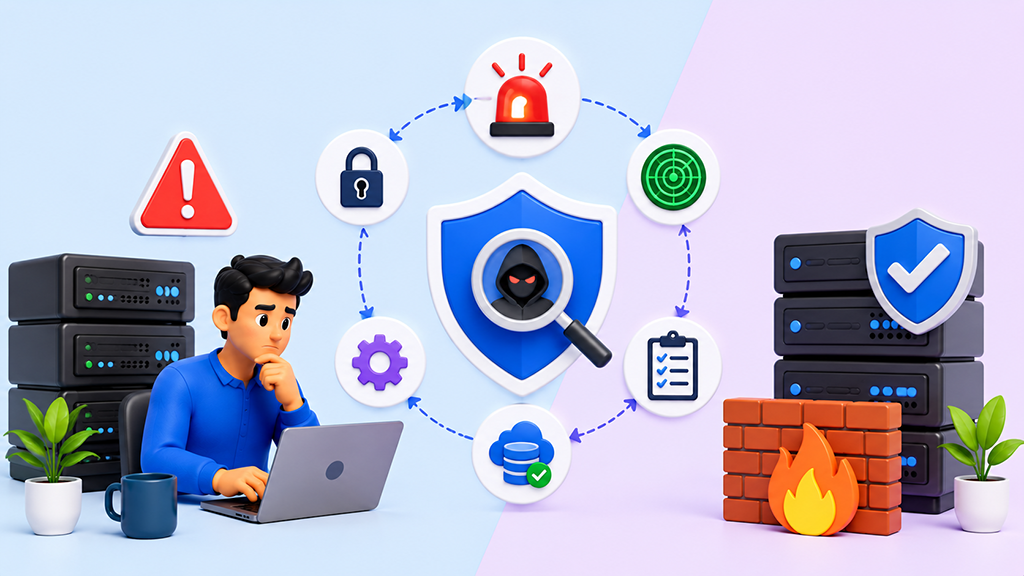
Despite our best efforts, we must be prepared for the worst-case scenario. If we suspect our domain is being or has been transferred without our authorization, we act swiftly and decisively.
Immediate Action: Containment is Key
Time is of the essence when a security breach is suspected. We follow a clear, rapid response protocol.
- Contact Our Registrar Immediately: Our first and most critical step is to contact our current domain registrar’s support team via phone and email. We explain the situation clearly and provide any evidence we have (suspicious emails, activity logs, etc.).
- Change All Relevant Passwords: We immediately change the passwords for our domain registrar account, any associated email accounts, and any other accounts that share similar credentials. We use strong, unique passwords for each.
- Enable/Verify 2FA: We ensure 2FA is enabled on all critical accounts, especially those related to our domain, and verify its proper functioning.
Gathering Evidence and Filing Complaints
While the registrar is working on our case, we actively participate in gathering information.
- Document Everything: We meticulously document all communications, timestamps, evidence of suspicious activity, and any steps we’ve taken. This evidence will be crucial if we need to escalate the issue.
- File a Complaint with ICANN: If our registrar is unresponsive or unhelpful, we escalate the issue by filing a complaint with ICANN (the Internet Corporation for Assigned Names and Numbers), the governing body for domain names. They have procedures in place for handling unauthorized transfers.
- Report to Law Enforcement (If Applicable): For severe cases involving financial loss or significant brand damage, we consider reporting the incident to local law enforcement agencies and relevant cybersecurity authorities.
Restoring Our Domain and Digital Integrity
Once the immediate threat is contained, our focus shifts to full recovery.
- Working with Our Registrar for Restoration: We cooperate fully with our registrar to initiate the process of reversing the unauthorized transfer and regaining control of our domain. This can sometimes be a lengthy process, but persistence is key.
- Auditing and Hardening Remaining Systems: After a breach, we conduct a thorough audit of all our related digital assets – websites, hosting accounts, email services – to ensure no other vulnerabilities exist and to strengthen our overall security posture. This often involves reviewing access logs, installing security updates, and performing vulnerability scans.
To ensure the security of your online presence, it’s crucial to understand the steps necessary to protect your domain from unauthorized transfers. A related article that can provide valuable insights on establishing a secure foundation for your online endeavors is available here. By exploring this resource, you can learn how to effectively start a blog in 2023, which includes essential tips on safeguarding your domain and maintaining control over your digital assets. For more information, check out the article on starting a blog in 2023.
Our Ongoing Commitment to Domain Security
As our digital operations grow, so does the number of people who interact with our online assets.
- Internal Training Programs: We implement internal training programs for anyone who has access to our domain management panels or other critical accounts. This training covers phishing awareness, password hygiene, and the importance of 2FA.
- Clear Policies and Procedures: We establish clear policies and procedures for handling domain-related tasks, including transfers, renewals, and account access. This minimizes human error and ensures a consistent approach to security.
By adhering to these comprehensive strategies, we build a formidable defense against unauthorized domain transfers. Our domains are precious, and by working together and employing these best practices, we ensure they remain precisely where they belong: under our control. We advocate for a proactive, vigilant, and informed approach to domain security, protecting our digital presence for years to come.
FAQs
What is an unauthorized domain transfer?
An unauthorized domain transfer occurs when someone attempts to transfer a domain to another registrar without the permission of the domain owner.
How can I protect my domain from unauthorized transfers?
You can protect your domain from unauthorized transfers by enabling domain lock, using two-factor authentication, and regularly monitoring your domain registration account for any unauthorized activity.
What is domain lock?
Domain lock, also known as registrar lock, is a security feature provided by domain registrars that prevents unauthorized transfers of your domain to another registrar.
What is two-factor authentication and how does it help protect my domain?
Two-factor authentication adds an extra layer of security to your domain registration account by requiring a second form of verification, such as a code sent to your mobile device, in addition to your password.
What should I do if I suspect unauthorized activity on my domain registration account?
If you suspect unauthorized activity on your domain registration account, you should immediately contact your domain registrar and change your account password. You should also review your domain settings and update any security measures as necessary.









Add comment