

Are you an emerging business with a brilliant product or service, but your website isn’t quite reflecting that brilliance in its growth? You’ve invested time, effort, and passion into your startup, and now it’s time to ensure your digital storefront is working just as hard. This guide is designed specifically for you – a burgeoning entrepreneur seeking to supercharge your online presence and translate digital efforts into tangible business expansion. Forget the passive approach; today, we’re diving into proactive strategies that will transform your website from a static brochure into a dynamic growth engine.
Before you can build a skyscraper, you need a strong foundation. The same applies to your website. Without a solid technical and structural base, all your marketing efforts will be like pouring water into a leaky bucket. This isn’t just about aesthetics; it’s about functionality, performance, and user experience.
Optimize for Speed and Responsiveness
In today’s fast-paced digital world, users have zero patience for slow websites. Every second counts. If your site takes more than a few seconds to load, you’re not just losing potential customers; you’re also hurting your search engine rankings. Google prioritizes fast-loading, mobile-friendly websites, making this a non-negotiable aspect of your growth strategy.
Prioritize Image Optimization
Large, unoptimized images are often the biggest culprits behind slow loading times. Before uploading any image, ensure you compress it without sacrificing quality. Tools like TinyPNG or ImageOptim can significantly reduce file sizes. Consider using next-generation image formats like WebP as well.
Leverage Browser Caching
Browser caching stores parts of your website on a user’s computer after their first visit. This means that when they return, your site loads much faster because their browser doesn’t have to download everything again. It’s a simple yet powerful way to improve repeat visitor experience.
Implement a Content Delivery Network (CDN)
A CDN distributes your website’s content across multiple servers located in different geographical regions. When a user accesses your site, the content is delivered from the server closest to them, dramatically reducing load times, especially for a global audience.
Ensure Intuitive User Experience (UX)
A beautiful website is useless if users can’t find what they’re looking for or become frustrated navigating it. Your website’s UX is paramount to visitor retention and conversion. Think of your website as a helpful guide; it should effortlessly lead users to their desired information or action.
Create a Clear Navigation Structure
Your website’s menu should be easy to understand and logically organized. Use descriptive labels for your menu items, and avoid jargon. Users should be able to intuitively find products, services, contact information, and any other crucial pages. Consider a sitemap to aid both users and search engines.
Design for Mobile-First
With the majority of internet users accessing websites from their mobile devices, a mobile-responsive design is no longer an option – it’s a necessity. Your website should seamlessly adapt to different screen sizes and orientations, providing an optimal viewing experience regardless of the device. Test your website rigorously on various mobile devices.
Simplify Your Content Layout
Cluttered pages overwhelm users and make it difficult to digest information. Use ample white space, break up long paragraphs with headings and bullet points, and choose legible fonts. Your goal is to make your content easy to scan and understand at a glance.
In the realm of Website Growth Planning for Emerging Businesses, it’s essential to consider various factors that can enhance your online presence and performance. One such factor is the speed of your website, which can significantly impact user experience and conversion rates. For insights on how faster NVMe storage can boost your business’s performance, check out this informative article: Boost Your Business with Faster NVMe Storage. This resource provides valuable information on optimizing your website’s speed, which is crucial for growth in today’s competitive digital landscape.
Unleashing the Power of Search Engine Optimization (SEO)
You’ve built a great website, but how will people find it? That’s where SEO comes in. SEO is the process of optimizing your website to rank higher in search engine results for relevant keywords. It’s about attracting organic traffic – visitors who are actively searching for what you offer – and it’s a long-term investment that yields significant returns.
Keyword Research: The Cornerstone of Your Strategy
Before you can optimize, you need to understand what your target audience is searching for. Keyword research isn’t just about finding popular terms; it’s about uncovering keywords with the right search intent and low competition that you can realistically rank for.
Identify Your Niche Keywords
Don’t just go for the broadest terms. While “shoes” might have high search volume, it’s incredibly competitive. Instead, focus on long-tail keywords like “sustainable vegan running shoes for women” or “affordable custom wedding cakes New York City.” These phrases have lower search volume but much higher conversion rates because they reflect specific user intent.
Analyze Competitor Keywords
Use keyword research tools (like Ahrefs, SEMrush, or Google Keyword Planner) to see what keywords your competitors are ranking for. This can reveal valuable insights into opportunities you might be missing or provide inspiration for your own keyword strategy.
Understand Search Intent
Keywords can have different intents: informational (e.g., “how to start a podcast”), navigational (e.g., “Nike store near me”), or transactional (e.g., “buy noise-cancelling headphones”). Tailor your content to match the user’s intent for each keyword.
On-Page SEO: Optimizing Your Content and Structure
Once you have your keywords, it’s time to strategically incorporate them into your website’s content and technical elements. On-page SEO is everything you can control on your actual website to improve its search engine ranking.
Craft Compelling Title Tags and Meta Descriptions
These are often the first things users see in search results. Your title tag should be concise, include your primary keyword, and entice users to click. Your meta description should be a compelling, keyword-rich summary of the page’s content, encouraging further exploration.
Optimize Your Headings (H1, H2, H3)
Headings break up your content, making it more readable for users and helping search engines understand your page’s structure and main topics. Your H1 tag should contain your primary keyword, and subsequent H2s and H3s should include relevant secondary keywords.
Prioritize High-Quality, Relevant Content
Google’s algorithms are increasingly sophisticated and prioritize content that genuinely answers user queries and provides value. Don’t just stuff keywords; write comprehensive, engaging, and authoritative content that demonstrates your expertise in your niche. Aim for depth and originality.
Technical SEO: Behind-the-Scenes Optimization
Technical SEO ensures that search engines can easily crawl, interpret, and index your website. This involves aspects like site structure, sitemaps, and even addressing potential penalty issues.
Create an XML Sitemap
An XML sitemap lists all the important pages on your website, making it easier for search engines to discover and index them. Submit your sitemap to Google Search Console and Bing Webmaster Tools.
Implement Schema Markup
Schema markup is a type of microdata that you add to your HTML to help search engines better understand the content on your pages. This can lead to rich snippets in search results (e.g., star ratings, prices), making your listings more appealing and increasing click-through rates.
Fix Broken Links and Redirects
Broken links (404 errors) create a frustrating user experience and signal to search engines that your site might be poorly maintained. Regularly audit your website for broken links and implement 301 redirects for any pages that have moved or been deleted.
Engaging Your Audience Through Content Marketing
SEO gets people to your website, but compelling content keeps them there and converts them into customers. Content marketing is about creating and distributing valuable, relevant, and consistent content to attract and retain a clearly defined audience – and ultimately, to drive profitable customer action.
Blog Posts and Articles: Establish Yourself as an Authority
A blog is one of the most effective ways to drive organic traffic, build authority, and engage your audience. It allows you to address common questions, share industry insights, and showcase your expertise.
Solve Your Audience’s Problems
Don’t just write about your products. Think about the problems your target audience faces and how your business can offer solutions. For example, if you sell productivity software, write about “5 Time Management Hacks for Small Business Owners” or “How to Reduce Digital Distractions.”
Create Cornerstone Content
These are comprehensive, evergreen pieces of content that are central to your business. They are typically longer, more in-depth, and cover a broad topic in your niche. Think of them as your ultimate guides or definitive resources.
Maintain a Consistent Publishing Schedule
Regularly publishing fresh content signals to search engines that your site is active and provides up-to-date information. It also keeps your audience engaged and coming back for more.
Visual Content: Captivating and Shareable
In a visually-driven world, incorporating images, infographics, and videos into your content strategy is crucial for engagement and shareability.
Infographics for Complex Data
Infographics are excellent for presenting complex data or processes in an easy-to-understand and visually appealing format. They are highly shareable on social media and can generate valuable backlinks.
Video Content for Deeper Engagement
Video marketing is booming. Create short, engaging videos that explain your products, offer tutorials, share customer testimonials, or provide behind-the-scenes glimpses of your business. Host them on platforms like YouTube and embed them on your website.
High-Quality Images and Graphics
Don’t just throw up any old image. Use high-quality, relevant images and custom graphics that enhance your content and reflect your brand’s aesthetic. Stock photos can be used, but personalized graphics perform much better.
Email Marketing: Nurturing Leads and Building Relationships
Email remains one of the most effective ways to directly communicate with your audience, nurture leads, and drive conversions. It’s a powerful tool for building lasting relationships and encouraging repeat business.
Build Your Email List Organically
Offer valuable incentives like free e-books, exclusive guides, or discount codes in exchange for email sign-ups. Place prominent sign-up forms on your website, especially on your blog and product pages.
Segment Your Audience
Don’t send the same email to everyone. Segment your email list based on factors like purchase history, interests, or how they interacted with your website. This allows you to send highly targeted and personalized content.
Automate Your Email Sequences
Set up automated email sequences for various stages of the customer journey: welcome emails for new subscribers, abandoned cart reminders, post-purchase follow-ups, and re-engagement campaigns for inactive users.
Leveraging Social Media and Paid Advertising

While organic growth is vital, sometimes you need to give your website a boost, especially when you’re just starting out. Social media and targeted paid advertising can significantly accelerate your reach and drive highly qualified traffic to your site.
Social Media Presence: Building Community and Driving Traffic
Social media isn’t just for viral memes; it’s a powerful tool for building brand awareness, engaging with your audience, and directing traffic back to your website.
Choose the Right Platforms
Don’t try to be everywhere. Identify which social media platforms your target audience uses most frequently and focus your efforts there. Are they on Instagram for visual content, LinkedIn for professional networking, or TikTok for short-form videos?
Share Valuable Website Content
Don’t just post product promotions. Share your blog posts, infographics, and videos. Provide snippets of information that entice users to click through to your website for the full article or resource.
Engage with Your Audience
Social media is a two-way street. Respond to comments and messages, ask questions, run polls, and participate in relevant discussions. Building a genuine community around your brand fosters loyalty and advocacy.
Paid Advertising: Scaling Your Reach and Conversions
Paid advertising on platforms like Google Ads and social media (Facebook Ads, Instagram Ads) allows you to target specific demographics and interests, putting your website in front of potential customers who are most likely to convert.
Google Search Ads for Intent-Based Traffic
If you offer a solution to a problem, Google Search Ads are incredibly effective. You can bid on relevant keywords, ensuring your website appears at the top of search results when users are actively looking for what you offer.
Social Media Ads for Targeted Awareness
Facebook and Instagram Ads allow for incredibly precise targeting based on demographics, interests, behaviors, and even custom audiences (like uploading your email list). This is ideal for building brand awareness, driving traffic to specific landing pages, and retargeting users who have visited your site but haven’t converted.
Set Clear Goals and Track ROI
Before launching any ad campaign, define what you want to achieve (e.g., website visits, leads, sales). Continuously monitor your ad performance, analyze your return on investment (ROI), and optimize your campaigns based on the data. Don’t waste money on underperforming ads.
Effective website growth planning is crucial for emerging businesses looking to establish a strong online presence. One aspect that can significantly impact this growth is local SEO, which helps businesses rank higher in search results for nearby customers. For those interested in enhancing their local visibility, a related article offers valuable insights on this topic. You can read more about optimizing your business for local searches in this informative piece on local SEO for Pakistani businesses. Implementing these strategies can lead to increased traffic and ultimately drive growth for your emerging business.
Analyzing and Adapting for Continuous Growth
| Metrics | Year 1 | Year 2 | Year 3 |
|---|---|---|---|
| Website Traffic | 1000 visitors/month | 3000 visitors/month | 6000 visitors/month |
| Conversion Rate | 2% | 3% | 5% |
| Revenue | 10,000 | 30,000 | 60,000 |
| Customer Acquisition Cost | 50 | 40 | 30 |
Growth isn’t a one-time event; it’s an ongoing process of measurement, analysis, and adaptation. You need to understand what’s working, what’s not, and how you can continuously improve your website and marketing efforts.
Harnessing Web Analytics Tools
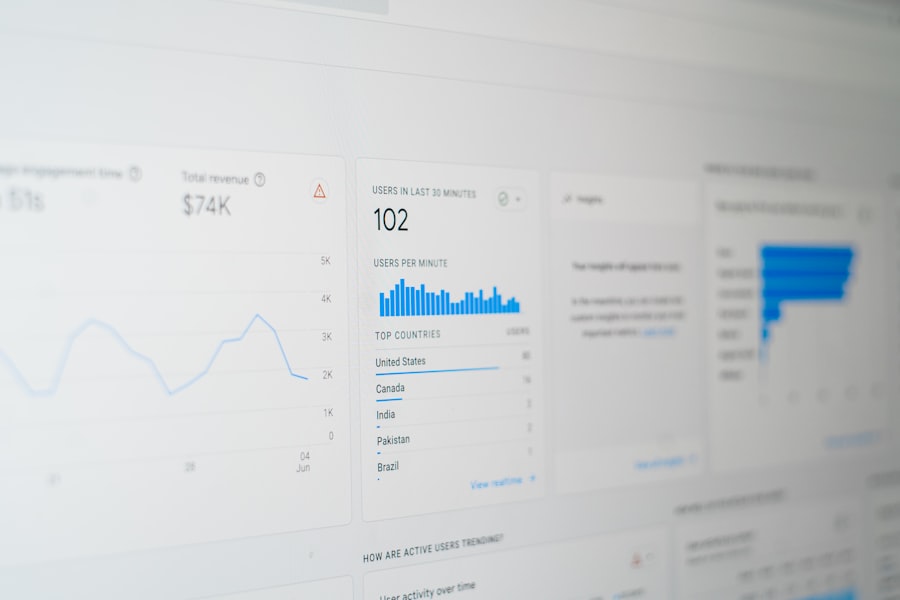
Tools like Google Analytics are your best friends when it comes to understanding your website’s performance. They provide invaluable data that informs your growth strategies.
Track Key Performance Indicators (KPIs)
Don’t get bogged down in every metric. Focus on KPIs that directly relate to your business goals. These might include website traffic, bounce rate, time on page, conversion rate, lead generation, and sales.
Understand User Behavior
Analytics can show you where users are coming from, which pages they visit, how long they stay, and where they exit your site. This information can highlight areas for improvement, such as confusing navigation or unengaging content.
Identify Traffic Sources
Knowing whether your traffic comes primarily from organic search, social media, referrals, or paid ads helps you allocate your resources more effectively. Doubling down on what’s working and refining what isn’t is key.
A/B Testing for Enhanced Performance
A/B testing (or split testing) involves comparing two versions of a webpage or element to see which one performs better. It’s a powerful method for making data-driven decisions about your website.
Test Headlines and Call-to-Actions (CTAs)
Small changes can yield significant results. Experiment with different headlines to see which ones grab more attention. Test different wording, colors, and placements for your CTAs (e.g., “Shop Now,” “Learn More,” “Get a Quote”) to maximize clicks.
Experiment with Page Layouts and Elements
Try different arrangements of content, image placements, form designs, and even color schemes. A/B testing can reveal subtle preferences that impact user engagement and conversion rates.
Optimize for Conversions
Every element on your website should ideally contribute to a conversion goal, whether it’s a purchase, a form submission, or a download. Use A/B testing to refine your conversion funnels and eliminate friction points.
Staying Ahead of Trends and Updates
The digital landscape is constantly evolving. What works today might not work tomorrow. To sustain long-term growth, you need to stay informed and be prepared to adapt.
Monitor Algorithm Changes
Search engine algorithms are regularly updated. Keep an eye on announcements from Google and other major search engines, and be prepared to adjust your SEO strategy accordingly.
Embrace New Technologies
New technologies like AI, voice search, and augmented reality are continually emerging. Consider how these could impact your industry and how you might leverage them to enhance your website and user experience.
Continuously Learn and Iterate
The most successful businesses are those that never stop learning and iterating. Regularly review your strategies, solicit feedback, and be open to making changes based on data and new insights. Your website is a living, breathing entity; treat it as such.
By systematically applying these strategies, you’re not just building a website; you’re building a foundational asset for your emerging business, one that will tirelessly attract, engage, and convert new customers, propelling you towards sustained and significant growth. It takes effort, consistency, and a data-driven mindset, but the rewards are well worth the investment. Now, go forth and grow!
FAQs
What is website growth planning for emerging businesses?
Website growth planning for emerging businesses involves creating a strategic plan to expand and improve the company’s online presence. This can include setting goals, identifying target audiences, and implementing tactics to increase website traffic and conversions.
Why is website growth planning important for emerging businesses?
Website growth planning is important for emerging businesses because it helps them establish a strong online presence, attract new customers, and increase revenue. It also allows businesses to stay competitive in the digital marketplace and adapt to changing consumer behaviors.
What are some key components of website growth planning?
Key components of website growth planning include conducting a website audit, setting measurable goals, identifying target audiences, creating a content strategy, implementing search engine optimization (SEO) tactics, and utilizing digital marketing channels such as social media and email marketing.
How can emerging businesses measure the success of their website growth planning efforts?
Emerging businesses can measure the success of their website growth planning efforts by tracking key performance indicators (KPIs) such as website traffic, conversion rates, bounce rates, and keyword rankings. They can also use tools like Google Analytics to gain insights into user behavior and website performance.
What are some common challenges that emerging businesses may face in website growth planning?
Common challenges that emerging businesses may face in website growth planning include limited resources, lack of expertise, intense competition, and rapidly changing digital trends. It’s important for businesses to stay informed about industry best practices and seek professional assistance when needed.









Add comment