

You’re accustomed to the hum of your servers, the familiar rhythm of data flowing. You’ve diligently chosen your web hosting, optimized your content, and perhaps even dabbled in caching strategies. But as your website grows, as its demands become more intricate, you find yourself hitting invisible walls. Performance, once adequate, now feels like a bottleneck. You’re ready to break through, and that’s where High-Performance Computing (HPC) in web hosting enters the conversation. This isn’t just about cramming more RAM into a server; it’s a paradigm shift, a way to leverage raw power and sophisticated architecture to deliver an unparalleled user experience, even under the most demanding conditions.
You might associate HPC with scientific research, complex simulations, or large-scale data analysis. While those are indeed core applications, the principles underlying HPC are directly transferable and incredibly beneficial to modern web hosting. At its heart, HPC is about achieving massive computational power by harnessing a multitude of interconnected processors, often working in parallel. For your website, this translates to an ability to handle far more concurrent requests, process complex queries in fractions of a second, and offer a consistently fast and responsive experience, regardless of traffic spikes.
The Traditional Hosting Dilemma: Bottlenecks Galore
Think about your current hosting setup. It’s likely built around a shared server, a dedicated server, or perhaps a virtual private server (VPS). Each has its limitations. On shared hosting, your performance is intrinsically tied to your neighbors. A sudden surge in traffic to their site can directly impact yours, leading to sluggish load times and frustrated visitors. Dedicated servers offer more control but are still fundamentally single units. If your application demands immense processing power or needs to crunch vast amounts of data in real-time, a single server, no matter how robust, can become overwhelmed. VPS offers some isolation, but the underlying physical hardware is still shared to some degree, and resource allocation can become a point of contention.
What Exactly is “High Performance” in This Context?
When we talk about “high performance” in web hosting powered by HPC, we’re not just talking about slightly faster page loads. We’re talking about a transformative leap.
Sub-Millisecond Latency: The Near-Instantaneous Response
Imagine users clicking on your links and having the content appear before their eyes have fully registered the action. This is the realm of sub-millisecond latency. HPC infrastructure, with its distributed nature and optimized networking, can significantly reduce the time it takes for requests to travel from the user to your server and back. This is crucial for applications that rely on real-time interactions, such as online gaming, live trading platforms, or dynamic data visualizations.
Massive Scalability: Riding the Wave of Demand
You’ve experienced the dread of a viral marketing campaign or a major news event that sends traffic soaring. Traditional hosting often buckles under such pressure, leading to downtime or severely degraded performance. HPC environments are designed for massive scalability. Resources can be spun up and down dynamically, allowing your website to seamlessly handle millions of concurrent users without breaking a sweat. This is not just about having more servers; it’s about an intelligent system that can reallocate computational power and network bandwidth precisely when and where it’s needed.
Complex Data Processing: Beyond Simple Content Delivery
Modern websites are no longer just static pages. They are dynamic engines that process user data, run algorithms, perform complex searches, and often integrate with AI and machine learning models. These operations can be computationally intensive. HPC environments provide the raw processing power to execute these tasks at speeds unimaginable on conventional hosting. Think about personalized recommendations, real-time fraud detection, or sophisticated analytics dashboards – these are all areas where HPC can unlock new levels of functionality and user engagement.
High Performance Computing (HPC) has become increasingly relevant in the realm of web hosting, particularly for businesses that require robust processing power to handle large datasets and complex computations. For those interested in enhancing their web hosting capabilities, a related article that provides valuable insights is available at How to Build a One Page Website in 10 Easy Steps. This resource offers practical guidance on optimizing website performance, which can be crucial for leveraging HPC technologies effectively.
Architecting for Speed: The Foundation of HPC Hosting
To effectively leverage HPC for your web hosting needs, you need to understand the underlying architectural principles. It’s not about simply plugging in a few supercomputers; it’s about a thoughtfully designed ecosystem.
Distributed Systems: The Power of Many
The cornerstone of HPC is its distributed nature. Instead of relying on a single, powerful machine, HPC systems harness the combined power of numerous interconnected computing nodes. These nodes can be located geographically, creating a resilient and highly available infrastructure.
Parallel Processing: Divided We Conquer
This distributed architecture enables parallel processing, a technique where complex tasks are broken down into smaller sub-tasks and executed simultaneously across multiple processors. For web hosting, this means that incoming requests can be handled by different nodes, distributing the workload and preventing any single point of failure or performance degradation. This is particularly impactful for tasks like database queries, computationally intensive rendering, or processing large data streams.
Network Topology: The Unseen Arteries of Data
The way these computing nodes are interconnected is critical. HPC systems utilize specialized high-speed network topologies, such as InfiniBand or high-performance Ethernet, designed to minimize latency and maximize bandwidth between nodes. This high-speed interconnect ensures that data can flow seamlessly between processors, enabling efficient collaboration and rapid processing of distributed tasks. For your website, this translates to faster data retrieval and processing, even when your application involves multiple components spread across different servers.
Specialized Hardware: Beyond the Off-the-Shelf
While commodity hardware forms the backbone of many computing systems, HPC environments often incorporate specialized hardware designed for maximum efficiency and raw power.
High-End CPUs and GPUs: The Processing Powerhouses
HPC clusters are typically populated with the latest and most powerful CPUs, offering immense single-core performance for traditional processing tasks. Furthermore, the integration of Graphics Processing Units (GPUs) has become increasingly prevalent. Originally designed for graphics rendering, GPUs are exceptionally adept at parallel processing of large datasets, making them ideal for machine learning, scientific simulations, and other highly parallelizable workloads that can benefit your web applications.
Optimized Storage Solutions: Blazing Fast Data Access
The speed at which your servers can access and process data is a major performance determinant. HPC hosting often utilizes optimized storage solutions, such as distributed file systems, NVMe SSDs, and in-memory databases. These technologies dramatically reduce I/O bottlenecks, allowing for near-instantaneous data retrieval and manipulation, which is crucial for dynamic websites and data-intensive applications.
Implementing HPC in Your Web Hosting Strategy

You’re convinced of the potential. Now, how do you actually integrate HPC into your web hosting journey? This isn’t a simple plug-and-play scenario, but rather a strategic adoption.
Choosing the Right HPC-Powered Hosting Provider
The first and most crucial step is selecting a hosting provider that specializes in or offers HPC-enabled solutions. These are not your typical shared hosting providers.
Understanding Provider Offerings: Beyond the Buzzwords
When evaluating providers, go beyond generic claims of “high performance.” Dig deep into their infrastructure. Do they explicitly mention HPC clusters? What are their networking capabilities? What types of processors (CPU/GPU) do they utilize? Are they transparent about their data center architecture and scalability options? Look for providers who can articulate how their infrastructure translates into tangible benefits for your specific web application.
Scalability and Flexibility: Growing with Your Needs
Your website’s needs will evolve. Your hosting solution must be able to evolve with you. An ideal HPC hosting provider will offer granular scalability, allowing you to adjust resources up or down as demand fluctuates, without significant downtime or complex migrations. This could range from easily adding more processing cores to scaling out your entire application stack across their HPC infrastructure.
Application Design for HPC Environments
Simply migrating a poorly designed application onto an HPC platform won’t magically make it performant. You need to optimize your application to take full advantage of the underlying architecture.
Leveraging Parallelism in Your Code
If your application involves tasks that can be broken down and executed simultaneously, actively design your code to exploit this. This might involve using multi-threading, asynchronous programming, or leveraging distributed computing frameworks. For computationally intensive tasks like data analysis or image processing, explore libraries and frameworks that are optimized for parallel execution on multi-core processors and GPUs.
Optimizing Data Access Patterns
The speed of your application is often dictated by how efficiently it can access and process data. Analyze your data access patterns. Are you making excessive database calls? Can you cache frequently accessed data? In an HPC environment, consider using distributed databases, in-memory data stores, or optimized file systems to ensure rapid data retrieval.
Middleware and Orchestration Tools: The Glue of HPC
Managing a complex HPC environment requires sophisticated middleware and orchestration tools. These are the technologies that enable efficient resource allocation, task scheduling, and monitoring.
Containerization and Orchestration (Kubernetes, Docker Swarm)
Containerization technologies like Docker allow you to package your application and its dependencies into portable units. Orchestration platforms like Kubernetes then manage the deployment, scaling, and networking of these containers across the HPC cluster. This provides a robust and automated way to manage your applications, ensuring they are always running efficiently and can scale dynamically.
Workload Schedulers and Resource Management
HPC environments often employ sophisticated workload schedulers (e.g., Slurm, LSF) to intelligently allocate computational resources to various tasks. As a user, understanding how these schedulers work and how to submit your jobs effectively can significantly improve your application’s execution time and resource utilization. This involves defining resource requirements, priorities, and dependencies for your tasks.
Optimizing Database Performance in an HPC Context
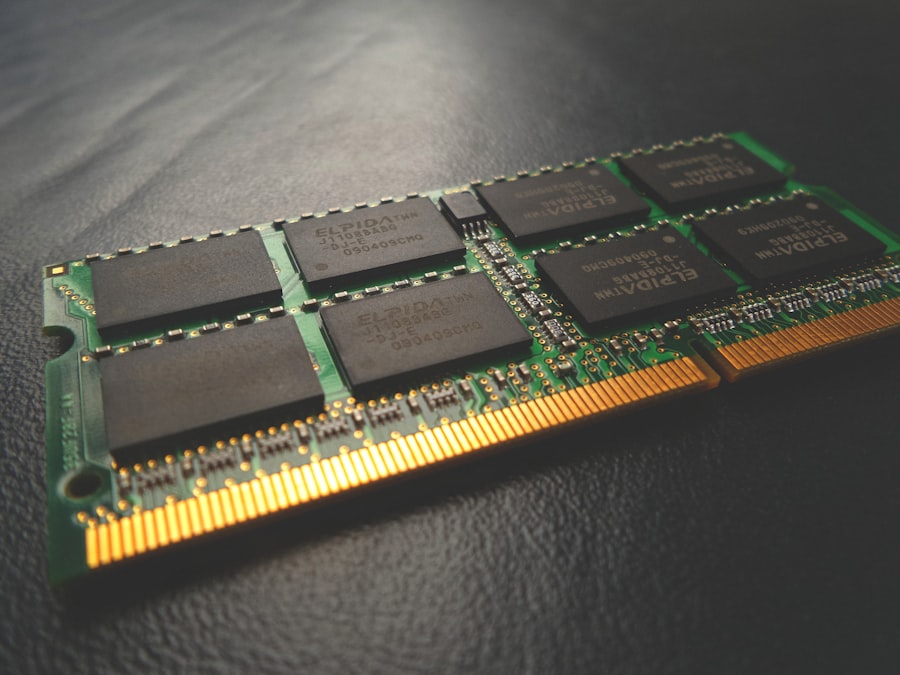
Databases are often the heart of any dynamic web application. In an HPC environment, optimizing database performance is paramount to unlocking the full potential of your hosting.
Distributed Databases: Scaling Out Your Data Storage
Traditional relational databases can struggle with massive scale. HPC environments often support or are built around distributed database solutions.
NoSQL Databases for Massive Data
NoSQL databases (e.g., MongoDB, Cassandra) are designed for horizontal scalability and can handle vast amounts of data distributed across multiple nodes. This makes them an excellent choice for applications that require high availability and can tolerate flexible data models, such as content management systems, user profile stores, or real-time analytics.
Sharding and Replication for Relational Databases
If you must use a relational database, techniques like sharding (horizontally partitioning data across multiple database servers) and replication (creating multiple copies of the database for read scalability and redundancy) become essential. HPC environments often provide the underlying infrastructure to support these complex configurations efficiently.
In-Memory Databases and Caching Strategies
For truly instantaneous data access, in-memory databases and aggressive caching are key.
Redis and Memcached: Accelerating Data Retrieval
In-memory data stores like Redis and Memcached can store frequently accessed data in RAM, allowing for retrieval in microseconds. Implementing these as efficient caching layers for your primary database can dramatically reduce load times for your website.
Database Query Optimization in a Distributed Environment
Even with powerful hardware, inefficient database queries can still be a bottleneck. In an HPC context, this means ensuring your queries are optimized for distributed execution. This might involve understanding how your chosen database distributes data and tailoring your queries to minimize cross-node communication and data shuffling.
High Performance Computing (HPC) has become increasingly relevant in the realm of web hosting, as businesses seek to enhance their computational capabilities and manage large datasets efficiently. A related article that delves into the intricacies of web hosting solutions is available at this link, where you can explore how different hosting environments, including Linux, can support high-performance applications. Understanding these hosting options is crucial for organizations aiming to optimize their online presence and leverage advanced computing resources effectively.
Security and Reliability in HPC Web Hosting
| Metrics | Data |
|---|---|
| Processor | Multi-core CPUs for parallel processing |
| Memory | High RAM capacity for handling large datasets |
| Storage | SSD storage for fast data access |
| Network | High-speed connectivity for data transfer |
| Scalability | Elastic infrastructure for handling varying workloads |
| Performance Monitoring | Real-time monitoring and optimization for peak performance |
With great power comes great responsibility. When you’re operating on an HPC infrastructure, security and reliability take on a new dimension.
Enhanced Security Through Distributed Architecture
The distributed nature of HPC can inherently enhance security.
Redundancy and Fault Tolerance: No Single Point of Failure
HPC systems are built with redundancy at their core. If one computing node fails, others can seamlessly take over its workload, ensuring your website remains available. This inherent fault tolerance significantly reduces the risk of downtime, which can be a major security concern.
DDoS Mitigation Built into the Core Infrastructure
Many HPC providers offer robust, built-in Distributed Denial of Service (DDoS) mitigation as part of their core infrastructure. Their massive network capacity and intelligent traffic filtering can absorb and deflect malicious traffic far more effectively than traditional hosting solutions.
Proactive Monitoring and Management
Operating an HPC environment demands vigilant monitoring and proactive management.
Real-time Performance Monitoring
Sophisticated monitoring tools are essential to track the health and performance of every component within the HPC cluster. This allows for early detection of anomalies, potential bottlenecks, and security threats, enabling swift intervention.
Automated Resource Allocation and Anomaly Detection
HPC environments often feature automated systems that dynamically allocate resources based on demand and detect unusual patterns that might indicate security breaches or performance issues. This proactive approach helps maintain optimal performance and security.
The Future of Web Hosting: Embracing HPC for Competitive Advantage
You’re likely already seeing the trend. As the digital landscape becomes more demanding, traditional hosting models are showing their limitations. Embracing HPC in your web hosting strategy is not just about keeping up; it’s about gaining a significant competitive advantage.
Staying Ahead of the Curve in a Data-Driven World
The future of online experiences is increasingly data-driven, interactive, and real-time. Websites that can offer instantaneous responses, handle massive amounts of concurrent users, and provide sophisticated, personalized experiences will be the ones that thrive. HPC provides the foundational power to deliver these advanced capabilities.
Driving Innovation and New Application Possibilities
By leveraging HPC, you unlock the potential for entirely new types of web applications. Think about real-time collaborative platforms, immersive virtual experiences, complex AI-driven services, or advanced data processing and analytics delivered directly through your website. HPC removes the computational barriers that previously limited such innovations.
For you, the discerning website owner or developer, the move towards HPC-powered web hosting is a strategic investment in the future. It’s about ensuring your online presence is not just functional, but exceptional. It’s about delivering an experience so seamless, so powerful, that your users barely notice the technology behind it, but they certainly feel its impact. By understanding the principles, choosing the right partners, and optimizing your applications, you can harness the immense power of HPC and redefine what’s possible for your website.
FAQs
What is high performance computing in web hosting?
High performance computing in web hosting refers to the use of advanced computing technologies and resources to deliver faster and more efficient web hosting services. This includes the use of powerful servers, advanced networking infrastructure, and optimized software to handle high volumes of traffic and complex applications.
What are the benefits of high performance computing in web hosting?
Some of the benefits of high performance computing in web hosting include faster website loading times, improved scalability to handle increased traffic, better security measures, and the ability to run resource-intensive applications and databases more efficiently.
How does high performance computing impact website performance?
High performance computing can significantly impact website performance by reducing latency, improving server response times, and ensuring that websites can handle spikes in traffic without experiencing downtime or slowdowns. This can lead to a better user experience and higher customer satisfaction.
What are some examples of high performance computing technologies used in web hosting?
Examples of high performance computing technologies used in web hosting include solid state drives (SSDs) for faster data access, content delivery networks (CDNs) for optimized content delivery, and advanced load balancing and caching techniques to distribute traffic and improve website performance.
How can businesses benefit from high performance computing in web hosting?
Businesses can benefit from high performance computing in web hosting by ensuring that their websites and applications are always available and responsive, which can lead to increased customer engagement, higher conversion rates, and a competitive edge in the online marketplace.









Add comment