

You’re likely reading this on a device connected to the internet, a vast network powered by an ever-growing infrastructure of data centers. You probably haven’t given much thought to where that data lives or how it’s kept running, but you should. Because the energy consumption of these digital titans is a growing concern, and if you’re involved in building or running websites, applications, or any online service, you have a part to play in mitigating it. This article is about green hosting, and specifically, the crucial role of energy-efficient servers in this vital movement.
You might picture vast, humming buildings filled with blinking lights. And you’d be right. Data centers are the physical backbone of the digital world, storing and processing the information that drives everything from your social media feeds to complex scientific research. But behind the sleek exteriors and advanced technology lies a significant energy demand.
The Scale of the Problem
Consider this: the global digital universe is expanding at an exponential rate. Every email you send, every video you stream, every search query you make contributes to this ever-increasing demand. This translates directly into a massive appetite for electricity. Data centers are not just consuming energy; they are consuming an enormous amount of it. Some analyses suggest that the IT sector’s energy consumption, largely driven by data centers, rivals that of the entire aviation industry.
The Direct Energy Drain
The primary culprit is the sheer number of servers required to power the internet. These machines are constantly running, processing requests, and storing data. Each server, while becoming more efficient over time, still requires a substantial amount of power to operate.
The Indirect Energy Costs
It’s not just the servers themselves that draw power. Data centers are also responsible for:
Cooling Systems: A Constant Battle Against Heat
Servers generate an immense amount of heat. To prevent them from overheating and failing, massive cooling systems are employed. These can include:
- Computer Room Air Conditioners (CRACs) and Computer Room Air Handlers (CRAHs): These work like giant air conditioners, often consuming significant amounts of energy to maintain precise temperature and humidity levels.
- Chillers and Cooling Towers: For larger facilities, complex systems involving chillers that cool water, which is then pumped to cool the air within the data center, are common. Cooling towers release this heat into the atmosphere.
- Liquid Cooling: While less common in traditional setups, innovative liquid cooling solutions are emerging. These bring cooling fluids directly to the server components, offering greater efficiency but requiring specialized infrastructure.
Power Distribution Units (PDUs) and Uninterruptible Power Supplies (UPS)
Even with highly reliable power grids, data centers employ redundant power systems to ensure continuous operation. PDUs distribute power to racks of servers, and UPS systems provide a bridge of battery power in the event of an outage. While essential for reliability, these systems also have their own energy overhead.
Lighting and Other Ancillary Systems
While seemingly minor, the lighting, security systems, and other infrastructure within a data center also contribute to the overall energy consumption.
As the demand for sustainable web hosting solutions continues to rise, understanding the implications of energy-efficient servers becomes increasingly important. A related article that delves into the nuances of shared hosting and its potential benefits can be found at this link. This resource provides insights into how shared hosting can contribute to a greener internet by optimizing resource usage and reducing overall energy consumption, aligning well with the trends in green hosting.
The Rise of Green Hosting: A Necessary Evolution
Given this substantial environmental impact, the concept of “green hosting” has moved from a niche consideration to a mainstream imperative. You, as a hoster or a client of hosting services, have a responsibility to understand and embrace this evolution. Green hosting isn’t just a buzzword; it’s a commitment to minimizing the environmental impact of your digital presence.
What Exactly is Green Hosting?
At its core, green hosting refers to the practice of using hosting services that are powered by renewable energy sources. This means that the electricity used to power the servers and data center infrastructure comes from sources like solar, wind, hydro, or geothermal energy.
The Pillars of Green Hosting
Beyond just sourcing renewable energy, true green hosting encompasses a broader philosophy:
Energy Efficiency as a Primary Goal
This is where energy-efficient servers become paramount. It’s not enough to simply plug into a solar farm if your servers are inefficient and waste energy. The focus must be on reducing the total energy required in the first place.
Sustainable Data Center Design and Operation
Green hosting providers often implement sustainable practices in their data center construction and operations. This can include:
- Optimized Airflow and Cooling: Designing data centers to maximize natural cooling and minimize the need for artificial refrigeration.
- Water Conservation: Implementing water-efficient cooling systems or greywater recycling.
- Waste Reduction: Implementing recycling programs for electronic waste and other materials.
- Use of Greener Materials: Employing sustainable building materials in data center construction.
Transparency and Reporting
Reputable green hosting providers are transparent about their energy sources and their environmental performance. They often provide reports on their carbon footprint and their progress in reducing it.
Why You Should Care: The Benefits of Going Green
Your decision to choose green hosting or to implement it within your own infrastructure has tangible benefits, both for the planet and for your organization.
Environmental Stewardship
This is the most obvious benefit. By choosing green hosting, you are actively contributing to reducing greenhouse gas emissions and mitigating climate change. You’re becoming part of the solution, not part of the problem.
Enhanced Brand Reputation
Consumers and businesses are increasingly aware of environmental issues. Demonstrating a commitment to sustainability can significantly enhance your brand image, attracting environmentally conscious customers and partners.
Cost Savings Through Efficiency
While renewable energy might sometimes have a premium, the focus on energy efficiency inherent in green hosting often leads to long-term cost savings. Less energy consumed means lower electricity bills.
Future-Proofing Your Operations
As regulations around carbon emissions tighten and energy prices fluctuate, investing in energy-efficient infrastructure and renewable energy sources will become increasingly important for long-term operational stability and cost predictability.
The Heart of the Matter: Energy Efficient Servers
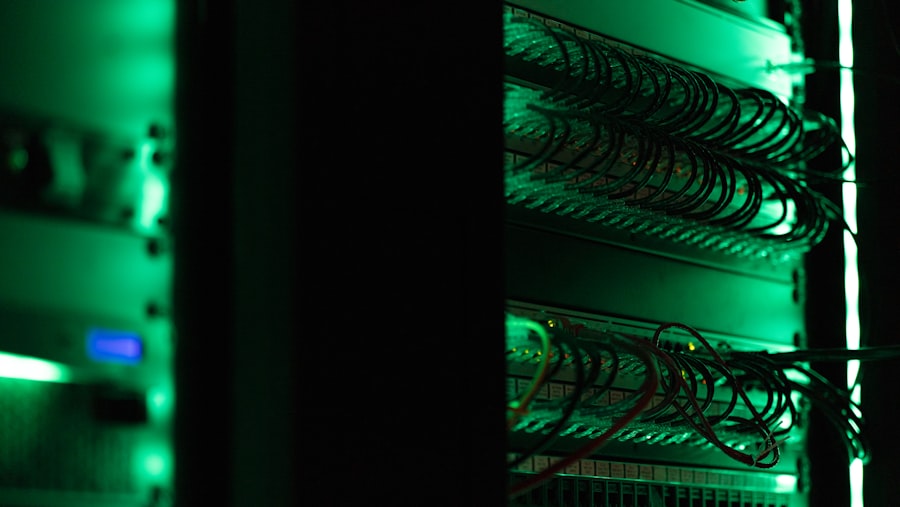
Now, let’s dive into the core of this discussion: the servers themselves. These are the workhorses of your digital operations, and their efficiency has a direct and profound impact on the overall environmental footprint of your hosting. You need to understand what makes a server “energy efficient” and why it matters so much.
Understanding Server Power Consumption
Servers are essentially powerful computers designed for continuous operation. Their energy consumption is influenced by several factors:
The Processor (CPU): The Brains of the Operation
The Central Processing Unit (CPU) is the primary driver of a server’s power draw. The more powerful and complex the CPU, generally, the more energy it consumes. However, advancements in processor architecture have led to significant improvements in performance-per-watt.
Memory (RAM): The Transient Workspace
Random Access Memory (RAM) is crucial for fast data access. While RAM itself doesn’t consume as much power as a CPU, the sheer amount of RAM required for modern applications can contribute to the overall energy budget.
Storage Devices: Where Data Resides
Hard Disk Drives (HDDs) and Solid-State Drives (SSDs) both consume power. SSDs are generally more energy-efficient than HDDs, especially for read-heavy workloads, as they have no moving parts.
Network Interface Cards (NICs) and Other Peripherals
The components that allow servers to communicate with the network and other devices also draw power.
What Makes a Server Energy Efficient?
The concept of an “energy-efficient server” isn’t about a single magical component. It’s a holistic design and configuration that minimizes power consumption without sacrificing performance.
Advancements in Processor Technology
Modern CPUs are designed with power-saving features. You’ll see terms like:
- Power Gating: The ability to turn off unused portions of the CPU to reduce leakage current.
- Dynamic Voltage and Frequency Scaling (DVFS): The CPU can adjust its voltage and clock speed based on the workload, consuming less power when demand is low.
- Improved Manufacturing Processes: Smaller transistor sizes lead to less power leakage and better energy efficiency.
Optimized Server Architecture
Manufacturers are designing servers with efficiency in mind, not just raw power. This can include:
- Higher Density: Fitting more processing power into a smaller physical footprint, reducing cooling needs and overall space requirements.
- Modular Design: Allowing for easier upgrades and replacement of individual components, ensuring that only the necessary processing power is deployed.
- Power Management Features in the BIOS/UEFI: Allowing for granular control over power states and performance settings.
Solid-State Drives (SSDs)
As mentioned, SSDs are a significant win for energy efficiency in storage. They consume less power and generate less heat than traditional HDDs, especially in environments with high I/O operations.
Efficient Power Supplies (PSUs)
The Power Supply Unit (PSU) converts AC power from the grid to DC power for the server components. High-efficiency PSUs (e.g., 80 Plus Platinum or Titanium certified) waste less energy as heat during this conversion process.
Server Virtualization and Consolidation
This is a critical software-level approach to energy efficiency. Instead of running multiple applications on multiple physical servers, you can run many virtual machines (VMs) on a single, more powerful, and therefore more efficiently utilized physical server.
Intelligent Workload Management
Software solutions that can intelligently distribute workloads across servers, powering down idle servers or consolidating tasks onto fewer machines, contribute significantly to energy savings.
The Impact of Inefficient Servers on Green Hosting
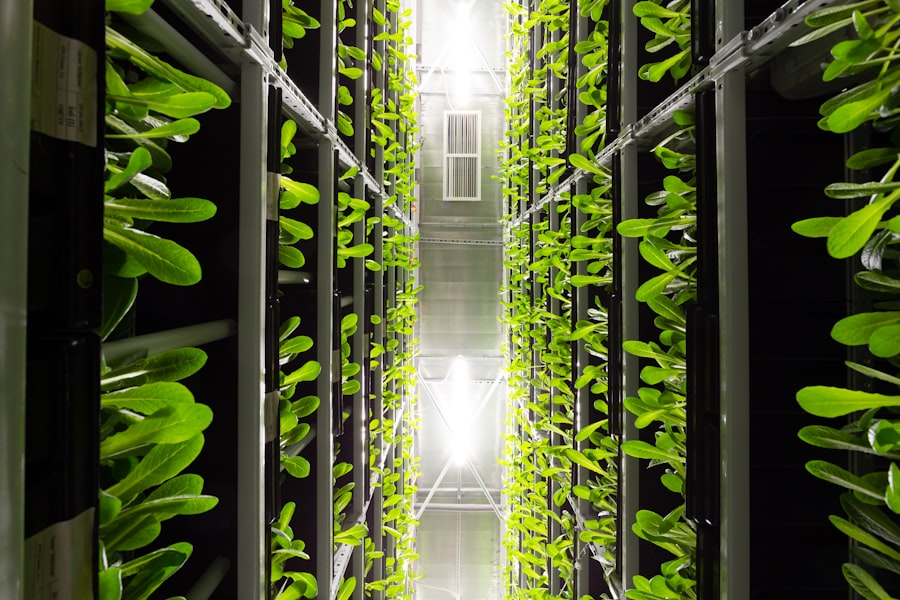
If you’re using or providing hosting services that rely on outdated or inefficient servers, you’re actively hindering the goals of green hosting. The good news is that you have the power to change this.
The Vicious Cycle of Waste
An inefficient server not only consumes more electricity itself but also generates more heat. This increased heat load requires more aggressive and energy-intensive cooling systems, creating a cascading effect of wasted energy. You’re essentially paying to power your servers and to cool the wasted energy they produce.
Missed Opportunities for Savings and Sustainability
By sticking with inefficient hardware, you’re missing out on:
Reduced Operational Costs
The direct financial benefit of lower electricity bills is substantial over time.
Lower Carbon Footprint
Less energy consumed directly translates to a smaller carbon footprint, aligning with environmental goals.
Enhanced Performance and Scalability
Modern, energy-efficient servers often offer better performance and greater scalability compared to older, less efficient models. This means you can do more with less.
The Environmental Cost: More Than Just Electricity Bills
The impact extends beyond your immediate bills:
Increased Demand on the Grid
Inefficient servers contribute to the overall strain on electricity grids, which are often powered by fossil fuels.
Higher Greenhouse Gas Emissions
The generation of electricity, especially from non-renewable sources, releases significant amounts of greenhouse gases into the atmosphere.
Resource Depletion
The constant need for power fuels the extraction of resources like coal and natural gas, leading to environmental degradation and depletion.
As businesses increasingly prioritize sustainability, the importance of green hosting trends and energy-efficient servers cannot be overstated. A recent article discusses the significant impact that adopting eco-friendly technologies can have on reducing carbon footprints while maintaining optimal performance. For those interested in exploring this topic further, you can read more about it in this insightful piece on sustainable hosting solutions. Embracing these advancements not only benefits the environment but also enhances a company’s reputation among environmentally conscious consumers.
Making the Switch: Your Path to Energy-Efficient Hosting
| Metrics | Data |
|---|---|
| Renewable Energy Usage | 45% of hosting providers use renewable energy sources |
| Energy Efficiency | Energy efficient servers can reduce energy consumption by up to 30% |
| Cost Savings | Switching to green hosting can save businesses up to 30% on energy costs |
| Environmental Impact | Green hosting can reduce carbon emissions by 80% |
| Consumer Preference | 64% of consumers prefer to support businesses that use green hosting |
So, how do you ensure that your hosting is powered by energy-efficient servers? Whether you are a hosting provider or a client, the steps are clear and actionable.
For Hosting Providers: Building a Sustainable Future
If you’re in the business of providing hosting, your commitment to energy efficiency is paramount. It’s not just good for the planet; it’s good for business.
Invest in Modern Hardware
- Prioritize CPUs with Advanced Power Management: Look for processors that excel in performance-per-watt and offer robust power-saving features.
- Embrace SSDs: Transition your storage solutions to SSDs wherever feasible.
- Source High-Efficiency PSUs: Ensure all your servers are equipped with 80 Plus Platinum or Titanium certified power supplies.
- Consider Blade Servers or High-Density Racks: These solutions can offer significant power and cooling efficiencies by minimizing physical space and centralizing power and cooling infrastructure.
Implement Robust Server Virtualization Strategies
- Maximize VM Density: Aim to run as many virtual machines as possible on each physical server without compromising performance.
- Automate VM Migration: Use tools to intelligently move VMs to active servers and power down idle physical servers during low-demand periods.
Optimize Data Center Cooling
- Hot/Cold Aisle Containment: Design your data center layout to separate hot exhaust air from cold intake air, improving cooling efficiency.
- Free Cooling Opportunities: Explore using outside air for cooling when ambient temperatures permit, reducing reliance on mechanical cooling.
- Modern Cooling Technologies: Investigate liquid cooling solutions for high-density racks, which can significantly improve efficiency.
Partner with Renewable Energy Providers
- Direct Sourcing: Explore options to directly purchase renewable energy credits (RECs) or engage in power purchase agreements (PPAs) with renewable energy generators.
- Green Energy Tariffs: Offer clients the option to choose hosting plans powered by renewable energy tariffs from your electricity provider.
Transparency and Reporting
- Track Energy Consumption: Implement comprehensive monitoring systems to track energy usage at the server, rack, and data center levels.
- Communicate Your Efforts: Be transparent with your clients about your sustainability initiatives, energy sources, and carbon footprint.
For Clients: Demanding and Choosing Green Hosting
If you’re a business or an individual relying on hosting services, you have the power to drive change by making informed choices.
Research Your Hosting Provider Thoroughly
- Ask About Their Energy Sources: Inquire directly about where their electricity comes from. Do they use renewable energy?
- Inquire About Hardware Efficiency: Ask about the age and efficiency of their server hardware. Do they prioritize energy-efficient models?
- Look for Certifications: Some organizations offer certifications for green data centers or hosting providers. While not foolproof, they can be a good starting point.
- Read Their Sustainability Reports: Reputable providers will often publish reports detailing their environmental efforts.
Understand Your Own Needs
- Assess Your Resource Requirements: Don’t over-provision your hosting. Understand your actual needs for CPU, RAM, and storage to avoid paying for and powering unused resources.
- Consider Scalability: Choose a provider that offers scalable solutions so you can grow your resources as needed, rather than starting with excessive capacity.
Leverage Virtualization and Cloud Options
- Cloud Providers with Green Initiatives: Many major cloud providers are investing heavily in renewable energy and efficiency. Research their sustainability commitments.
- Managed Hosting with Efficiency in Mind: If you prefer managed hosting, discuss your green hosting requirements with your provider.
Advocate for Change
- Let Your Voice Be Heard: If your current provider isn’t meeting your green hosting expectations, let them know. Demand for green solutions will encourage adoption.
- Educate Yourself and Your Team: Understand the importance of energy-efficient servers and green hosting. This knowledge empowers you to make better decisions.
The Future of Hosting: Green, Efficient, and Responsible
The trends are clear: the future of hosting is green. As the digital landscape continues its relentless expansion, the environmental impact of data centers will only become more scrutinized. You have an opportunity, and indeed a responsibility, to be a part of the solution.
By embracing energy-efficient servers and demanding greener hosting practices, you are not just making a noble environmental choice; you are making a smart business decision. You are contributing to a more sustainable digital future, enhancing your brand reputation, and often, saving money in the long run. The humming servers that power your online world don’t have to be a drain on the planet. With conscious choices and a commitment to efficiency, they can become a testament to responsible technological progress. It’s time to plug into a greener future, one energy-efficient server at a time.
FAQs
What is green hosting?
Green hosting refers to the use of environmentally friendly practices and technologies in the operation of web hosting services. This includes using energy-efficient servers, renewable energy sources, and implementing sustainable business practices to minimize the environmental impact of hosting websites.
What are energy-efficient servers?
Energy-efficient servers are designed to consume less power while delivering the same level of performance as traditional servers. These servers are built with energy-saving components, optimized for power efficiency, and often utilize advanced cooling technologies to reduce energy consumption.
Why do energy-efficient servers matter in web hosting?
Energy-efficient servers matter in web hosting because they help reduce the carbon footprint of data centers, which are known for their high energy consumption. By using energy-efficient servers, web hosting providers can lower their electricity usage, decrease greenhouse gas emissions, and contribute to a more sustainable IT industry.
What are the benefits of using green hosting services?
The benefits of using green hosting services include reducing environmental impact, supporting renewable energy initiatives, and promoting sustainable business practices. Green hosting can also help businesses and individuals demonstrate their commitment to environmental responsibility and attract environmentally conscious customers.
How can businesses and individuals contribute to green hosting trends?
Businesses and individuals can contribute to green hosting trends by choosing web hosting providers that prioritize energy efficiency and sustainability. They can also optimize their websites for energy efficiency, implement eco-friendly practices in their online operations, and support initiatives that promote renewable energy and environmental conservation in the web hosting industry.








Add comment