

You’re standing at the precipice of a crucial decision: how to safeguard the digital heart of your operations. You’ve heard the term “Tier 3 data center” bandied about, often accompanied by assurances of robust security. But what does that really mean? Is it a fortress, an impenetrable digital bastion, or something more nuanced? This article is your guide to peeling back the layers of Tier 3 data center security architecture, transforming abstract concepts into concrete understanding. You need to see beyond the marketing jargon and grasp the tangible mechanisms that protect your valuable data.
Before delving into the specifics of Tier 3, it’s vital to understand the framework within which it operates. The Uptime Institute’s Tier Classification System provides a standardized way to evaluate data center design and infrastructure. Think of it as a grading system for reliability and resilience, with higher tiers indicating more sophisticated and fault-tolerant designs. Each tier builds upon the previous one, addressing increasing levels of uptime and operational integrity.
Tier I: The Basic Offering
At the lowest level, Tier I facilities provide basic infrastructure and offer no redundant capacity components. They operate on a single power and cooling path and are susceptible to disruption from any single planned or unplanned event. While sufficient for non-critical applications, they are not the target of our discussion when robust security is paramount.
Tier II: Adding Redundancy
Tier II facilities introduce redundant capacity components, such as N+1 power and cooling. This means they have a backup for critical components, improving resilience against equipment failures. However, they still rely on a single distribution path and will experience downtime for any planned maintenance. Security in Tier II is generally enhanced over Tier I, but the inherent reliance on single distribution paths presents a vulnerability.
Tier III: Concurrently Maintainable Excellence
This is where the focus of our discussion lies. Tier III data centers are designed to be “concurrently maintainable.” This is the critical differentiator. It means that any component can be taken offline for maintenance, modification, or replacement without impacting any critical IT operations. Imagine a multi-lane highway where one lane can be closed for repairs, but traffic flows unimpeded on the remaining lanes. This level of redundancy is not just for power and cooling; it extends to the very fabric of the data center’s security infrastructure.
The “Concurrently Maintainable” Principle in Security
The concurrently maintainable principle in Tier 3 security translates to having redundant pathways for all critical security systems. If a security camera system needs maintenance, or a firewall needs an upgrade, there’s an independent, parallel system ready to take over seamlessly. This prevents a single point of failure from compromising your data. This isn’t about having a backup plan; it’s about having built-in, operational redundancy for all security functions.
Tier IV: Fault Tolerant and Beyond
Tier IV represents the pinnacle of the classification, offering “fault tolerance.” Every component is fully redundant, and even a single unplanned event will not disrupt operations. While Tier IV offers the highest level of resilience and, by extension, security, Tier III provides a highly robust and secure environment that meets the needs of most organizations. Understanding Tier III is crucial because it strikes a near-perfect balance between cost-effectiveness and comprehensive security.
In the realm of data center security, understanding the architecture of Tier 3 data centers is crucial for businesses looking to enhance their operational resilience. A related article that delves into optimizing data storage solutions is available at Upgrade to Faster NVMe Storage for Business Plans. This article discusses the benefits of NVMe storage technology, which can significantly improve data access speeds and overall performance, complementing the robust security features inherent in Tier 3 data centers.
Physical Security: The First Line of Defense
Before any data can be accessed digitally, it must be physically secured. For a Tier 3 data center, this is not an afterthought but a meticulously engineered system designed to keep unauthorized individuals and elements far from your sensitive hardware. Think of it as a series of concentric rings, each with its own gatekeeper, ensuring only the right people can pass.
Perimeter Security: The Outer Wall of the Fortress
The outermost layer of physical security focuses on preventing unauthorized access to the site itself.
Secure Fencing and Vehicle Barriers
You won’t find a flimsy chain-link fence around a Tier 3 facility. Instead, expect robust, high-security fencing designed to deter intrusion. This often includes anti-climb features and tamper detection. Complementing the fencing are vehicle barriers, such as bollards or retractable arms, designed to prevent unauthorized vehicles from breaching the perimeter, acting as a controlled chokepoint.
Intrusion Detection Systems (IDS)
Beyond physical barriers, sophisticated IDS are deployed. These can range from motion sensors to buried seismic sensors that detect vibrations, alerting security personnel to any attempts at breach. These systems are constantly monitored, providing real-time alerts to potential threats.
Access Control: Navigating the Inner Sanctum
Once inside the perimeter, access becomes progressively more controlled. This is where your identity is verified multiple times, much like gaining entry to a high-security government facility.
Multi-Factor Authentication (MFA)
MFA is not a suggestion in a Tier 3 data center; it’s a requirement. This means multiple forms of proof are needed to grant access.
Biometric Scanners
Hand geometry scanners, fingerprint readers, and iris scanners are common. These verify your unique physical characteristics, making it incredibly difficult for someone to impersonate you. Unlike a keycard that can be lost or stolen, your biometrics are intrinsically yours.
Keycards and PINs
These are often used in conjunction with biometrics or other verification methods. A stolen keycard is useless without the correct PIN, and vice-versa. This layered approach significantly reduces the risk of unauthorized access due to compromised credentials.
Mantrap Entries
These are double-door systems that operate on an interlock mechanism. You enter the first door, and it locks behind you. Only after your identity is verified by a guard or an automated system can the second door be opened, allowing passage into the next secure area. This prevents tailgating – an unauthorized person following an authorized person through a door. The mantrap acts as a physical buffer, a controlled transition zone.
24/7 On-Site Security Personnel
Human oversight is indispensable. Trained security professionals are present around the clock, monitoring surveillance feeds, patrolling the premises, and responding to alarms. They are the final human decision-makers in complex security situations, ensuring a rapid and appropriate response.
Surveillance: The All-Seeing Eye
Continuous observation is critical for both deterring threats and investigating incidents.
Closed-Circuit Television (CCTV) Surveillance
High-resolution cameras are strategically placed throughout the facility, covering every angle of entrances, exits, corridors, and critical infrastructure areas. These systems not only record footage but also provide live feeds for security personnel to monitor. Advanced analytics can even detect suspicious behavior.
Environmental Sensors
Beyond visual monitoring, a multitude of sensors track the environment:
Temperature and Humidity Monitoring
Extreme temperatures and humidity can damage IT equipment. These sensors ensure optimal conditions, and any deviation triggers alerts, allowing for proactive intervention before a problem escalates and potentially affects security systems.
Smoke, Vibration, and Other Environmental Sensors
These sensors detect anomalies such as smoke, which could indicate a fire, or unusual vibrations, which might signal unauthorized physical intrusion or equipment malfunction that could lead to a security event.
Cyber Security: Defending the Digital Realm
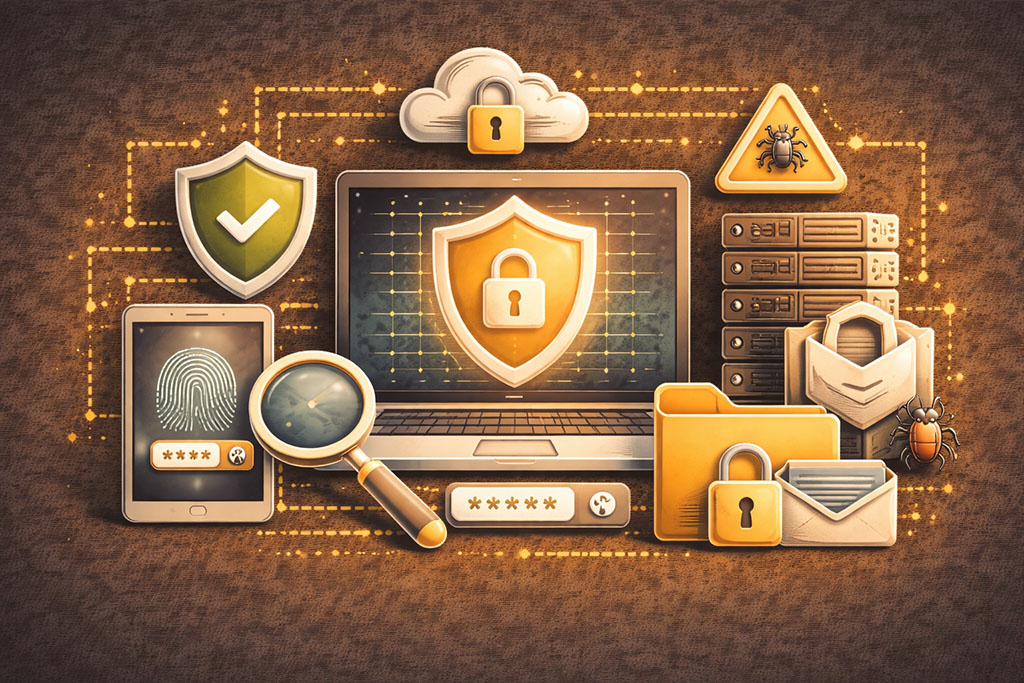
While physical security protects the hardware, cyber security safeguards the data and the networks that connect it. In a Tier 3 data center, cyber defenses are as robust and redundant as their physical counterparts. Think of this as the digital moat and drawbridge system, actively fending off digital invaders.
Network Security: The Digital Border Patrol
The first line of cyber defense is ensuring the network itself is secure and resilient.
Redundant Firewalls
Firewalls act as the gatekeepers of your network, inspecting incoming and outgoing traffic and blocking malicious activity. In a Tier 3 environment, you’ll find redundant firewalls configured in high-availability clusters. If one firewall fails, its twin immediately takes over, ensuring uninterrupted protection without a blip in service. This prevents a single hardware failure from opening a gaping hole in your defenses.
Anti-DDoS Mechanisms
Distributed Denial of Service (DDoS) attacks aim to overwhelm a network with traffic, rendering it inaccessible. Tier 3 data centers employ sophisticated anti-DDoS solutions that can detect and mitigate these attacks in real-time, rerouting malicious traffic and ensuring your services remain online. These systems act like traffic police, swiftly diverting a flood of unwanted vehicles away from your network’s entrance.
Continuous Network Monitoring
Security operations centers (SOCs) are constantly vigilant, employing advanced tools to monitor network traffic for suspicious patterns, anomalies, and signs of compromise. This proactive approach allows for the detection and response to threats before they can cause significant damage.
Data Protection: Safeguarding Your Most Valuable Assets
Beyond network access, measures are in place to protect the data itself.
Strong Encryption
Data is protected both at rest (when stored) and in transit (when being transmitted) through robust encryption protocols. This means that even if unauthorized access to the physical storage is gained, the data remains unintelligible without the decryption keys.
Vulnerability Assessments and Penetration Testing
Regularly, the security posture of the data center is tested.
Vulnerability Assessments
These systematic reviews identify potential weaknesses in systems and configurations. It’s like an internal audit, looking for unlocked doors or overlooked security gaps.
Penetration Testing
These are simulated cyberattacks designed to exploit identified vulnerabilities. Ethical hackers attempt to breach the system, providing invaluable real-world feedback on the effectiveness of existing defenses and highlighting areas for improvement. This is the digital equivalent of stress-testing your fortress walls.
Environmental Safeguards: Protecting Against Nature’s Fury and Fire’s Wrath
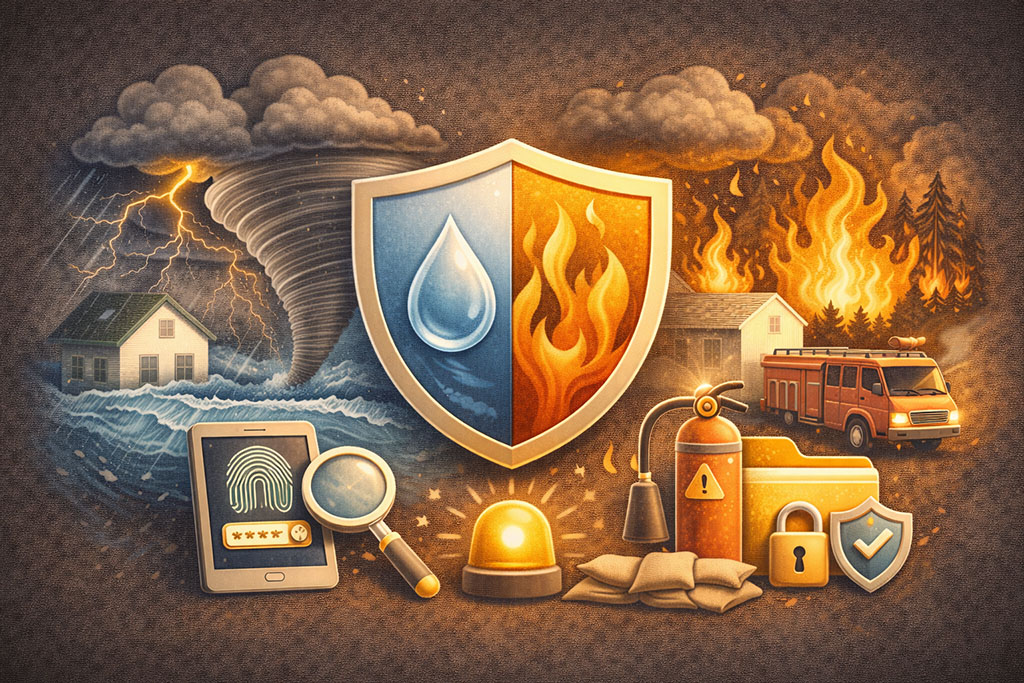
Data centers are complex environments where the physical infrastructure is just as critical as the digital. Environmental factors, if not managed, can pose significant threats to both IT equipment and security systems.
Advanced Fire Detection and Suppression
Fire is a data center’s worst enemy. Tier 3 facilities employ multi-layered fire protection systems.
Zoned Fire Detection
Instead of a single alarm, the data center is divided into zones. This allows for highly precise identification of the fire’s origin, enabling targeted suppression and minimizing unnecessary disruption to unaffected areas.
Targeted Suppression Systems
Instead of drenching the entire facility with water – which can be as damaging to electronics as the fire itself – advanced systems like inert gas (e.g., Inergen, FM-200) or pre-action sprinkler systems are used. These systems are designed to extinguish fires rapidly with minimal collateral damage.
Fire-Rated Separations
The physical layout of the data center includes fire-rated walls and barriers. These are designed to contain a fire within a specific zone, preventing its spread to other critical areas and providing valuable time for evacuation and suppression efforts.
Disaster Mitigation: Preparing for the Unforeseen
While Tier 3 facilities are designed for redundancy against common failures, they also plan for larger-scale disasters.
Geographic Diversity and Backup Testing
For ultimate resilience, organizations often utilize geographically dispersed data centers. This means that if one location is affected by a natural disaster, operations can seamlessly transition to another. Crucially, these backup systems are regularly tested to ensure they function as intended. This is like having an identical, fully stocked backup control room in a different city, and practicing switching to it regularly.
Business Continuity Planning (BCP) and Disaster Recovery (DR)
Integrated BCP and DR plans are essential. These are not just theoretical documents but actionable strategies outlining how to resume operations in the event of a catastrophic incident. This includes data backup and restoration procedures, communication protocols, and personnel relocation plans.
In exploring the intricacies of data center security, it is essential to understand the various tiers and their implications for businesses. A related article that delves into strategic considerations for businesses in the digital landscape is available at this link, which discusses the evolving domain strategies for Pakistani enterprises. This resource can provide valuable insights into how security architecture, such as that found in Tier 3 data centers, plays a crucial role in supporting robust online operations. For more information, you can read the article here: the power of PK and .com.
Redundancy Integration: The Heartbeat of Tier 3 Security
<?xml encoding=”UTF-8″>
| Security Aspect | Description | Metric / Standard | Typical Value / Implementation |
|---|---|---|---|
| Physical Security | Measures to prevent unauthorized physical access to the data center | Access Control Systems | Biometric scanners, mantraps, 24/7 security personnel |
| Redundancy | Ensures continuous operation despite failures | Uptime Institute Tier 3 Standard | N+1 redundancy for power and cooling systems |
| Fire Protection | Systems to detect and suppress fires | Fire Detection & Suppression Systems | VESDA smoke detectors, FM-200 gas suppression |
| Network Security | Protection of data and infrastructure from cyber threats | Firewall & Intrusion Detection Systems (IDS) | Multi-layer firewalls, real-time IDS monitoring |
| Environmental Monitoring | Monitoring temperature, humidity, and other environmental factors | Environmental Sensors | Temperature: 18-27°C, Humidity: 40-60% |
| Access Logging | Tracking and recording all access events | Access Logs & CCTV Surveillance | 24/7 video recording, detailed access logs retained for 1 year |
| Power Supply | Uninterruptible power to maintain uptime | UPS & Backup Generators | Dual power feeds, UPS with minimum 15 minutes runtime |
| Compliance | Adherence to industry security standards and regulations | ISO 27001, SOC 2, PCI DSS | Regular audits and certifications maintained |
The overarching principle that ties all Tier 3 security measures together is redundancy. It’s not merely about having backups; it’s about ensuring that critical security systems are always operational, even during maintenance or component failure.
N+1 Redundancy in Security Systems
This means that for every component required to operate a security function (N), there is at least one additional, independent backup (1).
Power for Security Infrastructure
Security systems, like any other critical IT component, require reliable power. Tier 3 data centers ensure redundant power feeds to all security equipment, including UPS systems and backup generators. This guarantees that surveillance cameras, access control systems, and alerting mechanisms remain functional even if the primary power source fails or maintenance is being performed.
Network Pathways for Security Data
Security data, such as surveillance footage and intrusion alerts, needs to be transmitted reliably. Tier 3 data centers utilize redundant network switches and cabling to ensure that data can flow even if a primary path experiences an issue. This prevents a communication breakdown from rendering security systems ineffective.
Multiple Distribution Paths: Ensuring Uninterrupted Operation
Beyond individual components, the design of the data center’s infrastructure includes multiple independent paths for power, cooling, and network connectivity. This applies directly to security systems.
Security System Uptime During Maintenance
Imagine a scenario where a firewall needs a firmware update. In a non-redundant system, this would mean a period of vulnerability or temporary shutdown. In a Tier 3 data center, the update is performed on one firewall while its redundant counterpart continues to provide full protection. Once the update is complete and tested, the roles are switched. This ensures that security remains a constant, not a sporadic, defense.
Resilience Against Single Points of Failure
The entire architecture is engineered to eliminate single points of failure. This principle is applied rigorously to every aspect of the security infrastructure, from the cameras on the wall to the intrusion detection sensors on the floor, and the digital defenses protecting your data.
By understanding these core principles and their practical applications, you can move beyond the vague promises of “secure data centers” and confidently assess the robust and meticulously engineered security architecture of a Tier 3 facility. It is a layered, redundant, and constantly vigilant system designed to protect your digital assets with an unwavering commitment to resilience.
FAQs
What defines a Tier 3 data center in terms of security architecture?
A Tier 3 data center is characterized by its multiple independent power and cooling paths, ensuring high availability and fault tolerance. Its security architecture includes robust physical security measures, redundant systems, and advanced monitoring to prevent unauthorized access and minimize downtime.
How does the security architecture of a Tier 3 data center differ from lower-tier data centers?
Compared to lower-tier data centers, Tier 3 facilities have enhanced redundancy and fault tolerance, including multiple power and cooling sources. Their security architecture incorporates stricter access controls, comprehensive surveillance, and more rigorous environmental controls to ensure continuous operation and data protection.
What physical security measures are typically implemented in Tier 3 data centers?
Physical security in Tier 3 data centers often includes perimeter fencing, security guards, biometric access controls, CCTV surveillance, mantraps, and secure cages or cabinets for servers. These measures help prevent unauthorized physical access and protect critical infrastructure.
How does redundancy contribute to the security of Tier 3 data centers?
Redundancy in power, cooling, and network systems ensures that if one component fails, others can take over without service interruption. This design minimizes the risk of downtime and data loss, enhancing the overall security and reliability of the data center.
What role does monitoring and incident response play in the security architecture of Tier 3 data centers?
Continuous monitoring through sensors, cameras, and network tools allows for real-time detection of security threats or system failures. Incident response protocols enable quick action to mitigate risks, maintain uptime, and protect data integrity within Tier 3 data centers.




Add comment