

Understanding Your Startup’s Core Needs
Before you even begin to explore the vast landscape of website platforms, you must first turn your gaze inward and deeply understand your startup’s fundamental requirements. This isn’t just about what you think you need; it’s about a clear-eyed assessment of your business model, target audience, and long-term vision. Without this foundational understanding, you risk choosing a platform that’s either overkill for your current needs, or worse, restrictive to your future growth.
Defining Your Business Model and Goals
Consider the very essence of what your startup does. Are you selling physical products online? Then an e-commerce-focused platform will be paramount. Are you offering services, requiring appointment scheduling, client portals, or subscription management? Your platform choice will need robust integration capabilities for these specific functionalities. Perhaps you’re building a content-driven business, a blog, or an online community. In this case, ease of content creation, management, and community features will be your priority.
Think about your primary goals for the website. Is it purely for lead generation? Then a platform that excels in landing page creation and CRM integration will be beneficial. Is it to establish thought leadership and inform your audience? A platform with strong blogging capabilities and SEO tools will be essential. Don’t forget your financial goals – will you be monetizing through ads, subscriptions, or direct sales? Each of these will necessitate different platform features and considerations.
Identifying Your Target Audience and User Experience Requirements
Who are you trying to reach? Understanding your target audience is crucial because it dictates the user experience (UX) your website needs to deliver. Are your customers tech-savvy millennials who expect cutting-edge design and instant gratification? Or are they older demographics who prioritize simplicity, clear navigation, and accessibility? The platform you choose should enable you to create an experience that resonates with your ideal user.
Consider their journey through your website. What actions do you want them to take? How intuitive should the navigation be? What kind of content will engage them most effectively? A platform that allows for easy customization of design, responsive layouts for various devices (mobile, tablet, desktop), and clear calls to action will significantly impact your user’s experience and, ultimately, your conversion rates. Poor UX can drive away potential customers faster than anything else, regardless of how good your product or service is.
Assessing Your Technical Expertise and Resources
Be honest with yourself about your technical capabilities and those of your team. Are you a solo founder with limited coding knowledge? Then a drag-and-drop website builder will be far more appealing than a platform requiring extensive development skills. Do you have a dedicated in-house development team? Then a more flexible, open-source platform might be a better fit, offering greater control and customization.
Consider your budget for development and ongoing maintenance. Some platforms offer comprehensive support and managed hosting, which can be invaluable for non-technical founders, but often come with a higher price tag. Others provide a more barebones approach, expecting you to handle much of the technical heavy lifting yourself, which can be cost-effective if you have the expertise. Don’t forget about time – how quickly do you need to launch? Some platforms allow for rapid deployment, while others require a longer development cycle.
When considering the best website platform for your startup, it’s essential to also understand how to optimize your site for performance. A related article that can provide valuable insights is titled “Accelerate Your WordPress Site: Mastering Core Web Vitals for 2025,” which discusses the importance of web performance metrics and how they can impact user experience and SEO. You can read it here: Accelerate Your WordPress Site: Mastering Core Web Vitals for 2025. This information can help you make a more informed decision when selecting a platform that not only meets your startup’s needs but also ensures optimal performance.
Exploring Different Platform Categories
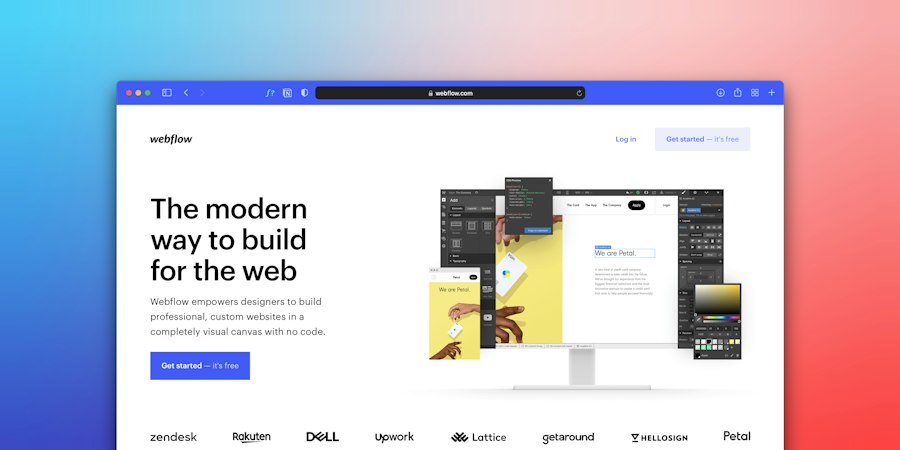
Once you have a clear picture of your startup’s needs, you can begin to explore the various categories of website platforms available. Each category offers a distinct set of advantages and disadvantages, catering to different levels of technical proficiency, budget, and business objectives.
Website Builders (Drag-and-Drop)
These platforms are designed for ease of use, allowing you to create a professional-looking website without any coding knowledge. Think of them as intuitive visual editors where you can drag and drop elements, customize templates, and publish your site with relative speed.
Pros and Cons of Website Builders
The primary advantage of website builders like Wix, Squarespace, and GoDaddy Website Builder is their accessibility. You can get a website up and running quickly and affordably, making them ideal for solopreneurs, small businesses, and those who need a simple online presence without extensive customization. They typically offer all-in-one solutions, including hosting, security, and basic e-commerce functionalities.
However, this convenience often comes with limitations. Customization options can be restricted, meaning you might struggle to achieve a truly unique design or integrate specialized features. You’re often tied to the platform’s ecosystem, making it difficult to migrate your website to another provider later on. SEO capabilities, while improving, might not be as robust as more advanced platforms, and scaling features for rapid growth can sometimes be an issue. You also have less control over the underlying code, which can be a hindrance if you need highly specific functionalities or advanced integrations.
Content Management Systems (CMS)
CMS platforms provide a more robust and flexible solution for managing website content. They separate the content from the design, allowing for easier updates and organization. WordPress is by far the most popular CMS, but others like Joomla, Drupal, and even Shopify (which started as an e-commerce platform but has strong CMS features) are widely used.
Open-Source vs. Proprietary CMS
Within CMS, you’ll encounter a crucial distinction: open-source versus proprietary. Open-source CMS platforms, like WordPress, offer unparalleled flexibility and a massive community of developers contributing to its ecosystem. You have full control over your website’s code, can customize virtually anything, and benefit from a vast array of free and premium plugins and themes. However, this freedom comes with responsibility; you’re often responsible for hosting, security, and updates, which can require some technical expertise or a dedicated developer.
Proprietary CMS platforms, on the other hand, are typically offered as a service by a single company. While they might offer less freedom in terms of code customization, they often provide excellent support, managed hosting, and a more streamlined user experience. Their strength lies in their integrated nature and the assurance of a single point of contact for all your website needs. The trade-off is often higher recurring costs and potential vendor lock-in.
E-commerce Platforms
If your startup’s primary function is selling products or services online, a dedicated e-commerce platform is likely your best bet. These platforms are built from the ground up with online sales in mind, offering features like product catalogs, shopping carts, payment gateways, inventory management, and order fulfillment tools.
Key Features of E-commerce Solutions
Platforms like Shopify, BigCommerce, and WooCommerce (a WordPress plugin) provide a comprehensive suite of tools for running an online store. Look for features such as secure payment processing, multiple shipping options, tax calculation, customer accounts, abandoned cart recovery, and robust analytics. Marketing tools like email integration, SEO features tailored for products, and discount code functionality are also critical for driving sales.
Consider scalability as well. As your product catalog grows and your order volume increases, your e-commerce platform needs to be able to handle the increased traffic and data. Integrations with third-party apps for accounting, marketing, and customer service will also be important for streamlining your operations. The user experience for both you, the store owner, and your customers should be intuitive and seamless.
Evaluating Key Platform Criteria

After understanding your needs and exploring the different platform categories, you need a systematic way to evaluate individual platforms. This involves looking beyond the surface-level features and diving into critical aspects that will impact your startup’s long-term success.
Scalability and Performance
Your website needs to grow with your business. What happens when your traffic spikes after a successful marketing campaign? Can the platform handle hundreds, thousands, or even millions of visitors without crashing or slowing down? Scalability isn’t just about traffic; it’s also about your ability to add new features, products, or content as your business evolves. A platform that limits your growth potential will quickly become a bottleneck.
Performance, on the other hand, refers to how quickly your website loads and responds. Slow-loading websites frustrate users and negatively impact your search engine rankings. Consider the platform’s hosting infrastructure, caching mechanisms, and image optimization capabilities. Will you be able to implement Content Delivery Networks (CDNs) if needed? Look for platforms that prioritize speed and efficiency, as these directly translate to a better user experience and improved conversion rates.
Customization and Flexibility
How much control do you need over your website’s appearance and functionality? Some startups thrive with off-the-shelf solutions, while others require a highly customized experience to stand out or meet unique business requirements.
Design Freedom and Template Options
Evaluate the design freedom offered by the platform. Can you easily modify templates to match your brand identity, or are you stuck with a generic look? Look for platforms that offer a wide range of professionally designed templates, and more importantly, the ability to customize them without requiring extensive coding. If you have a strong brand aesthetic, ensure the platform supports custom fonts, colors, and layouts. For more advanced needs, consider platforms that allow for custom CSS/HTML or provide powerful theme builders.
Integration Capabilities and App Ecosystem
Your website is rarely a standalone entity; it needs to integrate with other tools and services your startup uses. Think about your CRM, email marketing platform, accounting software, payment gateways, analytics tools, and social media. A robust platform will have a rich ecosystem of apps, plugins, or built-in integrations that allow you to seamlessly connect with these essential services. The availability and quality of these integrations can significantly impact your operational efficiency and customer experience. Avoid platforms with a closed ecosystem that makes it difficult or impossible to connect with your preferred tools.
Security and Reliability
In today’s digital landscape, security is non-negotiable. A data breach or a website outage can be catastrophic for a startup, eroding customer trust and potentially leading to significant financial losses.
SSL Certificates and Data Protection
Ensure the platform provides automatic SSL certificates (HTTPS) for secure data transmission. This is crucial for protecting customer data, especially for e-commerce sites, and is also a significant factor for SEO. Inquire about their data protection measures, including encryption, regular backups, and compliance with privacy regulations like GDPR or CCPA if relevant to your target audience.
Uptime Guarantees and Support
Reliability means your website is consistently available to your customers. Look for platforms that offer strong uptime guarantees (e.g., 99.9% uptime). Inquire about their server infrastructure, redundant systems, and disaster recovery plans. Equally important is the quality of their customer support. What happens if your website goes down or you encounter a critical issue? Is 24/7 support available? What are their typical response times? Good support can be a lifesaver during critical moments.
Considering Costs and Long-Term Value
The financial aspect of choosing a website platform is more complex than just looking at the monthly subscription fee. You need to consider the total cost of ownership over time and the long-term value the platform provides to your startup.
Upfront Costs vs. Recurring Fees
Distinguish between upfront costs and recurring fees. Upfront costs might include template purchases, initial development work (if hiring a developer), or premium plugins. Recurring fees typically include the platform subscription, hosting (if separate), domain registration, and potentially ongoing maintenance or support plans.
Subscription Models and Tiered Pricing
Most website builders and proprietary CMS/e-commerce platforms operate on a subscription model, often with tiered pricing. Higher tiers usually offer more features, bandwidth, storage, or priority support. Carefully evaluate what’s included in each tier and project your needs as your business grows. Don’t overpay for features you won’t use immediately, but also avoid a tier that will quickly become restrictive. Understand how pricing changes as your business scales, especially for e-commerce platforms where transaction fees might apply or higher sales volumes push you into more expensive plans.
Hidden Costs and Additional Expenses
Be wary of hidden costs. These can include transaction fees on e-commerce platforms, costs for premium themes or plugins, charges for additional storage or bandwidth, email hosting, and even fees for advanced analytics or marketing tools. Sometimes, what seems like a cheap initial plan can quickly become expensive once you add all the necessary functionalities. Factor in the cost of hiring a designer or developer if your technical skills are limited and the platform requires it. Don’t forget the cost of your time – learning a complex platform can be a significant investment.
Return on Investment (ROI) and Future-Proofing
Ultimately, your website platform is an investment in your startup’s future. You need to consider its long-term value and how it contributes to your overall business objectives.
Longevity and Future Compatibility
Choose a platform that is actively maintained and regularly updated. A stagnant platform risks becoming outdated, vulnerable to security threats, and incompatible with emerging technologies. Research the platform’s roadmap and community activity. An active community and consistent updates indicate a platform with good longevity. Consider how easy it would be to migrate your data and content to another platform if your needs dramatically change in the future. Vendor lock-in can be a significant constraint.
SEO Capabilities and Marketing Tools
Your website needs to be discoverable. Evaluate the platform’s built-in SEO features, such as customizable URLs, meta descriptions, alt text for images, and sitemaps. Does it integrate well with analytics tools like Google Analytics? Can you easily implement tracking pixels for advertising? Strong SEO capabilities are vital for attracting organic traffic, and integration with marketing tools will streamline your promotional efforts. A platform that helps you reach your audience effectively provides significant long-term value.
When selecting the ideal website platform for your startup, it’s essential to consider not only the technical aspects but also the potential for generating revenue. A related article that delves into innovative ways to create passive income streams can provide valuable insights. You can explore how reseller hosting can be a lucrative option for startups looking to diversify their income by visiting this informative resource. Understanding these opportunities can help you make a more informed decision about your website platform.
Making Your Final Decision
| Criteria | Description | Importance for Startups | Example Platforms | Notes |
|---|---|---|---|---|
| Ease of Use | How simple it is to set up and manage the website without technical skills | High – Startups often lack dedicated technical staff initially | Wix, Squarespace, Shopify | Drag-and-drop builders reduce setup time |
| Scalability | Ability to grow with the business and handle increased traffic or features | High – Startups need platforms that can expand as they grow | WordPress, Shopify, BigCommerce | Consider hosting options and plugin availability |
| Cost | Initial and ongoing expenses including hosting, themes, and plugins | Medium – Budget constraints are common in startups | WordPress (low cost), Shopify (subscription-based) | Factor in transaction fees and add-ons |
| Customization | Ability to tailor design and functionality to specific needs | Medium to High – Unique branding and features can differentiate startups | WordPress, Joomla, Drupal | Requires some technical knowledge or developer support |
| SEO Capabilities | Tools and features to optimize search engine rankings | High – Organic traffic is vital for growth | WordPress (with plugins), Squarespace, Wix | Look for built-in SEO tools and plugin support |
| Support & Community | Availability of customer support and active user communities | Medium – Helpful for troubleshooting and learning | Shopify, WordPress, Wix | 24/7 support is a plus for startups |
| Security | Protection against cyber threats and data breaches | High – Protecting customer data is critical | Shopify, WordPress (with security plugins) | Check for SSL, backups, and regular updates |
| Integration | Compatibility with third-party tools like payment gateways, CRM, marketing | High – Streamlines operations and marketing | Shopify, WordPress, BigCommerce | APIs and plugin marketplaces are beneficial |
With all the information gathered and criteria evaluated, it’s time to consolidate your findings and make an informed decision. This final step involves hands-on testing and careful consideration of all the factors.
Leveraging Free Trials and Demos
Almost every reputable website platform offers a free trial or a demo. This is your golden opportunity to get hands-on experience without commitment. Sign up for trials of your top 2-3 platform choices.
Testing Key Features and User Interface
During the trial period, actively test the features that are most critical to your startup’s success. If you’re building an e-commerce store, go through the process of adding products, setting up payment gateways (even in test mode), and simulating a customer checkout. For a content-driven site, try creating blog posts, adding images, and experimenting with different content formats. Evaluate the user interface: is it intuitive and easy to navigate? Does the workflow make sense to you? If you find yourself constantly struggling to perform basic tasks, it might not be the right fit. Pay attention to the responsiveness of the interface and the loading times within the editor itself.
Assessing Support Responsiveness
Don’t hesitate to reach out to customer support during your free trial. Ask a few specific questions that might arise during your setup process. Evaluate their response time, the clarity of their answers, and their overall helpfulness. This experience will give you a real-world insight into the level of support you can expect once you become a paying customer. A platform with excellent support can save you countless hours of frustration down the line.
Consulting Reviews and Expert Opinions
While your own experience is paramount, it’s also wise to leverage the collective knowledge of others. Read reviews and seek expert opinions.
Industry-Specific Recommendations
Look for reviews from other startups or businesses in your specific industry. Their experiences might highlight niche challenges or benefits that wouldn’t be immediately obvious. Forums, industry blogs, and even LinkedIn groups can be valuable sources for these types of specific recommendations. Sometimes, a platform might excel in general but have specific shortcomings for a particular vertical.
Peer Feedback and Community Forums
Explore community forums related to the platforms you’re considering. What are common complaints or praises? How active is the community in providing solutions or sharing best practices? An active and helpful community can be an invaluable resource, especially for open-source platforms where peer support often supplements official channels. Pay attention to how the platform providers engage with their communities and address reported issues.
Trusting Your Gut and Moving Forward
After all the research, testing, and deliberation, there comes a point where you need to trust your judgment. You’ve done your homework.
Prioritizing Your Non-Negotiables
Revisit your initial list of core needs and non-negotiables. Which platform best aligns with these absolute requirements? Don’t compromise on features that are fundamental to your business model or long-term vision. If a platform checks most of your boxes but falls short on a critical aspect, it might not be the right choice, regardless of its other strengths.
Making an Informed and Confident Choice
Making a decision is about finding the best fit, not necessarily the “perfect” platform, which rarely exists. Weigh the pros and cons of your top choices based on all the criteria discussed. Be confident in your decision, knowing that you’ve approached this critical choice strategically and thoroughly. Remember, the right website platform isn’t just about launching a website; it’s about building a robust digital foundation for your startup’s success. Once you’ve chosen, focus on leveraging its capabilities to their fullest to grow your business.
FAQs
1. What factors should be considered when choosing a website platform for a startup?
When choosing a website platform for a startup, factors to consider include ease of use, scalability, customization options, cost, and integration with other tools or services.
2. Is it important for a startup to choose a mobile-responsive website platform?
Yes, it is crucial for a startup to choose a mobile-responsive website platform as a large percentage of internet users access websites through mobile devices. A mobile-responsive design ensures a seamless user experience across different screen sizes.
3. Should a startup prioritize security features when selecting a website platform?
Absolutely, security should be a top priority when selecting a website platform for a startup. Look for platforms that offer SSL certificates, regular security updates, and robust measures to protect user data.
4. How can a startup determine if a website platform is user-friendly for content management?
To determine if a website platform is user-friendly for content management, consider factors such as the ease of adding and editing content, the availability of drag-and-drop features, and the intuitiveness of the platform’s interface.
5. What role does search engine optimization (SEO) play in the selection of a website platform for a startup?
SEO plays a significant role in the selection of a website platform for a startup as it affects the visibility of the website in search engine results. Choose a platform that offers SEO tools, customizable URLs, and the ability to optimize content for search engines.









Add comment