
Understanding the Landscape: Shared Hosting
You’ve decided to launch a website, and if you’re like most people, WordPress is your platform of choice. Now comes the crucial decision: where will your digital home reside? Your first encounter might be with shared hosting, a common entry point into the web hosting world. Imagine it as an apartment building. You have your own unit, but you share the building’s resources – the water, electricity, and even the lobby – with all your neighbors. In the digital realm, this means your website shares a single server’s CPU, RAM, and disk space with potentially hundreds, or even thousands, of other websites.
The Appeal of Shared Hosting
The primary draw of shared hosting is undeniably its cost-effectiveness. It’s the most budget-friendly option available, making it incredibly attractive for individuals, small businesses just starting out, or anyone with a new project that doesn’t anticipate massive traffic immediately. The low monthly fee means you can get your website up and running without a significant financial outlay.
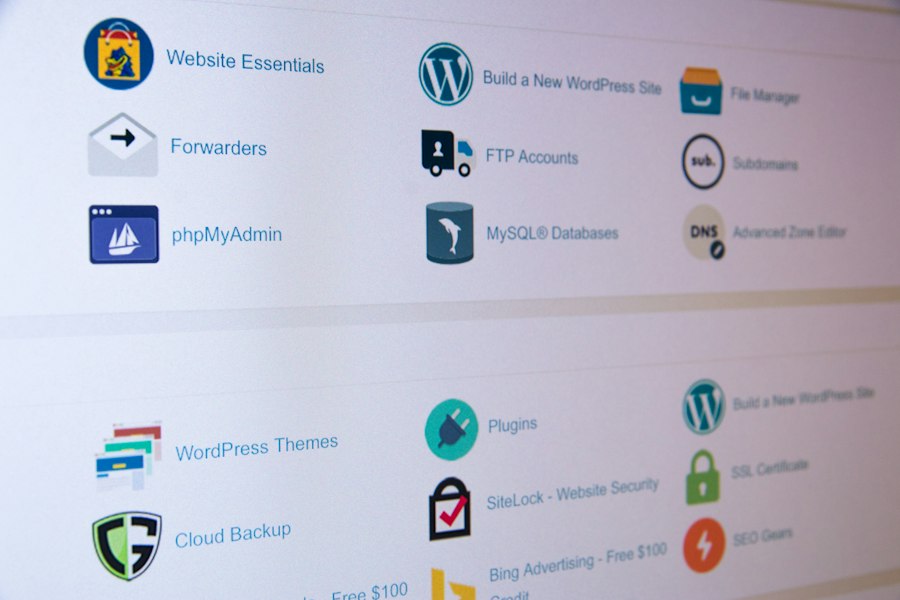
Beyond cost, shared hosting plans are often designed for ease of use. Control panels like cPanel or Plesk are standard, offering a user-friendly interface to manage your domain, email accounts, databases, and website files. Many providers also include one-click installers for popular applications like WordPress, meaning you can have your site installed and ready in minutes, even if you have no prior technical experience. This simplicity removes a significant barrier to entry for many aspiring website owners.
The Inherent Limitations of Shared Hosting
While affordability and ease of use are compelling, the shared nature of this hosting type brings with it inherent limitations. The biggest drawback is performance. Because server resources are distributed among many users, a sudden surge in traffic to one website on the server can slow down all the other websites, including yours. This phenomenon is often referred to as the “noisy neighbor” effect. If your neighbor’s website experiences a viral moment, your site might suffer from sluggish loading times or even temporary unavailability.
Security is another area of concern. While reputable shared hosting providers implement robust security measures, the very nature of sharing a server increases the attack surface. If one website on the server is compromised, there’s a risk, albeit mitigated by isolation technologies, that the vulnerability could spread to others. You’re also more reliant on the provider’s general security practices rather than having dedicated security tailored to your specific needs.
Scalability is also a significant hurdle. Shared hosting is designed for websites with low to moderate traffic. If your website begins to grow rapidly and experiences a consistent increase in visitors, you’ll quickly outgrow your shared plan. While some providers offer tiered shared plans with more resources, there’s a ceiling to how much you can scale within a shared environment before needing to migrate to a more robust solution. This means you might face an unplanned migration project just when your business is taking off.
When considering the differences between Managed WordPress Hosting and Shared Hosting, it’s essential to understand how each option can impact your website’s performance and management. For those looking to create a streamlined online presence, you might find it helpful to explore related resources, such as the article on how to build a one-page website. This guide provides practical steps that can complement your hosting choice by helping you design an effective and user-friendly site. You can read more about it here: how to build a one-page website in 10 easy steps.
Diving into Managed WordPress Hosting
Now, let’s shift our focus to Managed WordPress Hosting. This isn’t just another hosting plan; it’s a specialized service meticulously optimized for WordPress websites. Think of it as moving from an apartment building to a luxury condo with a dedicated concierge service. While you still share some underlying infrastructure with others (it’s not a completely private server like a dedicated server), the resources are allocated much more generously, and the entire environment is fine-tuned for WordPress’s specific demands. The “managed” aspect is key here – it means the hosting provider takes on the bulk of the technical management tasks, freeing you to concentrate on your content and business.
Tailored Performance for WordPress
One of the most significant advantages of managed WordPress hosting is the unparalleled performance it offers for WordPress sites. These hosting environments are engineered from the ground up with WordPress in mind. This means:
Server Optimization for WordPress
Managed WordPress hosts configure their servers specifically to run WordPress efficiently. They often use high-performance hardware, solid-state drives (SSDs), and optimized server software stacks (like Nginx instead of Apache, or specialized caching layers). Database optimization is also a priority, ensuring that your WordPress database queries are processed swiftly. This dedicated optimization translates directly into faster loading times for your website, which is crucial for user experience and search engine rankings.
Built-in Caching Mechanisms
Caching is fundamental to WordPress performance, and managed hosts integrate sophisticated caching solutions directly into their infrastructure. This often goes beyond what you can achieve with simple plugins. They implement server-level caching, object caching, and sometimes even CDN (Content Delivery Network) integration as part of the package. This multi-layered caching ensures that your website’s content is delivered to visitors as quickly as possible, reducing the load on your server and improving overall responsiveness.
Scalability and Resource Allocation
Unlike shared hosting where resources are a free-for-all, managed WordPress hosting typically offers more generous and often guaranteed resource allocation. While you still share a server, the number of sites per server is significantly lower, and the resources are managed intelligently to prevent the “noisy neighbor” effect. Many managed hosts also have easy scaling options, allowing you to quickly upgrade your plan to handle traffic spikes or sustained growth without experiencing downtime or performance degradation. This proactive resource management ensures your site can handle increased demand without a hitch.
Comprehensive Security and Reliability
Security is paramount for any website, and managed WordPress hosting shines in this area by providing a robust, multi-faceted security posture. You’re not just relying on general server security; you’re getting specialized protection for your WordPress installation.
Proactive Security Measures
Managed WordPress hosts implement a wide array of proactive security measures. This includes real-time malware scanning and removal, firewall protection specifically tuned for WordPress vulnerabilities, intrusion detection systems, and active monitoring for suspicious activity. Many also offer DDoS protection to safeguard your site against malicious traffic floods. These measures are often updated constantly to address emerging threats, providing a peace of mind that’s hard to match with shared hosting.
Regular Backups and Restore Options
Data loss can be catastrophic, and managed WordPress hosts understand this deeply. They typically perform daily, automatic backups of your entire website – files, database, and sometimes even email accounts. More importantly, these backups are often stored off-site for redundancy, and the hosts provide easy, one-click restore options. This means if something goes wrong, you can quickly revert your site to a previous working state with minimal downtime, saving you considerable stress and potential business loss.
Uptime Guarantees and Monitoring
Reliability is a cornerstone of managed WordPress hosting. Providers offer strong uptime guarantees (e.g., 99.9% or higher) and employ sophisticated monitoring systems to detect and resolve issues before they impact your site. This often includes 24/7 server monitoring, proactive problem identification, and automated failover systems to ensure your website remains accessible to your visitors at all times. Downtime means lost revenue and damaged reputation, and managed hosts prioritize keeping your site online.
Expert Support and Maintenance
Perhaps the most defining characteristic of “managed” hosting is the comprehensive support and maintenance you receive. This isn’t just about getting help when things break; it’s about having a team of WordPress experts actively working to keep your site running smoothly.
Specialized WordPress Support
When you contact support on a managed WordPress host, you’re speaking to individuals who specialize in WordPress. They understand the intricacies of the platform, common plugin conflicts, theme issues, and core WordPress problems. This means faster, more accurate solutions to your issues, rather than generic hosting support that might only have a superficial understanding of WordPress. Their expertise saves you time and frustration.
Automated WordPress Updates
Keeping WordPress core, themes, and plugins updated is crucial for security and performance. However, manual updates can sometimes break your site due to incompatibilities. Managed WordPress hosts automate these updates responsibly. They often test updates in staging environments before deploying them to your live site, or they provide mechanisms for you to easily test updates yourself. This ensures your site remains secure and functional without you having to constantly monitor for new versions.
Staging Environments
A key feature offered by many managed WordPress hosts is a staging environment. This is a duplicate of your live website where you can safely test changes, new plugins, themes, or core updates without affecting your live site. Once you’ve confirmed everything works as expected, you can then push these changes to your live site with confidence, minimizing the risk of downtime or broken functionality. This developer-friendly feature is invaluable for maintaining a stable and evolving website.
Cost Considerations and Value Proposition
When comparing shared hosting and managed WordPress hosting, the price tag is often the first thing people notice. Shared hosting is typically significantly cheaper upfront. However, it’s crucial to look beyond the monthly fee and consider the overall value proposition, total cost of ownership, and potential hidden costs.
The Price Tag: Upfront Costs
Shared hosting plans can start as low as a few dollars per month, especially if you commit to a long-term contract. This low entry point makes it highly accessible for anyone on a tight budget. Managed WordPress hosting, on the other hand, usually starts at around $15-30 per month for entry-level plans, and can go significantly higher depending on traffic, storage, and features. On the surface, shared hosting appears to be the clear winner in terms of affordability.
Understanding the Total Cost of Ownership
The “cheap” price of shared hosting can be deceptive. While the monthly fee is low, you might end up paying for other services separately that are often included or managed by default in a managed WordPress plan. These can include:
Security Enhancements and Tools
With shared hosting, you might need to purchase premium security plugins (like Sucuri or iThemes Security Pro), firewall services, or malware removal tools. Managed hosts often include advanced security features as part of their package, saving you these additional subscription costs.
Caching Solutions and CDNs
To improve performance on shared hosting, you’ll likely need to invest in premium caching plugins (e.g., WP Rocket) and potentially a CDN subscription. Many managed WordPress hosts integrate server-level caching and CDN services, reducing or eliminating the need for these extra expenses.
Developer Tools and Staging Environments
If you’re a developer or frequently make changes to your site, a staging environment is invaluable. On shared hosting, creating a staging site often involves manual duplication or using complex plugins. Managed hosts provide one-click staging environments, saving you significant time and potential errors.
Time and Opportunity Cost
This is perhaps the most overlooked cost. If you’re spending hours troubleshooting WordPress issues, dealing with security breaches, optimizing performance, or managing updates on a shared host, that’s time you’re not dedicating to growing your business, creating content, or serving your customers. For businesses, time is money. The proactive management and expert support of managed WordPress hosting effectively buy you back that time, allowing you to focus on your core activities. For a business owner, this opportunity cost can far outweigh the difference in monthly hosting fees.
The Value Proposition: What You’re Really Paying For
When you pay for managed WordPress hosting, you’re not just paying for server space; you’re paying for:
- Expertise: A team of WordPress specialists managing your server and providing specialized support.
- Performance: A finely tuned environment specifically optimized for WordPress, leading to faster load times.
- Security: Proactive, multi-layered security tailored for WordPress vulnerabilities.
- Reliability: High uptime guarantees and robust monitoring.
- Convenience: Automated updates, backups, and developer tools like staging environments.
- Peace of Mind: Knowing that your website’s technical health is being expertly managed, allowing you to focus on your business.
For many individuals and businesses, the added value and peace of mind offered by managed WordPress hosting justify the higher price point. It’s an investment in your website’s stability, security, and ultimately, your business’s success.
When to Choose Which Option
The decision between shared hosting and managed WordPress hosting isn’t a matter of one being inherently “better” than the other in all circumstances. It’s about finding the best fit for your specific needs, budget, technical expertise, and website goals.
Ideal Scenarios for Shared Hosting
Shared hosting remains an excellent choice for several specific use cases:
New Bloggers and Personal Websites
If you’re just starting a personal blog, a hobby site, or a website for a small passion project, shared hosting offers the lowest barrier to entry. Your traffic will likely be low initially, and the basic features provided by shared hosting will be more than sufficient. You can learn the ropes of WordPress without a significant financial commitment.
Very Small Businesses with Minimal Online Presence
For a local business that primarily uses its website as an online brochure – displaying contact information, opening hours, and a few service pages – shared hosting can be adequate. If you don’t anticipate high traffic volume, e-commerce functionality, or complex interactive features, the simplicity and cost of shared hosting can be appealing.
Learning and Development Environments
If you’re a student learning web development, experimenting with WordPress, or building a temporary development site, shared hosting provides an inexpensive sandbox. The performance limitations won’t be a major concern, and you can practice without breaking the bank.
Budget-Constrained Projects
When your budget is extremely limited and every dollar counts, shared hosting is often the only viable option. It allows you to get online and establish a presence, with the understanding that you might need to upgrade as your website grows.
When Managed WordPress Hosting Becomes Essential
Managed WordPress hosting truly shines in situations where performance, security, reliability, and dedicated support are critical.
Growing Businesses and E-commerce Stores
If your business relies heavily on its website for leads, sales, or customer interaction, managed WordPress hosting is a wise investment. E-commerce sites, in particular, benefit from the speed, security, and uptime guarantees, as slow loading times or downtime directly translate to lost revenue. As your business grows, managed hosting provides the scalability to handle increased traffic and transactions seamlessly.
Websites with High Traffic Volume
Any website expecting or currently receiving a significant amount of traffic will benefit immensely from managed WordPress hosting. The optimized server environment, advanced caching, and robust resource allocation ensure your site remains fast and responsive, even during peak loads. This is crucial for maintaining a positive user experience and preventing server crashes.
Professional Blogs and Content Creators
Bloggers and content creators who depend on their website for income or brand building need a reliable platform. Managed hosting ensures their content loads quickly, their site is secure, and any technical issues are handled by experts, allowing them to focus on creating valuable content without the distraction of server management.
Anyone Lacking Technical Expertise or Time
If you’re not technically inclined, don’t have the time to manage server configurations, security updates, backups, and performance optimizations, managed WordPress hosting is invaluable. It frees you from the complexities of server administration, allowing you to focus on your core competencies. It’s like having a dedicated IT department for your website.
Developers and Agencies Managing Client Sites
For web developers and agencies, managed WordPress hosting offers a streamlined workflow. Features like staging environments, Git integration, SSH access, and expert support make development and client management more efficient. It ensures that client websites are hosted on a reliable, high-performance platform, enhancing the agency’s reputation.
When considering the best hosting solution for your website, it’s essential to weigh the differences between Managed WordPress Hosting and Shared Hosting. Each option has its unique advantages, depending on your specific needs and technical expertise. For those looking to enhance their online presence, exploring additional resources can be beneficial. You might find valuable insights in this article about reliable web hosting services, which can help you make an informed decision.
Making the Right Choice for Your Website
| Feature | Managed WordPress Hosting | Shared Hosting |
|---|---|---|
| Performance | Optimized for WordPress with faster load times and better caching | General performance, may be slower due to shared resources |
| Security | Enhanced security features including automatic updates and malware scanning | Basic security, relies on user to manage updates and protection |
| Support | Specialized WordPress support available 24/7 | General hosting support, may not be WordPress-specific |
| Scalability | Easily scalable to handle traffic spikes and growth | Limited scalability due to shared resources |
| Pricing | Higher cost due to specialized services and features | Lower cost, suitable for small or personal websites |
| Maintenance | Automatic WordPress core, plugin, and theme updates | User responsible for updates and maintenance |
| Backup | Regular automated backups with easy restore options | Backups may be manual or limited |
| Customization | May have some restrictions to ensure performance and security | More freedom to install any software or plugins |
The decision between shared hosting and managed WordPress hosting boils down to a careful evaluation of your specific circumstances. There’s no universal “better” option; there’s only the option that best aligns with your current needs, future aspirations, and available resources.
Assessing Your Current Needs
Start by taking an honest look at your website today.
What is your current traffic volume?
If your website is brand new or receives fewer than a few thousand visitors per month, shared hosting might be sufficient. If you’re already seeing tens of thousands, or even hundreds of thousands, of visitors, managed WordPress hosting is likely a necessity for maintaining performance and stability.
What is your budget?
Be realistic about what you can afford. If your budget is extremely tight, shared hosting offers a stepping stone. However, remember to factor in potential hidden costs and the value of your time. If you can afford the higher price point, the benefits of managed hosting often outweigh the additional cost.
What is your technical proficiency?
Are you comfortable delving into cPanel, troubleshooting plugin conflicts, optimizing databases, and managing security updates? If so, shared hosting might be manageable. If terms like “SSH,” “PHP versions,” or “CDN configuration” sound daunting, managed WordPress hosting will save you a lot of headaches.
How critical is your website to your business or personal brand?
If your website is a crucial part of your income, reputation, or operations, then investing in a more robust and reliable solution like managed WordPress hosting is a no-brainer. For a casual hobby site, the criticality is much lower.
Considering Your Future Goals
Don’t just think about where your website is today, but where you want it to be in 6 months, a year, or five years.
Do you anticipate significant growth in traffic or functionality?
If you plan to scale your business, add e-commerce features, or significantly increase your content output, your website’s performance and scalability will become paramount. Managed WordPress hosting provides a solid foundation for growth without requiring frequent, disruptive migrations.
Do you plan to expand your website’s features or complexity?
Adding membership areas, complex custom post types, extensive forums, or heavy interactive elements will demand more server resources and a more optimized environment. Managed hosting is built to handle these demands gracefully.
Will your website become a primary revenue source?
If your website is destined to become a core revenue driver, then uptime, speed, and security directly impact your bottom line. Investing in managed WordPress hosting is an investment in your business’s future profitability and resilience.
A Path Forward: Starting Small and Upgrading
It’s perfectly acceptable to start with shared hosting if your budget is limited and your website is new. Many successful websites began on shared servers. The key is to be prepared to upgrade when your website outgrows its current environment. Monitor your website’s performance, traffic, and resource usage regularly. When you start noticing slowdowns, frequent server errors, or receive warnings from your hosting provider about resource overuse, it’s a clear signal that it’s time to consider an upgrade to managed WordPress hosting or a more advanced solution like a VPS (Virtual Private Server) or dedicated server.
Ultimately, the choice is yours, but it should be an informed one. Evaluate your current situation, project your future needs, and understand the true value proposition of each hosting type beyond the monthly price. Your website is a crucial asset, and choosing the right home for it is fundamental to its success and your peace of mind.
FAQs
What is the main difference between managed WordPress hosting and shared hosting?
Managed WordPress hosting is specifically optimized for WordPress websites, offering better performance, security, and support compared to shared hosting. Shared hosting, on the other hand, is a more budget-friendly option where resources are shared among multiple websites on the same server.
Which type of hosting is more suitable for high-traffic WordPress websites?
Managed WordPress hosting is generally more suitable for high-traffic WordPress websites due to its optimized environment, dedicated resources, and scalability. Shared hosting may struggle to handle high traffic volumes efficiently, leading to slower loading times and potential performance issues.
Is managed WordPress hosting more expensive than shared hosting?
Yes, managed WordPress hosting is typically more expensive than shared hosting. This is because managed WordPress hosting offers specialized features, better performance, and dedicated support tailored specifically for WordPress websites. Shared hosting, being a more basic option, is more cost-effective but may lack the advanced features of managed WordPress hosting.
Which type of hosting is better for beginners with limited technical knowledge?
For beginners with limited technical knowledge, shared hosting is often a more suitable option. Shared hosting is user-friendly, easy to set up, and requires minimal maintenance. Managed WordPress hosting, while offering more advanced features, may be overwhelming for beginners who are not familiar with managing a WordPress website.
Can I easily upgrade from shared hosting to managed WordPress hosting?
Yes, most hosting providers offer easy migration options to upgrade from shared hosting to managed WordPress hosting. The process typically involves transferring your website files, databases, and settings to the new managed WordPress hosting environment. It is recommended to consult with your hosting provider for assistance with the migration process.









Add comment