

So, you’ve got a website or an app that’s really taking off, huh? That’s awesome! And now you’re probably wondering, “Can my current hosting setup actually handle all this success?” If you’re asking about dedicated servers for your growing online venture, you’re on the right track.
In a nutshell: Yes, dedicated servers are absolutely fantastic for supporting large websites and apps. They offer the power, control, and reliability that shared hosting or even VPS (Virtual Private Server) solutions just can’t match when things get serious. Think of it as upgrading from a shared apartment to your own spacious house – everything you need is right there, and you’re not competing with anyone else for resources.
When your website or app starts attracting a significant number of visitors, or when your application performs demanding tasks, the limitations of shared hosting become glaringly obvious. You’re essentially sharing a single server’s resources (CPU, RAM, bandwidth) with potentially hundreds or even thousands of other users. This leads to slowdowns, inconsistent performance, and even downtime when others on the server experience traffic spikes.
Dedicated servers, on the other hand, mean you get an entire physical server all to yourself. No sharing, no compromises. This isolation is the key to their ability to support large-scale operations.
The Performance Edge: Speed and Responsiveness
For large websites and apps, performance isn’t just a nice-to-have; it’s a critical factor in user experience and ultimately, success. Slow loading times can frustrate users, leading them to abandon your site or app before they even see what you offer.
Uninterrupted Power: Dedicated Resources
With a dedicated server, all the processing power, memory, and storage are yours and yours alone. This means your website or app won’t experience lag due to another user’s sudden surge in traffic or a poorly optimized script running elsewhere. You have a guaranteed allocation of resources, ensuring consistent and predictable performance, even during peak hours.
Optimized for Your Needs
Since you have full control over your dedicated server, you can fine-tune its configuration to perfectly match the demands of your website or application. This can involve selecting specific hardware components, installing specialized software, and optimizing operating system settings for maximum efficiency. This level of customization is simply not possible on shared hosting.
Reduced Latency, Global Reach
For applications that require fast response times, especially those with a global user base, dedicated servers can be strategically located in data centers close to your target audience. This reduces latency, meaning data travels shorter distances, resulting in quicker interactions for your users.
Scalability and Growth: Growing Pains Solved
One of the biggest challenges with growing a successful online venture is anticipating and accommodating that growth. Dedicated servers provide a robust foundation that can handle increasing demands, allowing you to scale effectively without disruptive migrations.
Scaling Up, Not Out (Initially)
While shared hosting often forces you to “scale out” by moving to a new, larger plan on the same shared infrastructure, dedicated servers allow you to “scale up” by upgrading the hardware within your existing server. This might involve adding more RAM, upgrading to faster CPUs, or increasing storage capacity. This is typically a smoother process than migrating an entire website to a new server environment.
Preparing for the Next Level
As your website or app continues to grow, you might eventually reach the limits of even a single powerful dedicated server. However, the architecture of a dedicated server environment often makes it easier to transition to a cluster of dedicated servers or a more complex cloud infrastructure when that time comes. You’ve built a strong foundation, and the next steps are more strategic than reactive.
Handling Traffic Spikes with Grace
Large websites and apps often experience unpredictable traffic spikes, whether due to successful marketing campaigns, viral content, or seasonal events. A dedicated server is far better equipped to absorb these surges in traffic without impacting performance or crashing. This reliability is crucial for maintaining user trust and capturing every potential visitor.
Enhanced Security: Fortifying Your Digital Assets
When you’re dealing with sensitive user data or proprietary application information, security is paramount. Dedicated servers offer a significantly higher level of security compared to shared hosting environments.
Your Own Private Fortress
On a dedicated server, you’re not sharing your environment with other users, which drastically reduces the attack surface. You don’t have to worry about vulnerabilities exploited on a neighboring account on a shared server affecting your own. This isolation creates a much more secure digital space.
Tailored Security Measures
You have complete control over the security protocols and software installed on your dedicated server. This means you can implement custom firewall rules, intrusion detection systems, and other advanced security measures that are specifically designed to protect your particular website or application.
Compliance and Data Protection
For businesses that need to comply with strict data protection regulations (like GDPR or HIPAA), dedicated servers provide the necessary environment for implementing and maintaining compliance. You have direct control over how data is stored, accessed, and protected, making it easier to meet regulatory requirements.
Regular Security Audits and Updates
With a dedicated server, you are responsible for managing security updates and patches. While this might sound like extra work, it gives you the agency to implement updates on your schedule, ensuring your system is running the latest, most secure versions of software. Many hosting providers also offer managed dedicated server options where they handle these crucial tasks for you.
Full Control and Customization: Making It Yours
One of the most compelling reasons to choose a dedicated server is the absolute control it grants you over your hosting environment. This level of freedom is essential for applications with unique requirements or for developers who want to fine-tune every aspect of their infrastructure.
Root Access, Ultimate Freedom
You get root access to your dedicated server, which means you have administrative privileges. This allows you to install any operating system you prefer, configure software to your exact specifications, and manage your server in any way you see fit. No more limitations imposed by shared hosting control panels.
Application-Specific Software
Many large applications have specific software dependencies or require particular configurations that might not be supported on shared hosting. With a dedicated server, you can install and run whatever software you need, including custom-built applications, specialized databases, or development tools.
Performance Tuning and Optimization
Beyond just basic settings, dedicated servers allow for deep-level performance tuning. You can optimize the kernel, tweak network settings, and configure disk I/O to squeeze every ounce of performance out of your hardware, which is crucial for resource-intensive applications.
Choice of Operating System and Software Stack
Whether you’re a fan of Linux distributions like Ubuntu or CentOS, or prefer Windows Server, you have the freedom to choose the operating system that best suits your needs. Similarly, you can build your entire software stack – from web servers and databases to programming languages and caching mechanisms – exactly the way you want it.
When considering the best infrastructure for managing large websites and applications, dedicated servers often emerge as a top choice due to their ability to provide enhanced performance and security. For those looking to expand their online presence, understanding the transition from physical stores to digital platforms can be crucial. A related article that offers valuable insights on this topic is Launching Your Brick-and-Mortar Store Online: A Step-by-Step Guide, which outlines essential steps for successfully establishing an online store. This guide complements the discussion on dedicated servers by emphasizing the importance of a robust hosting solution in supporting e-commerce ventures.
Cost-Effectiveness at Scale: When Bigger Becomes Better
While dedicated servers might have a higher upfront cost than shared hosting, they often become more cost-effective as your website or app scales. The predictable performance and reliability can prevent costly downtime and lost revenue.
Avoiding Performance Bottlenecks: Preventing Lost Revenue
Downtime or slow performance on a large website or app can translate directly into lost sales, decreased ad revenue, or a decline in user engagement. The robust performance of a dedicated server helps prevent these issues, making the investment worthwhile in the long run.
Resource Allocation: Paying for What You Need
With shared hosting, you might be paying for a plan that offers more resources than you actually use, or conversely, not enough when you need it. Dedicated servers allow you to select hardware that precisely matches your current needs, ensuring you’re not overpaying for unused capacity or suffering from under-provisioned resources.
Managed vs. Unmanaged: Finding Your Balance
Dedicated servers come in two main flavors: unmanaged and managed. Unmanaged servers offer the lowest cost but require you to handle all technical aspects yourself. Managed dedicated servers come with support from the hosting provider for tasks like server maintenance, security updates, and performance monitoring, albeit at a higher price point. Choosing the right option depends on your team’s technical expertise and budget.
Long-Term Investment in Stability
For businesses that rely heavily on their online presence, a dedicated server is an investment in stability and reliability. The peace of mind that comes with knowing your infrastructure can handle your demands is invaluable and can prevent more expensive firefighting down the line.
Dedicated servers play a crucial role in supporting large websites and applications by providing enhanced performance, security, and customization options. For those considering a transition to a dedicated server, understanding the migration process is essential. A related article that offers valuable insights on this topic is available at How to Migrate Your Website to a New Web Hosting Provider: A Step-by-Step Guide, which outlines the necessary steps to ensure a smooth and efficient migration to a new hosting environment.
When to Consider Upgrading to a Dedicated Server
So, how do you know for sure that it’s time to ditch your current hosting and go dedicated? It’s not just about the number of visitors, though that’s a big clue.
You’re Experiencing Consistent Performance Issues
Are your users complaining about slow loading times? Is your site frequently timing out? If you’ve tried optimizing your code, images, and database on your current hosting and are still hitting a wall, it’s a strong indicator that you’ve outgrown your current resources.
Your Traffic is Growing Rapidly and Unpredictably
Sudden, sharp increases in traffic can cripple shared hosting. If you’re seeing a steady upward trend in visitors, or if you anticipate major traffic surges due to marketing campaigns, product launches, or viral content, a dedicated server will provide the necessary headroom.
You Need Advanced Security or Compliance
If your website or app handles sensitive customer data, financial transactions, or any information subject to strict regulatory compliance, a dedicated server offers the isolation and control needed to meet those requirements.
Your Application Has Unique Software or Hardware Needs
Do you need to install specialized software, run custom scripts with high resource demands, or utilize specific hardware configurations? Shared hosting often restricts these possibilities. A dedicated server gives you the freedom to build the exact environment your application requires.
You’ve Hit the Limits of Your Current Hosting Plan
Most hosting providers have tiers of plans. If you’re on the highest tier of shared hosting or even a very robust VPS and are still experiencing performance or resource constraints, it’s a clear sign that you’re ready for dedicated.
What to Look For in a Dedicated Server Provider
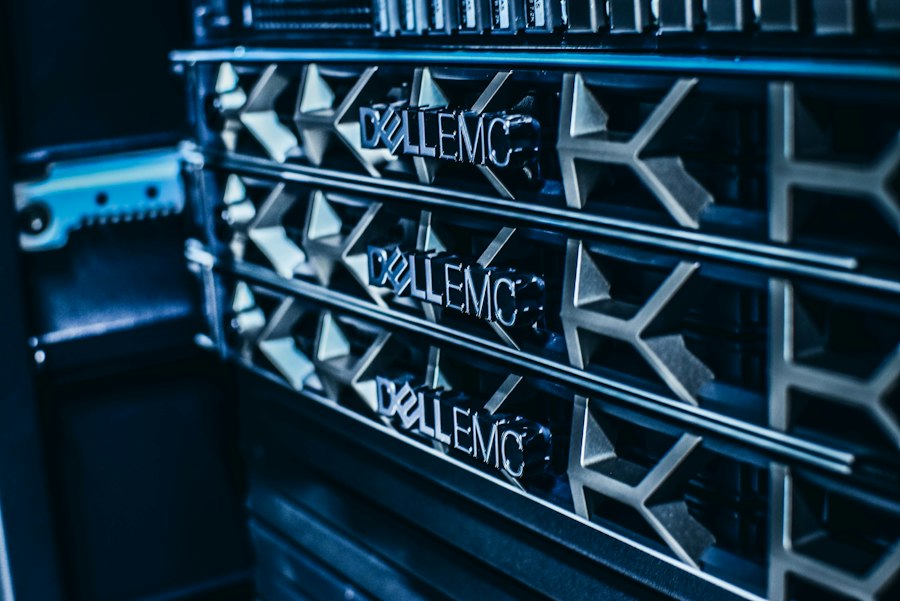
Choosing the right provider is just as important as choosing the right server. A good provider will offer reliable hardware, excellent support, and transparent pricing.
Reliability and Uptime Guarantees
Look for providers that offer strong uptime guarantees (99.9% or higher). This indicates they have robust infrastructure and redundancies in place to minimize downtime.
Data Center Location and Network Quality
Consider where their data centers are located. If your primary audience is in North America, a server in a US-based data center will offer better performance than one in Asia, and vice-versa. Also, inquire about their network infrastructure and peering arrangements, as this impacts speed and latency.
Hardware Options and Customization
Does the provider offer a range of hardware configurations? Can you customize components like RAM, CPU, and storage? The more flexibility you have, the better you can tailor the server to your specific needs.
Support Options: Managed vs. Unmanaged
As mentioned earlier, decide if you need managed or unmanaged support. If you choose managed, investigate the level of support offered. Do they handle software installations, security patching, and performance monitoring?
Scalability and Future Growth
While you’re committing to a dedicated server now, it’s wise to consider how the provider supports future growth. Can they easily upgrade your existing server, or can you add more dedicated servers to your infrastructure within their network?
Transparent Pricing and Contracts
Understand the pricing structure fully. Are there hidden fees? What is the contract length, and what are the terms for cancellation? Clarity upfront can prevent surprises later.
The Next Step: Planning Your Dedicated Server Migration
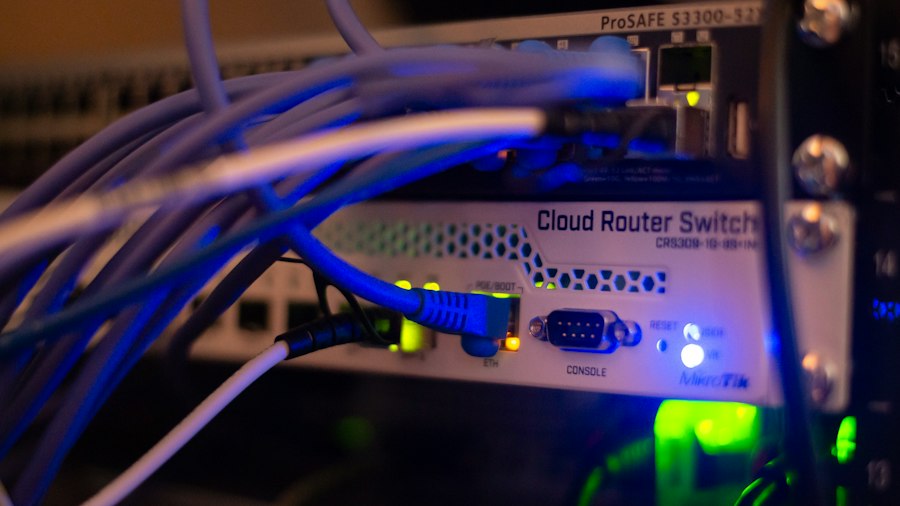
Moving to a dedicated server is a significant step, and proper planning is key to a smooth transition.
Assess Your Current Needs and Future Projections
Before you even start looking at providers, thoroughly assess your current website or app’s resource usage (CPU, RAM, storage, bandwidth) and project your growth over the next 6-12 months. This will help you choose the right initial configuration.
Choose Your Operating System and Software Stack
Decide on the operating system (Linux, Windows) and the specific software you’ll need to run your applications. This includes web servers (Apache, Nginx), databases (MySQL, PostgreSQL, MongoDB), and any programming language environments.
Plan Your Migration Strategy
How will you move your data and applications? Will you do it manually, use migration tools, or hire a specialist? Consider downtime during the migration and how you’ll minimize it.
Test Thoroughly After Migration
Once your applications are running on the dedicated server, it’s crucial to test everything rigorously. Check performance, functionality, security, and user experience to ensure a seamless transition.
Consider Security Best Practices from Day One
With a dedicated server, you are the guardian of your own security. Implement strong passwords, set up firewalls, keep software updated, and establish regular backups immediately.
Dedicated servers are a powerful tool for businesses and developers with ambitious online projects. By understanding their benefits, knowing when to make the leap, and choosing your provider wisely, you can build a robust and reliable foundation for your digital success.
FAQs
What is a dedicated server?
A dedicated server is a type of hosting service where an entire server is dedicated to a single client or website. This means the client has full control over the server’s resources and can customize it to meet their specific needs.
How do dedicated servers support large websites and applications?
Dedicated servers are ideal for large websites and applications because they offer high performance, reliability, and security. With dedicated resources, such as CPU, RAM, and storage, these servers can handle heavy traffic loads and complex processes without experiencing slowdowns or downtime.
What are the benefits of using a dedicated server for large websites and applications?
Some benefits of using a dedicated server for large websites and applications include improved performance, scalability, security, and customization options. Dedicated servers also provide better control over server resources and configurations, allowing for optimal performance and stability.
How can dedicated servers handle high traffic volumes?
Dedicated servers can handle high traffic volumes by providing dedicated resources that are not shared with other users. This means the server can allocate more resources to handle incoming traffic, ensuring that the website or application remains responsive and accessible even during peak usage periods.
What should be considered when choosing a dedicated server for a large website or application?
When choosing a dedicated server for a large website or application, factors to consider include the server’s hardware specifications, bandwidth, security features, support services, and scalability options. It is important to select a server that can meet the specific requirements of the website or application to ensure optimal performance and reliability.









Add comment