
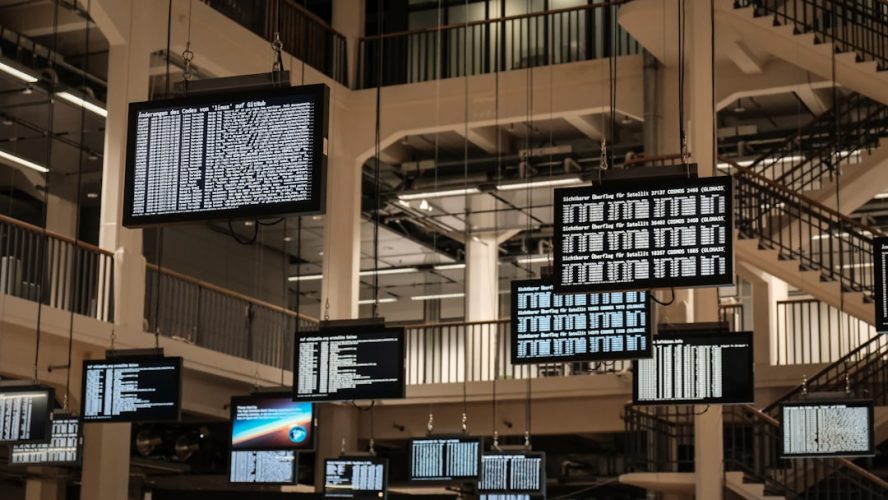
You’re running a business in the 21st century, and that means you’re generating data – vast, sprawling oceans of it. From customer interactions and financial transactions to intricate algorithms and creative content, your digital footprint is growing exponentially. And where does all that data live? In data centers, of course. These technological behemoths, often tucked away in unassuming industrial parks, are the unsung heroes of the digital age. But as you navigate the complexities of modern hosting, you’re increasingly faced with a critical question: are your data centers sustainable? The answer to that question is not just about ethical responsibility; it’s about the long-term viability, efficiency, and public perception of your entire operation.
You might not think of a data center as an environmental powerhouse, but you’d be surprised. These facilities, packed with thousands of servers, networking equipment, and storage devices, consume immense amounts of energy. This energy demand translates directly into a significant carbon footprint, a challenge you, as a responsible business owner, can no longer afford to ignore.
Energy Consumption: The Silent Giant
Imagine a small city, bustling with activity, consuming power around the clock. Now, imagine that city is a data center. That’s the scale of energy consumption we’re talking about. Each server, each cooling unit, each lighting fixture draws power, and when aggregated across hundreds or thousands of square feet, the numbers are staggering. You’re effectively powering a miniature industrial complex, 24/7, 365 days a year.
Carbon Emissions: A Global Impact
The vast majority of electricity used to power these facilities still comes from fossil fuels. This means that every kilowatt-hour consumed contributes to greenhouse gas emissions, exacerbating climate change. You’re not just impacting your local environment; you’re contributing to a global problem. As you make decisions about your hosting infrastructure, consider the tangible link between your digital operations and the health of the planet.
Resource Depletion: Beyond Energy
It’s not just about electricity. Data centers require significant amounts of water for cooling, especially in traditional designs. Furthermore, the manufacturing of servers and other IT equipment consumes precious resources, from rare earth minerals to metals, and the disposal of this equipment at the end of its life cycle presents its own set of environmental challenges. You’re not just consuming energy; you’re engaging in a broader consumption of finite planetary resources.
As the demand for digital services continues to grow, the importance of sustainable data centers in hosting becomes increasingly evident. These facilities not only help reduce carbon footprints but also enhance energy efficiency, making them a crucial component of environmentally responsible technology. For those looking to improve their online presence while being mindful of their ecological impact, understanding the nuances of digital management is essential. A related article that offers valuable insights into effective online practices is available at 11 Common Blogging Mistakes and How to Navigate Them as Beginners. This resource can help you optimize your digital strategy while considering sustainability.
The Business Imperative for Sustainable Hosting
Moving beyond the ethical considerations, there’s a compelling business case for embracing sustainable data centers. You’re not just doing good; you’re doing smart. The benefits extend far beyond public relations, impacting your bottom line, operational efficiency, and long-term competitiveness.
Cost Savings Through Energy Efficiency
Perhaps the most immediate and tangible benefit you’ll experience is reduced operational costs. Energy is a major expense for any data center. By implementing sustainable practices, such as more efficient cooling systems, optimizing server utilization, and exploring renewable energy sources, you can significantly reduce your electricity bills. Imagine the impact on your annual budget when you trim a substantial percentage off your power consumption.
- PUE (Power Usage Effectiveness) Optimization: You’re likely familiar with PUE, a crucial metric that measures the efficiency of your data center’s energy use. A PUE of 1.0 indicates perfect efficiency, meaning all energy goes to IT equipment. By actively working to lower your PUE, you’re directly translating efficiency into cost savings. This can involve anything from hot aisle/cold aisle containment to advanced liquid cooling solutions.
- Server Virtualization and Consolidation: You don’t need a dedicated physical server for every application. Virtualization allows you to run multiple virtual machines on a single physical server, significantly reducing the number of servers required and, consequently, their power draw. This not only saves energy but also reduces your hardware footprint.
- Renewable Energy Procurement: While the initial investment might seem higher, procuring energy from renewable sources like solar or wind can lead to stable, predictable energy costs in the long run, shielding you from volatile fossil fuel markets. You’re not just buying energy; you’re investing in energy independence and stability.
As the demand for sustainable data centers continues to rise, understanding how to optimize website performance becomes increasingly relevant. A related article discusses various strategies to enhance loading speed and improve user experience, which are crucial for businesses looking to maintain efficiency in an eco-friendly manner. By implementing these optimization techniques, companies can not only reduce their carbon footprint but also ensure that their online presence remains competitive. For more insights, you can read the article on optimizing your website’s loading speed.
Enhanced Brand Reputation and Customer Loyalty
In today’s socially conscious market, consumers and businesses alike are increasingly scrutinizing the environmental practices of the companies they engage with. By publicly committing to and implementing sustainable data center practices, you can significantly enhance your brand reputation. This isn’t just about looking good; it’s about aligning with the values of your customers and stakeholders.
- Meeting Customer Expectations: Your customers, especially younger generations, are often more aware of environmental issues and prefer to support businesses that share their values. By demonstrating your commitment to sustainability, you can attract and retain these ethically-minded customers. You’re not just providing a service; you’re building trust.
- Competitive Differentiation: In a crowded market, sustainability can be a powerful differentiator. When potential clients are comparing hosting providers, your commitment to green practices can tip the scales in your favor. You’re offering not just robust hosting, but responsible hosting.
- Attracting Talent: Top talent, particularly in the tech sector, is often drawn to companies with strong ethical values and a commitment to sustainability. By embracing green practices, you can make your organization more attractive to skilled professionals. You’re not just building a product; you’re building a culture.
Regulatory Compliance and Future-Proofing
Governments and regulatory bodies around the world are increasingly implementing stricter environmental regulations. By proactively adopting sustainable practices, you can ensure compliance with current laws and future-proof your operations against upcoming mandates. This foresight can save you significant time, money, and reputational damage down the line.
- Anticipating Policy Shifts: Don’t wait for regulations to be enforced. By actively monitoring environmental policy trends and integrating sustainable practices now, you can avoid costly retrofits or penalties in the future. You’re not just reacting; you’re anticipating.
- Avoiding Carbon Taxes and Penalties: As carbon pricing mechanisms become more prevalent, unsustainable operations will face increasing financial burdens. Investing in sustainability today can help you mitigate these future costs. You’re not just avoiding fines; you’re investing in resilience.
- Accessing Green Funding and Incentives: Many governments and financial institutions offer grants, tax incentives, and low-interest loans for businesses investing in green technologies and sustainable practices. You can leverage these opportunities to offset the initial costs of your sustainability initiatives. You’re not just spending; you’re investing strategically.
Key Strategies for Sustainable Data Center Implementation
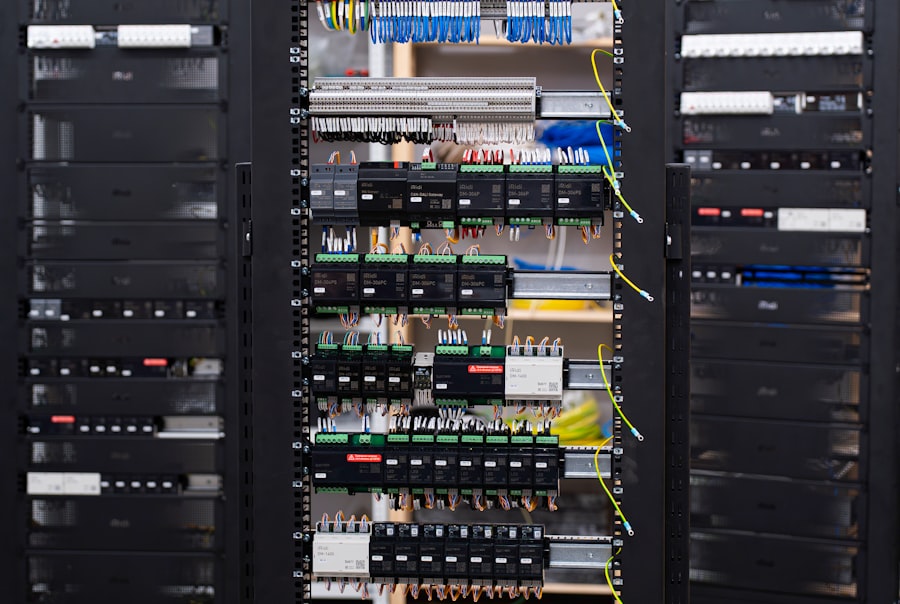
So, how do you go about making your data centers more sustainable? It’s a multi-faceted approach that requires careful planning, investment, and a commitment to continuous improvement. You’ll need to consider everything from the physical infrastructure to the software that manages your servers.
Optimizing Energy Efficiency
This is often the first and most impactful area you’ll tackle. Every kilowatt-hour saved contributes to both environmental benefits and cost reductions.
- Cooling System Advancements: Traditional air-cooling systems are notoriously inefficient. Explore options like liquid cooling (direct-to-chip or immersion cooling), evaporative cooling, and free cooling (utilizing ambient outside air when temperatures permit). These can drastically reduce the energy required to maintain optimal operating temperatures.
- Hot Aisle/Cold Aisle Containment: This simple yet effective strategy involves physically separating the hot air exhausted from servers from the cold air intake, preventing them from mixing. This dramatically improves cooling efficiency and reduces wasted energy. You’re creating a more intelligent airflow within your data center.
- High-Efficiency Power Supplies (HVAC): Ensure your power supplies are rated for high efficiency (e.g., 80 Plus Platinum or Titanium). While seemingly small, collectively, these efficiencies add up to significant energy savings. You’re not just powering your equipment; you’re powering it smartly.
- Dynamic Power Management: Implement software solutions that can dynamically adjust power consumption based on workload demands. This means servers can scale down their power usage during periods of low activity, preventing unnecessary energy waste. You’re making your infrastructure responsive and adaptive.
Sourcing Renewable Energy
Reducing demand is crucial, but where the remaining energy comes from is equally important. Transitioning to renewable energy sources is a cornerstone of sustainable data centers.
- Direct Purchase Agreements (DPAs) or Power Purchase Agreements (PPAs): You can directly contract with renewable energy generators to supply your data centers. This ensures that the energy you consume is verifiably renewable. You’re not just buying clean energy; you’re directly supporting its production.
- Renewable Energy Credits (RECs) or Guarantees of Origin: If direct purchase isn’t feasible, you can purchase RECs or Guarantees of Origin, which certify that a certain amount of renewable electricity has been generated and added to the grid. This helps to offset your carbon footprint, even if the electrons powering your facility aren’t directly from a renewable source. You’re investing in the growth of clean energy.
- On-site Renewable Generation: For some facilities, especially those with ample land or roof space, installing on-site solar panels or wind turbines can be a viable option, providing a direct and visible commitment to renewable energy. You’re not just consuming clean energy; you’re producing it.
Circular Economy Principles and Waste Reduction
Sustainability extends beyond energy. You need to consider the entire lifecycle of your IT equipment, from manufacturing to disposal.
- Extended Equipment Lifecycles: Instead of replacing hardware on a rigid schedule, aim to extend the life of your servers and other equipment through proper maintenance and upgrades. This reduces the demand for new manufacturing and minimizes e-waste. You’re not just using hardware; you’re maximizing its value.
- Responsible E-waste Recycling: When equipment does reach the end of its useful life, partner with certified e-waste recyclers who can responsibly dismantle and reclaim valuable materials, preventing hazardous substances from entering landfills. You’re not just discarding; you’re reclaiming.
- Refurbishment and Reuse Programs: Explore opportunities to refurbish and reuse components or entire servers, either internally or by donating them to educational institutions or non-profits. This further extends their utility and reduces waste. You’re not just retiring equipment; you’re giving it a second life.
The Future of Green Hosting: Innovation and Collaboration
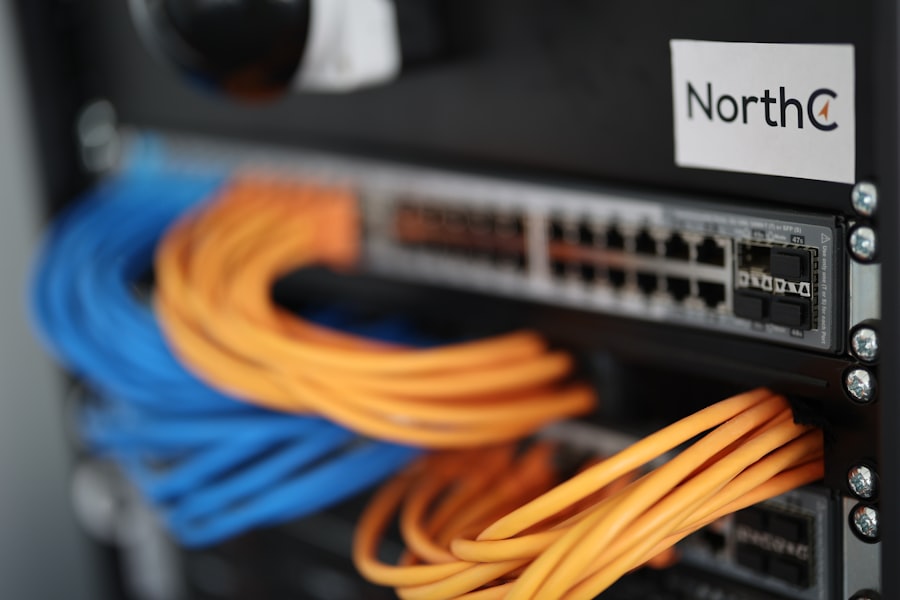
The journey towards fully sustainable data centers is ongoing, driven by continuous innovation and a growing spirit of collaboration within the industry. You’ll be at the forefront of this evolution, adapting to new technologies and embracing new partnerships.
Advancements in Green Technologies
The pace of innovation in green data center technologies is accelerating. You can expect to see even more efficient and environmentally friendly solutions emerging.
- Modular and Edge Data Centers: These smaller, more localized data centers can reduce latency and often operate more efficiently due to their proximity to the end-users. They can also be designed with inherent sustainability features. You’re not just centralizing; you’re distributing responsibly.
- AI-Powered Optimization: Artificial intelligence is being increasingly leveraged to optimize data center operations, from predicting and managing cooling needs to intelligently allocating workloads across servers for maximum efficiency. You’re not just automating; you’re intelligentizing.
- Carbon Capture and Utilization: While still in early stages for data centers, research into technologies that capture carbon emissions and even convert them into useful products could revolutionize the industry’s environmental impact. You’re not just mitigating; you’re transforming.
Industry Collaboration and Standards
No single organization can achieve true sustainability in isolation. Collaboration and the development of industry-wide standards are crucial.
- Open Compute Project (OCP): This initiative fosters collaboration on open-source hardware designs that are more energy-efficient and easier to maintain. By adopting OCP designs, you contribute to and benefit from shared innovation. You’re not just buying proprietary; you’re embracing open.
- Green Grid and Other Industry Alliances: Participation in organizations like The Green Grid allows you to share best practices, contribute to research, and help shape the future of sustainable data center development. You’re not just operating; you’re influencing.
- Certification Programs: Look for data centers that adhere to rigorous environmental certifications (e.g., LEED, ISO 14001). These certifications provide independent verification of their sustainable practices, giving you peace of mind. You’re not just trusting; you’re verifying.
Ultimately, your commitment to sustainable data centers in hosting isn’t just a fleeting trend; it’s a fundamental shift in how you operate in the digital world. By embracing efficiency, renewable energy, and circular economy principles, you’re not only safeguarding the planet but also building a more resilient, cost-effective, and reputable business for the long term. The decisions you make today about your hosting infrastructure will echo far into your future, defining your impact on the environment and your standing in an increasingly conscious marketplace.
FAQs
What is a sustainable data center?
A sustainable data center is a facility that is designed and operated to minimize its environmental impact, reduce energy consumption, and utilize renewable energy sources.
Why are sustainable data centers important in hosting?
Sustainable data centers are important in hosting because they help reduce the carbon footprint of data storage and processing, lower energy costs, and contribute to a more environmentally friendly approach to technology infrastructure.
How do sustainable data centers reduce energy consumption?
Sustainable data centers reduce energy consumption through various methods such as using energy-efficient hardware, optimizing cooling systems, implementing virtualization, and utilizing renewable energy sources like solar or wind power.
What are the benefits of using sustainable data centers for hosting?
The benefits of using sustainable data centers for hosting include cost savings on energy bills, reduced environmental impact, improved corporate social responsibility, and potential for positive public relations and marketing opportunities.
What are some examples of sustainable practices in data center hosting?
Examples of sustainable practices in data center hosting include using energy-efficient servers and storage devices, implementing free cooling techniques, utilizing renewable energy sources, and adopting efficient power distribution and cooling systems.







Add comment