

You’ve built and launched your WordPress site, pouring your creativity and effort into its design and content. But now you notice a slight lag, pages taking a moment too long to load, or perhaps your hosting provider is flagging resource usage. Don’t despair! You’re in charge, and with a strategic approach, you can transform your WordPress site from a sluggish plodder into a finely-tuned, high-performance machine. This isn’t just about speed; it’s about providing a superior user experience, improving your search engine rankings, and ultimately, ensuring your content reaches its intended audience effectively.
Before diving into the nitty-gritty of optimization, let’s understand why server performance is so critical. Think of your server as the engine of a car. A powerful, well-maintained engine allows for smooth, fast travel. A weak or poorly maintained engine results in a bumpy, slow ride. Your visitors are the passengers, and they expect a comfortable journey.
User Experience and Engagement
When your website loads slowly, visitors become impatient. Studies consistently show that even a few extra seconds of loading time can drastically increase bounce rates. Imagine clicking a link, waiting, waiting, and then deciding to go back to the search results page. That’s a lost opportunity. A fast-loading site, however, keeps visitors engaged, encouraging them to explore more pages, read more content, and interact with your site. This positive experience directly translates to higher engagement metrics, such as time spent on site and pages per session.
Search Engine Optimization (SEO) Implications
Google and other search engines prioritize fast-loading websites. Speed is a confirmed ranking factor. A slow site not only frustrates users but also sends negative signals to search engine algorithms. This can lead to lower search rankings, reducing your organic visibility and the potential traffic to your site. Conversely, a fast site is rewarded with better rankings, drawing more eyes to your content and increasing your online presence.
Resource Utilization and Hosting Costs
Inefficient WordPress configurations can consume excessive server resources – CPU, RAM, and bandwidth. This can lead to your hosting provider throttling your site, suspending your account, or forcing you to upgrade to a more expensive hosting plan. Optimizing your site for performance means you’re using your resources wisely, potentially saving you money on hosting in the long run. It also ensures that your site can handle traffic spikes without buckling under the pressure.
To effectively reduce WordPress resource consumption on hosting servers, it is essential to understand the fundamentals of web hosting and its impact on performance. For a deeper insight into this topic, you can refer to the article on web hosting basics, which explains how hosting works and its significance in optimizing your website’s efficiency. Check it out here: What is Web Hosting and How Does it Work?.
Choosing the Right Hosting Environment
The foundation of a high-performance WordPress site begins with your hosting. You can optimize until you’re blue in the face, but if your hosting environment is subpar, you’ll always be fighting an uphill battle. This isn’t a one-size-fits-all decision; it depends heavily on your site’s needs, traffic volume, and budget.
Shared Hosting vs. VPS vs. Dedicated Server
- Shared Hosting: This is often the cheapest option and suitable for small blogs or new websites with low traffic. However, you’re sharing server resources with many other websites, meaning a spike in traffic on another site can impact yours. It’s like living in an apartment building – your noisy neighbor might affect your peace.
- Virtual Private Server (VPS): A VPS offers a significant upgrade from shared hosting. You still share a physical server with others, but you get a dedicated portion of resources (CPU, RAM). This provides more stability, security, and performance. Think of it as having your own condominium unit within a larger building. You have more control and dedicated resources.
- Dedicated Server: Here, you have an entire physical server to yourself. This offers maximum performance, security, and customization. It’s ideal for high-traffic websites, large e-commerce stores, or applications with specific resource requirements. This is owning your own house – complete control and no shared resources.
- Managed WordPress Hosting: Many hosting providers offer specialized managed WordPress hosting. These plans are optimized specifically for WordPress, often including features like automatic updates, caching, security monitoring, and expert support. While typically pricier, they can save you a lot of time and hassle, making them a strong contender for busy site owners who value performance and convenience.
The Importance of Server Location
The physical location of your server relative to your target audience plays a crucial role in loading times. If your audience is primarily in Europe, a server located in the US will introduce latency due to the geographical distance the data has to travel. Choose a hosting provider with data centers strategically located near your core audience for the fastest possible connections.
Modern Server Technologies
Ensure your hosting provider is using modern server technologies. Look for:
- HTTP/2: This is the latest version of the HTTP protocol, offering significant performance improvements over HTTP/1.x, especially for sites with many assets.
- PHP 7.4+ or PHP 8+: Newer PHP versions offer substantial performance gains and better security compared to older versions. Make sure your host supports the latest stable PHP version, and your WordPress theme and plugins are compatible.
- SSD Storage: Solid-State Drives (SSDs) are significantly faster than traditional Hard Disk Drives (HDDs) for data retrieval, directly impacting database and file loading times.
Optimizing Your WordPress Database
Your WordPress database is the heart of your site, storing almost all your content, settings, and user data. Over time, it can accumulate a lot of unnecessary cruft, slowing down queries and impacting overall site performance. You need to keep it lean and efficient.
Regular Database Cleanup
Just like you would clear out old files from your computer, you need to clear out obsolete data from your database. This includes:
- Post Revisions: Every time you save a post or page, WordPress creates a revision. While useful for draft management, these revisions can quickly pile up, especially on sites with frequent content updates.
- Spam Comments and Trashed Comments: Delete these regularly.
- Unused Tags and Categories: If you’ve experimented with tags or categories that you no longer use, clean them up.
- Orphaned Meta Data: Sometimes, when plugins are uninstalled or themes changed, they leave behind orphaned meta data in the database.
- Transient Options: These are temporary caching data that old plugins might leave behind.
You can manually delete some of these items, but it’s far more efficient to use a plugin designed for database optimization. Plugins like WP-Optimize or WP-Sweep can automate this process, performing tasks like deleting revisions, optimizing database tables, and cleaning up orphaned data with just a few clicks.
Limiting Post Revisions
Instead of letting revisions accumulate indefinitely, you can limit the number WordPress stores. You can do this by adding a line of code to your wp-config.php file:
“`php
define( ‘WP_POST_REVISIONS’, 5 ); // Limits revisions to 5 per post/page
“`
Or, to disable revisions entirely (only recommended for very specific use cases where you never need to revert changes):
“`php
define( ‘WP_POST_REVISIONS’, false );
“`
Remember to place this code above the / That's all, stop editing! Happy blogging. / line in your wp-config.php file.
Choosing Efficient Database Queries
While this is often more relevant for developers creating custom themes or plugins, understanding how your database is queried can be beneficial. Inefficient queries can put a heavy load on your server. Using $wpdb class methods correctly, avoiding redundant queries, and ensuring proper indexing can significantly improve database performance. For most users, relying on well-coded themes and plugins from reputable developers will handle this aspect effectively.
Implementing Caching Strategies
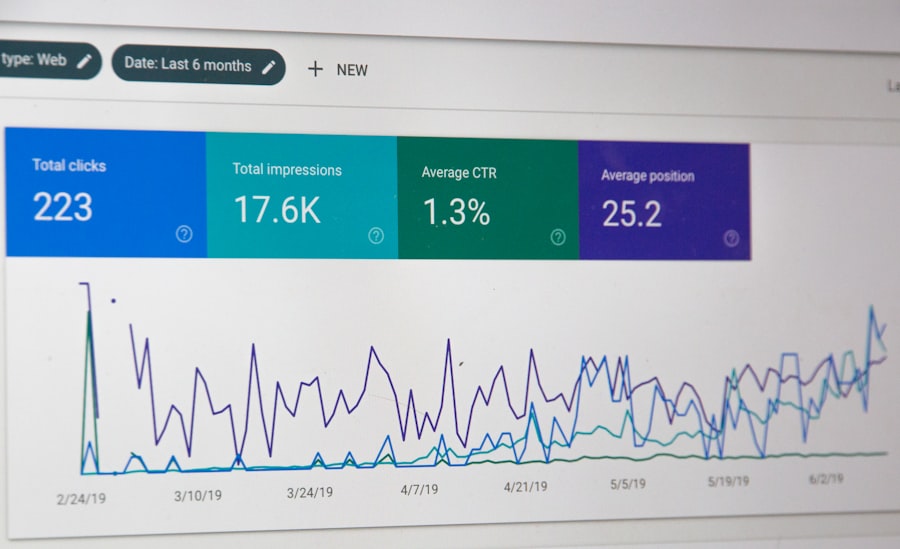
Caching is arguably one of the most impactful strategies for improving WordPress server performance. It’s like having a fast-food menu for your website – instead of preparing every meal from scratch (generating every page from the database and files), you serve pre-made, ready-to-go versions.
Browser Caching
Browser caching tells a visitor’s browser to store static files (images, CSS, JavaScript) on their local computer for a certain period. The next time they visit your site, or another page on your site that uses those same files, their browser doesn’t need to re-download them from your server. This significantly speeds up subsequent page loads.
You can implement browser caching through your .htaccess file (for Apache servers) or Nginx configuration, or more simply, through a caching plugin. Look for directives like ExpiresMatch or Cache-Control.
Page Caching
This is the most common and powerful type of caching for WordPress. A page caching plugin generates static HTML versions of your dynamic WordPress pages. When a user requests a page, the server delivers the static HTML file instead of processing PHP scripts and querying the database each time. This drastically reduces server load and speeds up delivery.
Popular and highly effective page caching plugins include:
- WP Super Cache: A free, robust option from Automattic.
- W3 Total Cache: A comprehensive plugin with many advanced caching options (can be complex to configure).
- LiteSpeed Cache: If your server uses LiteSpeed web server, this plugin is specifically optimized for it and highly recommended.
- WP Rocket: A premium plugin renowned for its ease of use and excellent performance results.
When configuring page caching, ensure you exclude pages that should not be cached, such as the WordPress admin dashboard, e-commerce checkout pages, or user-specific accounts.
Object Caching
Object caching stores the results of complex database queries. When the same query is made again, the stored result is served directly, bypassing the need to hit the database. This is particularly beneficial for high-traffic sites with complex dynamic content. Object caching is often implemented using persistent caching mechanisms like Memcached or Redis. Your hosting provider usually needs to support and enable these technologies for you to utilize them effectively.
If you’re looking to optimize your WordPress site and reduce resource consumption on hosting servers, you might find it helpful to explore strategies for improving site performance. A related article that delves into effective techniques is available at this link, where you can learn more about enhancing your website’s efficiency and ensuring a smoother experience for your visitors.
Optimizing Your WordPress Media
| Metrics | Recommendations |
|---|---|
| Use a Lightweight Theme | Choose a theme that is optimized for performance and doesn’t have unnecessary features. |
| Optimize Images | Compress and resize images before uploading them to your website. |
| Minimize Plugins | Only use essential plugins and regularly review and remove unused ones. |
| Enable Caching | Use a caching plugin to reduce server load and improve page load times. |
| Update WordPress and Plugins | Keep your WordPress core and plugins up to date to ensure optimal performance and security. |
| Opt for a Reliable Hosting Provider | Choose a hosting provider that offers optimized servers for WordPress and good customer support. |
Images are often the heaviest elements on a web page and can significantly bloat your loading times if not handled correctly. Smart media optimization is crucial for a fast-loading website.
Image Compression and Resizing
- Compression: Before uploading images, compress them. You can use online tools (like TinyPNG, Compressor.io) or image editing software (Photoshop, GIMP) to reduce file size without a noticeable loss in quality. WordPress plugins can also automate this upon upload or retrospectively.
- Resizing: Don’t upload an image that’s 3000px wide if it will only be displayed at 600px. Resize images to their maximum display dimensions before uploading. WordPress creates several smaller versions of uploaded images, but uploading an already optimally sized image saves server resources and disk space.
Highly recommended image optimization plugins include:
- Smush: Offers image compression and resizing, along with other image optimization features.
- EWWW Image Optimizer: Compresses images on upload and can optimize existing images.
- Imagify: A premium option known for its excellent compression quality and features.
Leveraging Lazy Loading
Lazy loading ensures that images (and sometimes videos or iframes) only load when they become visible in the user’s viewport. As a user scrolls down the page, more content appears. This means the initial page load is much faster because only the “above-the-fold” content is loaded initially.
WordPress introduced native lazy loading for images and iframes in version 5.5, so for most sites, you might not even need a plugin for basic lazy loading. However, plugins like A3 Lazy Load or WP Rocket (which includes lazy loading) offer more control and can extend lazy loading to other elements.
Using a Content Delivery Network (CDN)
A CDN is a network of servers distributed globally. When a user requests a static asset (like an image, CSS file, or JavaScript file) from your website, the CDN delivers it from the server geographically closest to them. This drastically reduces latency and speeds up content delivery, especially for a global audience.
Popular CDN providers include:
- Cloudflare: Offers a free plan that includes basic CDN services along with security features.
- StackPath (formerly MaxCDN): A robust premium CDN solution.
- KeyCDN: Another popular and reliable premium CDN.
Integrating a CDN typically involves changing your DNS records to point to the CDN and then configuring a plugin (like WP Super Cache or W3 Total Cache) to rewrite your URLs to serve assets from the CDN.
Streamlining Your WordPress Installation
Beyond the heavy hitters of hosting and caching, many smaller optimizations within your WordPress installation can collectively make a significant difference. Every plugin, every line of code, and every setting can impact performance.
Auditing Plugins and Themes
- Evaluate Necessity: Go through all your installed plugins. Do you genuinely use each one? If a plugin is inactive, delete it. If it’s active but rarely used or offers minimal value, consider if it’s worth the potential performance overhead.
- Quality Over Quantity: While there are fantastic plugins, poorly coded plugins can consume excessive resources, slow down your site, and even introduce security vulnerabilities. Stick to reputable plugins with good reviews, frequent updates, and active support.
- Theme Efficiency: Your theme is the backbone of your site’s design and often dictates a lot of the underlying code. Choose a lightweight, well-coded theme. Themes like GeneratePress, Astra, and Kadence are built with performance in mind. Avoid overly bloated themes with too many unnecessary features you won’t use.
Minimizing CSS and JavaScript
Minification is the process of removing unnecessary characters (whitespace, comments, line breaks) from your CSS and JavaScript files without changing their functionality. This reduces file sizes, leading to faster download times.
- Concatenation: Combining multiple small CSS files into one larger file, and multiple JavaScript files into one, reduces the number of HTTP requests your browser needs to make. Each HTTP request carries overhead, so fewer requests mean faster loading.
- Asynchronous Loading: When JavaScript files load synchronously, they block the rendering of your page until they are fully loaded. Asynchronous loading allows other page elements to load concurrently. This can be achieved by adding
asyncordeferattributes to script tags.
Many caching plugins (like WP Super Cache, W3 Total Cache, WP Rocket) include options to minify and combine CSS and JavaScript files.
Disabling Unused Features
WordPress comes with several features that you might not need, and disabling them can free up resources.
- XML-RPC: Unless you’re using specific applications (like the WordPress mobile app or Jetpack) that require XML-RPC, it’s a common target for brute-force attacks and can safely be disabled. There are plugins and code snippets to disable it.
- Pingbacks and Trackbacks: These are mostly outdated mechanisms for inter-blog communication and can generate unnecessary database activity and are often associated with spam. You can disable them in
Settings > Discussion. - Heartbeat API: The WordPress Heartbeat API provides real-time communication between your browser and the server. It’s useful for auto-saving posts, showing who’s editing a post, etc., but it can generate a lot of AJAX requests, especially if you leave editor windows open. If you don’t need these real-time features for front-end users, you can use a plugin like Heartbeat Control to limit or disable it.
By diligently working through these optimization categories, from the fundamental choice of your hosting environment to the intricate details of your WordPress installation, you’ll be well on your way to a significantly faster, more responsive, and more robust WordPress website. Remember, optimization is an ongoing process, not a one-time task. Regularly monitor your site’s performance, audit your plugins, and stay updated with the latest best practices to keep your WordPress engine running at peak efficiency.
FAQs
1. What are the main factors that contribute to high resource consumption on WordPress hosting servers?
The main factors that contribute to high resource consumption on WordPress hosting servers include inefficient coding, large and unoptimized media files, excessive use of plugins and themes, and high traffic volume.
2. How can inefficient coding impact resource consumption on WordPress hosting servers?
Inefficient coding can impact resource consumption on WordPress hosting servers by causing slow loading times, increased server requests, and higher CPU usage, which can ultimately lead to server overload and decreased website performance.
3. What are some effective strategies for reducing resource consumption on WordPress hosting servers?
Some effective strategies for reducing resource consumption on WordPress hosting servers include optimizing images and media files, minimizing the use of plugins and themes, implementing caching mechanisms, utilizing content delivery networks (CDNs), and regularly updating and optimizing the WordPress core and plugins.
4. How can website caching help reduce resource consumption on WordPress hosting servers?
Website caching can help reduce resource consumption on WordPress hosting servers by storing static versions of web pages, which reduces the need for server processing and database queries, resulting in faster loading times and decreased server load.
5. What are the potential consequences of high resource consumption on WordPress hosting servers?
The potential consequences of high resource consumption on WordPress hosting servers include slow website loading times, increased server downtime, decreased website performance, higher hosting costs, and potential suspension or termination of hosting services by the provider.








Add comment