

So, you’ve birthed this brilliant idea, painstakingly crafted a business plan, and perhaps even built a minimum viable product. Your startup is a fledgling bird, ready to take flight, but before it can soar, it needs a nest – a robust, reliable, and scalable hosting solution. This isn’t just a technical detail; it’s a foundational decision that can impact everything from your user experience and security to your budget and future growth. Choosing the perfect hosting for your startup isn’t a one-size-fits-all endeavor. It’s a strategic alignment of your current needs with your anticipated trajectory.
Before you even glance at hosting providers, you need to conduct a thorough self-assessment. What kind of beast is your startup? Are you a lean, mean, content-delivery machine, or a complex, data-hungry application? Without understanding your unique requirements, you’re essentially shopping for a car without knowing if you need a sedan, a truck, or a minivan.
What is Your Application Type?
Are you building a simple marketing website, an e-commerce platform, a SaaS application, or something even more niche? Each application type has distinct demands.
- Static Websites: If your site primarily delivers information and doesn’t involve much server-side processing, you’ll have different needs than a dynamic application. Performance is still key, but resource consumption will be lower.
- Dynamic Websites/Web Applications: These involve databases, user interactions, and constant server-side computations. Think blogs, forums, interactive dashboards, or social media platforms. These require more robust processing power and database management.
- E-commerce Platforms: Security, uptime, and speed are paramount here. Every millisecond of delay can translate to lost sales. You’ll need reliable payment gateway integration and robust data protection.
- SaaS Applications: Scalability is often the name of the game for SaaS. You need to be able to effortlessly expand as your user base grows. Performance, data isolation, and robust API support are also critical.
- Mobile App Backends: If your startup primarily focuses on a mobile application, you’ll need hosting that can seamlessly integrate with your front-end, handle API calls efficiently, and scale with your user base. Database performance and security are key.
Anticipating Traffic and Growth
This is where your crystal ball comes in handy. While you can’t predict the future with 100% accuracy, you can make educated guesses.
- Initial Traffic Projections: How many users do you expect on day one, week one, month one? Be realistic but also optimistic. Underestimating can lead to performance bottlenecks and a poor user experience from the get-go.
- Scalability Requirements: Do you foresee rapid growth? If so, you need a hosting solution that can scale up (add more resources) or scale out (add more servers) easily, preferably without downtime. Vertical scaling increases the resources of a single server, while horizontal scaling distributes the load across multiple servers.
- Seasonal Peaks: Does your business have seasonal fluctuations? An e-commerce store during Black Friday, for instance, will require significantly more resources than in quieter periods. Your hosting needs to accommodate these peaks without breaking a sweat.
Budgetary Constraints: Reality Check
Let’s be honest, as a startup, every penny counts. Hosting costs can range from a few dollars a month to thousands.
- Initial Investment vs. Ongoing Costs: Some solutions have higher upfront costs but lower monthly fees, while others are pay-as-you-go. Consider your cash flow.
- Hidden Costs: Be wary of providers that lure you in with low advertised prices but then hit you with extra charges for backups, security features, customer support, or bandwidth overages. Always read the fine print.
- Cost of Downtime: The cheapest hosting might seem appealing, but what’s the cost of your website being down for hours during a critical launch? Lost sales, damaged reputation, and frustrated users can far outweigh any savings.
Technical Expertise Within Your Team
Do you have a dedicated DevOps engineer, an IT guru, or are you flying solo with minimal technical knowledge? This will heavily influence the level of management and support you require from your hosting provider.
- No Technical Staff: If you’re a non-technical founder, you’ll want a hosting provider that offers extensive managed services, a user-friendly control panel, and readily available 24/7 support. You want to focus on your product, not server headaches.
- Some Technical Knowledge: You might be comfortable with basic server administration but prefer to offload more complex tasks. A provider offering semi-managed services or robust documentation could be a good fit.
- Dedicated DevOps/IT Team: If you have the in-house expertise, you might opt for more flexible, unmanaged solutions that give you greater control over your infrastructure, potentially at a lower cost.
When selecting the right hosting provider for your startup, it’s essential to consider various options that can cater to your specific needs. One interesting alternative to traditional hosting is reseller hosting, which allows you to purchase hosting resources and sell them to your clients. For more insights on this topic, you can read the article on what reseller hosting is and how it works. This resource can help you understand whether this type of hosting might be a suitable choice for your business model.
Exploring Hosting Options: A Spectrum of Solutions
Once you understand your needs, you can start looking at the available hosting landscape. It’s a diverse ecosystem, each offering a unique balance of control, cost, and convenience.
When selecting the ideal hosting provider for your startup, it’s essential to consider various factors that can impact your website’s performance and scalability. For instance, understanding the benefits of dedicated servers can significantly enhance your decision-making process. A related article that delves into this topic is available here, where you can unleash your website’s full potential with dedicated servers. This resource provides valuable insights that can help you make an informed choice tailored to your business needs.
Shared Hosting: The Budget-Friendly Entry Point
Shared hosting is like living in an apartment complex. Your website shares a server with many other websites. It’s the most economical option, perfect for low-traffic, static websites or very early-stage startups with tight budgets.
- Pros:
- Cost-Effective: Extremely affordable, making it accessible for bootstrapped startups.
- Ease of Use: Typically comes with user-friendly control panels (like cPanel) for easy management.
- Managed by Provider: The hosting provider handles server maintenance, security updates, and infrastructure.
- Cons:
- Resource Limitations: You’re sharing CPU, RAM, and bandwidth with neighbors. A sudden surge in traffic on another website can impact your performance.
- Security Vulnerabilities: While providers implement security measures, a breach on a neighboring site could potentially affect yours.
- Limited Customization: You have little to no control over server configurations.
- Poor Scalability: Not suitable for rapid growth or high-traffic applications.
Virtual Private Server (VPS) Hosting: Your Own Digital Condo
A VPS is a step up from shared hosting. You still share a physical server, but virtualization technology partitions it into several isolated virtual servers. Each VPS gets its own dedicated slice of resources (CPU, RAM, storage), offering more power and control than shared hosting.
- Pros:
- Improved Performance: Dedicated resources mean better and more consistent performance.
- Isolation and Security: Your environment is isolated from other users, reducing security risks.
- Root Access (often): Gives you greater control over server configuration and software installations.
- Scalability: Easier to upgrade resources (CPU, RAM) as your needs grow, though vertical scaling has limits.
- More Affordable than Dedicated: A good middle-ground solution for growing startups.
- Cons:
- Requires Technical Expertise: Managing a VPS often requires some server administration knowledge, especially with unmanaged options.
- Maintenance Responsibility: You might be responsible for operating system updates, security patches, and software installation (unless you opt for a managed VPS).
- Pricing can Vary: Managed VPS plans can approach the cost of dedicated servers.
Dedicated Server Hosting: The Penthouse Suite of Power
With a dedicated server, you get an entire physical server all to yourself. This offers maximum performance, security, and control. It’s ideal for high-traffic websites, resource-intensive applications, or startups with strict compliance requirements.
- Pros:
- Maximum Performance: All server resources are dedicated to your applications.
- Enhanced Security: No “noisy neighbors” or shared vulnerabilities. Complete control over your security measures.
- Complete Control: Full root access and customization options for hardware and software.
- Reliability: Predictable performance and uptime.
- Cons:
- High Cost: Significantly more expensive than shared or VPS hosting.
- Technical Expertise Required: Demands strong server administration skills to manage effectively.
- Scalability Challenges: Scaling vertically (upgrading hardware) can cause downtime, and scaling horizontally (adding more servers) requires complex load balancing.
Cloud Hosting: The Elastic Powerhouse
Cloud hosting uses a network of interconnected virtual servers, drawing resources from a vast pool. This distributed infrastructure offers unparalleled scalability, flexibility, and reliability. You pay only for the resources you consume, making it incredibly agile for startups with fluctuating demands.
- Pros:
- Unmatched Scalability: Easily scale resources up or down dynamically based on demand. Horizontal scaling is inherent.
- High Availability and Redundancy: Your data and applications are distributed across multiple servers, reducing the risk of downtime.
- Pay-as-You-Go Pricing: Only pay for the compute, storage, and bandwidth you use.
- Global Reach: Easily deploy applications in various geographical regions for lower latency.
- Wide Array of Services: Beyond basic hosting, cloud platforms offer databases, AI/ML services, content delivery networks (CDNs), and more.
- Cons:
- Complexity: Can be overwhelming for beginners due to the sheer number of services and configuration options.
- Cost Management: While pay-as-you-go, costs can skyrocket if not managed carefully (e.g., leaving resources running unnecessarily).
- Vendor Lock-in Potential: Migrating between large cloud providers can be challenging.
- Requires Technical Expertise: Managing cloud environments effectively often requires specialized skills.
Managed WordPress Hosting: Niche & Optimized
If your startup is built on WordPress, specialized managed WordPress hosting can be a game-changer. These providers optimize their infrastructure specifically for WordPress, offering enhanced performance, security, and dedicated support.
- Pros:
- WordPress-Specific Optimizations: Caching, server configurations, and security are tailored for WordPress.
- Expert Support: Support teams are typically highly knowledgeable about WordPress issues.
- Automated Maintenance: Backups, updates, and staging environments are often automated.
- Enhanced Security: Specialized security measures to protect against common WordPress vulnerabilities.
- Cons:
- Higher Cost: More expensive than generic shared or even some VPS plans.
- Limited Flexibility: Restricted to WordPress; not suitable for other application types.
- Vendor-Specific Tools: May use proprietary tools and workflows.
Key Factors Beyond Hosting Type: The Differentiators
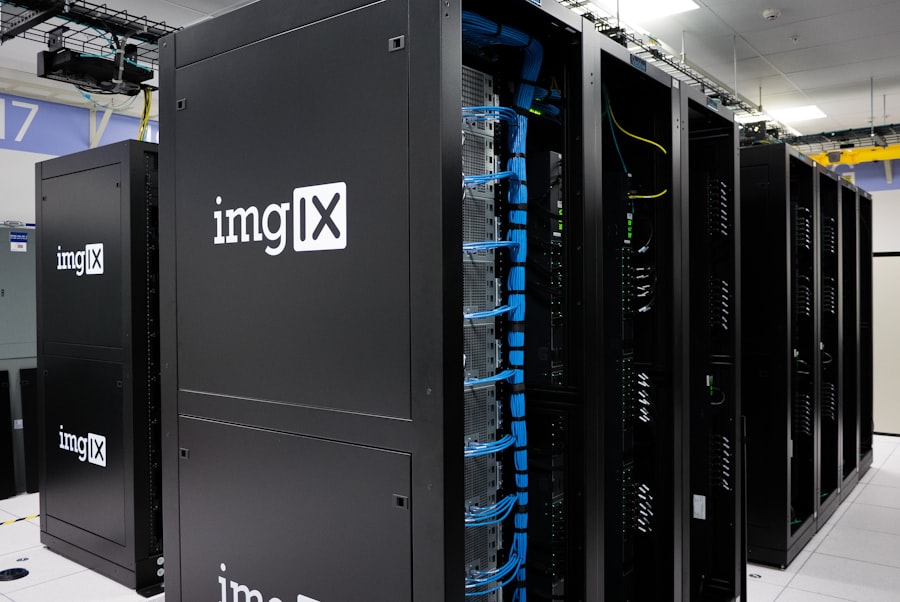
Beyond the fundamental choice of hosting type, several critical factors can significantly impact your startup’s success. Don’t overlook these details.
Performance and Uptime: Your Startup’s First Impression
Slow loading times and frequent downtime are killer blows for startups. Users are impatient, and search engines penalize sluggish websites.
- Server Specifications: Look at CPU, RAM, storage type (SSDs are significantly faster than HDDs), and network connectivity.
- Content Delivery Network (CDN): For global audiences, a CDN caches your content at various edge locations worldwide, delivering it to users from the closest server, drastically reducing latency.
- Uptime Guarantees: Reputable providers offer Service Level Agreements (SLAs) with uptime guarantees, often 99.9% or higher. What happens if they don’t meet it?
- Monitoring Tools: Does the provider offer tools to monitor your server’s performance and resource usage?
Security: Protecting Your Business and Your Users
Security is non-negotiable. A breach can destroy your reputation, customer trust, and potentially lead to legal issues.
- SSL Certificates: Essential for encrypting data between your server and users’ browsers. Most good providers offer free SSL (e.g., Let’s Encrypt).
- Firewalls and DDoS Protection: Essential safeguards against malicious attacks.
- Regular Backups: Automated, off-site backups are a lifesaver. Ensure you can easily restore your data.
- Security Audits and Monitoring: Does the provider actively monitor for threats and conduct security audits?
- Operating System and Software Updates: Whose responsibility is it to keep the server’s OS and software patched and up-to-date? For managed solutions, this falls to the provider.
Scalability and Flexibility: Future-Proofing Your Investment
Your startup will evolve. Your hosting needs to keep pace without requiring a complete overhaul every few months.
- Ease of Upgrades/Downgrades: Can you easily add or remove resources (CPU, RAM, storage) without significant downtime or complex migrations?
- Horizontal Scalability (Load Balancing/Auto-Scaling): Can you easily add more servers to handle increased traffic and distribute the load? Critical for high-growth applications.
- Supported Technologies: Ensure the hosting supports your chosen programming languages, databases (e.g., MySQL, PostgreSQL, MongoDB), and frameworks (e.g., Node.js, Python, Ruby on Rails, PHP).
Support and Customer Service: Your Lifeline in a Crisis
When things go wrong, you need reliable help, fast. Good customer support can save you hours of frustration and potential downtime.
- Availability: Is support available 24/7, or only during business hours?
- Channels: Do they offer live chat, phone support, ticket systems, or a combination?
- Response Times: What are their guaranteed response times for critical issues?
- Technical Expertise: Are the support agents knowledgeable and able to resolve complex issues, or do they just read from a script?
- Documentation and Knowledge Base: A comprehensive self-help library can be invaluable for troubleshooting minor issues.
Pricing Structure and Transparency: No Surprises
Understand exactly what you’re paying for and watch out for hidden fees.
- Bandwidth and Storage Limits: Are these clearly defined? What are the overage charges?
- Renewal Costs: Promotional pricing during your initial term might skyrocket upon renewal. Always check.
- Add-on Services: Are essential features like backups, security tools, or domain registration included or charged separately?
- Refund Policy: What’s their refund policy if you’re not satisfied?
Making Your Decision: A Strategic Approach

With all this information, you’re now equipped to make an informed decision. Don’t rush it.
Read Reviews and Case Studies
| Factors to Consider | Importance |
|---|---|
| Uptime and Reliability | High |
| Scalability | High |
| Security | High |
| Customer Support | High |
| Cost | Medium |
| Performance and Speed | Medium |
| Control Panel and User Interface | Low |
Don’t just take the provider’s word for it. Look for independent reviews on sites like G2, Capterra, or even Reddit communities. Pay attention to feedback regarding uptime, performance, and customer support. Look for case studies of similar startups or applications hosted on their platform.
Test the Waters (If Possible)
Many cloud providers offer free tiers or trials. Take advantage of these to deploy a basic version of your application and gauge performance, ease of use, and support. For other hosting types, some providers offer money-back guarantees that allow you to test without significant risk.
Start Small and Scale Up
Unless you anticipate an immediate massive influx of users, it’s often wise to start with a more modest hosting plan and upgrade as your needs grow. This saves money in the early stages. The key is to choose a provider and a plan that allows for easy scaling.
Prioritize Your Non-Negotiables
If security is paramount, don’t compromise. If ease of use is your top priority because you lack technical expertise, seek out fully managed solutions. List your top 3-5 non-negotiable requirements and ensure any prospective provider meets them.
Don’t Fall for the “Cheapest” Trap
As tempting as it is to save money, remember that your hosting is the foundation of your online presence. Investing in reliable hosting upfront can prevent costly headaches, downtime, and reputational damage down the line. The cheapest option often proves to be the most expensive in the long run.
Finding the perfect hosting for your startup is a journey of discovery – understanding your unique needs, exploring the vast landscape of options, and meticulously evaluating each contender. It’s not just about keeping the lights on; it’s about providing a robust, secure, and performant home for your burgeoning business, enabling it to thrive and ultimately, achieve its soaring potential. Choose wisely, and you’ll lay a strong foundation for future success.
FAQs
1. What factors should I consider when choosing a hosting provider for my startup?
When choosing a hosting provider for your startup, consider factors such as reliability, scalability, security, customer support, and pricing. It’s important to ensure that the hosting provider can meet your current needs and accommodate future growth.
2. What are the different types of hosting options available for startups?
Startups have several hosting options to choose from, including shared hosting, VPS (Virtual Private Server) hosting, dedicated hosting, and cloud hosting. Each option has its own advantages and considerations, so it’s important to evaluate which one best suits your startup’s needs.
3. How important is uptime and performance when selecting a hosting provider for a startup?
Uptime and performance are crucial factors when selecting a hosting provider for a startup. A reliable hosting provider should offer high uptime guarantees and fast loading times to ensure that your website or application is always accessible and responsive to users.
4. What security features should I look for in a hosting provider for my startup?
When choosing a hosting provider for your startup, look for security features such as SSL certificates, regular backups, firewalls, DDoS protection, and malware scanning. These features help protect your startup’s data and ensure the security of your website or application.
5. How can I determine the scalability of a hosting provider for my startup?
To determine the scalability of a hosting provider for your startup, consider factors such as the ability to easily upgrade resources, flexible pricing plans, and the provider’s track record of supporting growing businesses. It’s important to choose a hosting provider that can accommodate your startup’s future growth without causing disruptions.









Add comment