
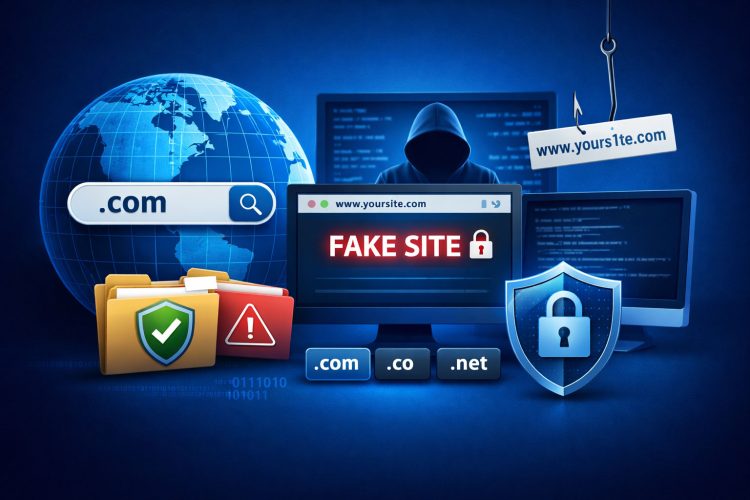
You’ve built your brand meticulously. You’ve invested time, resources, and creative energy into establishing your online presence, securing a domain name that resonates with your identity, and cultivating a reputation you’re proud of. However, a silent predator lurks in the digital shadows, ready to capitalize on a single keystroke error: domain typosquatting. This article will equip you with the knowledge and strategies to protect your brand from this prevalent and often insidious threat.
Typosquatting, also known as URL hijacking or domain mimicry, is the act of registering domain names that are slight variations or common misspellings of legitimate, established domain names. The perpetrator, or “typosquatter,” then uses these deceptive domains for malicious purposes. Imagine a chameleon blending seamlessly into its surroundings; typosquatters employ a similar tactic, creating digital facsimiles to entrap unwary users.
Typographical Errors as a Gateway
The core of typosquatting exploits human fallibility. Users frequently make minor typing mistakes when entering a URL directly into their browser. These errors, often imperceptible to the untrained eye, can lead them to a typosquatted domain.
- Common Typo Variations: Typosquatters strategically register domains based on common typographical errors. This includes accidental key presses (e.g.,
brandd.cominstead ofbrand.com), omitted characters (e.g.,bran.com), transposed characters (e.g.,barnd.com), or doubled characters (e.g.,brand.coom). - Phonetic Similarities: Some typosquatters exploit phonetic similarities, registering domains that sound similar to your brand, even if the spelling is different (e.g.,
braand.com). - TLD Variations: Another common tactic is to register your domain name with a different top-level domain (TLD) than your primary one (e.g., if your primary domain is
brand.com, a typosquatter might registerbrand.orgorbrand.net).
The Typosquatter’s Motivations: A Spectrum of Malice
The motivations behind typosquatting are diverse, ranging from illicit financial gain to reputational damage. Understanding these motives helps you anticipate and counter their tactics.
- Phishing and Malware Distribution: This is arguably the most dangerous form of typosquatting. Typosquatters create websites that mimic your legitimate site, often complete with your branding and design elements. Their objective is to trick users into revealing sensitive information, such as login credentials, credit card numbers, or personal data. These sites may also contain malicious software (malware) designed to infect the user’s device.
- Ad Revenue Generation: Some typosquatters register misspellings of popular domains to redirect traffic to ad-filled pages. They profit from pay-per-click advertising, generating revenue from accidental visits. This is akin to erecting a billboard on a detour road, hoping passing traffic will glimpse their advertisements.
- Cybersquatting and Domain Extortion: In some cases, the typosquatter intends to sell the domain back to the legitimate brand owner at an inflated price. This is a form of extortion, where the typosquatter holds your brand’s digital identity hostage.
- Reputational Damage and Disparagement: Typosquatters may create websites that mimic your brand but publish negative, false, or misleading information about your company or products. This can severely damage your reputation and erode customer trust. Imagine a corrupted mirror image of your brand, reflecting a distorted reality.
- Competitive Advantage: Less commonly, competitors might engage in typosquatting to divert your traffic or gather intelligence.
In addition to understanding how to avoid domain typosquatting and protect your brand, it’s essential to stay informed about the broader landscape of web hosting and domain management. A related article that delves into the future of web hosting is titled “US Data Centers Dominating 2025 Web Hosting Market,” which discusses emerging trends and the impact of data centers on the hosting industry. You can read more about it here: US Data Centers Dominating 2025 Web Hosting Market. This information can help you make informed decisions about your online presence and brand protection strategies.
Proactive Defense: Building Your Digital Fortress
While typosquatting can seem overwhelming, you possess a formidable arsenal of proactive measures to safeguard your brand. Prevention, as ever, is superior to cure.
Comprehensive Domain Name Registration
The most fundamental defense against typosquatting is to register variations of your domain name yourself. Think of it as encircling your territory with a protective perimeter.
- Register Common Misspellings: Identify and register common typographical errors associated with your brand name. Brainstorm potential mistakes a user might make when typing your domain. Tools and services exist that can help you generate these variations.
- Secure Different Top-Level Domains (TLDs): If your primary domain is
yourbrand.com, consider registeringyourbrand.net,yourbrand.org,yourbrand.co, and other relevant TLDs. Prioritize TLDs commonly used by your target audience or in your industry. - Consider Country Code TLDs (ccTLDs): If you operate in multiple countries, registering your domain with the respective ccTLDs (e.g.,
yourbrand.co.uk,yourbrand.de) is crucial to prevent local typosquatting. - Brand Variations and Slogans: If your brand has common nicknames, abbreviations, or slogans, consider registering domains that include these as well.
Implementing Domain Monitoring Services
Even with a comprehensive registration strategy, new threats emerge. Continuous vigilance through domain monitoring services is essential. These services act as your digital sentinels, constantly scanning for suspicious activities.
- Automatic Scanning for New Registrations: Specialized services continuously scour domain registration databases for new domain names that are similar to yours. They often employ sophisticated algorithms to identify potential typosquats.
- Alerts and Notifications: When a suspicious domain is registered, you receive immediate alerts, allowing you to take swift action.
- Reporting and Analysis: These services often provide detailed reports and analysis of potential threats, helping you understand the landscape of typosquatting attacks targeting your brand.
Educating Your Users: Fostering Digital Literacy
Your users are your first line of defense. By educating them about the dangers of typosquatting, you empower them to protect themselves and, consequently, your brand.
- Emphasize Direct Navigation: Encourage users to navigate to your website by typing the URL directly, using bookmarks, or clicking on verified links from trusted sources (e.g., your official emails, social media profiles).
- Highlight URL Verification: Advise users to always double-check the URL in their browser’s address bar before interacting with a website, especially when entering personal information.
- Browser Security Features: Remind users about browser security features, such as phishing warnings and secure connection indicators (HTTPS/padlock icon), which can help identify illegitimate websites.
- Clear Communication on Official Channels: Use your official website, emails, and social media channels to reiterate your legitimate domain name and warn against fraudulent look-alike sites.
Reactive Measures: Counteracting a Typosquatting Attack

Despite proactive efforts, a typosquatting incident may still occur. Knowing how to react swiftly and effectively is paramount to mitigating damage. This section outlines the legal and technical avenues available to you.
Legal Recourse: WIPO and UDRP
The Uniform Domain-Name Dispute-Resolution Policy (UDRP) administered by the World Intellectual Property Organization (WIPO) is a powerful mechanism for resolving domain name disputes, including typosquatting.
- The UDRP Process: This administrative procedure allows trademark holders to challenge domain name registrations that they believe infringe on their rights. The process is relatively quick and cost-effective compared to traditional litigation.
- Elements of a UDRP Complaint: To succeed in a UDRP complaint, you typically need to demonstrate three elements:
- The disputed domain name is identical or confusingly similar to a trademark or service mark in which you have rights.
- The registrant (typosquatter) has no rights or legitimate interests in respect of the domain name.
- The domain name has been registered and is being used in bad faith.
- WIPO Arbitration and Mediation Center: WIPO provides a structured process for filing complaints, submitting evidence, and receiving a decision. If successful, the domain name can be transferred to you or canceled.
Cease and Desist Letters
Before pursuing formal legal action, a cease and desist letter might be an effective first step, especially for less egregious or financially motivated typosquatting.
- Purpose: A cease and desist letter formally informs the typosquatter of your intellectual property rights and demands that they cease their infringing activities. It also highlights the potential legal consequences if they fail to comply.
- Legal Counsel: It is advisable to have a legal professional draft and send a cease and desist letter to ensure its legal validity and impact.
Takedown Notices and Abuse Reports
For phishing, malware distribution, or other malicious activities associated with a typosquatted domain, you can leverage takedown notices and abuse reports.
- Domain Registrar Abuse Departments: Contact the domain registrar of the infringing domain and report the abuse. Most registrars have clear policies against phishing, malware, and trademark infringement and will often take action, such as suspending or revoking the domain, if sufficient evidence is provided.
- Hosting Provider Abuse Departments: If the typosquatted website is actively hosting malicious content, contact the hosting provider as well. They can often take down the website even if the domain registrar is slow to act.
- Phishing Reporting Tools: Utilize dedicated phishing reporting tools provided by organizations like Google, Microsoft, and cyber security firms to report malicious websites.
Search Engine De-indexing
If a typosquatted website is appearing in search engine results, you can request its de-indexing to prevent further harm.
- Google Search Console and Bing Webmaster Tools: Use these platforms to report spam, malware, or phishing sites that are impersonating your brand. Search engines often act swiftly to remove malicious content from their indexes.
- Negative SEO Implications: A typosquatted site ranking highly can also dilute your search engine optimization (SEO efforts). Removing it is crucial for maintaining your online visibility and brand authority.
Beyond the Basics: Advanced Protection Strategies

As the digital landscape evolves, so too must your defense mechanisms. Consider these advanced strategies for comprehensive brand protection.
Trademark Registration and Enforcement
A registered trademark is your legal bedrock against infringement, including typosquatting. It provides a clear legal basis for your claims.
- Strengthening Your Legal Position: A registered trademark is undeniable proof of your ownership and exclusive rights to your brand name. This significantly strengthens your position in UDRP disputes and other legal actions.
- International Registration: Consider international trademark registration if your brand operates globally, providing protection in key markets.
- Proactive Trademark Monitoring: Similar to domain monitoring,
trademark monitoring services can alert you to potential trademark infringements, including those that might lead to typosquatting attempts.
Continuous Content Monitoring
Beyond just domain names, monitor the content being published online that relates to your brand. Typosquatters might use legitimate-looking content on their deceptive sites.
- Brand Monitoring Tools: Utilize tools that scrape the web, social media, and forums for mentions of your brand name. These tools can help identify instances where your brand is being misrepresented or used in conjunction with a typosquatted domain.
- Image and Logo Recognition: Advanced monitoring can even identify instances where your brand logo or visual assets are being used on unauthorized websites, including those set up by typosquatters.
Implementing Secure Website Practices
While not directly preventing typosquatting, robust website security can act as a deterrent and mitigate the impact of successful breaches via typosquatted domains.
- HTTPS Everywhere: Ensure your legitimate website uses HTTPS (Hypertext Transfer Protocol Secure). This encrypts communication between your users and your site, building trust and signaling authenticity. Typosquatted sites often lack proper HTTPS certificates, which can be a red flag for observant users.
- Multi-Factor Authentication (MFA): Encourage or enforce MFA for your internal systems and, where applicable, for user accounts. Even if a typosquatter manages to phish credentials, MFA adds an extra layer of security.
- Regular Security Audits: Conduct regular security audits of your own website and infrastructure to identify and address vulnerabilities that could be exploited by malicious actors, indirectly strengthening your overall brand defenses.
Building a Strong Brand Identity and Trust
Ultimately, a strong, trustworthy brand identity is a powerful deterrent against typosquatting. When users inherently trust your brand, they are more likely to scrutinize unfamiliar URLs.
- Consistent Branding: Maintain consistent branding across all your online and offline channels. This helps users quickly identify official communications and websites.
- Transparency and Communication: Be transparent with your customers about your security practices and how you protect their data. Communicate directly with them about any potential phishing or typosquatting threats.
- Customer Support: Provide accessible and responsive customer support channels. If a user suspects a typosquatting attempt, they should have a clear avenue to report it to you.
To effectively safeguard your brand from the risks associated with domain typosquatting, it is essential to understand the broader landscape of online presence and security. One insightful resource that delves into the importance of robust infrastructure and local support in maintaining a strong online identity is an article on hybrid hosting. You can read more about it here. By leveraging such knowledge, businesses can better navigate the complexities of domain management and enhance their overall brand protection strategies.
Conclusion: Your Vigilance, Your Shield
<?xml encoding=”UTF-8″>
| Metric | Description | Recommended Action | Impact on Brand Protection |
|---|---|---|---|
| Number of Typosquatting Domains Detected | Count of domains registered that closely mimic your brand’s domain | Use domain monitoring tools to identify and track | Early detection reduces risk of customer confusion and fraud |
| Percentage of Brand Domains Registered | Proportion of common misspellings and variations of your domain owned by your company | Register common typos and variations proactively | Prevents malicious actors from acquiring similar domains |
| Time to Respond to Typosquatting Incidents | Average time taken to take down or mitigate typosquatting domains | Establish rapid response protocols and legal actions | Minimizes damage and protects customer trust |
| Number of Phishing Attempts via Typosquatting Domains | Instances where typosquatting domains are used for phishing attacks | Implement email filtering and educate customers | Reduces risk of data breaches and brand reputation damage |
| Use of Domain Locking and DNS Security | Percentage of domains secured with domain locking and DNSSEC | Enable domain locking and DNSSEC on all brand domains | Prevents unauthorized domain transfers and DNS hijacking |
| Customer Awareness Level | Percentage of customers aware of typosquatting risks | Conduct awareness campaigns and provide guidance | Empowers customers to avoid fraudulent sites |
Typosquatting is a persistent and evolving threat in the digital landscape. It preys on human error and aims to undermine the trust you’ve painstakingly built with your audience. However, you are not powerless. By implementing a multi-layered defense strategy—combining proactive domain registration, continuous monitoring, user education, and decisive reactive measures—you can significantly reduce your vulnerability. Think of your brand as a precious garden, and typosquatters as invasive weeds. Constant vigilance, careful cultivation, and timely removal are essential to ensure its continued flourishing. Protect your brand, protect your integrity, and empower your users to navigate the digital world safely.
FAQs
What is domain typosquatting?
Domain typosquatting is a malicious practice where attackers register domain names that are very similar to a legitimate brand’s domain, often with common typographical errors, to deceive users and potentially steal traffic or sensitive information.
Why is domain typosquatting a threat to my brand?
Typosquatting can damage your brand’s reputation, lead to loss of customer trust, cause financial losses through fraud or phishing, and divert web traffic away from your official site.
How can I identify if someone is typosquatting on my brand’s domain?
You can monitor for typosquatted domains by regularly searching for domain names similar to yours, using domain monitoring services, and setting up alerts for new domain registrations that resemble your brand.
What steps can I take to protect my brand from domain typosquatting?
Protect your brand by registering common misspellings and variations of your domain, using domain monitoring tools, implementing strong trademark protections, and educating your customers about your official web addresses.
What should I do if I discover a typosquatted domain targeting my brand?
If you find a typosquatted domain, you can contact the domain registrar to report abuse, pursue legal action under the Uniform Domain-Name Dispute-Resolution Policy (UDRP), and inform your customers to avoid the fraudulent site.








Add comment