

You are navigating the digital landscape, a vast and intricate network where your online presence is paramount. Your domain name, a seemingly simple address, is in fact the bedrock of your digital identity, branding, and operations. It is not merely a marketing asset, but a critical piece of infrastructure, much like the physical address of your business. However, a common pitfall, often underestimated in its potential for catastrophic consequences, is the last-minute renewal of your domain name. This article will delve into the multifaceted dangers you expose yourself to by delaying this crucial administrative task, emphasizing why timely vigilance is now more critical than ever.
Your online visibility is intrinsically linked to your search engine ranking. In the competitive digital sphere, maintaining strong search engine optimization (SEO) is not just beneficial; it’s essential for your survival and growth. Allowing your domain to expire, even for a brief period, can inflict significant and long-lasting damage to your carefully cultivated SEO.
The Algorithm’s Disfavor
Search engine algorithms, like Google’s, are designed to prioritize websites that demonstrate reliability and consistency. An expired domain, regardless of the reason, signals instability. When your domain becomes inactive, search engines interpret this as a sign of neglect or abandonment. You are essentially telling the algorithm that your website is no longer trustworthy or relevant, leading to a precipitous drop in your search rankings. This decline is not easily reversed; the climb back to your previous position can be arduous and time-consuming, costing you valuable organic traffic and potential customers.
Loss of Backlink Equity
Over time, your domain accumulates “backlink equity” – the value and authority passed from other reputable websites linking to yours. This equity is a cornerstone of strong SEO. When your domain expires, these backlinks effectively lead to a dead end. Search engines devalue these broken links, and the hard-earned authority you’ve built up erodes. Re-establishing this network of valuable links is a monumental task, akin to rebuilding a house from its foundations.
Indexing and Crawling Issues
An expired domain means that search engine crawlers cease to visit and index your site. When you eventually renew, it’s not simply a matter of picking up where you left off. Search engines may treat your website as a new entity, requiring it to be re-indexed and re-evaluated from scratch. This process can take weeks, or even months, during which time your website will be largely invisible to potential customers searching for your services or products.
In the digital age, managing online assets like domain names is crucial for maintaining a strong online presence. An insightful article that complements the discussion on “The Hidden Risks Of Waiting Until The Last Day To Renew Domains” is available at What Is Cloud Hosting?. This article explores the importance of cloud hosting solutions, which can provide a reliable environment for your websites and domains, ensuring that you have the necessary support and infrastructure in place to avoid potential pitfalls associated with last-minute domain renewals.
The Specter of Brand Impersonation
Your brand is your promise to your customers, encapsulating your values, reputation, and identity. Allowing your domain to lapse opens the door for malicious actors to seize your digital identity, creating a dangerous landscape of brand impersonation that can severely undermine your credibility and customer trust.
Hijacking Your Digital Identity
Imagine a competitor, or worse, a cybercriminal, acquiring your expired domain. They can then resurrect a website under your brand name, but with content that is entirely fabricated or misleading. This is akin to someone setting up a storefront with your company’s name and logo, but selling counterfeit goods or spreading false information. Your customers, mistaking this imposter site for your legitimate presence, can be easily deceived, leading to irreparable damage to your brand’s reputation.
Misleading Your Audience
Once a malicious actor controls your expired domain, they have a powerful tool to mislead your audience. They could publish fabricated news, promote competitor products, or even disseminate harmful information under your brand’s guise. This type of digital identity theft can confuse your customers, erode their trust in your legitimate communications, and create a significant public relations crisis for your organization. The ramifications extend beyond mere inconvenience, potentially leading to legal battles and financial losses.
Eroding Customer Trust
Trust is the currency of the digital age. If your customers encounter a fraudulent website operating under your brand, their trust is immediately shattered. They may question the authenticity of your legitimate communications, hesitate to engage with your products or services, and even switch to competitors. Rebuilding this lost trust is an uphill battle, requiring significant effort and resources.
The Pernicious Threat of Phishing Attacks
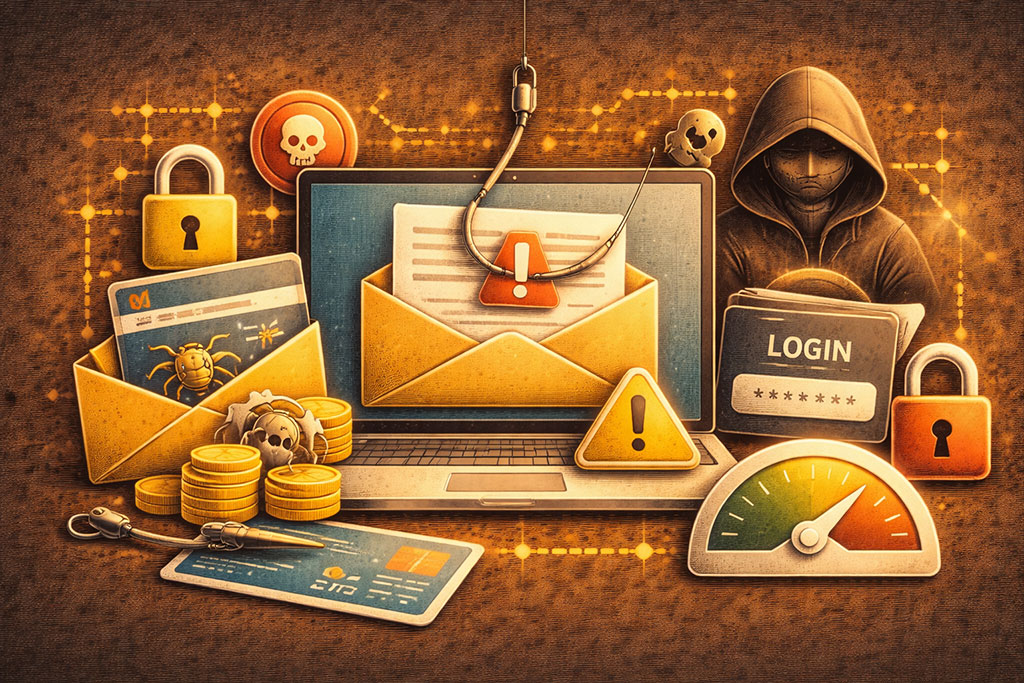
Phishing, a pervasive cybercrime, relies on deception to trick unsuspecting individuals into revealing sensitive information. Your expired domain can become a potent weapon in the hands of cybercriminals, enabling them to launch highly effective phishing campaigns against your unsuspecting audience.
Exploiting Familiarity
Cybercriminals are opportunistic. They understand that people are more likely to trust a domain name they recognize. By acquiring your expired domain, they gain immediate access to a trusted online identity. They can then craft meticulously designed phishing emails or messages that appear to originate from your organization. These messages can mimic your official communications, from billing statements to marketing newsletters, making them incredibly difficult for your audience to distinguish from genuine correspondence.
Targeting Your Customer Base
If your expired domain is acquired by a malicious actor, they can leverage any publicly available information about your former customer base, or even data they acquire through other means, to target them with personalized phishing attacks. They might send emails disguised as password reset requests, urgent account updates, or exclusive offers, all designed to trick your customers into divulging sensitive data like login credentials, credit card numbers, or personal identifying information. The consequences for your customers can range from financial fraud to identity theft, all linked back to your expired domain.
Reputation Bleed
Even if you recover your domain, the fallout from a phishing attack launched from your expired domain
can be significant. Your customers may associate the phishing attempt with your legitimate brand, leading to a “reputation bleed” that is difficult to staunch. You may face a barrage of customer complaints, negative social media mentions, and a general erosion of your brand’s standing, all due to a lapse in domain renewal.
DNS Hijacking Risks and Operational Chaos
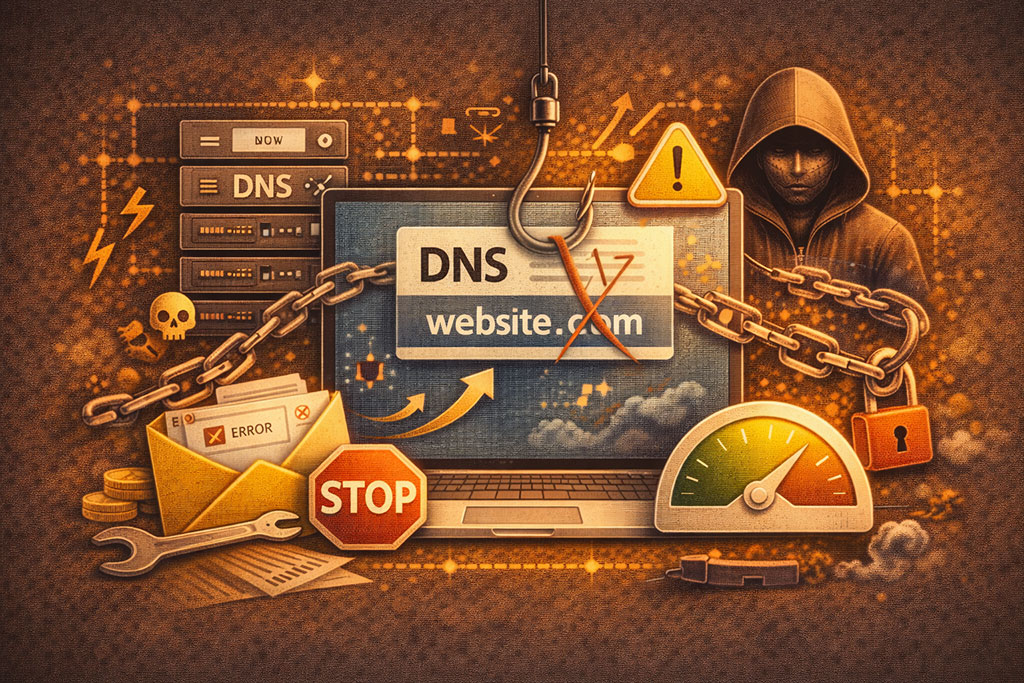
The Domain Name System (DNS) is the internet’s phonebook, translating human-readable domain names into machine-readable IP addresses. A last-minute or rushed renewal process can inadvertently introduce vulnerabilities into your DNS configuration, opening the door for DNS hijacking and potentially compromising your mission-critical systems.
Accidental DNS Updates
In the rush to renew an expiring domain, especially under pressure, human error is a significant risk factor. You or your administrative team might accidentally update DNS records on the wrong domain, or introduce incorrect configurations. This seemingly minor mistake can have massive consequences. Imagine redirecting all traffic from your primary e-commerce site to an unrelated one, or worse, to a malicious server. This is akin to misdirecting all your incoming calls to a fraudulent operator.
Vulnerability to Malicious Redirection
A compromised DNS stemming from a rushed renewal can lead to malicious redirection. Cybercriminals can seize control of your DNS records and reconfigure them to point your domain to their own servers. This is a severe form of attack, as anyone attempting to access your website will instead be directed to a fake or malicious site. This fake site can then be used for various nefarious purposes, including distributing malware, collecting personal data, or launching further phishing attacks, all under the guise of your legitimate domain.
Operational Downtime and Revenue Loss
Any disruption to your DNS is akin to severing the connection between your customers and your online business. If your DNS is hijacked or incorrectly configured, your website, email services, and other online applications will become inaccessible. This leads to immediate operational downtime, disrupting your business processes and preventing your customers from engaging with you. The financial implications can be substantial, encompassing lost sales, damaged customer relationships, and the cost of incident response and recovery.
In the digital landscape, managing your online presence is crucial, and one often overlooked aspect is the timely renewal of domain names. Waiting until the last day to renew domains can lead to unexpected risks, such as losing your domain or facing downtime. To enhance your website’s performance and ensure a seamless experience for your visitors, it’s essential to consider high-quality hosting solutions. For more insights on improving your website’s performance, you can read this informative article on boosting your website’s performance with high-quality WordPress hosting.
Your Domain: A Valuable Asset at Risk of Loss to Competitors
If you lose your domain name due to late renewal, the path forward is often fraught with expense and difficulty. You might have to engage in lengthy and costly legal battles to reclaim your domain, especially if it has been acquired by a competitor or a domain squatter demanding an exorbitant fee. Alternatively, you might be forced into a complete rebranding effort, including designing a new website, updating all your marketing materials, and painstakingly rebuilding search engine authority under a new domain. Both scenarios represent significant financial outlays and a substantial drain on your resources.
In the digital age, managing your online presence is crucial, and one often overlooked aspect is domain renewal. The article “The Hidden Risks Of Waiting Until The Last Day To Renew Domains” highlights the potential pitfalls of procrastination in this area. For further insights on maintaining your website and avoiding common mistakes, you might find this related article on domain management helpful. It provides valuable tips and strategies to ensure that your online identity remains secure and uninterrupted. To read more, visit this link.
The Imperative of Renewal Discipline
The evolving digital landscape of early 2026 underscores one crucial truth: your domain is no longer a simple marketing accessory. It is a cornerstone of your digital infrastructure, a vital asset demanding diligent management and proactive renewal. The ease with which an expired domain can be weaponized by malicious actors, or strategically acquired by competitors, highlights the paramount importance of what we term “renewal discipline.”
Beyond a Mere Administrative Task
You must shift your perception of domain renewal from a mundane administrative chore to a critical risk management function. It’s akin to regularly maintaining your physical business premises; neglecting it can lead to structural damage and vulnerabilities. Implementing robust internal processes and leveraging automated reminders are not merely conveniences but necessities.
Automated Reminders and Proactive Management
To mitigate the risks outlined, you should establish a comprehensive domain management strategy. This includes utilizing your domain registrar’s automated renewal notifications, which typically send out alerts weeks or months in advance. However, relying solely on these is insufficient. You should also implement an internal calendar system or dedicated software that tracks renewal dates across all your domains. Assign clear responsibility for domain management to a specific individual or team, ensuring accountability and preventing oversights.
Financial and Operational Impact Assessment
Consider the potential financial and operational impact of losing your domain. Quantify the potential revenue loss from a disrupted website, the cost of a full rebranding effort, or the legal expenses associated with reclaiming a squatted domain. By understanding the true cost of neglect, you can better justify the resources and attention required for proactive domain management.
Domains as Valuable Brand Infrastructure
The prevailing sentiment among cybersecurity experts and brand strategists in 2026 is that domains have transitioned from simple web addresses to indispensable brand infrastructure. They are the gateways to your digital storefronts, your communication channels, and your intellectual property. Treat them with the same level of importance and protection as any other mission-critical asset within your organization.
In conclusion, the dangers of last-minute domain renewal are far-reaching and potentially catastrophic. From debilitating SEO damage and the threat of brand impersonation to the insidious nature of phishing attacks and the very real possibility of losing your domain to competitors, the consequences of oversight are severe. By embracing a disciplined, proactive approach to domain management, you can safeguard your digital presence, protect your brand, and ensure the continued success of your online operations. Your vigilance today is an investment in your future.
FAQs
Why is it risky to wait until the last day to renew a domain?
Waiting until the last day to renew a domain increases the risk of missing the renewal deadline due to technical issues, payment processing delays, or forgetting to complete the renewal. This can lead to domain expiration and potential loss of the domain.
What happens if a domain expires before renewal?
If a domain expires, it typically enters a grace period during which the owner can still renew it without additional fees. After the grace period, the domain may enter a redemption period with higher renewal costs, and eventually, it can be released for public registration, risking permanent loss.
Can waiting too long to renew a domain affect website accessibility?
Yes, if a domain expires and is not renewed promptly, the associated website and email services may become inaccessible, leading to downtime and potential loss of business or communication.
Are there any financial consequences of late domain renewal?
Yes, renewing a domain after expiration often incurs additional fees during the redemption period. In some cases, the domain may be auctioned or sold to a third party, potentially requiring a higher price to regain ownership.
How can domain owners avoid the risks associated with last-minute renewals?
Domain owners can avoid risks by setting up automatic renewals, enabling renewal reminders, and renewing domains well in advance of the expiration date to ensure continuous ownership and service availability.









Add comment