

Your domain name is more than just an address on the internet; it is a critical digital asset, representing your online identity, brand, or business. Protecting this asset from unauthorized transfer is paramount. This article outlines the mechanisms, best practices, and recent policy updates designed to safeguard your domain from malicious actors. Understanding and implementing these measures is essential for maintaining control over your digital presence.
Domain theft, often referred to as domain hijacking, involves the unauthorized transfer of a domain name from its legitimate owner to a malicious third party. This can occur through various attack vectors, including credential theft, social engineering, or exploiting vulnerabilities within registrar systems. The consequences of such an event can be severe, ranging from disruption of services and financial losses to irreversible damage to your brand reputation.
The Lifecycle of a Domain Transfer
To appreciate the security measures, it is necessary to understand the standard domain transfer process. When you initiate a transfer, your gaining registrar communicates with the losing registrar and the central registry. An Authorization Code, also known as an EPP code, serves as a crucial security token, verifying your ownership and intent to transfer. Without this code, a legitimate transfer cannot proceed. ICANN mandates the requirement of these EPP/authorization codes for transfers, ensuring a foundational layer of security by verifying ownership before any move is authorized.
Common Attack Vectors
Attackers often target the weakest link in the security chain. This could be you, the domain owner, through phishing attempts designed to steal your registrar login credentials. Alternatively, they might exploit vulnerabilities in your email account, which is often linked to your registrar account for critical communications. Less commonly, compromised registrar systems or insider threats can facilitate unauthorized transfers, though these are typically more sophisticated attacks.
In addition to understanding the importance of locking your domain to prevent unauthorized transfers, you may find it beneficial to explore related insights in the article titled “Understanding Domain Security: Best Practices for Protecting Your Online Presence.” This article delves deeper into various strategies for safeguarding your digital assets, ensuring that your online identity remains secure. For more information, you can read the article here: Understanding Domain Security: Best Practices for Protecting Your Online Presence.
Implementing Robust Domain Locking Mechanisms
Domain locking is the primary defense against unauthorized transfers. It acts as a digital deadbolt, preventing your domain from being moved to another registrar without your explicit consent. There are several layers of locking that you can implement, each offering an incremental increase in security.
Registrar Lock: The First Line of Defense
Most domain registrars offer a “registrar lock” feature, often labeled as clientTransferProhibited status. This status flag, once enabled, prevents the domain from being transferred out of your account at that specific registrar. You can typically toggle this setting within your registrar’s control panel. For instance, if you manage domains through AWS Route 53 or HostGator, you will find an option within the console to activate this lock. It is critical to ensure this setting is always enabled unless you are actively performing a legitimate transfer. Think of it as leaving your front door unlocked – without it, your property is vulnerable.
Registry Lock: An Elevated Security Barrier
For domains requiring the highest level of security, such as those belonging to large enterprises, financial institutions, or critical infrastructure, registry lock offers an enhanced protective layer. Unlike registrar lock, which is managed at the registrar level, registry lock involves a manual approval process at the central registry itself. This typically entails a multi-person authorization protocol, often involving phone calls or physical documentation, making it significantly harder for unauthorized parties to initiate a transfer. Services like Cloudflare Domain Protection offer registry lock capabilities. While often incurring an additional annual cost, typically ranging from $100 to $500 per year, this investment can be invaluable for minimizing the risk of high-impact domain theft. Consider this akin to having a security guard stationed at your entrance, requiring verification beyond merely locking the door.
The Crucial Role of Authorization Codes
As previously noted, ICANN mandates the use of EPP/authorization codes for transfers. This alphanumeric code is unique to your domain and acts as a one-time password for transfer initiation. Protecting this code is paramount. Never share it with unsolicited parties, and treat it with the same confidentiality you would treat a banking PIN or a master key. If an attacker gains access to your registrar account, even with registrar lock enabled, they might be able to disable the lock and then retrieve your authorization code, initiating a transfer. This highlights the need for multi-layered security.
Best Practices for Comprehensive Domain Security
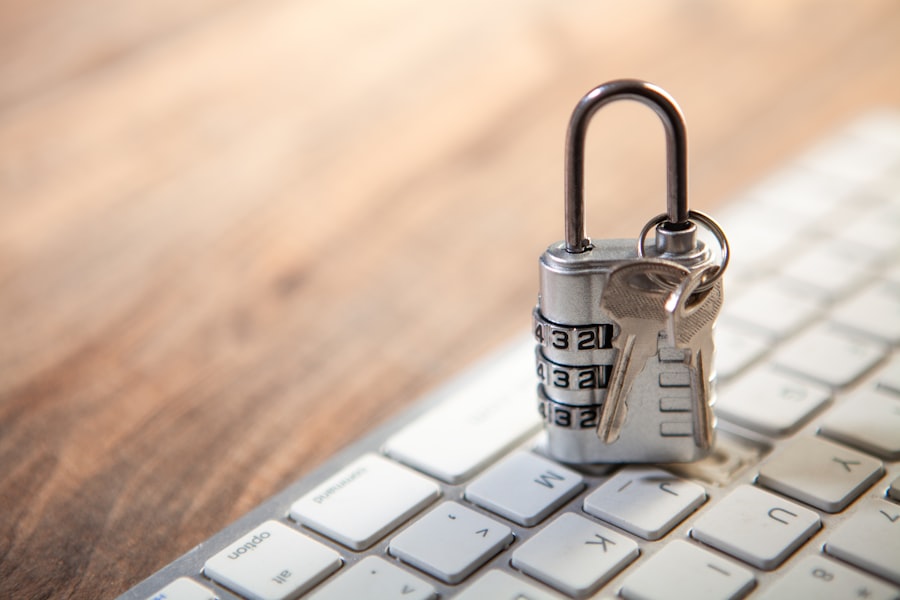
Beyond locking mechanisms, a holistic approach to domain security involves several proactive measures that significantly reduce your vulnerability to unauthorized transfers and other malicious activities.
Strengthening Account Security with Multi-Factor Authentication (MFA)
One of the most effective measures you can implement to protect your registrar account is Multi-Factor Authentication (MFA), often referred to as Two-Factor Authentication (2FA). This adds an extra layer of security beyond just a password. Even if an attacker compromises your password, they would still need access to a second factor, such as a code generated by an authenticator app on your smartphone, a physical security key, or a code sent to your registered mobile number. Enable MFA on your registrar account and any associated email accounts immediately. This is analogous to having two separate keys for a safe; knowing one is insufficient to open it.
Fortifying Your Digital Gates: Strong Passwords and Regular Audits
Your password is the initial line of defense for your registrar account. Employ strong, unique passwords that combine uppercase and lowercase letters, numbers, and symbols. Avoid using easily guessable information such as birthdays, common words, or sequences. Utilize a reputable password manager to generate and store complex passwords securely. Regularly review and update your passwords, especially if you suspect any compromise of your online accounts.
Safeguarding Your Identity: WHOIS Privacy Protection
WHOIS records contain publicly accessible information about domain registrants, including names, addresses, and contact details. This information can be exploited by attackers for social engineering attacks or targeted phishing campaigns. Most registrars offer WHOIS privacy protection services, which replace your personal information with generic registrar details. While this doesn’t directly prevent unauthorized transfers, it significantly reduces your exposure to information harvesting by malicious entities.
Uninterrupted Stewardship: Auto-Renewal and Expiry Monitoring
A common cause of domain loss, though not directly an unauthorized transfer, is accidental expiry, which can lead to the domain being available for registration by others. Enable auto-renewal for all your critical domains to prevent inadvertent lapses in registration. Additionally, establish a system for monitoring domain expiry dates independently of your registrar notifications. This can involve setting calendar reminders or utilizing third-party monitoring services. Consider your domain as a lease; ensuring timely renewal prevents its reversion to the open market.
Protecting Your DNS Records with DNSSEC
While DNSSEC (Domain Name System Security Extensions) primarily addresses the integrity of DNS records, preventing DNS cache poisoning and ensuring users are directed to the legitimate website, it indirectly contributes to domain security by preventing certain forms of hijacking that manipulate DNS. Though not directly preventing domain transfer, securing your DNS records is part of a comprehensive security posture for your online presence.
Vigilance Against Phishing and Social Engineering
Phishing attacks remain a prevalent method for obtaining unauthorized access to domain management accounts. Be extremely cautious of emails, messages, or calls purporting to be from your registrar or a reputable service provider, especially if they request your login credentials, authorization codes, or private information. Always verify the sender and the legitimacy of the request through independent channels (e.g., by logging into your registrar account directly rather than clicking links in emails). Never click on suspicious links or download attachments from unknown sources. Exercise critical thinking; if an offer seems too good to be true, it likely is.
Navigating ICANN Policies and Recent Updates

ICANN (Internet Corporation for Assigned Names and Numbers) is the global body responsible for coordinating the internet’s domain name system. Its policies dictate the rules and procedures governing domain registrations and transfers, impacting your ability to protect and recover your domains. Staying informed about these policies, especially recent updates, is crucial.
The 2025 Transfer Policy Update: Speeding Up Recovery
ICANN’s upcoming 2025 Transfer Policy Update includes significant changes aimed at improving the efficiency of domain transfers and, critically, facilitating faster recovery in cases of theft. One key change is the reduction of the post-transfer lock period from 60 days to 30 days. This means that if a domain is legitimately transferred, you will regain the ability to transfer it again after a shorter interval. More importantly, for cases of confirmed domain theft, ICANN now limits the registrar response time to 120 hours. This emphasizes the need for fast escalation for recovery efforts, providing a tighter timeframe for registrars to act when a domain has been illicitly moved. This change recognizes the time-sensitive nature of domain recovery and aims to empower owners to regain control more rapidly.
Authorization Codes: The Mandated Gatekeeper
As previously mentioned, ICANN mandates the use of EPP/authorization codes for all domain transfers. This fundamental requirement ensures that transfers are initiated by parties who can prove legitimate control over the domain. This standard provides a baseline
FAQs
What does it mean to lock a domain?
Locking a domain means enabling a security feature that prevents unauthorized or accidental transfers of the domain name to another registrar. When a domain is locked, transfer requests are typically blocked until the lock is removed by the domain owner.
Why is it important to lock your domain?
Locking your domain helps protect it from unauthorized transfers, which can lead to loss of control over your website and email services. It adds an extra layer of security by ensuring that only the domain owner can initiate a transfer.
How can I lock my domain?
Most domain registrars provide an option to lock your domain through their control panel or dashboard. You can usually enable or disable the domain lock feature with a simple toggle or button. If unsure, contact your registrar’s support for assistance.
Can a locked domain still be transferred?
No, a locked domain cannot be transferred until the lock is removed. This prevents unauthorized parties from initiating a transfer without the domain owner’s consent. The owner must unlock the domain before any transfer can proceed.
Does locking a domain affect website functionality?
No, locking a domain does not affect the normal operation of your website or email services. It only restricts the ability to transfer the domain to another registrar, ensuring your domain remains secure.









Add comment