
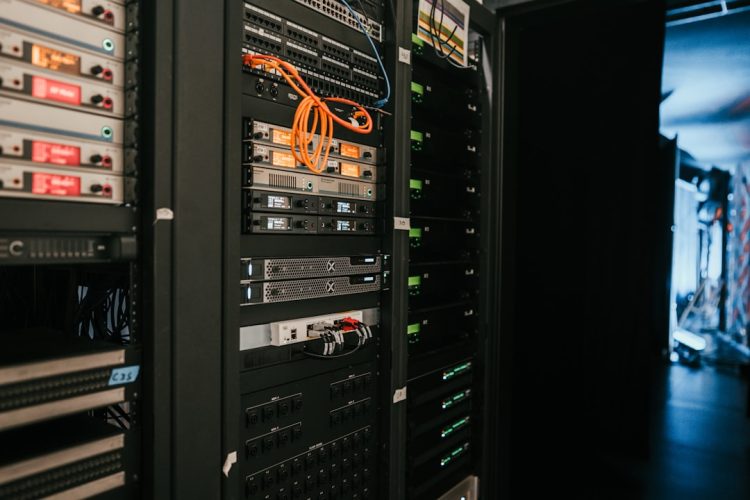
You are entering a digital realm powered by an invisible, yet immense, infrastructure: the data center. These colossal facilities, the lungs of the internet, process, store, and transmit the information that underpins your daily life, from streaming your favorite shows to conducting global business. However, this digital heartbeat comes with a significant energy cost, a silent hum that contributes to environmental challenges. The concept of “green hosting” emerges as a crucial solution, aiming to transform these power-hungry giants into energy-efficient powerhouses that support a sustainable planet.
Imagine the electricity consumed by a single data center not as a constant stream, but as a raging river. This river powers the servers, the cooling systems, the networking equipment, and all the ancillary components that keep the digital world alive. The sheer scale of this operation is often underestimated.
Servers: The Brains of the Operation
At the core of any data center are the servers – racks upon racks of powerful computers tirelessly processing your requests. Each server, even when idle, consumes a baseline amount of electricity. When actively engaged, their power draw increases substantially. The relentless demand for data means these servers are often running 24/7, contributing to a continuous and substantial energy expenditure. The more complex your digital footprint – more cloud services, higher resolution media, sophisticated AI applications – the more these digital brains are working overtime.
Cooling: The Constant Battle Against Heat
A fundamental challenge in data center operation is heat management. The collective processing power of countless servers generates a significant amount of heat, akin to the fever a powerful engine can develop. If left unchecked, this heat would lead to equipment failure and operational downtime. Consequently, sophisticated cooling systems are essential, often involving massive air conditioning units, chillers, and intricate airflow management. These cooling systems are not benign; they are substantial energy consumers in their own right, often accounting for a significant portion of a data center’s total energy demand. The more densely packed the servers, the more intense the battle against rising temperatures becomes, and the greater the energy required to maintain a stable environment.
Infrastructure Auxiliaries: The Unseen Drain
Beyond the servers and cooling systems, a host of auxiliary infrastructure contributes to the energy burden. This includes uninterruptible power supplies (UPS), generators for backup power, lighting, security systems, and the complex network infrastructure that connects everything. While individually their energy consumption might seem minor, collectively they represent a persistent drain on the power grid, adding to the overall energy footprint.
In the pursuit of sustainable technology solutions, the importance of energy-efficient data centers cannot be overstated, as they play a crucial role in reducing the carbon footprint of digital operations. For those interested in further enhancing their online presence while being environmentally conscious, a related article on building a website can provide valuable insights. You can read more about this topic in the article titled “How to Build a One Page Website in 10 Easy Steps” available at this link. By combining green hosting practices with effective web design, businesses can contribute to a healthier planet while maintaining a strong online presence.
What Exactly is Green Hosting?
Green hosting, at its essence, is the practice of utilizing data centers and hosting services that are powered by renewable energy sources and employ energy-efficient technologies. It’s about minimizing the environmental impact of your online presence, ensuring that your digital activities do not come at an unacceptable cost to the planet. Think of it as planting a tree for every website you host, a conscious effort to offset the environmental impact.
Pillars of Green Hosting
The philosophy of green hosting rests on several key principles:
- Renewable Energy Procurement: This is perhaps the most visible aspect. Green hosting providers actively seek to power their data centers with electricity generated from renewable sources like solar, wind, hydroelectric, and geothermal power. This directly reduces their reliance on fossil fuels, the primary drivers of greenhouse gas emissions.
- Energy Efficiency at the Foundation: It’s not just about where the energy comes from, but how efficiently it is used. Green hosting providers invest in state-of-the-art, energy-efficient hardware, optimize cooling systems, and implement advanced power management techniques to minimize energy waste.
- Sustainable Infrastructure Design: The physical design of the data center plays a vital role. This can include optimizing building insulation, utilizing natural cooling methods where possible, and employing advanced airflow management systems to reduce the need for energy-intensive artificial cooling.
- Carbon Offsetting and Transparency: While striving for direct renewable energy usage, some green hosting providers also engage in carbon offsetting programs to compensate for any remaining carbon emissions. Transparency regarding their energy sources and efficiency metrics is also a hallmark.
Beyond the Buzzword: Measurable Impact
It’s crucial to differentiate genuine green hosting from superficial greenwashing. Truly green hosting initiatives are backed by verifiable data and concrete actions. This includes reporting on the percentage of renewable energy used, the Power Usage Effectiveness (PUE) of their data centers (a metric of energy efficiency), and their overall carbon footprint reduction efforts. The goal is not just a feel-good marketing slogan, but a tangible reduction in environmental impact.
Energy Efficiency in Data Center Design
The physical manifestation of green hosting often begins with the very design of the data center. These are not simply warehouses filled with computers; they are intricate ecosystems engineered for optimal performance and minimal environmental impact.
Optimizing Airflow: The Invisible River
Efficient airflow management is akin to orchestrating the ventilation in a complex building. By strategically directing the cool air to the server inlets and efficiently removing the hot exhaust, data center operators can significantly reduce the workload on cooling systems. This can involve:
Hot Aisle/Cold Aisle Containment
This is a fundamental strategy where server racks are arranged in rows, alternating between aisles of cold air intake and aisles of hot air exhaust. Containment systems, such as physical barriers or curtains, are then installed to prevent the mixing of hot and cold air. This ensures that cool air reaches the servers directly and hot air is efficiently routed away for re-cooling, preventing the “rebreathing” of warm air and drastically improving cooling efficiency.
Computational Fluid Dynamics (CFD) Modeling
Advanced data centers utilize CFD modeling, a sophisticated software-based simulation technique, to analyze and predict airflow patterns within the facility. This allows engineers to identify potential hot spots, dead zones, and inefficiencies in the cooling system before they become operational problems, enabling proactive adjustments to the infrastructure.
Advanced Cooling Technologies: Beyond the Chiller
While traditional chillers remain prevalent, the pursuit of energy efficiency has driven innovation in cooling technologies.
Free Cooling
The concept of “free cooling” leverages ambient outside air to cool the data center when external temperatures are sufficiently low. This can involve drawing in outside air directly or indirectly (through heat exchangers), bypassing or significantly reducing the reliance on energy-intensive mechanical cooling. Imagine opening windows on a cool day to air out a stuffy room, but on a massive, engineered scale.
Liquid Cooling
For high-density computing environments, where server racks pack an immense amount of processing power, air cooling can become insufficient. Liquid cooling, which circulates dielectric fluids directly over or through server components, offers a far more efficient way to dissipate heat. This can be achieved through direct-to-chip cooling or immersion cooling, where entire servers are submerged in non-conductive liquid.
Power Management and Distribution
Minimizing energy loss during power transmission and distribution is another crucial aspect of efficient data center design.
High-Efficiency Power Supplies
Utilizing power supply units (PSUs) with higher energy efficiency ratings (e.g., 80 Plus Platinum or Titanium certifications) ensures that a greater percentage of the electricity drawn from the grid is converted into usable power for the servers, with less wasted as heat.
Smart Grids and Load Balancing
Integrating with smart grid technologies allows data centers to dynamically adjust their power consumption based on grid conditions and electricity prices. Load balancing distributes computing tasks across servers in a way that optimizes energy usage and prevents individual servers from being overloaded, which can lead to inefficient operation.
Renewable Energy Sources for Data Centers
The cornerstone of sustainable data center operations lies in the energy source. Shifting away from fossil fuels provides a direct path to reducing a data center’s carbon footprint.
Solar Power: Harnessing the Sun’s Energy
Solar energy, once a niche technology, has become a significant player in the renewable energy landscape. Data centers can integrate solar power in several ways:
- On-site Solar Farms: Larger data center facilities may dedicate significant land area to on-site solar panel installations, directly generating a substantial portion of their electricity needs.
- Power Purchase Agreements (PPAs): Many green hosting providers enter into long-term PPAs with solar energy developers. This guarantees a supply of solar-generated electricity at a fixed price, enabling the data center to procure clean energy without the capital investment of building its own solar farm.
- Distributed Solar Networks: Smaller-scale solar installations on nearby rooftops or in distributed solar farms can also contribute to the energy mix of a data center.
Wind Power: Capturing the Wind’s Might
Wind energy, another mature and reliable renewable source, plays a vital role in powering data centers. Similar to solar, wind power can be integrated through:
- Wind Farm PPAs: Data centers can secure renewable energy credits or enter into direct PPAs with wind farm operators.
- Hybrid Energy Solutions: Combining wind power with other renewable sources, like solar, can create a more stable and consistent energy supply, mitigating the intermittency inherent in single renewable sources.
Other Renewable Sources: Expanding the Portfolio
While solar and wind are the most prominent, other renewable energy sources contribute to the green hosting ecosystem:
- Hydroelectric Power: For data centers located near suitable geographical features, hydroelectric power offers a consistent and reliable source of clean energy.
- Geothermal Energy: Utilizing the Earth’s internal heat, geothermal energy can be used for both electricity generation and direct heating or cooling applications, offering a stable and low-emission power source.
- Bioenergy: While the sustainability of bioenergy can be complex and debated, certain forms, derived from responsibly managed organic waste, can contribute to a diversified renewable energy portfolio.
Green hosting is becoming increasingly important as businesses seek to reduce their carbon footprint and promote sustainability. One related article that delves into the importance of data security in the context of environmentally friendly practices is available here. This piece discusses how shared hosting plans can protect your data while also considering energy efficiency, making it a valuable read for those interested in the intersection of technology and environmental responsibility. By adopting green hosting solutions, companies can not only enhance their operational efficiency but also contribute positively to the planet’s health.
The Benefits of Going Green: For You and the Planet
| Metric | Description | Impact on Environment | Example Value |
|---|---|---|---|
| Power Usage Effectiveness (PUE) | Ratio of total facility energy to IT equipment energy | Lower PUE means higher energy efficiency, reducing energy waste | 1.2 (Green Data Center) vs 2.0 (Traditional) |
| Renewable Energy Usage | Percentage of energy sourced from renewable resources | Reduces carbon footprint and reliance on fossil fuels | 70% – 100% |
| Carbon Emissions Reduction | Amount of CO2 emissions avoided by using green hosting | Helps mitigate climate change and air pollution | Up to 80% reduction compared to conventional data centers |
| Water Usage Efficiency | Amount of water used for cooling per kWh of energy | Lower water usage conserves water resources | Less than 0.5 liters/kWh |
| Energy Recovery Systems | Systems that reuse waste heat generated by servers | Improves overall energy efficiency and reduces heating needs | Up to 30% energy recovery |
| Server Virtualization | Consolidating workloads to fewer physical servers | Reduces hardware needs and energy consumption | Reduces server count by 50-70% |
The adoption of green hosting extends far beyond environmental altruism; it offers tangible benefits for both individuals and businesses.
Environmental Responsibility and Brand Image
For businesses, aligning with green hosting practices is increasingly seen as a mark of corporate social responsibility. Your customers and stakeholders are becoming more environmentally conscious, and demonstrating a commitment to sustainability can enhance your brand reputation and appeal to a wider audience. It signals that you are not just a provider of digital services, but a responsible steward of the planet.
Cost Savings Through Efficiency
While the initial investment in energy-efficient hardware or renewable energy procurement might seem substantial, the long-term cost savings can be significant. Reduced energy consumption translates directly into lower electricity bills. Furthermore, the predictability of renewable energy prices through PPAs can offer protection against volatile fossil fuel markets.
Future-Proofing Your Digital Presence
As environmental regulations tighten and the cost of fossil fuels potentially increases, businesses that have already embraced green hosting will be better positioned for the future. You are not just building a website; you are building a digital presence that is resilient to environmental and economic shifts. This proactive approach ensures the longevity and sustainability of your online operations.
Contributing to a Healthier Planet
Ultimately, the most profound benefit of green hosting is its contribution to a healthier planet. By reducing greenhouse gas emissions, conserving natural resources, and mitigating the impact of the digital economy on the environment, you are actively participating in the global effort to combat climate change and ensure a sustainable future for generations to come. Every website hosted on a green server is a small step towards a cleaner, greener digital world.
FAQs
What is green hosting?
Green hosting refers to web hosting services that use energy-efficient technologies and renewable energy sources to minimize their environmental impact. These hosting providers aim to reduce carbon emissions and promote sustainability in data center operations.
How do energy-efficient data centers help the planet?
Energy-efficient data centers reduce electricity consumption by using advanced cooling systems, optimized hardware, and renewable energy. This lowers greenhouse gas emissions, decreases reliance on fossil fuels, and helps combat climate change.
What technologies make data centers more energy efficient?
Technologies such as virtualization, efficient cooling methods (like liquid cooling or free cooling), energy-efficient servers, and smart power management contribute to making data centers more energy efficient. Additionally, using renewable energy sources like solar or wind power further enhances sustainability.
Can choosing a green hosting provider reduce my website’s carbon footprint?
Yes, selecting a green hosting provider can significantly reduce your website’s carbon footprint because these providers operate data centers powered by renewable energy and implement energy-saving practices, thereby lowering the overall environmental impact of hosting your site.
Are green hosting services more expensive than traditional hosting?
Green hosting services can sometimes be slightly more expensive due to investments in renewable energy and energy-efficient technologies. However, prices have become increasingly competitive, and many providers offer affordable green hosting plans that balance cost with environmental benefits.









Add comment