

You are building your digital presence, a storefront in the vast marketplace of the internet. The security of this storefront, your website, is not merely a technical detail; it is the bedrock upon which your reputation and your operations are built. In an era where cyber threats are as pervasive as the air you breathe, fortifying your digital assets is paramount. One of the most robust pillars you can erect to support this security is your choice of data center. Specifically, opting for Tier 3 US data centers offers a significant advantage in safeguarding your online operations. Understanding the nuances of data center tiers and the specific benefits of a US-based, Tier 3 facility will empower you to make informed decisions that protect your valuable digital assets.
Imagine constructing a building. You wouldn’t skimp on the foundation, would you? The tier designation of a data center serves a similar purpose, outlining its fundamental level of capability, resilience, and redundancy. These tiers are not arbitrary labels; they are established by the Uptime Institute, a globally recognized authority in data center design and operation. Each tier represents a progressive increase in redundancy and fault tolerance, impacting the availability and reliability of the services hosted within.
Tier 1: The Basic Building Block
A Tier 1 data center is the simplest configuration. It provides basic capacity and some protection against utility disruptions, offering a single essential power and cooling path. Think of it as a single-story structure with a basic electrical hookup. While it offers critical infrastructure, it lacks the redundancy that can prevent downtime. If a component fails, or if maintenance is required, the entire system will likely go offline. For businesses that can tolerate significant downtime and have minimal critical operations, Tier 1 might suffice, but for most online enterprises, it’s a gamble you can’t afford to take.
Tier 2: Enhanced Protection
Tier 2 data centers introduce an element of redundancy. They offer more robust protection against unexpected events than Tier 1 by incorporating redundant capacity components for power and cooling. This means there are backup systems in place. However, this redundancy is typically not fully fault-tolerant. While it can withstand some component failures, it may still experience downtime during maintenance or more significant outages. It’s like adding a backup generator to your single-story building; it helps, but a complete system failure can still occur.
Tier 3: Concurrently Maintainable Excellence
This is where your digital storefront begins to stand on significantly firmer ground. A Tier 3 data center is designed for concurrent maintainability. This means that any IT equipment can be taken offline for maintenance, repair, or replacement without impacting the overall operation of the data center. It achieves this through multiple independent distribution paths for power and cooling, at least one of which is always energized. Crucially, it also has redundant capacity components. Think of this as having multiple, independent power lines and cooling systems feeding into your building, with the ability to switch seamlessly between them, even while one is being worked on. This level of redundancy means that planned or unplanned disruptions to a single component or system will not cause downtime for your website and services.
The Significance of Fault Tolerance
In a Tier 3 facility, fault tolerance is not just a buzzword; it’s an engineering principle. It means the system is designed to continue operating even when a part of it fails. This is achieved through the duplication of critical components. If a power supply unit fails, another immediately takes over. If a cooling unit malfunctions, its redundant counterpart keeps the temperature stable. This inherent resilience is the cornerstone of high availability, minimizing the risk of your website disappearing from the internet due to hardware failures.
Tier 4: The Pinnacle of Resilience
Tier 4 data centers represent the highest level of data center infrastructure, offering the most robust fault tolerance and uptime guarantees. They are designed to withstand virtually any single failure or unscheduled event. This typically involves fully redundant power and cooling systems, meaning everything has a fully independent duplicate. While Tier 4 offers unparalleled resilience, it also comes with a significantly higher cost. For many businesses, the incremental benefits of Tier 4 over a well-managed Tier 3 facility may not justify the substantial price difference, especially when considering the advanced security measures often implemented in Tier 3 US data centers.
For those interested in understanding the broader implications of data center security, a related article titled “The Security Benefits Of Hosting Websites In Tier 3 US Data Centers” can be found on the Hosting’s House blog. This article delves into the advantages of utilizing Tier 3 data centers, emphasizing their robust security measures and reliability. To explore this topic further, you can read the article here: The Security Benefits Of Hosting Websites In Tier 3 US Data Centers.
The Strategic Advantage of US-Based Data Centers
Beyond the tier designation, the geographical location of your data center plays a vital role in your website’s security and performance. Choosing a US-based data center offers a unique set of advantages, stemming from regulatory frameworks, infrastructure, and geographical considerations.
Navigating Regulatory Landscapes
The United States has a well-established legal and regulatory framework that often provides a higher degree of data protection and privacy compliance for businesses operating within its borders. Laws like HIPAA (for healthcare data), GDPR (for data of EU citizens, which US companies must also adhere to if they handle such data), and various state-level privacy acts create a robust landscape for data governance. Hosting your data within these US regulations can simplify your compliance efforts and provide a clear legal recourse in the event of data breaches or misuse.
Robust Infrastructure and Connectivity
The United States boasts an incredibly developed and resilient infrastructure, including its telecommunications networks. This translates to high-speed, reliable internet connectivity, which is crucial for ensuring your website is always accessible to your users. You’re not just buying space in a building; you’re tapping into a vast network of fiber optic cables and redundant internet service providers, creating a high-speed highway for your data.
Geographic Diversity and Disaster Mitigation
The continental United States offers geographical diversity, allowing for data center locations that are less susceptible to certain natural disasters that might impact other regions. While no location is entirely immune to risk, selecting a US data center in a region with a lower probability of extreme weather events, seismic activity, or other catastrophic occurrences can add another layer of resilience to your operations.
Tier 3 US Data Centers: A Synthesis of Security and Reliability
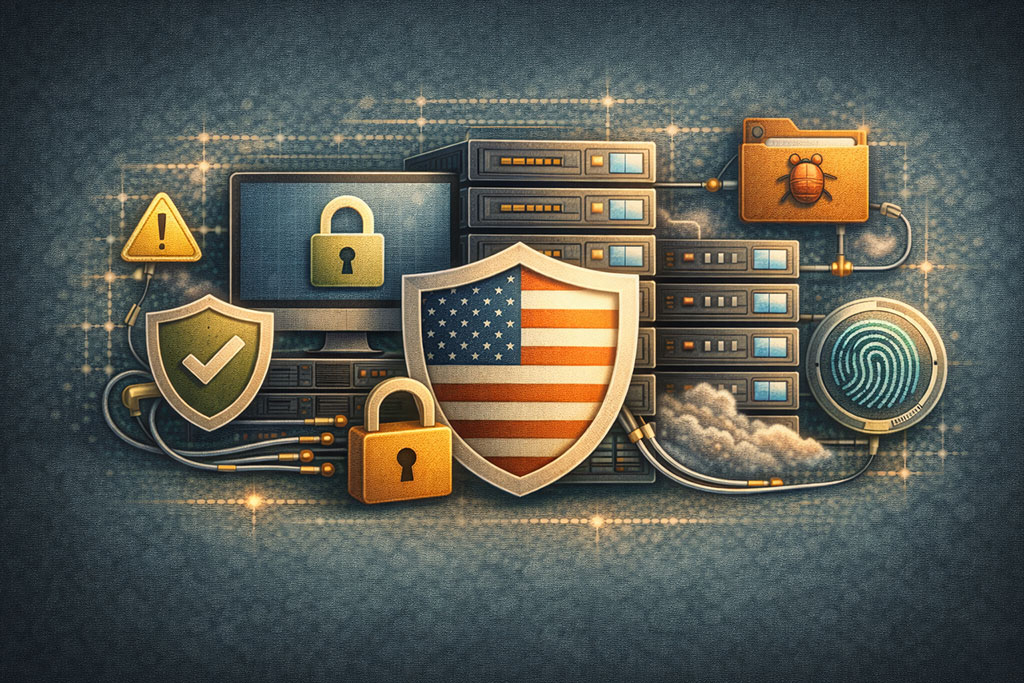
When you combine the concurrent maintainability of a Tier 3 data center with the strategic advantages of a US-based facility, you create a powerful synergy for your website’s security. This intersection offers a compelling solution for businesses that demand high availability, robust protection, and compliance with stringent regulations.
Physical Security: The First Line of Defense
Physical security is paramount in preventing unauthorized access to the hardware that hosts your website. Tier 3 US data centers employ multi-layered physical security protocols that are often more stringent than what many individual businesses could implement on their own. These measures act as an impenetrable fortress around your digital assets.
Access Control and Surveillance
You will find sophisticated access control systems in place, including biometric scanners, key card entry, and often 24/7 on-site security personnel. The perimeter of the facility is typically secured with fencing, and entry points are closely monitored. Furthermore, extensive CCTV surveillance systems, both inside and outside the data center, provide constant visual oversight. Video feeds are often recorded and retained for extended periods, offering a clear audit trail.
Environmental Controls and Monitoring
Beyond direct intrusion, data centers must also protect against environmental threats. Tier 3 facilities implement advanced environmental controls to maintain optimal temperature and humidity levels, preventing hardware damage from overheating or condensation. These systems are redundant, ensuring that even if one environmental control unit fails, the others will maintain the necessary conditions. Continuous monitoring systems alert staff to any deviations from acceptable parameters, allowing for immediate intervention.
Cybersecurity Protocols: Protecting Your Digital Perimeter
The security of your website extends far beyond its physical location. Cybersecurity is the digital counterpart to physical security, forming a protective shield around your data and applications. Tier 3 US data centers are often equipped with sophisticated cybersecurity measures that businesses can leverage.
Network Security and Firewalls
Your website’s data travels across networks, and these networks are prime targets for cyberattacks. Tier 3 data centers deploy robust network security measures, including advanced firewalls that act as digital gatekeepers, meticulously inspecting all incoming and outgoing network traffic. These firewalls are configured to block unauthorized access attempts, malicious traffic, and known cyber threats.
Intrusion Detection and Prevention Systems (IDPS)
Even with strong firewalls, sophisticated attacks can attempt to breach your network. Intrusion Detection and Prevention Systems (IDPS) are designed to detect and respond to such threats in real-time. These systems monitor network traffic for suspicious patterns that may indicate an attack and can automatically take action, such as blocking the offending IP address or shutting down a compromised connection.
Regular Security Audits and Penetration Testing
Reputable Tier 3 US data center providers understand that security is an ongoing process, not a static state. They regularly conduct security audits to assess their own infrastructure and systems for vulnerabilities. Furthermore, they often engage in proactive penetration testing, simulating real-world cyberattacks to identify and address weaknesses before malicious actors can exploit them. This rigorous testing ensures their defenses remain robust.
Redundancy and Resilience: The Pillars of Uptime
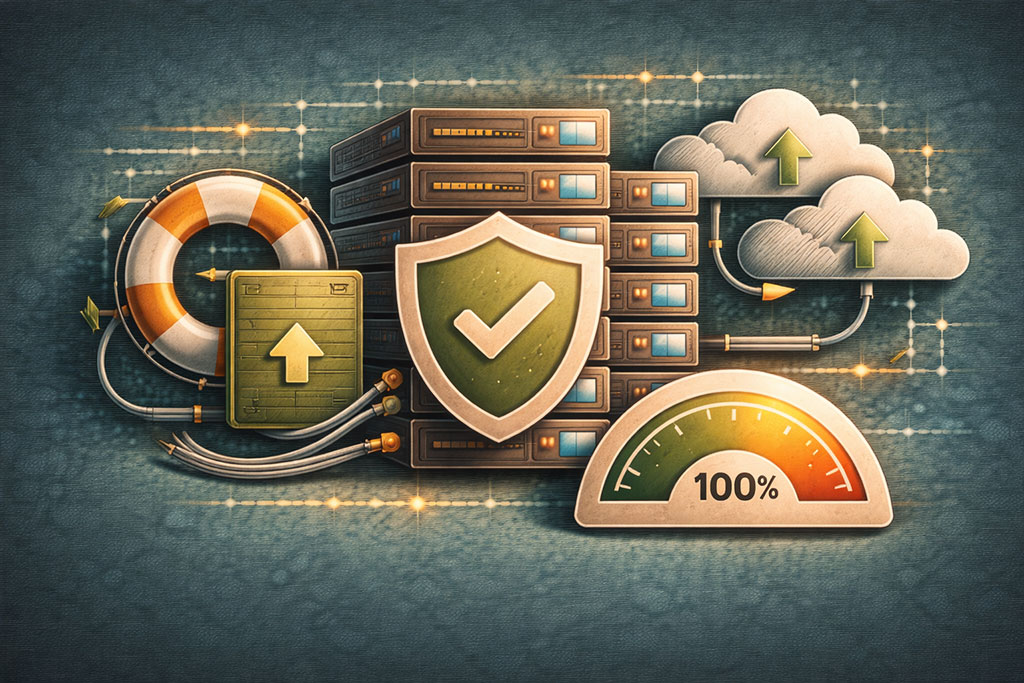
The core promise of a Tier 3 data center lies in its commitment to high availability through redundancy. Your website’s ability to remain online and accessible is directly tied to the resilience of the underlying infrastructure.
Redundant Power Supplies: Ensuring Continuous Operation
Power outages can cripple even the most secure website. Tier 3 data centers address this by employing redundant power infrastructure. This includes multiple, independent power feeds from the utility grid, ensuring that if one feed fails, another immediately takes over.
Uninterruptible Power Supplies (UPS)
In the fraction of a second it takes for a utility power source to switch to a backup, an Uninterruptible Power Supply (UPS) provides a continuous stream of power. These battery-backed systems act as an immediate buffer, preventing any interruption to your servers. Think of it as a perfectly timed relay race, where the baton is never dropped.
Backup Generators
For longer-term power outages, Tier 3 data centers are equipped with powerful backup generators. These generators are regularly tested and maintained, ensuring they can provide ample power to the entire facility for extended periods. Fuel supplies are also carefully managed to ensure longevity.
Redundant Cooling Systems: Preventing Overheating Catastrophes
Just as an engine can overheat and fail, servers can succumb to excessive heat. Redundant cooling systems are essential for maintaining an optimal operating environment.
Multiple Cooling Units and Airflow Management
Tier 3 data centers have multiple, independent cooling units. If one unit malfunctions or requires maintenance, the others seamlessly assume the cooling load. Advanced airflow management systems ensure that cool air is efficiently distributed throughout the server racks, preventing hot spots that could lead to hardware failure.
Environmental Monitoring and Alerts
Continuous monitoring of temperature and humidity is critical. Automated alerts notify data center staff of any deviations, allowing for swift action to prevent potential issues. This proactive approach to environmental control is a hallmark of a Tier 3 facility.
In today’s digital landscape, understanding the importance of secure hosting is crucial for businesses looking to establish a strong online presence. A related article that delves into the process of taking a physical store online can be found here, where it outlines essential steps for launching your brick-and-mortar store online. This guide complements the insights on the security benefits of hosting websites in Tier 3 US data centers, emphasizing how a robust online foundation can enhance customer trust and protect sensitive information.
Compliance and Certifications: Trust Through Verification
<?xml encoding=”UTF-8″>
| Security Metric | Description | Tier 3 US Data Center Benefit |
|---|---|---|
| Uptime Guarantee | Percentage of time the data center is operational without outages | 99.982% uptime ensures minimal downtime and continuous website availability |
| Redundant Power Supply | Backup power systems to prevent outages during power failures | Multiple independent power sources reduce risk of power-related downtime |
| Physical Security | Measures to prevent unauthorized physical access | 24/7 surveillance, biometric access controls, and security personnel enhance protection |
| Fire Suppression Systems | Systems to detect and extinguish fires quickly | Advanced fire detection and gas-based suppression minimize damage risk |
| Network Security | Protection against cyber threats and unauthorized network access | Robust firewalls, DDoS mitigation, and intrusion detection systems improve security |
| Data Backup and Recovery | Procedures to backup data and restore it in case of loss | Regular backups and disaster recovery plans ensure data integrity and availability |
| Compliance Standards | Adherence to industry security and privacy regulations | Compliance with standards like HIPAA, PCI DSS, and SOC 2 enhances trustworthiness |
In an increasingly complex regulatory environment, demonstrating compliance with relevant standards and certifications is a powerful way to build trust with your audience and partners. Tier 3 US data centers often hold various certifications that attest to their security and operational excellence.
SOC 2 Compliance
Service Organization Control 2 (SOC 2) is an auditing procedure that ensures a service organization securely manages data to protect the interests of its clients. Compliance with SOC 2, particularly Type II reports which attest to the operational effectiveness of controls over a period of time, provides a strong assurance of a data center’s commitment to security, availability, processing integrity, confidentiality, and privacy.
ISO 27001 Certification
The International Organization for Standardization (ISO) 27001 is an international standard for information security management systems. Achieving ISO 27001 certification indicates that a data center has implemented a systematic approach to managing sensitive company information, ensuring it remains secure. This includes policies and procedures for risk assessment, risk treatment, and continuous improvement of information security.
Other Relevant Certifications and Audits
Depending on your industry and location, other certifications and audits may be relevant. These can include HIPAA compliance for healthcare-related data, PCI DSS compliance for payment card data, and various other industry-specific security and operational standards. A reputable Tier 3 US data center provider will be transparent about their certifications and be prepared to provide documentation to support their claims.
By leveraging the resilience, security, and compliance offered by Tier 3 US data centers, you are not just choosing a hosting provider; you are investing in the long-term stability and trustworthiness of your online presence. You are building your digital storefront on a foundation of unparalleled security, ensuring that your customers can access your services reliably and securely, always.
FAQs
What defines a Tier 3 data center?
A Tier 3 data center is characterized by its high level of redundancy and availability. It typically features multiple independent power and cooling paths, ensuring that maintenance or failures do not cause downtime. Tier 3 data centers offer 99.982% uptime, equating to about 1.6 hours of downtime annually.
How do Tier 3 data centers enhance website security?
Tier 3 data centers enhance website security through robust physical security measures such as biometric access controls, surveillance cameras, and 24/7 on-site security personnel. Additionally, they provide advanced network security, redundant power supplies, and environmental controls that protect servers from damage and unauthorized access.
Why is hosting in a US Tier 3 data center beneficial for compliance?
Hosting in a US Tier 3 data center helps businesses comply with various regulatory standards like HIPAA, PCI-DSS, and SOC 2. These data centers often implement strict security protocols and maintain certifications that align with US compliance requirements, ensuring that hosted websites meet legal and industry standards.
What kind of uptime can I expect from a Tier 3 data center?
Tier 3 data centers guarantee an uptime of 99.982%, which means your website will experience minimal downtime—approximately 1.6 hours per year. This high availability is achieved through redundant systems and infrastructure designed to handle maintenance and unexpected failures without service interruption.
Are Tier 3 data centers scalable for growing websites?
Yes, Tier 3 data centers are designed to be scalable. They offer flexible infrastructure and resources that can accommodate increasing traffic and data storage needs. This scalability ensures that as your website grows, the data center can support enhanced performance and security requirements.





Add comment