

You embark on a digital journey seeking optimal performance, a journey where every millisecond counts, and every support interaction reinforces your trust. Hybrid hosting, particularly when structured around US servers augmented by local support, represents a compelling strategy to achieve this zenith. You are not merely choosing a service; you are crafting an infrastructure that balances global reach with immediate, culturally attuned assistance. This approach is more than a technical configuration; it is a philosophy of resilience and responsiveness, a bridge between raw computational power and human-centric service.
You might imagine a hybrid hosting environment as a finely tuned orchestra. Each section plays a distinct role, yet all contribute to a harmonious whole. In this scenario, your data and applications reside across a combination of server locations, strategically chosen to optimize various performance and operational metrics. This is not simply about splitting resources; it’s about intelligent distribution, leveraging the strengths of different geographical locations to mitigate weaknesses.
The Core Components of Hybrid Hosting
You’ll encounter several fundamental elements when constructing your hybrid hosting model. These components, like the individual instruments in our orchestral metaphor, require careful consideration to produce the desired output.
- Dedicated Servers: These are your powerhouses. When you opt for a dedicated server, you are leasing an entire physical machine. This provides you with unparalleled control, resources, and often, enhanced security. Think of this as the solid, unwavering rhythm section of your orchestra, providing foundational stability. In the context of our discussion, these are frequently located in US data centers to harness specific advantages.
- Virtual Private Servers (VPS): A VPS offers a more cost-effective stepping stone between shared hosting and dedicated solutions. You share a physical server with other users, but your resources (CPU, RAM, storage) are isolated. This is akin to a smaller ensemble within the orchestra, offering dedicated parts but sharing the same stage. For numerous applications, a VPS offers sufficient power without the full overhead of a dedicated machine.
- Cloud Hosting: This offers the ultimate in scalability and flexibility. Resources are pooled across a vast network of servers, and you only pay for what you consume. Imagine a dynamic, adaptable section of your orchestra that can grow or shrink based on the performance’s demands. Cloud hosting is particularly valuable for fluctuating workloads or for applications requiring rapid deployment and scaling.
- Colocation: Here, you own the hardware, and the hosting provider supplies the physical space, power, cooling, and network connectivity. This is for the conductor who wants to bring their own instruments but needs a world-class concert hall. Colocation grants you maximum hardware control while offloading infrastructure management.
Why Hybrid? The Strategic Imperative
You might ask, “Why not simply go all-in on one solution?” The answer lies in the nuanced demands of modern digital operations. A purely dedicated environment might lack the elasticity for sudden traffic spikes, while an entirely cloud-based solution could present data sovereignty challenges or unpredictable cost structures for stable, high-intensity workloads. Hybrid hosting allows you to selectively deploy resources where they make the most sense, much like a master chef uses different cooking techniques for various ingredients.
In the realm of web hosting, understanding the nuances of hybrid hosting can significantly enhance your website’s performance and reliability. For those looking to optimize their online presence, it’s essential to consider how server location and local support can impact your site’s speed and user experience. A related article that delves into the importance of website performance is titled “Mastering Core Web Vitals: The New Key to Google Rankings,” which discusses how optimizing these metrics can improve your search engine visibility. You can read it here: Mastering Core Web Vitals: The New Key to Google Rankings.
The Advantage of US Servers
When you choose to anchor your hybrid hosting solution with US servers, you are making a deliberate decision informed by a confluence of factors, not merely geographical convenience. The United States, as a global technological hub, offers a digital landscape that is both robust and highly competitive.
Robust Infrastructure and Connectivity
You gain access to one of the most developed internet infrastructures globally. US data centers are characterized by:
- High Bandwidth and Low Latency: For any application requiring rapid data transfer, whether it’s streaming, online gaming, or real-time financial transactions, low latency is paramount. US data centers are interconnected with a vast mesh of high-speed fiber optic networks, acting as digital superhighways for your data. This ensures snappy response times for users both within the US and in many international regions due to extensive peering agreements.
- Redundancy and Reliability: You are choosing a foundation built for resilience. Leading US data centers employ N+1 or 2N redundancy for power, cooling, and network connectivity. This means that if a component fails, there are immediate backups to ensure continuous operation. Imagine having multiple backup generators and network paths; your operations are insulated from singular points of failure.
- Advanced Security Measures: Physical and digital security are non-negotiable. US data centers typically implement multi-layered security protocols, including biometric access controls, 24/7 surveillance, and robust fire suppression systems. Digitally, they often adhere to stringent cybersecurity best practices and certifications, providing a robust fortress for your data.
Regulatory Compliance and Data Sovereignty
You must navigate a complex landscape of data regulations. For many businesses, particularly those operating within or serving the US market, having data reside on US soil simplifies compliance considerably.
- HIPAA, PCI DSS, and SOC 2: These are not just acronyms; they are critical frameworks for industries like healthcare, finance, and general data management. Hosting your data in US data centers makes it significantly easier to meet these compliance requirements, as the infrastructure and operational procedures are often pre-engineered to align with these standards. This alleviates a substantial burden of proof from your shoulders.
- Data Sovereignty for US Operations: If your primary user base or organizational headquarters are in the US, keeping your data within its borders can simplify legal and operational oversight. It ensures that your data is subject to US laws, which can be a key consideration for certain business models and legal departments. This avoids the complexities of international data transfer agreements like GDPR’s SCCs (Standard Contractual Clauses) when operating primarily within the US.
Economic and Business Considerations
You are also making a sound business decision. The competitive market for data center services in the US often translates to:
- Competitive Pricing: The sheer scale and competition among US hosting providers can lead to more favorable pricing models for robust services. You get more infrastructural bang for your buck.
- Access to Skilled Workforce: The US boasts a highly skilled workforce in IT and data center management. This means better quality support and expertise when issues arise, which is a tangible benefit.
The Indispensable Role of Local Support
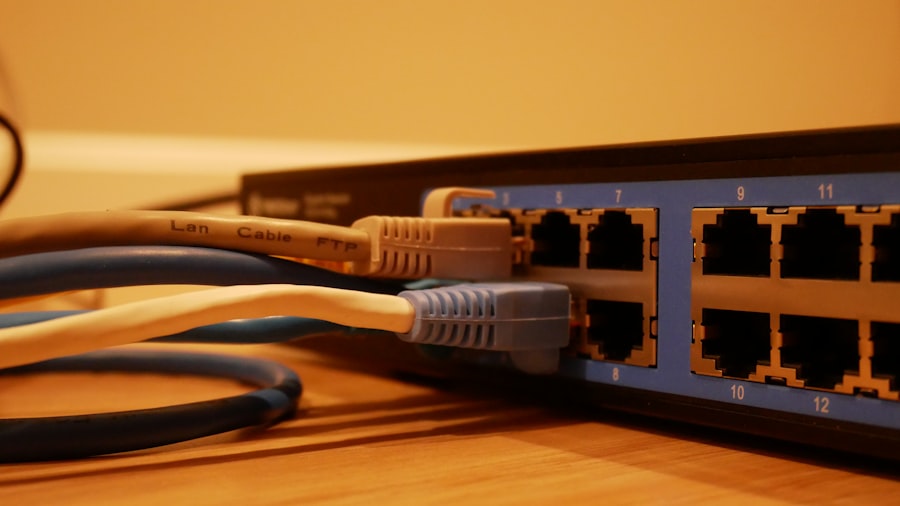
While US servers provide the robust backbone, local support acts as the nervous system, translating raw power into responsive utility. You need more than just technical prowess; you need a human element that understands your context, speaks your language, and operates within your time zone.
Bridging the Communication Gap
You understand the frustration of miscommunication. Local support minimizes this risk profoundly.
- Language Proficiency and Nuance: Effective technical troubleshooting often relies on clear, precise communication. Local support teams, speaking your native language and understanding local idioms, can interpret complex technical issues and explain solutions with greater clarity. This prevents scenarios where critical information is lost in translation, much like ensuring every member of your orchestra understands the conductor’s cues without ambiguity.
- Cultural Understanding: Beyond language, cultural understanding plays a subtle but significant role. Local support teams are inherently more attuned to local business practices, expectations for service, and even holiday schedules, which can impact response times and issue resolution. This understanding fosters a more empathetic and efficient support experience, making you feel truly heard and understood.
Time Zone Alignment and Rapid Response
You cannot afford to wait hours for a resolution, especially if your operations are 24/7.
- Real-time Assistance: When a critical issue arises, you need immediate attention. Local support teams, operating within your time zone, can provide real-time assistance, minimizing downtime and business interruption. No more waiting until the next business day in a distant country; help is available when you need it. Think of it as having your pit crew ready the moment your race car needs a repair.
- Proactive Monitoring and Alerts: Many local support teams offer proactive monitoring services, identifying potential issues before they escalate. Coupled with time zone alignment, this means that alerts are acted upon promptly, often before you even become aware of a problem. This proactive stance is invaluable for maintaining continuous operations.
Deep Understanding of Local Regulations and Infrastructure
You benefit from specialized knowledge that extends beyond generic technical manuals.
- Localized Compliance Guidance: If your business is subject to local regulations (e.g., state-specific data protection laws), local support teams are better equipped to provide guidance and ensure your hosting environment adheres to these rules. They are familiar with the specifics of their jurisdiction.
- Familiarity with Local Network Providers and Utilities: In cases of broader network outages or infrastructure issues, local support teams possess intricate knowledge of regional service providers and infrastructure. This familiarity can be crucial for faster diagnosis and resolution, as they can directly liaise with local entities more effectively than a distant support desk.
Optimizing Performance: The Synergy of Hybrid Hosting with US Servers and Local Support
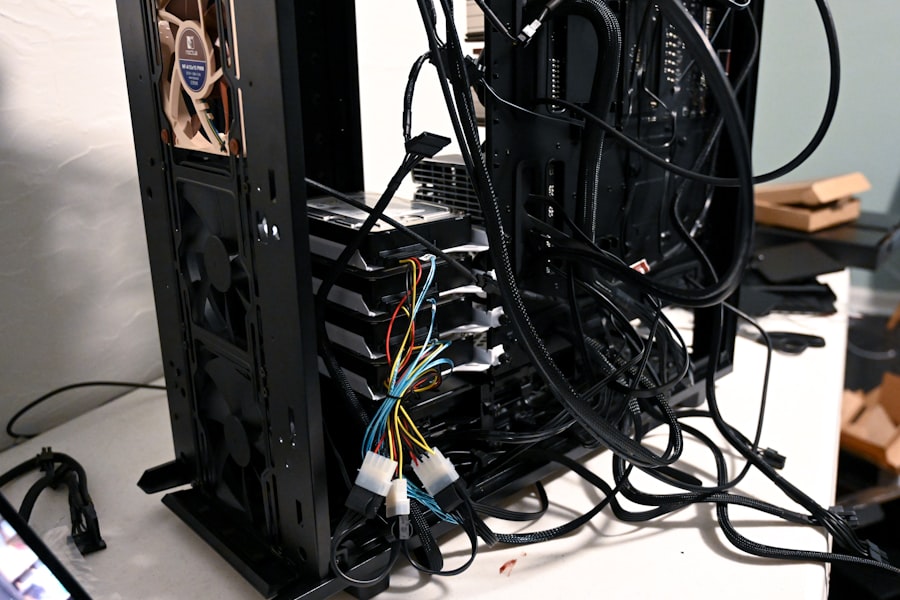
The true power of this model emerges when you consider the synergy between its components. It’s not just the sum, but the product of these elements working in concert.
Tailored Resource Allocation for Specific Needs
You can strategically place different parts of your application stack to maximize their individual performance characteristics.
- Front-End for Global Reach, Back-End for Data Security: You might host your customer-facing front-end applications on cloud infrastructure for global reach and scalability, leveraging CDNs (Content Delivery Networks) to serve content from caches closer to end-users worldwide. Simultaneously, your mission-critical databases and sensitive customer data can reside on dedicated US servers, benefiting from their robust security, regulatory compliance, and consistent performance. This creates a powerful combination, like having your agile scouts reporting back to a fortified command center.
- Development and Testing in the Cloud, Production on Dedicated: For development and testing environments, the flexibility and cost-effectiveness of cloud instances can be highly advantageous. Once applications are stable and ready for production, they can be seamlessly migrated to more powerful, dedicated US servers for maximum reliability and throughput. This iterative approach optimizes resource usage throughout the development lifecycle.
Enhanced Business Continuity and Disaster Recovery
You gain peace of mind knowing your operations are fortified against disruptions.
- Geographic Redundancy: By distributing your critical applications and data across different US data centers, you achieve geographic redundancy. If one data center experiences an localized outage (e.g., due to a natural disaster), your operations can failover to another location. This is a critical component of any robust disaster recovery plan, minimizing the impact of unforeseen events.
- Faster Recovery Point and Time Objectives (RPO/RTO): Local support teams, deeply familiar with your infrastructure and operating within your time zone, can significantly reduce the RPO (Recovery Point Objective – how much data you can afford to lose) and RTO (Recovery Time Objective – how quickly you can recover) in the event of a disaster. Their immediate presence and expertise are invaluable during crisis management.
Cost-Effectiveness Through Intelligent Resource Management
You are not just spending; you are investing intelligently.
- Right-Sizing Resources: Hybrid hosting enables you to “right-size” your infrastructure, avoiding the overprovisioning that often accompanies purely dedicated solutions or the unpredictable costs of unmanaged cloud environments. You select the most appropriate hosting type for each workload, ensuring you pay only for what you genuinely need. This intelligent allocation prevents both underutilization and resource contention.
- Optimized Performance per Dollar: By combining the strengths of US servers (stability, compliance, powerful hardware) with the agility of cloud resources and the efficiency of local support, you achieve an optimal performance-to-cost ratio. You are building a system that serves your specific needs without unnecessary overhead, much like designing a custom-built solution instead of a one-size-fits-all product.
In the realm of web hosting, understanding the nuances of different hosting solutions can significantly impact your online presence. For those interested in exploring the advantages of cloud hosting, a related article titled What is Cloud Hosting? delves into how this technology can complement hybrid hosting setups. By combining the strengths of US servers and local support, businesses can achieve optimal performance and reliability, making it essential to consider all available options when choosing a hosting solution.
Conclusion
| Metric | Hybrid Hosting | US Servers | Local Support | Benefit |
|---|---|---|---|---|
| Latency | Low to Moderate | Low (within US) | Immediate response | Improved website speed and user experience |
| Data Security | High (combines cloud and dedicated) | Compliant with US regulations | Quick issue resolution | Enhanced protection and compliance |
| Scalability | Flexible (cloud + dedicated) | High | Support for scaling needs | Efficient resource management |
| Support Availability | 24/7 | 24/7 | Local business hours + emergency | Reliable and timely assistance |
| Cost Efficiency | Optimized | Competitive | Value-added service | Balanced cost and performance |
| Compliance | Meets multiple standards | US data laws | Local regulatory knowledge | Reduced legal risks |
You are not simply choosing where your data lives; you are architecting a digital infrastructure. The fusion of US servers and local support in a hybrid hosting model offers a formidable combination. It provides the technological bedrock of highly interconnected US data centers, delivering performance, security, and regulatory compliance. Simultaneously, it infuses this infrastructure with the human touch of local support – teams that comprehend your context, communicate without barriers, and respond with urgency. This synergy allows you to balance global reach with localized excellence, ensuring your applications perform optimally, your data remains secure, and your operations are supported by a team that genuinely understands your needs. For your business, this means not just surviving in the digital landscape, but thriving within it.
FAQs
What is hybrid hosting?
Hybrid hosting is a web hosting solution that combines the benefits of both dedicated servers and cloud hosting. It typically involves using physical servers located in a data center, often in the US, alongside cloud resources to provide flexibility, performance, and reliability.
Why are US servers preferred in hybrid hosting?
US servers are often preferred because they offer robust infrastructure, high-speed connectivity, and compliance with strict data security standards. Hosting in the US can also improve website loading times for users in North America and provide access to advanced technical support.
How does local support enhance hybrid hosting?
Local support means having access to technical assistance within the same country or region as the server location. This can lead to faster response times, better understanding of local regulations, and more effective troubleshooting, which improves overall service quality.
What are the advantages of combining US servers with local support?
Combining US servers with local support offers the benefits of reliable, high-performance hardware and network infrastructure, along with personalized, timely customer service. This combination helps ensure optimal uptime, security, and user experience.
Is hybrid hosting suitable for all types of websites?
Hybrid hosting is particularly beneficial for websites that require high performance, scalability, and security, such as e-commerce sites, large enterprises, and applications with variable traffic. However, smaller websites with minimal resource needs might find simpler hosting options more cost-effective.









Add comment