

The Invisible Foundation: How Hosting Impacts Your Search Engine Visibility
You’ve painstakingly crafted compelling content, optimized your keywords, and built a beautiful website. You’re ready for the world to find you, but have you considered the invisible hand that can either propel your site to the top of search results or bury it in digital obscurity? This unseen force is your hosting technology, and its impact on your Search Engine Optimization (SEO) strategy is far more profound than you might imagine. It’s not just about having a website; it’s about having a website that Google and other search engines can effectively crawl, index, and deem worthy of presenting to their users. Your hosting provider and the infrastructure they offer form the bedrock of your online presence, directly influencing critical SEO ranking factors. Ignoring this fundamental aspect is akin to building a mansion on quicksand – no matter how grand the design, its stability is inherently compromised.
The Speed Demon: Page Load Time as a Ranking Factor
Imagine clicking a link, and then waiting… and waiting… and waiting. Your patience, like that of any internet user, is finite. Google knows this. Decades of user behavior data have cemented page load speed as a critical ranking factor. If your site takes too long to load, visitors will bounce, sending a clear signal to search engines that your site provides a poor user experience. This translates directly into lower rankings. Your hosting plays a monumental role in how quickly your pages render.
The Role of Server Response Time
The moment a user requests a page, their browser sends a request to your web server. The time it takes for that server to process the request and begin sending back data is known as server response time. A slow server response time acts as an initial bottleneck, delaying the entire page loading process. High-quality hosting providers utilize optimized server hardware, efficient network infrastructure, and robust caching mechanisms to minimize this delay. Shared hosting, where your website shares server resources with hundreds or even thousands of others, is often a culprit of poor server response times due to resource contention. Dedicated servers, VPS (Virtual Private Servers), and managed WordPress hosting typically offer much better performance.
The Impact of Content Delivery Networks (CDNs)
Even with an incredibly fast server, geographical distance can introduce latency. If your server is in New York and a user in London requests your page, the data has to travel across the Atlantic. A Content Delivery Network (CDN) solves this problem by caching copies of your website’s static content (images, CSS, JavaScript files) on servers located around the globe. When a user requests your page, the CDN delivers the content from the server geographically closest to them, dramatically reducing load times. Many premium hosting plans include CDN integration or offer it as an add-on, directly boosting your site’s speed and, consequently, its SEO performance, especially for a global audience.
Image Optimization and Server Processing
While image optimization (compressing files, using next-gen formats) is primarily a website development task, your server’s processing power affects how quickly these optimized assets are served. Furthermore, if you’re using dynamic image resizing or on-the-fly image transformations, a powerful server can execute these tasks more efficiently, preventing them from becoming a bottleneck in your page load speed. Hosting environments that struggle with processing large numbers of concurrent requests will inevitably slow down the delivery of all your content, including images.
Incorporating hosting technology into your SEO strategy is essential for optimizing website performance and improving search engine rankings. A related article that delves deeper into this topic is titled “Mastering Core Web Vitals: The New Key to Google Rankings,” which discusses how essential metrics like loading speed and interactivity can significantly impact your site’s visibility. You can read more about it here: Mastering Core Web Vitals: The New Key to Google Rankings. This resource will provide valuable insights on how to enhance your website’s user experience and align it with Google’s ranking criteria.
Uptime and Reliability: The Foundation of Trust and Accessibility
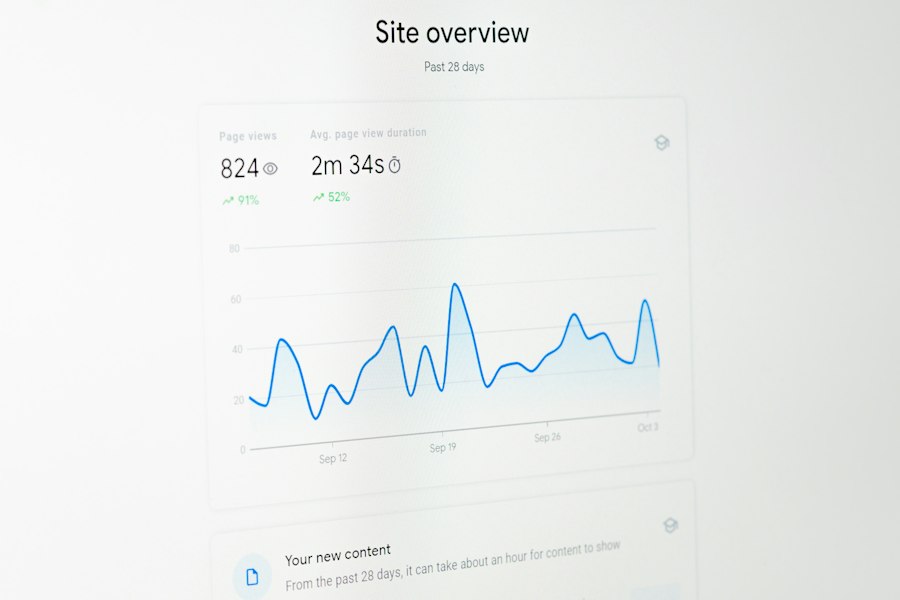
What’s worse than a slow website? A website that’s not there at all. If your website is frequently down or experiences intermittent outages, search engines will quickly take notice. Imagine Googlebot trying to crawl your site only to find it unresponsive. Repeated instances of this will lead to de-indexing, lower rankings, and a complete erosion of trust, both from search engines and potential visitors. Uptime and reliability are non-negotiable for a successful SEO strategy.
The Cost of Downtime for SEO
Every minute your website is down is a minute it’s unavailable to potential customers and, crucially, to search engine crawlers. If Googlebot attempts to crawl your site multiple times and finds it inaccessible, it will eventually conclude that your site is unreliable or no longer exists. This can result in your pages being removed from the search index, plummeting your visibility to zero. Even short, frequent outages can accumulate to a significant loss of crawl budget and search engine trust.
Measuring Uptime and SLA Guarantees
Reputable hosting providers offer Service Level Agreements (SLAs) that guarantee a certain percentage of uptime, often 99.9% or higher. While 99.9% might sound like near-perfect availability, it still accounts for almost 9 hours of downtime per year. For critical business websites, even this can be too much. Understanding your host’s uptime guarantees and monitoring your own site’s uptime through third-party tools is essential. A host with a proven track record of high uptime demonstrates their commitment to reliability and provides peace of mind for your SEO efforts.
Server Stability and Resource Allocation
Frequent outages can be a symptom of an overloaded or unstable server environment. In shared hosting, if one website on the server experiences a traffic surge or a resource-intensive process, it can impact the performance and availability of all other sites on that same server. This is why investing in hosting solutions that offer dedicated resources (like VPS or dedicated servers) or intelligent resource management (common in managed WordPress hosting) is crucial for maintaining consistent uptime and preventing unforeseen downtime that can derail your SEO.
Security: Protecting Your Rankings from Malicious Attacks

In today’s digital landscape, security is paramount. A hacked website is not just a commercial disaster; it’s an SEO catastrophe. Google actively blacklists websites infected with malware, phishing scripts, or other malicious content. If your site is compromised, you can expect to see a sharp decline in rankings, stern warnings in search results, and a significant loss of user trust. Your hosting provider plays a critical role in providing a secure environment that safeguards your website and, by extension, your SEO health.
Protecting Against Malware and Viruses
Malware infections can range from subtle injections of spam links to complete defacement of your website. Google’s algorithms are sophisticated enough to detect these compromises and will penalize your site accordingly. A good hosting provider offers robust security measures at the server level, including firewalls, intrusion detection systems, and regular malware scanning. They should also provide tools or recommendations for securing your website application itself (e.g., WordPress security plugins). Ignoring server-level security is like leaving your front door wide open in a bad neighborhood.
SSL Certificates and HTTPS
For years, Google has strongly advocated for HTTPS (Hypertext Transfer Protocol Secure) and uses it as a minor ranking signal. HTTPS encrypts the connection between your website and the user’s browser, protecting sensitive data and building trust. Most reputable hosting providers offer free SSL certificates (like Let’s Encrypt) or make it easy to install commercial SSL certificates. Ensuring your site runs entirely on HTTPS is a foundational SEO best practice, and your host should facilitate this without undue complexity or cost. A website without HTTPS is increasingly seen as untrustworthy by both users and search engines.
Preventing DDoS Attacks and Brute-Force Attempts
Distributed Denial of Service (DDoS) attacks attempt to overwhelm your server with a flood of traffic, rendering your site inaccessible. Brute-force attacks try to gain unauthorized access by repeatedly guessing login credentials. High-quality hosting providers implement DDoS protection, rate limiting, and other security protocols to mitigate these threats. An unmitigated DDoS attack will result in significant downtime, directly impacting your SEO, while a successful brute-force attack can lead to malware injection and blacklisting. Proactive security measures from your host are an essential shield for your SEO.
Server Location and Geo-Targeting: Connecting with Your Audience
Where your server is physically located might seem like a minor detail, but it can have a tangible impact on your SEO, particularly if you’re targeting a specific geographical audience. While CDNs mitigate some of the distance-related latency, the primary server’s location still matters for initial connection times and signals to search engines about your intended audience.
The Proximity Advantage
If your target audience is primarily in Australia, having your server physically located in Australia (or at least in a data center relatively close by, like Singapore) will generally result in faster page load times for those users compared to a server in the United States. While CDNs help, the initial server connection and dynamic content still rely on the primary server. Faster load times, as discussed, are a direct SEO benefit. Google also considers server location as one of many signals when determining geographical relevance for local search results.
Geo-Targeting Signals
While server location isn’t the most powerful geo-targeting signal (that would be elements like country-specific TLDs like .com.au, language targeting, and Google My Business profiles), it still plays a supporting role. If your server is in a specific country and your website content is in the local language, it reinforces the signal that your site is relevant to users in that region. Conversely, if your target audience is global, a strategically placed server or robust CDN solution becomes even more critical to ensure equitable performance across different regions.
The Role of Data Center Quality
It’s not just about the country; it’s about the quality of the data center. A top-tier data center will have redundant power, robust network connections, stringent security, and efficient cooling systems. These factors contribute to the overall stability, speed, and reliability of your hosting, regardless of its geographical position. A host that invests in high-quality data centers demonstrates a commitment to providing a superior foundation for your website, which indirectly benefits your SEO by ensuring consistent performance.
Incorporating hosting technology into your SEO strategy is essential for optimizing your website’s performance and visibility. A related article discusses how high-quality WordPress hosting can significantly enhance your site’s speed and reliability, which are crucial factors for search engine rankings. You can read more about this in the article on boosting your website’s performance with the right hosting solutions. By understanding the connection between hosting and SEO, you can make informed decisions that benefit your online presence.
Scalability and Future-Proofing: Adapting to Growth and Change
| Hosting Technology Aspect | SEO Impact | Metric/Benefit | Explanation |
|---|---|---|---|
| Server Speed | Page Load Time | Faster load times improve rankings | Google favors websites that load quickly, improving user experience and reducing bounce rates. |
| Uptime Reliability | Website Availability | 99.9%+ uptime ensures consistent accessibility | Search engines penalize sites that are frequently down or unreachable. |
| Server Location | Geographic Relevance | Hosting near target audience reduces latency | Local hosting can improve load times and relevance for regional search queries. |
| SSL Support | Security & Trust | HTTPS is a ranking factor | Secure websites gain trust from users and search engines alike. |
| Content Delivery Network (CDN) | Global Speed Optimization | Reduces latency worldwide | CDNs cache content closer to users, improving load times and SEO performance globally. |
| Scalability | Handling Traffic Spikes | Prevents downtime during high traffic | Ensures website remains accessible during marketing campaigns or viral events. |
| Server Security | Protection from Hacks | Reduces risk of penalties from malware | Secure hosting prevents site blacklisting and maintains SEO integrity. |
Your website isn’t static; it’s a living entity that will hopefully grow and evolve. Your SEO strategy is designed to drive more traffic to your site, and if successful, your hosting needs will change. An effective hosting solution must be scalable, allowing you to seamlessly upgrade resources as your traffic increases without experiencing performance bottlenecks or service interruptions. Neglecting scalability can turn an SEO success into a performance nightmare.
Handling Increased Traffic and Resource Demands
Imagine your website going viral, or a major marketing campaign driving an unprecedented surge in visitors. If your hosting environment can’t handle the increased load, your site will slow down, crash, or both. This is disastrous for SEO. Instead of converting new visitors, you’ll be frustrating them, sending them back to search results, and signaling to Google that your site can’t deliver a good user experience under pressure. Scalable hosting allows you to allocate more CPU, RAM, and bandwidth on demand, ensuring your site remains fast and available even during peak traffic.
Seamless Upgrades and Migration Paths
A good hosting provider offers clear and easy paths for upgrading your hosting plan as your needs evolve. Whether it’s moving from shared hosting to a VPS, or from a VPS to a dedicated server, the process should be as seamless as possible, with minimal downtime. Migrating your website can be complex, and a host that provides excellent support and tools for migration helps minimize potential SEO disruptions. Conversely, a host with rigid plans or complex migration procedures can create significant hurdles when your site grows, forcing difficult choices that could negatively impact your SEO.
Technology Stack and Future Innovations
The underlying technology stack of your hosting environment also matters. Is your host regularly updating server software (PHP, MySQL, web servers like Apache/Nginx) to the latest stable versions? Newer versions often come with performance improvements and security patches that can directly benefit your website’s speed and security, indirectly boosting your SEO. A host that stays current with technology demonstrates a commitment to providing an optimized environment, future-proofing your website against obsolescence and ensuring it can leverage the latest performance enhancements that contribute to SEO success. Choosing a host that offers flexibility in its technology stack can also be beneficial, allowing you to adapt to new requirements and leverage emerging technologies without being locked into a rigid environment.
FAQs
What is hosting technology in the context of SEO?
Hosting technology refers to the infrastructure and services that store and serve your website’s content on the internet. This includes the type of server, the speed of the hosting service, uptime reliability, and the geographical location of the servers, all of which can significantly impact your website’s performance and, consequently, its SEO rankings.
How does website speed affect SEO?
Website speed is a critical factor for SEO because search engines like Google prioritize fast-loading sites in their rankings. A slow website can lead to higher bounce rates, where visitors leave before the page fully loads, negatively impacting user experience and search engine visibility.
Why is uptime important for SEO?
Uptime refers to the amount of time your website is operational and accessible to users. High uptime percentages (ideally 99.9% or higher) are crucial for SEO because if your site is frequently down, search engines may lower your rankings due to poor user experience and accessibility issues.
Can the geographical location of hosting affect SEO?
Yes, the geographical location of your hosting server can influence SEO, particularly for local search results. Search engines may prioritize websites that are hosted closer to the user’s location, as this can lead to faster load times and a better overall experience for local users.
What role does SSL certification play in hosting and SEO?
SSL certification is essential for securing data transmitted between users and your website. Search engines like Google consider SSL as a ranking factor, meaning that websites with HTTPS (secured by SSL) are likely to rank higher than those without it. This security measure also builds trust with users, further enhancing SEO efforts.









Add comment