

Laying the Foundation: Understanding Your Brand’s Digital Persona
As a new company, establishing a professional online identity isn’t just a recommendation; it’s a critical imperative for survival and growth in today’s digital landscape. Your online presence is often the first, and sometimes only, impression potential customers, investors, and partners will have of your brand. It’s not merely about having a website or social media accounts; it’s about crafting a cohesive, authentic, and memorable digital persona that reflects your company’s values, mission, and unique selling propositions. This involves a strategic approach, starting with a deep understanding of who you are as a brand and who you aim to serve. Without this foundational clarity, your efforts to build an online identity will lack direction and impact.
Defining Your Core Identity and Value Proposition
Before you even think about domain names or social media handles, you need to solidify your company’s core identity. What problem do you solve? Who are your ideal customers? What makes you different from your competitors? These aren’t just marketing questions; they are fundamental to shaping every aspect of your online presence. Your value proposition needs to be crystal clear and consistently communicated across all digital touchpoints. If you offer a service, what is the unique benefit clients receive? If you sell a product, how does it improve your customers’ lives? The answers to these questions will inform your brand voice, visual style, and content strategy, ensuring that every piece of your online identity resonates with your target audience.
Identifying Your Target Audience and Their Online Behavior
Once you know who you are, you need to know who you’re talking to. Understanding your target audience goes beyond basic demographics. You need to delve into their online habits, preferences, and pain points. Which social media platforms do they frequent? What kind of content do they engage with? What are their preferred channels for communication and customer service? Are they early adopters of new technology or do they prefer established platforms? Building detailed buyer personas will help you tailor your online identity to directly appeal to these individuals. For example, if your audience is primarily Gen Z, TikTok and Instagram might be more effective platforms than LinkedIn. Conversely, a B2B audience will likely prioritize a strong LinkedIn presence and a professional, informative website. This audience-centric approach ensures your online efforts are not just visible, but also relevant and engaging to the people who matter most.
Competitor Analysis and Differentiation
No company operates in a vacuum. A crucial step in building your online identity is to understand what your competitors are doing, both well and poorly. Analyze their websites, social media strategies, and online reviews. What kind of content are they publishing? How do they interact with their audience? What are their strengths and weaknesses in the digital space? This analysis isn’t about imitation; it’s about identifying opportunities for differentiation. Where can you stand out? Can you offer a unique perspective, a better user experience, or a more engaging content style? Perhaps your competitors have a strong online presence but lack personalized customer service – this could be your unique selling point. By understanding the competitive landscape, you can carve out a distinct and memorable online identity that sets you apart and attracts your desired audience.
Creating a professional online identity for a new company is crucial in today’s digital landscape. To further enhance your online presence, it’s essential to ensure that your website is functioning optimally, which includes addressing any broken links or errors that may deter potential customers. For insights on how to identify and resolve these issues, you can refer to this helpful article on fixing 404 pages: A Guide on How to Find and Fix 404 Pages. This resource will assist you in maintaining a seamless user experience, which is vital for establishing credibility and professionalism online.
Establishing Your Digital Home Base: Website and Core Platforms
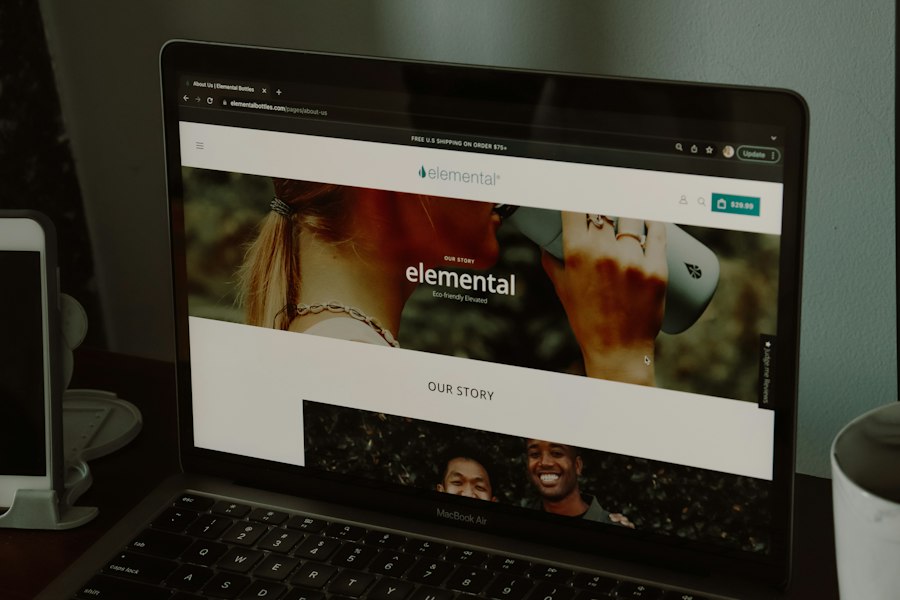
With a clear understanding of your brand identity and target audience, the next crucial step is to establish your core digital infrastructure. This involves creating a professional website and strategically choosing and optimizing key online platforms that will serve as your digital home base. These foundational elements are where your audience will primarily interact with your brand, learn about your offerings, and ultimately make decisions. Their professionalism, functionality, and alignment with your brand identity are paramount.
Crafting a Professional and User-Friendly Website
Your website is arguably the most important component of your online identity. It acts as your 24/7 digital storefront, brochure, and customer service portal. A professional website must be visually appealing, intuitive to navigate, and provide clear information about your products or services. Ensure your site has a responsive design, meaning it adapts seamlessly to different screen sizes, from desktops to mobile phones. High-quality imagery and compelling copy are essential. Beyond aesthetics, functionality is key. Implement clear calls to action (CTAs), an easy-to-use contact form, and integrate any necessary e-commerce or booking functionalities. Remember, a slow-loading website or one riddled with broken links will quickly deter visitors and damage your professional image. Invest in good hosting and consider hiring professional web developers or designers if your budget allows, as a poorly executed website can do more harm than good.
Securing Your Domain Name and Professional Email
Your domain name is your online address, and it’s a critical part of your brand’s identity. Aim for a domain name that is short, memorable, easy to spell, and directly related to your company name or core offering. The .com top-level domain (TLD) is generally preferred due to its familiarity and trustworthiness, but relevant country-specific TLDs or industry-specific TLDs (e.g., .tech, .agency) can also be effective if .com is unavailable. Once you secure your domain, immediately set up professional email addresses using that domain (e.g., info@yourcompany.com). Sending emails from a generic Gmail or Outlook address instantly undermines your credibility and professionalism. A professional email address reinforces your brand identity and projects an image of an established and trustworthy business.
Optimizing for Search Engines (SEO Fundamentals)
Even the most beautiful website is ineffective if no one can find it. Search Engine Optimization (SEO) is the process of making your website more visible to search engines like Google. For a new company, focusing on fundamental SEO practices is crucial. This includes using relevant keywords in your website’s content, headings, and meta descriptions. Ensure your website has a clear, logical structure with easily crawlable links. Create high-quality, valuable content that addresses your target audience’s questions and needs. Optimize images for faster loading times by compressing them. While advanced SEO can be complex, understanding and implementing these basics from the outset will give your website a significant advantage in ranking higher in search results, driving organic traffic, and ultimately contributing to your professional online identity.
Choosing and Optimizing Core Social Media Platforms
Not every social media platform is right for every business. Based on your target audience analysis, strategically choose 2-3 core platforms where your audience is most active and where you can effectively showcase your brand. For a B2B company, LinkedIn is almost a necessity. For a product-based business targeting younger demographics, Instagram and TikTok might be primary. Once chosen, fully optimize your profiles on these platforms. Use high-quality profile pictures and cover photos that align with your brand’s visual identity. Write compelling bios that clearly state what your company does and what value you offer. Include links back to your website and ensure all contact information is accurate and up-to-date. Consistency in branding across all platforms is key; use the same logo, brand colors, and tone of voice to create a seamless and recognizable online presence.
Crafting Your Digital Narrative: Content and Engagement Strategies
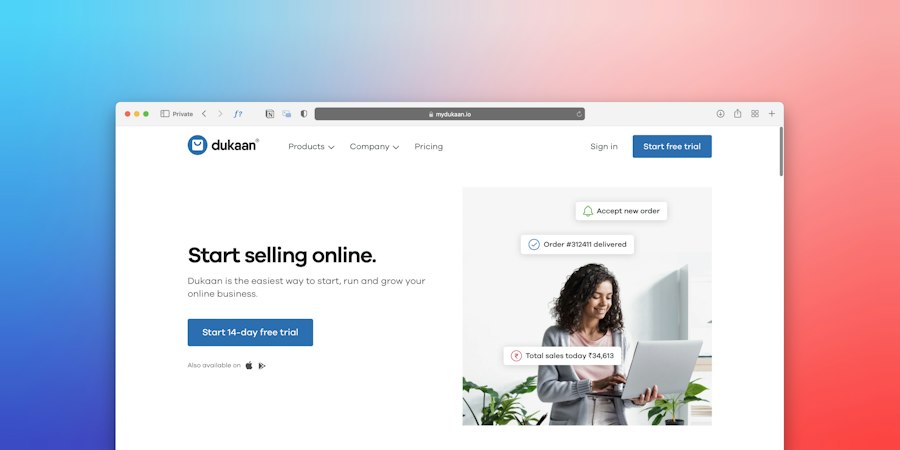
Once your digital infrastructure is in place, the next step is to breathe life into it through compelling content and engaging interactions. Your online identity isn’t static; it’s a dynamic story you tell through the content you create and the conversations you foster. This section focuses on developing a content strategy that resonates with your audience and establishing effective engagement practices that build community and trust.
Developing a Strategic Content Plan
Content is the fuel that powers your online identity. A strategic content plan outlines what you’ll publish, where, and when. This plan should be guided by your brand identity, target audience, and business goals. Consider a mix of content types: blog posts, articles, videos, infographics, podcasts, and social media updates. Each piece of content should provide value to your audience, whether it’s educational, entertaining, or inspiring. Map out a content calendar to ensure consistency and avoid sporadic posting. Identify key themes and topics relevant to your industry and audience’s interests. For instance, if you’re a new tech company, your content could focus on industry trends, how-to guides for your product, or thought leadership pieces on emerging technologies. The goal is to establish your company as a knowledgeable and reliable resource in your field.
Curating High-Quality Visuals and Brand Voice
Visuals are incredibly powerful in shaping your online identity. Invest in professional photography, graphic design, and video production. Your visual elements – logo, color palette, fonts, imagery style – should be consistent across all platforms and reflect your brand’s personality. Is your brand playful and modern, or serious and authoritative? Your visuals should convey this instantly. Equally important is your brand voice. This refers to the tone, personality, and language you use in all written and spoken communications. Develop clear guidelines for your brand voice to ensure consistency whether it’s a social media caption, a blog post, or a customer service email. A consistent brand voice helps establish recognition and builds a deeper connection with your audience, making your online identity feel authentic and approachable.
Implementing a Consistent Posting Schedule
Consistency is paramount in building and maintaining an online identity. Irregular posting can lead to reduced visibility and a perception of a disengaged brand. Develop a realistic posting schedule for each of your chosen platforms and stick to it. Whether it’s daily social media updates, weekly blog posts, or monthly newsletters, regularity signals reliability and keeps your audience engaged. Tools for content scheduling can be invaluable here, allowing you to plan and automate posts in advance. This not only saves time but also ensures a steady stream of content, reinforcing your brand’s presence in your audience’s digital lives. However, consistency should not come at the expense of quality. It’s better to post less frequently with high-quality content than to flood feeds with low-value material.
Fostering Engagement and Building Community
Your online identity isn’t just about broadcasting messages; it’s about initiating and participating in conversations. Actively engage with your audience by responding to comments, questions, and direct messages promptly and thoughtfully. Ask questions in your posts to encourage interaction. Run polls, contests, or Q&A sessions. Participate in relevant online discussions and communities. When you engage genuinely, you build relationships, foster a sense of community around your brand, and gather valuable feedback. This two-way communication makes your online identity feel more human and approachable, transforming passive followers into loyal advocates. Remember, building community takes time and consistent effort, but the returns in brand loyalty and trust are immense.
Managing Your Reputation and Handling Feedback
A professional online identity isn’t just about what you proactively put out; it’s also about how you manage what others say about you and how you respond to feedback. In the digital age, a single negative review or comment can spread rapidly, impacting your brand’s reputation. Therefore, active reputation management and a structured approach to feedback are essential for maintaining a positive and professional image.
Monitoring Your Online Presence
You can’t manage what you don’t know about. Regular monitoring of your online presence is crucial. Set up Google Alerts for your company name, brand keywords, and key personnel. Utilize social listening tools to track mentions of your brand across social media platforms, forums, and review sites. Pay attention to both positive and negative comments. This proactive approach allows you to quickly identify any issues, address them before they escalate, and understand public sentiment towards your brand. Monitoring also helps you discover opportunities, such as identifying influential individuals who are praising your brand or uncovering frequently asked questions that you can address in your content.
Responding to Reviews and Comments (Positive and Negative)
How you respond to reviews and comments significantly impacts your online identity. For positive feedback, always express gratitude. A simple “Thank you for your kind words!” or “We appreciate your support!” goes a long way in reinforcing positive sentiment and showing you value your customers. For negative feedback, a structured and empathetic approach is vital. Respond promptly, acknowledge the issue without being defensive, apologize if appropriate, and offer a solution or a path to resolution (e.g., “Please contact us directly so we can resolve this for you”). Never get into a public argument. Your calm and professional response, even in the face of unfair criticism, demonstrates your commitment to customer satisfaction and often mitigates the damage of a negative review. Other potential customers will observe how you handle criticism, and a graceful response can actually enhance your reputation.
Managing Online Crises and Misinformation
Despite your best efforts, online crises or the spread of misinformation can occur. Having a plan in place is essential. First, confirm the veracity of the information. If it’s false, issue a clear and concise correction, providing accurate information. If it’s a genuine issue, take responsibility, communicate your actions to address it, and demonstrate transparency. During a crisis, avoid silence, as it can be interpreted as guilt or indifference. Designate a single spokesperson to ensure consistent messaging. Use your owned channels (website, official social media accounts) to disseminate official statements. Proactive communication and a measured, honest approach are critical in navigating online crises and minimizing long-term damage to your professional online identity.
Leveraging Testimonials and Case Studies
Positive social proof is incredibly powerful. Actively solicit testimonials and case studies from satisfied customers. Display these prominently on your website, in marketing materials, and across your social media channels. Video testimonials can be particularly impactful. Case studies, which detail a customer’s problem, how your company solved it, and the tangible results achieved, provide concrete evidence of your value proposition. These endorsements from real customers build trust and credibility, acting as powerful validation of your professional identity and expertise. When potential clients see that others have had positive experiences, it significantly lowers their perceived risk in engaging with your company.
Creating a professional online identity for a new company is essential in today’s digital landscape, and it can be greatly enhanced by understanding the importance of website optimization. For those looking to improve their online presence, exploring effective strategies can make a significant difference. A helpful resource on this topic can be found in an article that discusses various techniques to boost website performance, which you can read more about here. By implementing these optimization tips, businesses can ensure that their online identity not only looks professional but also functions effectively to attract and retain customers.
Sustaining and Evolving Your Online Persona
| Step | Action | Key Metrics | Tools/Resources | Expected Outcome |
|---|---|---|---|---|
| 1 | Define Brand Identity | Brand clarity score, Target audience defined (%) | Brand strategy templates, Market research tools | Clear brand message and target audience |
| 2 | Choose a Domain Name | Domain availability, Domain relevance score | Domain registrars, Name generators | Memorable and relevant domain secured |
| 3 | Create a Professional Website | Website load time (seconds), Bounce rate (%), Mobile responsiveness score | Website builders, Hosting services, SEO tools | Functional, fast, and user-friendly website |
| 4 | Develop Consistent Visual Identity | Logo recognition rate, Brand color consistency (%) | Graphic design software, Brand guidelines | Consistent and recognizable visual branding |
| 5 | Set Up Social Media Profiles | Profile completeness (%), Follower growth rate (%) | Social media platforms, Scheduling tools | Active and professional social media presence |
| 6 | Create Quality Content | Content engagement rate (%), Posting frequency | Content management systems, Analytics tools | Engaging content that attracts and retains audience |
| 7 | Implement SEO Best Practices | Search engine ranking, Organic traffic growth (%) | SEO tools, Keyword research tools | Improved visibility in search engines |
| 8 | Monitor and Manage Online Reputation | Review ratings, Response time to inquiries (hours) | Reputation management tools, Social listening tools | Positive brand perception and customer trust |
Building a professional online identity is not a one-time project; it’s an ongoing journey of adaptation and refinement. The digital landscape is constantly evolving, with new platforms emerging, algorithms changing, and audience behaviors shifting. To maintain a robust and relevant online persona, you must commit to continuous learning, adaptation, and measurement.
Regularly Updating Your Website and Content
A stale website and outdated content quickly erode professionalism. Commit to regularly updating your website’s information, ensuring all contact details, service descriptions, and pricing are current. Refresh your blog with new articles, case studies, and news. Review your content for accuracy and relevance. Broken links, old graphics, or out-of-date statistics can signal neglect and unprofessionalism. A dynamic, frequently updated online presence indicates that your company is active, innovative, and responsive to changes in its industry and customer needs. Consider a quarterly or semi-annual content audit to identify areas for improvement or removal.
Analyzing Performance and Adapting Strategies
You can’t improve what you don’t measure. Utilize analytics tools (like Google Analytics for your website and built-in analytics for social media platforms) to track key metrics. How much traffic is your website receiving? Where are your visitors coming from? Which pages are most popular? What is your engagement rate on social media? Which content types perform best? By regularly analyzing this data, you gain insights into what’s working and what isn’t. Use these insights to adapt your strategies. If a particular type of content isn’t resonating, pivot to a different format or topic. If one social media platform is driving significantly more leads, allocate more resources to it. This data-driven approach ensures your efforts are always optimized for maximum impact.
Staying Ahead of Digital Trends and Platform Changes
The digital world moves fast. New social media platforms emerge, existing platforms introduce new features, and search engine algorithms are constantly updated. To maintain a cutting-edge and professional online identity, you need to stay informed about these changes. Subscribe to industry newsletters, follow thought leaders, and attend webinars or conferences. Be open to experimenting with new tools or platforms if they align with your brand and target audience. For example, if a new interactive feature on Instagram becomes popular, consider how you can leverage it. Being an early adopter (where appropriate) can give you a competitive edge and signal innovation, while ignoring trends can make your brand appear stagnant or behind the times.
Refining Your Brand Message and Identity Over Time
As your company grows and evolves, so too might your brand message and identity. What resonated with your initial audience might need refinement as you expand into new markets or develop new offerings. Periodically revisit your core brand identity: your mission, vision, values, and value proposition. Does your online identity still accurately reflect who you are as a company? Are there new aspects of your brand you want to highlight? This isn’t about constant reinvention but rather about organic evolution. Small adjustments to your messaging, visuals, or content focus can ensure your online identity remains authentic, relevant, and compelling to your current and future audience, securing its professionalism for years to come.
FAQs
What is a professional online identity?
A professional online identity refers to the digital representation of a company or individual that conveys credibility, expertise, and professionalism. This includes elements such as a well-designed website, active social media profiles, and consistent branding across all online platforms.
Why is it important for a new company to establish an online identity?
Establishing an online identity is crucial for a new company as it helps build brand awareness, attract potential customers, and establish trust. In today’s digital age, consumers often research businesses online before making purchasing decisions, making a strong online presence essential for success.
What are the key components of a professional online identity?
The key components of a professional online identity include a user-friendly website, engaging social media profiles, consistent branding (logos, colors, and messaging), quality content that showcases expertise, and positive customer reviews or testimonials. Together, these elements create a cohesive and trustworthy image.
How can social media be effectively used to enhance a company’s online identity?
Social media can enhance a company’s online identity by allowing for direct engagement with customers, sharing valuable content, and showcasing the company’s personality. Regularly posting updates, responding to comments, and participating in relevant conversations can help build a loyal community and increase visibility.
What role does content marketing play in creating an online identity?
Content marketing plays a significant role in creating an online identity by providing valuable information that positions the company as an authority in its industry. Through blogs, articles, videos, and infographics, a company can engage its audience, improve search engine rankings, and foster trust, ultimately enhancing its professional image.









Add comment