

Understanding the Landscape of Web Hosting Security
For any business operating online, a website serves as its digital storefront, a critical touchpoint for customers, and often, the backbone of its operations. The integrity and availability of this digital asset are paramount, making web hosting security not just an IT concern, but a fundamental business imperative. A security breach can lead to devastating consequences, including data loss, financial penalties, reputational damage, and a complete cessation of online services. Therefore, a proactive and comprehensive approach to safeguarding a business website is non-negotiable. This involves understanding the various threats that lurk in the digital realm, from sophisticated cyberattacks to simple misconfigurations, and implementing robust measures to mitigate these risks.
The Growing Threat Landscape
The internet is a dynamic environment, constantly evolving with new technologies and, unfortunately, new vulnerabilities. Cybercriminals are equally innovative, developing increasingly sophisticated methods to exploit weaknesses in web hosting infrastructure. Businesses face threats such as SQL injection, cross-site scripting (XSS), denial-of-service (DoS) attacks, malware infections, and phishing attempts, among many others. These attacks can target various layers of the web hosting stack, from the server operating system to the web application itself. A successful attack can compromise sensitive customer data, intellectual property, or even plant backdoors for future exploitation. Moreover, the regulatory landscape surrounding data protection, such as GDPR and CCPA, imposes significant penalties for data breaches, adding another layer of complexity and risk for businesses.
The Importance of Proactive Security Measures
Reactive security, which addresses threats only after they have occurred, is often too late and too costly. A proactive security posture, on the other hand, aims to prevent incidents before they happen. This involves regular security audits, continuous monitoring, timely patching, and the implementation of strong access controls. For business owners, understanding that web hosting security is an ongoing process, not a one-time setup, is crucial. It requires vigilance, consistent effort, and often, collaboration with their hosting provider. The responsibility for website security is often a shared one, with the hosting provider managing the underlying infrastructure and the business owner responsible for their website’s application-level security and data protection practices.
For business website owners looking to enhance their online presence, ensuring robust web hosting security is crucial. A related article that can provide valuable insights is titled “7 Essential WordPress Optimization Plugins for 2025.” This resource discusses various plugins that not only improve website performance but also contribute to overall security measures. To explore this further, you can read the article here: 7 Essential WordPress Optimization Plugins for 2025.
Selecting a Secure Hosting Provider

The foundation of any secure website lies with its hosting provider. The choice of provider can significantly impact a website’s overall security posture. Business owners must look beyond price and performance when making this critical decision, prioritizing providers with a proven track record of security excellence and transparent security policies. A robust hosting environment offers multiple layers of protection, from physical security at data centers to advanced network and server-level safeguards.
Evaluating Hosting Provider Security Practices
When assessing potential hosting providers, business owners should delve into their security protocols and infrastructure. This includes inquiring about their data center security measures, such as access controls, surveillance, and environmental controls. Beyond physical security, it’s essential to understand their network security architecture. Do they employ firewalls, intrusion detection/prevention systems (IDS/IPS), and DDoS mitigation solutions? Furthermore, a reputable provider will implement regular security audits, vulnerability scanning, and penetration testing to identify and address weaknesses proactively. Their adherence to industry security standards and certifications, such as ISO 27001 or PCI DSS compliance (if applicable), can also be a strong indicator of their commitment to security.
Understanding Shared Responsibility Models
It is imperative for business owners to understand the shared responsibility model inherent in web hosting. While the hosting provider is responsible for the security of the underlying infrastructure (e.g., servers, network, data center), the business owner typically retains responsibility for the security of their website application, its content, and the data stored within it. This includes tasks such as regularly updating their content management system (CMS), themes, and plugins, using strong passwords, and implementing proper access controls for their website. Clear communication with the hosting provider about the division of responsibilities is crucial to avoid any security gaps. A good hosting provider will offer tools and guidance to help business owners fulfill their part of this shared responsibility.
Backup and Disaster Recovery Strategies
Even with the most stringent security measures, unforeseen incidents can occur. Therefore, a hosting provider’s backup and disaster recovery capabilities are critical. Business owners should inquire about the frequency of backups, their storage location (ideally off-site and redundant), and the ease and speed of restoration. A reliable backup strategy ensures that in the event of data loss due to a security breach, hardware failure, or other disaster, the website can be quickly restored to a functional state, minimizing downtime and data loss. Regular testing of these backup and restoration processes is also essential to confirm their effectiveness.
Implementing Server and Application-Level Security
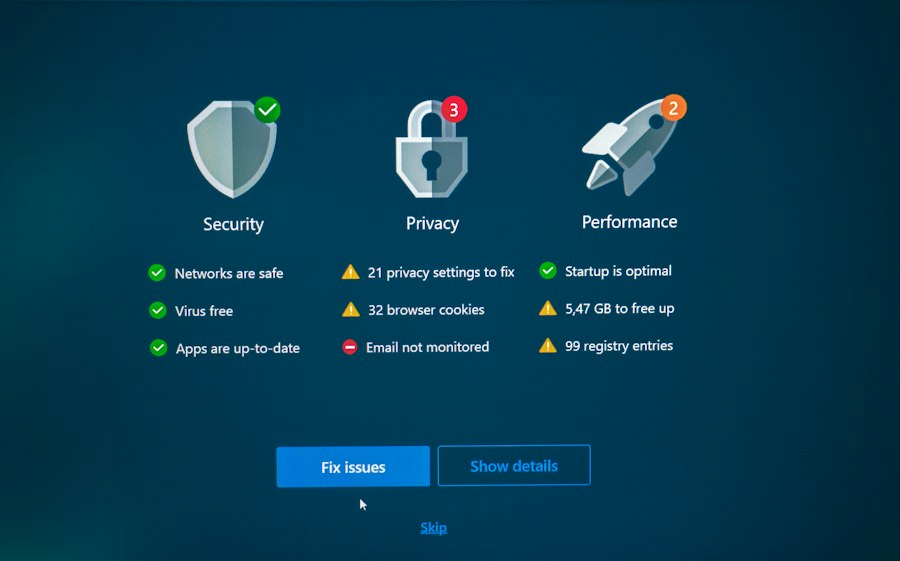
Once a secure hosting provider has been chosen, the focus shifts to securing the server environment and the web application itself. This involves a combination of configuration best practices, regular maintenance, and the use of security tools. Neglecting these areas, even with a strong hosting provider, can leave a website vulnerable to attack.
Server Hardening and Configuration
Server hardening involves tightening the security of the server operating system and its services. This includes removing unnecessary software and services, disabling unused ports, and configuring strong firewall rules to restrict access to only essential services. Regular patching and updates of the server’s operating system and all installed software are paramount to address known vulnerabilities. Furthermore, implementing robust access control mechanisms, such as SSH key-based authentication instead of password-based, and restricting root access, significantly reduces the attack surface. For managed hosting, the provider typically handles much of the server hardening, but for virtual private servers (VPS) or dedicated servers, this responsibility often falls to the business owner or their IT team.
Securing the Web Application and CMS
The web application itself, whether a custom build or a popular content management system (CMS) like WordPress, Joomla, or Drupal, is a prime target for attackers. Business owners must prioritize keeping their CMS, themes, and plugins updated to the latest versions. Developers regularly release security patches to address newly discovered vulnerabilities, and neglecting these updates can leave critical doors open for exploitation. Using strong, unique passwords for all administrator accounts and implementing two-factor authentication (2FA) wherever possible adds a crucial layer of security. Furthermore, for CMS users, installing reputable security plugins can provide additional protection through features like malware scanning, firewall rules, and login attempt limiting. Regularly auditing user accounts and permissions to ensure only necessary access is granted is also a vital practice.
Database Security Best Practices
Many websites rely on databases to store critical information, from user profiles to transaction data. Securing this data is paramount. This involves using strong credentials for database access, restricting database user privileges to the minimum necessary, and never storing sensitive data in plain text. Implementing encryption for sensitive data both in transit and at rest adds another layer of protection. Regular backups of the database, separate from website file backups, are also essential to ensure data integrity and availability in case of a breach or corruption. Database firewalls and intrusion detection systems can also be employed to monitor and block malicious database queries.
Protecting User Data and Privacy
Beyond the technical aspects of server and application security, businesses have a significant responsibility to protect the personal data of their users. This not only builds trust but also ensures compliance with data protection regulations worldwide. Neglecting user data privacy can lead to severe reputational damage and legal repercussions.
Implementing SSL/TLS Certificates
An SSL/TLS certificate is no longer an optional extra; it is a fundamental security requirement for any business website. These certificates encrypt the communication between the user’s browser and the website server, preventing eavesdropping and data interception. This is especially crucial for websites that handle sensitive information such as login credentials, credit card details, or personal identifiable information (PII). Beyond security, search engines like Google favor websites with SSL/TLS, making it a factor in search engine ranking. Businesses should ensure their SSL/TLS certificates are properly configured, regularly renewed, and cover all subdomains if applicable.
Data Minimization and Retention Policies
A core principle of data privacy is data minimization: collecting only the data that is absolutely necessary for the intended purpose. Businesses should regularly review their data collection practices and eliminate any unnecessary data points. Furthermore, clear data retention policies should be established, outlining how long different types of data will be stored and when it will be securely deleted. Storing data indefinitely increases the risk in case of a breach. Transparent communication with users about data collection and usage through comprehensive privacy policies is also crucial for building trust and complying with regulations.
Regular Security Audits and Vulnerability Scanning
Proactive identification of vulnerabilities is key to maintaining a secure website. Regular security audits, conducted by internal teams or third-party security professionals, can uncover weaknesses in the website’s code, configuration, and overall infrastructure. Vulnerability scanning tools can automatically identify known vulnerabilities in the web application and server components. While these tools are valuable, they should be complemented by manual penetration testing, where ethical hackers attempt to exploit vulnerabilities in a controlled environment. The findings from these audits and scans should be prioritized and addressed promptly to strengthen the website’s defenses.
For business website owners looking to enhance their online presence, implementing a robust Web Hosting Security Checklist is essential. Alongside security measures, understanding the importance of local SEO can significantly impact your visibility in search results. To learn more about optimizing your website for local searches, you can read this insightful article on local SEO strategies that can help your business rank higher in “near me” searches. This combination of security and SEO will ensure your website not only stays safe but also attracts more customers.
Continuous Monitoring and Incident Response
| Security Aspect | Checklist Item | Recommended Action | Status |
|---|---|---|---|
| SSL/TLS | Install SSL Certificate | Use HTTPS to encrypt data transmission | Pending |
| Server Security | Keep Server Software Updated | Apply patches and updates regularly | In Progress |
| Access Control | Use Strong Passwords | Enforce complex passwords and change regularly | Completed |
| Access Control | Enable Two-Factor Authentication (2FA) | Add an extra layer of login security | Pending |
| Backup | Regular Backups | Schedule automated backups and verify integrity | Completed |
| Firewall | Configure Web Application Firewall (WAF) | Protect against common web attacks | In Progress |
| Malware Protection | Scan for Malware | Use security tools to detect and remove malware | Pending |
| Monitoring | Enable Security Logs | Monitor and review logs for suspicious activity | Completed |
| Software | Update CMS and Plugins | Keep content management system and plugins up to date | In Progress |
| Permissions | Set Proper File Permissions | Restrict file access to necessary users only | Completed |
Web hosting security is not a set-it-and-forget-it endeavor. The digital threat landscape is constantly evolving, requiring continuous vigilance and a robust incident response plan. Even with the best preventive measures, a breach can occur, and how a business responds can significantly impact the outcome.
Implementing Website Monitoring Solutions
Continuous monitoring is essential for detecting suspicious activity and potential security breaches in real-time. This involves using tools that monitor server logs, website traffic, and file integrity. Intrusion detection systems (IDS) and intrusion prevention systems (IPS) can identify and block malicious traffic patterns. Website defacement monitoring alerts businesses if their website content has been altered without authorization. Uptime monitoring ensures that the website is always accessible and alerts administrators to any downtime. These monitoring solutions provide early warnings, allowing businesses to respond quickly to potential threats before they escalate into full-blown security incidents.
Developing an Incident Response Plan
Despite all preventive measures, security incidents can and do happen. A well-defined incident response plan is crucial for minimizing the damage and recovering quickly. This plan should outline the steps to take immediately after a breach is detected, including containing the incident, eradicating the threat, recovering affected systems, and conducting a post-incident analysis. It should also specify roles and responsibilities, communication protocols (both internal and external, including notifying affected users and relevant authorities), and legal compliance requirements. Regularly testing and updating the incident response plan ensures its effectiveness and keeps it relevant to current threats.
Employee Security Training and Awareness
Humans are often the weakest link in any security chain. Therefore, comprehensive employee security training and awareness programs are critical. Employees should be educated on common cyber threats such as phishing, social engineering, and malware. They should understand the importance of strong passwords, two-factor authentication, and safe browsing practices. Training should also cover company-specific security policies, data handling procedures, and how to report suspicious activities. Regular refreshers and ongoing awareness campaigns reinforce these crucial security practices, fostering a security-conscious culture within the organization. A single careless click by an employee can inadvertently compromise the entire website.
FAQs
What is web hosting security?
Web hosting security refers to the measures and protocols put in place to protect a website and its data from cyber threats, such as hacking, malware, and data breaches.
Why is web hosting security important for business websites?
Business websites often store sensitive information, such as customer data and financial records. Ensuring strong web hosting security helps protect this information from unauthorized access and cyber attacks, safeguarding the reputation and trust of the business.
What are some common web hosting security threats?
Common web hosting security threats include DDoS attacks, SQL injection, cross-site scripting (XSS), malware infections, and unauthorized access to sensitive data.
What are some essential security features to look for in a web hosting service?
When choosing a web hosting service, look for features such as SSL/TLS encryption, regular backups, firewalls, malware scanning and removal, DDoS protection, strong password policies, and secure data centers.
How can business website owners enhance web hosting security?
Business website owners can enhance web hosting security by keeping software up to date, using strong and unique passwords, implementing two-factor authentication, regularly monitoring website activity, conducting security audits, and educating employees on cybersecurity best practices.









Add comment