

The Invisible Engine of Growth: Why Speed Matters
You’ve poured your heart and soul into your small business. You’ve meticulously crafted your products or services, honed your marketing message, and dedicated countless hours to building a brand you’re proud of. But there’s a silent killer lurking in the digital shadows, one that can undermine all your efforts before a potential customer even sees what you offer: a slow website. In today’s hyper-connected, instant-gratification world, the speed of your website isn’t just a minor technical detail; it’s a fundamental pillar of your online success, especially for small businesses vying for attention against larger, more established competitors. You might think a few extra seconds for your page to load is negligible, but those seconds translate directly into lost opportunities, frustrated visitors, and a significant drop in lead generation. This isn’t just about convenience; it’s about conversion, and for a small business, every single lead counts.
The Psychology Behind Instant Gratification
Consider your own online behavior. How often do you patiently wait for a website that takes more than a couple of seconds to load? If you’re like most internet users, the answer is “not very often.” We’ve been conditioned by lightning-fast search engines and social media feeds to expect immediate access to information. When a website lags, it triggers a cascade of negative emotions: impatience, frustration, and ultimately, a loss of trust. This isn’t a conscious decision; it’s an almost primal response to a perceived inefficiency. For a small business, this psychological barrier is critical. You only get one chance to make a first impression, and if that impression is marred by sluggish loading times, you’ve already lost the battle before it’s even begun. Potential leads, eager to learn more about what you offer, will simply bounce to a faster competitor, taking their potential business with them. This instant gratification culture isn’t a trend; it’s the new standard, and your website must meet it to thrive.
Direct Impact on User Experience
A fast website directly translates to a superior user experience. Imagine navigating a brick-and-mortar store where every door creaked open slowly, every aisle was a laborious walk, and every product took ages to display. You’d likely leave in frustration. The online equivalent is a slow website. When your pages load quickly, navigation feels seamless, information is readily available, and the entire browsing experience is smooth and enjoyable. This positive experience fosters a sense of professionalism and reliability, building trust with your visitors. Conversely, a slow site creates friction at every turn. Images pop in late, buttons are unresponsive, and the overall impression is one of amateurism. This directly impacts how a potential lead perceives your business – if your website is slow and clunky, what does that say about the quality of your products or services? A good user experience is a powerful, albeit often overlooked, marketing tool that can significantly influence lead generation.
In today’s digital landscape, having a fast website is crucial for small businesses looking to increase their lead generation. A related article that delves deeper into the importance of website performance and hosting solutions is available at What is Business Hosting? A Beginner’s Guide. This resource provides valuable insights into how the right hosting can enhance website speed and reliability, ultimately helping small businesses attract and retain more customers.
SEO Benefits That Drive Organic Leads
Beyond the immediate user experience, a fast website is an indispensable asset for your search engine optimization (SEO) strategy. Search engines like Google prioritize user experience above all else, and page speed is a significant ranking factor. Think of it as a quality signal. Google wants to provide its users with the best possible results, and slow websites are simply not “the best.” By optimizing your website for speed, you’re not just pleasing your visitors; you’re also signaling to search engines that your site is high-quality, relevant, and deserving of a prominent position in search results. This, in turn, leads to higher organic rankings, more visibility, and ultimately, a significant increase in the number of leads discovering your business naturally. For a small business with limited marketing budgets, organic traffic driven by strong SEO is often the most cost-effective and sustainable way to acquire new customers.
Improved Search Engine Rankings
Google explicitly states that page speed is a ranking factor, and for good reason. A faster site means a better user experience for their users, which aligns perfectly with their mission. When Google’s algorithms crawl your website, they analyze various metrics, and loading speed is a critical one. Sites that load quickly are generally perceived as more authoritative and relevant. This doesn’t mean that a fast site will instantly catapult you to the top of the search results, but it provides a significant advantage over competitors with slower sites, assuming other SEO factors like content quality and relevance are also optimized. For a small business, every position higher in the search rankings translates to more eyeballs on your offering and a greater chance of capturing qualified leads who are actively searching for what you provide. Ignoring page speed in your SEO efforts is akin to leaving money on the table.
Reduced Bounce Rates
Bounce rate is a crucial metric that measures the percentage of visitors who leave your website after viewing only one page. A high bounce rate indicates that visitors are not finding what they’re looking for, or more commonly in the context of page speed, that they’re leaving due to frustration. Search engines interpret high bounce rates as a sign that your website isn’t meeting user expectations, which can negatively impact your rankings. Conversely, a fast website typically leads to a lower bounce rate because visitors are more likely to stay and explore your content. They can seamlessly navigate between pages, delve deeper into your offerings, and ultimately spend more time engaging with your brand. This extended engagement is a strong positive signal to search engines, reinforcing the idea that your site is valuable and relevant, further boosting your SEO performance and ensuring that the leads who do arrive are more likely to convert.
Enhanced Mobile Experience and Core Web Vitals
The vast majority of internet traffic now originates from mobile devices. If your website isn’t optimized for speed on mobile, you’re alienating a massive segment of your potential customer base. Google’s “Core Web Vitals” initiative places a significant emphasis on the mobile user experience, making it even more critical for SEO. Core Web Vitals measure real-world user experience for loading performance, interactivity, and visual stability of page content. A fast-loading mobile site, with a smooth and responsive interface, will score highly on these metrics, which directly influences your search rankings. For a small business, ensuring your website is lightning-fast on mobile devices is not just about staying competitive; it’s about survival in the modern digital landscape. Leads are increasingly discovering businesses on their smartphones, and if your mobile site is slow, those leads will quickly move on to a competitor who offers a better experience.
Converting Visitors into Valued Leads
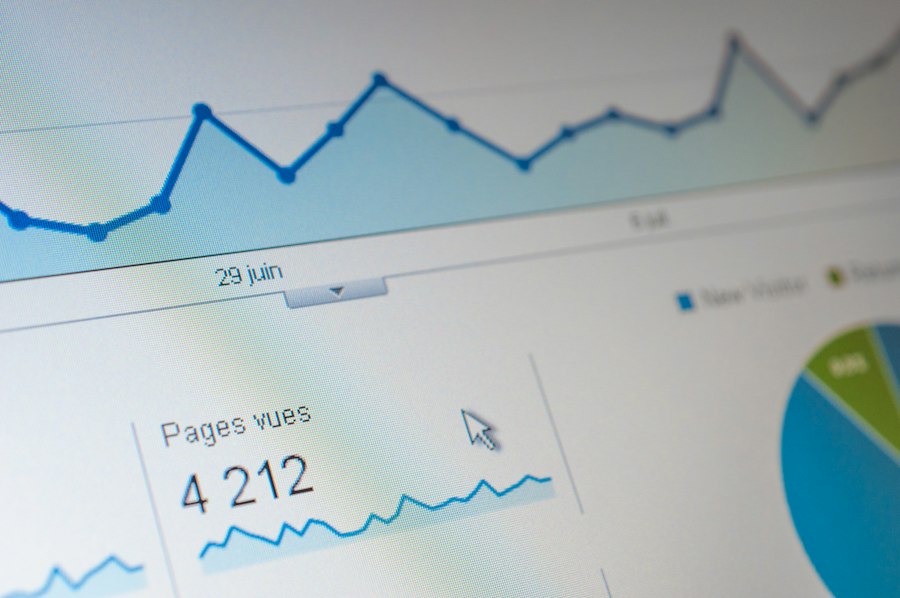
Ultimately, the goal of any small business website is to generate leads. A fast website acts as a powerful catalyst in this conversion process, transforming casual browsers into interested prospects. When your website loads quickly and efficiently, it creates a seamless journey for the user, from initial discovery to taking a desired action, such as filling out a contact form, signing up for a newsletter, or requesting a quote. Every millisecond saved reduces friction and increases the likelihood of a conversion. This isn’t just about speed; it’s about optimizing the entire lead generation funnel, and page speed is a foundational element.
Streamlined Call-to-Action Performance
Your call-to-action (CTA) buttons are the gateways to lead generation. Whether it’s “Request a Free Consultation,” “Download Our E-book,” or “Get a Quote,” these buttons need to be instantly accessible and responsive. If a visitor clicks on a CTA and experiences a delay, even a minor one, it can disrupt their thought process and lead to abandonment. A fast website ensures that your CTAs are prominently displayed, load immediately, and respond without lag, providing a smooth and encouraging path for visitors to take the next step. This instantaneous feedback reinforces trust and minimizes the chance of a potential lead getting frustrated and navigating away before completing the desired action. For a small business, each successful CTA click represents a valuable opportunity to engage with a potential customer and move them further down the sales funnel.
Improved Form Completion Rates
Lead generation often hinges on visitors completing forms – contact forms, sign-up forms, survey forms, etc. If these forms are embedded on slow-loading pages or if the form submission itself is sluggish, you’re introducing unnecessary hurdles. A fast website ensures that forms load quickly, autofill suggestions appear promptly, and the submission process is instantaneous. This minimizes the perceived effort required from the user, making them more likely to complete the form and provide their valuable contact information. Think about it from the user’s perspective: if they’ve already waited for a page to load, and then the form itself is slow, they’re likely to give up. By optimizing for speed, you remove these points of friction, leading to significantly higher form completion rates and, consequently, more qualified leads for your small business.
Enhanced Trust and Professionalism
A fast-loading website projects an image of professionalism and competence. It signals to visitors that you care about their experience and have invested in a high-quality online presence. This perception of reliability builds trust, which is paramount for lead generation. People are more likely to share their personal information or commit to a purchase from a business they perceive as trustworthy and well-managed. Conversely, a slow, clunky website can inadvertently convey an impression of neglect or a lack of attention to detail, eroding trust before it even has a chance to form. For small businesses, where every interaction is critical, cultivating trust through a polished, fast website is an invaluable asset in converting visitors into loyal customers.
Practical Steps to Supercharge Your Site
Now that you understand the profound impact of website speed, you might be wondering how to achieve this lightning-fast performance. Fortunately, there are several practical steps you can take to optimize your site, many of which are accessible even for small business owners with limited technical expertise. Investing time and resources into these optimizations will yield significant returns in terms of lead generation and overall business growth.
Choose a Reliable Hosting Provider
Your web host is the foundation of your website’s performance. A cheap, unreliable host can cripple even the most optimized site. Invest in a reputable hosting provider that offers good uptime, solid-state drives (SSDs), and sufficient resources for your website’s traffic. Shared hosting can be a good starting point for very small businesses, but as your traffic grows, consider upgrading to a virtual private server (VPS) or even dedicated hosting for enhanced performance. Look for hosts that specialize in the platform your website is built on (e.g., WordPress hosting) as they often provide optimized environments and specific caching solutions. A good host acts as a silent partner in your lead generation efforts, ensuring your website is always available and performing at its best.
Optimize Images and Media
Images and videos are often the biggest culprits behind slow loading times. While visually appealing media is crucial for engagement, it needs to be optimized. This means compressing images without sacrificing quality, choosing appropriate file formats (e.g., WebP for better compression), and lazy loading images so they only load when they become visible in the user’s viewport. Consider using a Content Delivery Network (CDN) to serve your media files from servers geographically closer to your visitors, further reducing load times. Many website platforms offer plugins or built-in features for image optimization, making this process relatively straightforward. This seemingly small detail can have a monumental impact on your website’s overall speed and responsiveness.
Leverage Caching Techniques
Caching involves storing frequently accessed data (like your website’s pages, images, and scripts) so that subsequent requests can be served much faster. There are various types of caching, including browser caching, server-side caching, and CDN caching. Implementing a robust caching strategy can dramatically reduce the load on your server and improve page load times for returning visitors. For WordPress users, plugins like WP Super Cache or W3 Total Cache offer comprehensive caching solutions. Understanding and implementing caching is a critical step in making your website feel instantaneous to your visitors, directly contributing to a smoother user experience and increased lead conversion rates.
Minimize Code and External Scripts
Every line of code and every external script (like analytics trackers, social media widgets, or advertising scripts) adds to your website’s loading time. Regularly review your website for unnecessary plugins, themes, or scripts that might be slowing it down. Minify your HTML, CSS, and JavaScript files to remove unnecessary characters and spaces. Consolidate CSS and JavaScript files where possible to reduce the number of HTTP requests. While some external scripts are essential for marketing and analytics, be judicious about what you include. Prioritize the most critical functionalities and remove anything that isn’t providing a clear value. A lean, efficient codebase is a fast codebase, directly translating to a more responsive website and a better chance of capturing those precious leads.
Prioritize Mobile Responsiveness
Beyond just fast loading on mobile, ensure your website is fully responsive and provides an excellent user experience on all screen sizes. Google’s “mobile-first indexing” means they primarily use the mobile version of your content for ranking. A responsive design means your website automatically adjusts its layout and elements to fit the device it’s being viewed on, ensuring optimal readability and navigation. This is not just about making text legible; it’s about ensuring your forms, buttons, and content are easily accessible and interactive on a smaller screen. A truly fast and responsive mobile experience is no longer a luxury; it’s a necessity for any small business aiming to generate leads in today’s mobile-dominated world.
A fast website is crucial for small businesses looking to increase their lead generation, as it enhances user experience and improves search engine rankings. For those interested in optimizing their online presence, understanding local SEO strategies can be equally important. You can explore effective techniques in this insightful article on local SEO for Pakistani businesses, which highlights how to rank higher in “near me” searches and attract more local customers.
The Long-Term ROI of a Speedy Site
| Metric | Impact of Fast Website | Benefit to Small Businesses |
|---|---|---|
| Page Load Time | Reducing load time from 5s to 2s can increase conversions by up to 50% | More visitors stay on site, increasing chances of lead capture |
| Bounce Rate | Fast websites have bounce rates as low as 20%, compared to 40%+ for slow sites | Lower bounce rates mean more potential leads engage with content |
| Mobile User Experience | Fast mobile sites improve user satisfaction and increase mobile leads by 30% | Captures leads from growing mobile user base effectively |
| Search Engine Ranking | Page speed is a ranking factor; faster sites rank higher on Google | Higher visibility leads to increased organic traffic and leads |
| Form Submission Rate | Faster pages see up to 35% higher form submission rates | More completed contact forms and inquiries from potential customers |
| User Trust & Credibility | Fast websites are perceived as more professional and trustworthy | Increases likelihood of visitors becoming leads and customers |
Investing in your website’s speed isn’t a one-time fix; it’s an ongoing commitment that delivers substantial long-term returns on investment (ROI). For a small business, every dollar spent and every hour dedicated to improving performance is an investment in future growth, lead generation, and customer loyalty. The benefits extend far beyond immediate conversions, shaping the overall perception and trajectory of your business.
Sustainable Competitive Advantage
In a crowded marketplace, a fast website provides a distinct and sustainable competitive advantage. While your competitors might be focusing solely on content or advertising, you’re also optimizing the fundamental user experience. This means that even if a competitor has slightly better content or a larger ad budget, your superior website speed can often tip the scales in your favor. Visitors will naturally gravitate towards sites that are easy and pleasant to use, and this often means the faster option. This advantage isn’t easily replicated by competitors and positions your small business as forward-thinking and user-centric, a reputation that can lead to a consistent flow of leads over time.
Reduced Ad Spend and Higher ROI
A fast website directly impacts the efficiency of your paid advertising campaigns. When users click on your ads and land on a slow page, they’re more likely to bounce, wasting your advertising budget. Conversely, a fast-loading landing page ensures that your ad spend is maximized, as visitors are more likely to stay, engage, and convert. Search engines often reward faster landing pages with higher Quality Scores, which can lead to lower cost-per-click (CPC) and better ad positioning. This means you get more leads for the same advertising budget, or the same number of leads for a reduced budget. For a small business, where every marketing dollar counts, this increased efficiency is invaluable and directly contributes to a higher ROI on your advertising efforts.
Enhanced Brand Reputation and Customer Loyalty
Beyond leads, a fast website contributes significantly to your overall brand reputation. A consistently fast and reliable online experience fosters a sense of trust and professionalism, enhancing how customers perceive your business. This positive brand perception isn’t just for new leads; it also strengthens relationships with existing customers, encouraging repeat business and referrals. Satisfied customers who have a smooth experience on your website are more likely to become brand advocates, spreading positive word-of-mouth and attracting even more leads. In the long run, this builds a strong foundation of customer loyalty, which is the bedrock of sustainable success for any small business.
Future-Proofing Your Digital Presence
The digital landscape is constantly evolving, with new technologies and user expectations emerging regularly. By prioritizing website speed now, you’re effectively future-proofing your digital presence. As internet speeds increase and device capabilities improve, users will only expect faster experiences. A website built on a foundation of speed and optimization is better equipped to adapt to these future demands. It ensures that your small business remains relevant, competitive, and capable of capturing leads as technology progresses. Don’t let your website become a relic of the past; invest in its speed today to secure your success tomorrow.
FAQs
1. How does a fast website impact a small business’s ability to generate leads?
A fast website helps small businesses by providing a better user experience, reducing bounce rates, and increasing the chances of visitors staying on the site to explore products or services, ultimately leading to more leads.
2. Does website speed affect search engine rankings for small businesses?
Yes, website speed is a crucial factor in search engine rankings. Search engines like Google prioritize fast-loading websites, so having a fast website can improve a small business’s visibility in search results and attract more organic traffic.
3. How can a fast website improve conversion rates for small businesses?
Fast websites create a positive impression on visitors, leading to increased trust in the business. This trust can result in higher conversion rates as visitors are more likely to engage with the website, fill out forms, make purchases, or contact the business for more information.
4. What are some common ways to optimize a small business website for speed?
Some common ways to optimize website speed include minimizing image sizes, enabling browser caching, reducing server response times, using a content delivery network (CDN), and eliminating unnecessary plugins or scripts that can slow down the site.
5. How can small businesses measure the speed and performance of their website?
Small businesses can use tools like Google PageSpeed Insights, GTmetrix, or Pingdom to analyze their website’s speed and performance. These tools provide valuable insights and recommendations for improving speed, which can help small businesses attract more leads and customers.









Add comment