
You’re a website owner. You’ve poured your heart and soul, countless hours, and significant resources into creating a digital presence that resonates with your audience. Your website is more than just a collection of code and images; it’s your storefront, your information hub, your customer service portal, and often, the engine of your business. For all these reasons, ensuring its continuous availability and smooth operation is paramount. This is where the unsung hero of your online success comes into play: the data center. You might not think about it much when everything is running like clockwork, but the reliability of the data center that hosts your website is the bedrock upon which your entire online operation stands. A single outage, a performance hiccup, or a security breach within that data center can have devastating consequences, from lost revenue and damaged reputation to a complete shutdown of your business.
This article is your guide to understanding why data center reliability is so critical for you, the website owner, and what steps you can take to ensure your chosen provider is up to the task. We’ll delve into the intricacies of data center infrastructure, the vital role of redundancy, the importance of robust security, and the proactive measures you should expect from your hosting partner. By the end, you’ll be empowered to make informed decisions and demand the highest standards for your online home.
You need to grasp what a data center actually is and why it’s so fundamental to your website’s existence. It’s not just a room filled with computers; it’s a highly specialized facility designed to house and manage vast amounts of data and the infrastructure that supports it. For your website, this means the servers that store its files, the networking equipment that allows it to be accessed by users worldwide, and the cooling and power systems that keep everything running 24/7.
What a Data Center Does for Your Website
- Server Hosting: At its most basic, the data center provides the physical hardware – the servers – where your website’s code, databases, images, and other content reside. These servers are far more powerful and reliable than anything you’d typically find in a home or small office setup.
- Network Connectivity: The data center connects your website to the global internet. It houses high-bandwidth connections and sophisticated networking equipment that ensures your visitors can reach your site quickly and efficiently from anywhere in the world. Think of it as the highway system that allows traffic to flow to your digital property.
- Power and Cooling: Servers generate a significant amount of heat and require a constant, stable supply of electricity. Data centers are equipped with redundant power sources, including generators and uninterruptible power supplies (UPS), and advanced cooling systems (HVAC) to prevent overheating and ensure continuous operation, even during power outages.
- Physical Security: Data centers are fortified environments, protected by multiple layers of physical security to prevent unauthorized access. This includes surveillance, access controls, and often, on-site security personnel. This safeguards the hardware that powers your website from theft or damage.
The Concept of “Uptime” and Its Importance
When you talk about data center reliability, the term “uptime” is king. Uptime refers to the percentage of time a system is operational and accessible. For your website, this translates directly to your users’ ability to access your content. Even a small decrease in uptime can have significant repercussions.
- Defining Uptime Guarantees: You’ll often see providers offer “uptime guarantees,” typically expressed as percentages like 99.9%, 99.99%, or even 99.999%. Each “9” represents a significant reduction in potential downtime. For example:
- 99.9% uptime allows for approximately 8.76 hours of downtime per year.
- 99.99% uptime allows for approximately 52.6 minutes of downtime per year.
- 99.999% uptime allows for approximately 5.26 minutes of downtime per year.
As you can see, the difference between 99.9% and 99.999% is substantial, especially for businesses that rely heavily on their online presence.
- The Financial Impact of Downtime: Consider the revenue you might lose for every hour your website is inaccessible. This can include direct sales, advertising revenue, lead generation, or even the cost of customer support calls from frustrated users. For e-commerce sites, downtime can mean tens of thousands, if not millions, of dollars in lost sales per hour.
- Reputational Damage: Beyond financial losses, downtime erodes customer trust and damages your brand’s reputation. If your website is frequently unavailable, users will perceive your business as unreliable and unprofessional, leading them to seek alternatives. The speed at which negative word-of-mouth can spread online is remarkable, and a consistent lack of uptime can quickly tarnish your image.
For website owners looking to enhance their understanding of data center reliability, it’s also beneficial to explore related topics such as business hosting. A comprehensive resource on this subject can be found in the article titled “What Is Business Hosting? A Beginner’s Guide,” which provides insights into the various hosting options available and how they can impact website performance and reliability. You can read the article here: What Is Business Hosting? A Beginner’s Guide.
The Power of Redundancy: No Single Point of Failure
A truly reliable data center is built with redundancy at its core. This means having multiple, independent systems in place so that if one component fails, another can seamlessly take over. For you, this is the ultimate insurance policy against unexpected disruptions.
Redundant Power Systems
The electricity that powers the servers is a critical point of failure. A robust data center anticipates this by implementing a multi-layered approach to power.
- Utility Power: Your provider will have connections to multiple power grids from the local utility company. This ensures that if one grid experiences an outage, another can still supply power.
- Uninterruptible Power Supplies (UPS): These are battery backup systems that provide immediate power the moment the primary utility power is interrupted. This bridges the gap between the power loss and the activation of backup generators, ensuring no interruption to the servers. You’ll often see large battery banks visible within a data center facility.
- Backup Generators: For longer outages, data centers rely on powerful diesel generators. These generators are regularly tested and have substantial fuel reserves to keep the facility running for extended periods. The fuel supply itself is often also redundant, with contracts for priority refueling.
- Redundant Power Distribution: Within the data center itself, power is distributed through multiple circuits and power distribution units (PDUs) to ensure that a failure in one path doesn’t affect other servers.
Redundant Network Connectivity
Just as power needs to be uninterrupted, so does the flow of data to and from your website. Data centers achieve this through a diverse and redundant network infrastructure.
- Multiple Internet Service Providers (ISPs): A reliable data center won’t rely on a single ISP for its internet connectivity. They will have connections from several different providers, often routed through different physical paths. This means that if one ISP experiences an outage or routing issue, traffic can be automatically redirected through another.
- Multiple Network Devices: Switches, routers, and firewalls are critical components of network connectivity. Data centers deploy these devices in redundant pairs, meaning if one fails, its backup immediately takes over without any noticeable interruption to service.
- Diverse Fiber Paths: The physical cables that carry internet traffic into and out of the data center are also a potential point of failure. Reputable providers will ensure they have multiple, physically separate fiber optic cable routes entering their facility. This protects against scenarios like construction digging severing a single cable.
Redundant Cooling Systems
Servers generate a tremendous amount of heat. Overheating can lead to performance degradation and hardware failure. Therefore, robust cooling is as critical as power.
- Multiple Cooling Units: Data centers will have multiple, independent cooling units (e.g., CRAC units – Computer Room Air Conditioning) that are capable of handling the entire cooling load of the facility. This allows for redundancy, maintenance, and ensures that the temperature remains within optimal ranges even if one unit fails.
- Redundant Water or Refrigerant Lines: The systems that deliver cooling often have redundant piping and circulation systems to prevent a single leak or blockage from causing a complete shutdown of cooling.
- Environmental Monitoring: Advanced sensors continuously monitor temperature, humidity, and airflow throughout the data center, alerting staff to any anomalies that could indicate a cooling issue before it becomes critical.
Security: Protecting Your Digital Assets
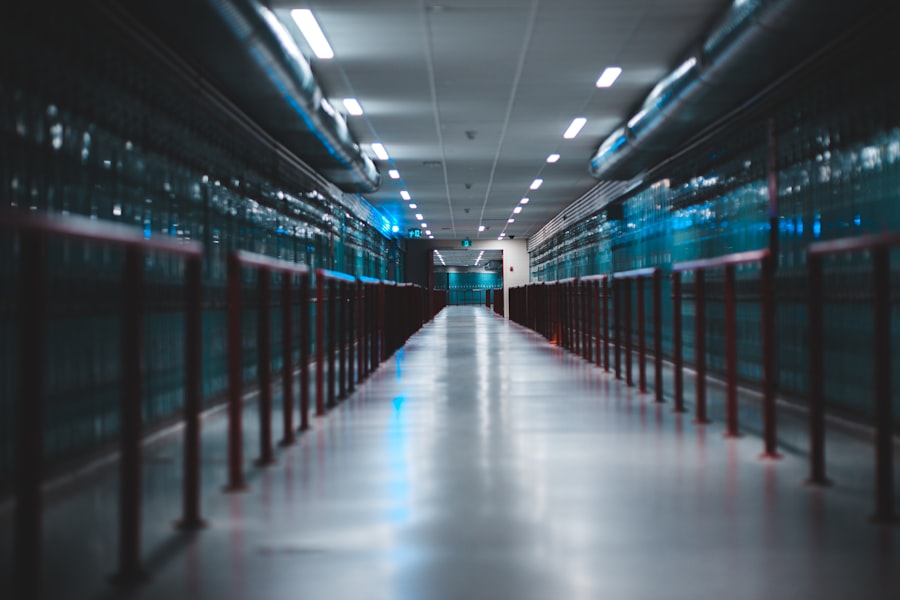
Data center reliability isn’t just about keeping the lights on; it’s also about safeguarding the valuable data and infrastructure that power your website. Security measures in a data center are extensive and multi-layered, protecting against both physical and digital threats.
Physical Security Measures
Your website’s physical hardware needs to be protected from unauthorized access, theft, and damage.
- Perimeter Security: This often includes fencing, security cameras, and controlled access points around the entire facility. You can think of it as the first line of defense.
- Multi-Factor Authentication: Access to the data center itself, and to individual server racks, typically requires multiple forms of authentication. This can include key cards, biometric scanners (fingerprint or iris scans), and PIN codes.
- 24/7 On-Site Security Personnel: Trained security guards are present around the clock to monitor surveillance, control access, and respond to any security incidents.
- Surveillance Systems: Extensive CCTV camera networks provide continuous monitoring of all areas within the data center, with recordings stored for auditing and incident investigation.
- Strict Access Control Policies: Only authorized personnel are granted access to specific areas, and their access is logged and audited. Visitors are typically escorted at all times.
Cybersecurity Measures
Beyond physical protection, data centers implement robust cybersecurity protocols to protect against digital threats.
- Firewalls and Intrusion Detection/Prevention Systems (IDS/IPS): These systems act as digital gatekeepers, monitoring network traffic for suspicious activity and blocking potential threats before they can reach your servers.
- Regular Security Audits and Penetration Testing: Reputable data centers undergo regular security audits and penetration tests conducted by independent third parties to identify and address vulnerabilities before attackers can exploit them.
- Malware Protection and Antivirus Software: Servers are equipped with up-to-date malware protection and antivirus software to scan for and remove malicious software.
- Data Encryption: Sensitive data may be encrypted both at rest (when stored on servers) and in transit (when being transferred across the network) to protect it from unauthorized access.
- Security Awareness Training for Staff: Data center personnel receive regular training on security best practices to minimize the risk of human error leading to security breaches.
Operational Excellence: The Human Element of Reliability
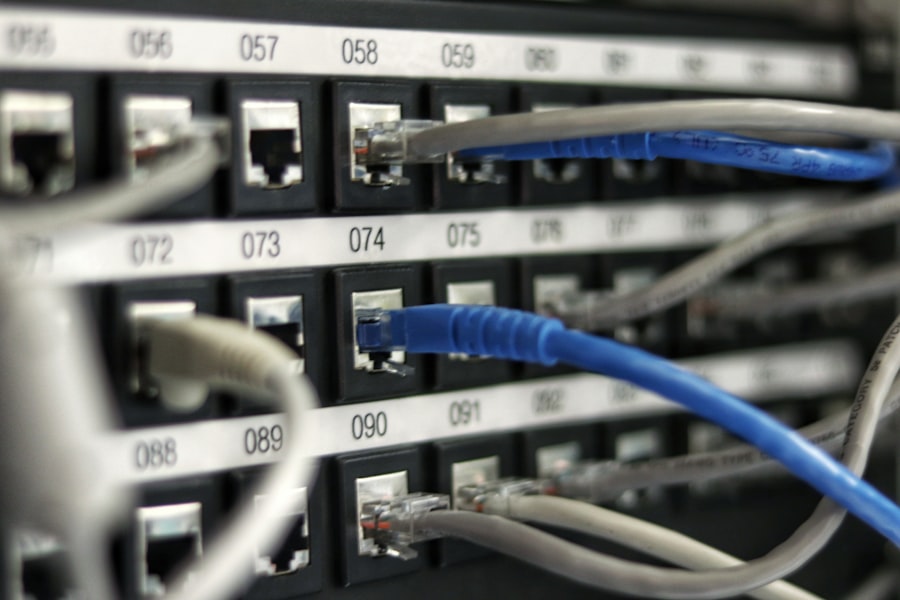
While advanced technology and robust infrastructure are essential, the operational expertise of the data center’s staff is equally crucial. It’s the people who design, maintain, and monitor these complex systems that ultimately ensure your website’s uptime.
Proactive Monitoring and Maintenance
Reliability isn’t achieved by accident; it’s the result of constant vigilance and proactive action.
- 24/7 Network Operations Center (NOC): A NOC is the central hub where the data center’s infrastructure is monitored around the clock. Highly trained technicians watch over power, cooling, network performance, and server health, ready to respond to any alerts.
- Automated Alerting Systems: Sophisticated software systems constantly monitor thousands of data points. When a metric deviates from normal parameters, alerts are automatically triggered, notifying the NOC staff of potential issues before they impact services.
- Predictive Maintenance: By analyzing historical data and performance trends, data center operators can often predict potential hardware failures before they occur. This allows them to proactively replace components during scheduled maintenance windows, avoiding unexpected downtime.
- Scheduled Maintenance Windows: Regular, scheduled maintenance is vital. This is when hardware upgrades, software patches, and component replacements are performed. Reputable providers communicate these windows well in advance, typically during periods of low website traffic, to minimize any potential inconvenience.
Disaster Recovery and Business Continuity Plans
Even with the best preventative measures, unforeseen disasters can occur. A reliable data center will have well-defined plans to ensure rapid recovery.
- Disaster Recovery (DR) Sites: Some data centers maintain separate, geographically dispersed DR sites. In the event of a catastrophic failure at the primary site, operations can be quickly transferred to the DR site, minimizing downtime.
- Regular DR Testing: It’s not enough to have a DR plan; it must be tested regularly to ensure it works as intended. You should inquire about the frequency and success rate of their DR testing.
- Backup and Restoration Procedures: Comprehensive backup strategies are in place to regularly back up your website’s data. Knowing that your data is securely backed up and that there’s a clear process for restoring it in case of data loss provides immense peace of mind.
- Incident Response Protocols: Clear, documented protocols for responding to various types of incidents (e.g., hardware failure, security breach, natural disaster) ensure a coordinated and efficient response, minimizing the impact on your services.
Understanding data center reliability is crucial for website owners, as it directly impacts their site’s performance and uptime. For those interested in how various factors can influence online investments, a related article discusses the resale value of PK domains and offers insights into investment trends and predictions for 2025. You can read more about it in this informative piece, which highlights the importance of making informed decisions in the digital landscape.
Choosing the Right Provider for Your Website’s Needs
| Data Center Metric | Description |
|---|---|
| Uptime | The percentage of time that a data center is operational and accessible. |
| Redundancy | The level of backup systems and components in place to ensure continuous operation in case of failure. |
| SLA (Service Level Agreement) | A contract between the data center and the website owner that specifies the level of service, including uptime guarantees. |
| Power Usage Effectiveness (PUE) | A measure of how efficiently a data center uses energy, with lower numbers indicating better efficiency. |
| Security Measures | Physical and digital security protocols in place to protect the data center and its contents from unauthorized access or damage. |
Ultimately, the reliability of your website hinges on the choices you make regarding your hosting provider. It’s not just about finding the cheapest option; it’s about finding a partner who understands the criticality of uptime and has the infrastructure, security, and operational excellence to match your requirements.
Key Questions to Ask Potential Providers
When evaluating data center providers, don’t be afraid to ask tough questions. Their answers will reveal their commitment to reliability.
- What is your guaranteed uptime SLA (Service Level Agreement)? Understand the specifics of their guarantee and what compensation is offered if they fall short.
- How do you achieve redundancy in power, network, and cooling? Ask for details about their specific hardware and configurations.
- What physical security measures are in place? Ask about access controls, surveillance, and on-site personnel.
- What cybersecurity measures are implemented? Inquire about firewalls, IDS/IPS, and regular security testing.
- What is your monitoring and maintenance process? Understand their NOC operations and proactive maintenance strategies.
- Do you have a disaster recovery plan, and how often is it tested? Ask for details about their DR capabilities.
- Can you provide documentation for your compliance certifications (e.g., SOC 2, ISO 27001)? These certifications indicate adherence to rigorous security and operational standards.
- What is your process for scheduled maintenance, and how much notice do you provide? Transparency in maintenance scheduling is key.
- What are your backup procedures, and how often are backups performed? Ensure your data is protected.
- What is your incident response plan, and how are clients notified of outages or security incidents? Understand their communication protocols.
Understanding Service Level Agreements (SLAs)
The SLA is a legally binding contract that outlines the level of service you can expect from your provider. It’s crucial to read and understand every detail.
- Uptime Guarantees: This is usually the most prominent part of an SLA, specifying the percentage of uptime guaranteed.
- Response and Resolution Times: The SLA may also define how quickly the provider will respond to an issue and how long they have to resolve it.
- Credits and Penalties: A well-written SLA will specify the credits or compensation you are entitled to if the provider fails to meet their service commitments.
- Exclusions: Be aware of any exclusions, such as downtime caused by your own misconfigurations or force majeure events (natural disasters beyond their control).
By taking a proactive approach to understanding and ensuring the reliability of your data center, you are investing in the stability, security, and continued success of your online presence. Your website is too important to be left to chance.
FAQs
What is data center reliability?
Data center reliability refers to the ability of a data center to consistently and dependably deliver services and maintain operations without interruption. This includes factors such as uptime, redundancy, and disaster recovery capabilities.
Why is data center reliability important for website owners?
Data center reliability is crucial for website owners because it directly impacts the availability and performance of their websites. A reliable data center ensures that websites are accessible to users at all times, which is essential for maintaining a positive user experience and reputation.
What factors contribute to data center reliability?
Several factors contribute to data center reliability, including redundant power and cooling systems, robust network connectivity, physical security measures, disaster recovery plans, and proactive maintenance and monitoring practices.
How can website owners assess data center reliability?
Website owners can assess data center reliability by evaluating factors such as the data center’s uptime history, certifications and compliance with industry standards, security measures, redundancy in infrastructure, and disaster recovery capabilities.
What steps can website owners take to ensure data center reliability for their websites?
Website owners can take steps to ensure data center reliability by choosing a reputable and certified data center provider, conducting regular performance and security audits, implementing redundancy in their hosting setup, and establishing clear communication channels with their data center provider for any issues or concerns.







Add comment